
REVIEW · ALPACA FARMS
Cusco: Alpaca and Llama Farm Tour w/ Transfer & Weaving Demo
Alpacas in the Andes, minus the long trek. This Cusco farm visit at Manos de la Comunidad pairs close animal time with a hands-on-style weaving demonstration, guided by people like Marileth, Marlith, and Holger who answer questions and help you get great photos. I especially like the variety of camelids you get to see in one stop, and I love how the textiles lesson connects wool, craft, and culture in plain language.
The one possible drawback is the shop at the end can feel a bit commercial, and some yarn and textiles are priced high, so it helps to set a budget before you walk in. Also, one guest felt the pace was a touch rushed, even though the experience is short overall.
If you want a low-effort outing that still feels meaningful, this is a smart way to spend time outside Cusco while you get your footing at altitude. The hotel pickup and return transfer make it easy, and the whole thing runs about 150 minutes.
In This Review
- Key highlights worth your time
- From Cusco pickup to the farm, about 20 minutes each way
- Meeting alpacas, llamas, huanacos, and vicuñas in one visit
- How the guide shapes the whole experience (and who you might get)
- The weaving demonstration, where craft becomes clear
- Inca-era camelids and why vicuña fiber gets so much attention
- Time, pacing, and how to make the most of 150 minutes
- The end-of-tour shop: educational, pricey, and easy to plan for
- Price and value: why $34 can be a smart Cusco choice
- Who should book this Cusco alpaca and llama farm tour
- Should you book it? My honest take
- FAQ
- How long is the Cusco Alpaca and Llama Farm Tour?
- Where does the tour start and where do you return to?
- What is included in the price?
- Do I have to buy souvenirs during the tour?
- What animals will I see on the farm?
- Is the tour offered in multiple languages?
- Is wheelchair access available?
- Is there an entrance shortcut?
- Can I get a refund if my plans change?
Key highlights worth your time
- Close-up camelids: See multiple alpaca and llama types, plus huanacos and vicuñas
- Weaving demo that explains the craft: You watch traditional techniques and how textiles get made
- Inca-era context in an easy format: A guide ties domestication and history to what you see
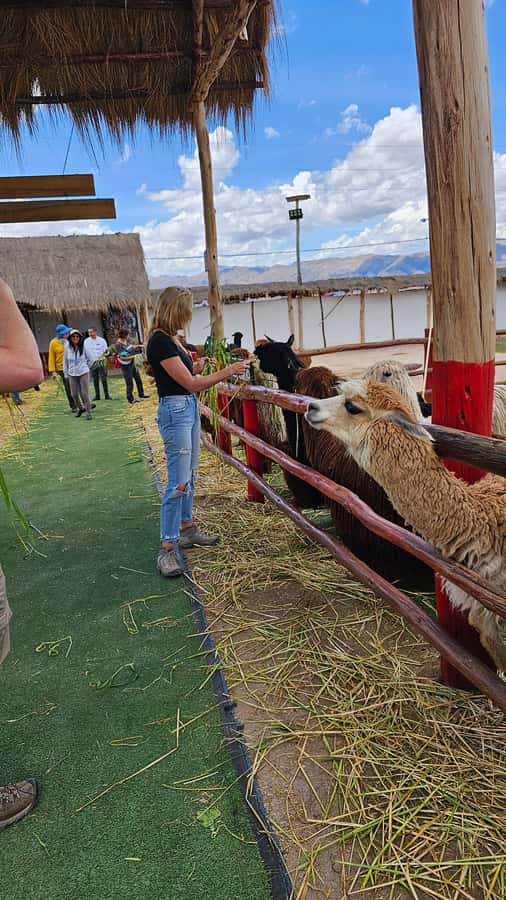
- Practical animal time: You can often pet and feed the animals, not just look from far away
- Great for acclimatizing: It is short, guided, and outdoors without a big hike
Other weaving demonstrations and alpaca herds
- From Cusco: Moray, Maras Salt Mines & Chinchero Weavers Tour
★ 4.8 · 1,925 reviews - City Tour in Cusco & visit Museum South American Camelid Private.
★ 5.0 · 147 reviews - From Cusco: Moray, Maras Salt Mines & Chinchero Weavers Half-Day
★ 5.0 · 126 reviews - The Textile Workshop Experience in Cusco Region
★ 5.0 · 118 reviews
From Cusco pickup to the farm, about 20 minutes each way
The experience starts the easy way: hotel pickup in Cusco, then a quick transfer to the farm area at Manos de la Comunidad, roughly 20 minutes from the historic center. That matters in Cusco, because you do not want your first outing to turn into a long logistics puzzle after you arrive at altitude.
On top of that, you skip through a separate entrance, which helps if you are trying to keep the schedule smooth. There is also a live guide in English or Spanish, so you are not left reading signs while your brain is busy adjusting to the altitude.
If you are traveling with a slower pace, this format is perfect. You get time outside Cusco with far less walking pressure than most day trips, and the drive gives you a chance to look around without draining energy.
Meeting alpacas, llamas, huanacos, and vicuñas in one visit
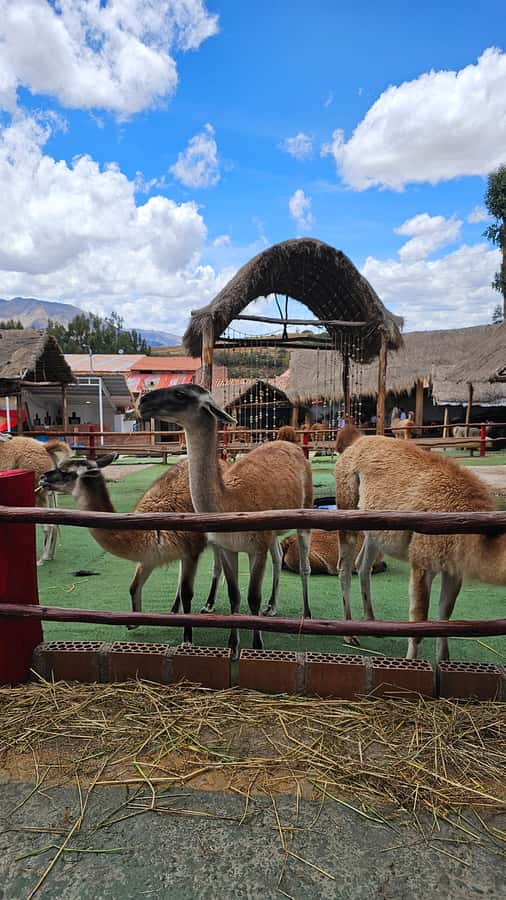
This tour is built around Andean camelids, and you actually get to see several kinds rather than just one cute species. You will learn about domestication and how the Incas developed what we now recognize as the modern camelid types.
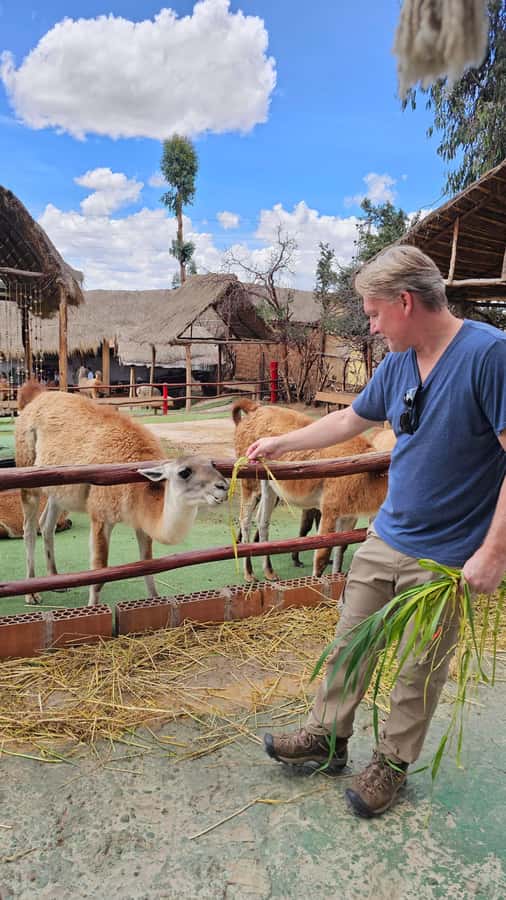
At the farm, you meet two varieties of alpacas and llamas, with their ancestors explained too. The most memorable moment for many people is when you move from background information to direct, close-up contact. Expect time to gaze at the different animals and snap photos, not just a quick pass-by.
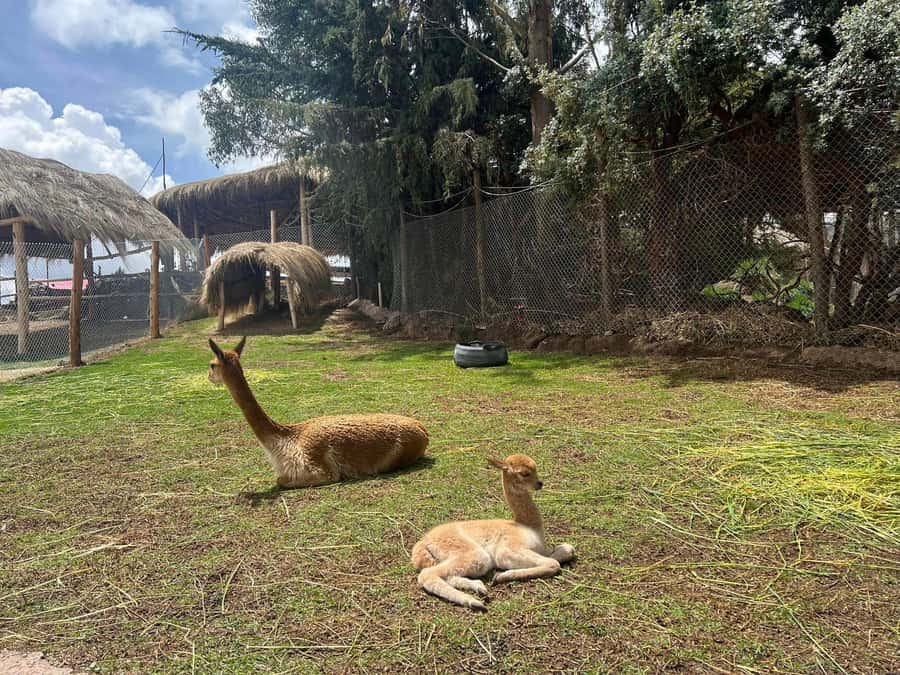
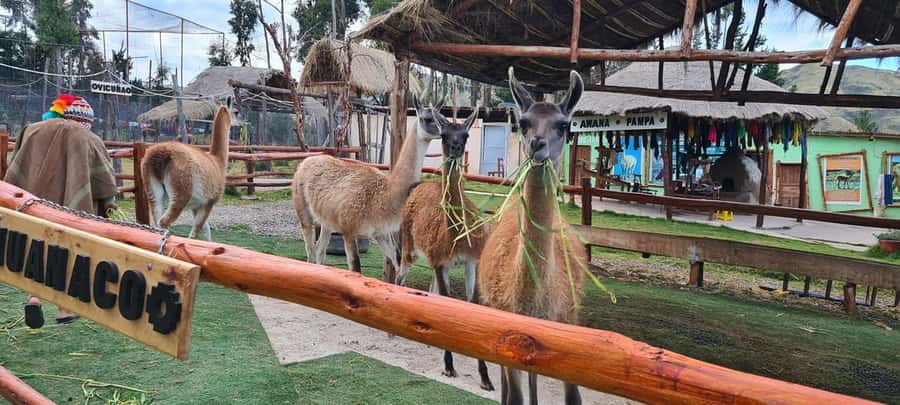
The highlights also call out vicuñas and huanacos. Vicuñas are often described as the gold of the Andes, mainly because their fiber is prized and their conservation matters. Huanacos are the wild relatives that help explain the bigger camelid story, and seeing them alongside the domesticated animals makes the science feel real, not abstract.
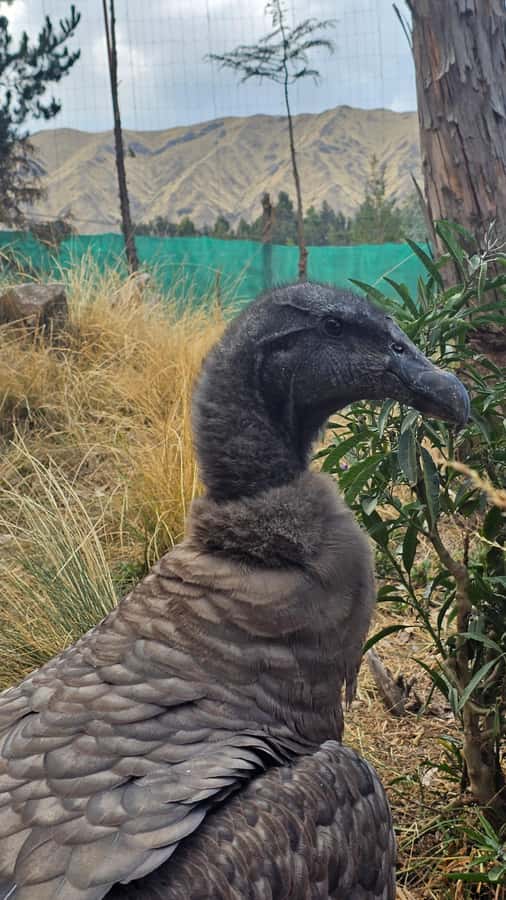
A few guests also mention extra wildlife or a small museum-style bonus area, including rescued condors and other animals. That part is not guaranteed by the core description, but it does show up in multiple comments. If it is offered when you go, it is a nice add-on that makes the visit feel more connected to conservation.
How the guide shapes the whole experience (and who you might get)
In Cusco, guides can make the difference between a fun animal stop and a genuinely useful one. Here, the guide plays a big role: they explain the camelids, answer questions, and connect what you see to local culture and the Inca past.
People also specifically call out guide friendliness and helpful photo support. Guests mention tour leaders like Marileth, Marlith, Olga, and Holger, and they consistently describe the guides as warm, organized, and willing to slow down for questions. If you care about understanding the animals and the weaving in a practical way, this guided layer is one of the strongest reasons to book.
One neat theme in the comments is that you do not just learn “alpaca vs llama.” You also learn what the wool is about and how to think about authenticity. Some guides explain how to recognize real baby alpaca fabric from fakes, and that kind of info turns the shop section into something educational rather than a random buying moment.
The weaving demonstration, where craft becomes clear
After the animal portion, the experience pivots to weaving. You watch a demonstration of traditional weaving techniques and the skills used to produce textiles, which is exactly what you want if you plan to buy later or just want to understand why Andean textiles look the way they do.
In real terms, this is not a distant lecture. It is a guided look at how textiles get made, and several guests mention dyeing or seeing how garments can be created by hand. That kind of visual learning sticks better than reading about fiber processing later in your hotel room.
The best part is that weaving ties back to the camelids you just met. When you see the animals first, the weaving demo stops being abstract. You understand why vicuña and alpaca fiber are discussed with such seriousness, and you start noticing quality and texture more thoughtfully.
If you are the type of traveler who likes crafts but worries about “tourist demonstrations,” this one usually works because it stays connected to real materials and real techniques. You also get water included, so you can focus on learning instead of rationing.
Nearby in Cusco, these earned their own write-ups
Inca-era camelids and why vicuña fiber gets so much attention
The tour’s story line is built around the idea that camelids have deep roots in Andean life. You hear about domestication and how the Incas developed camelid varieties, with the farm animals acting like living teaching tools.
That matters because it gives context to why you are seeing so many types in one place. You are not just checking off alpaca photos. You are learning how humans shaped these animals for fiber and survival, and why that knowledge shaped local economies.
The mention of vicuñas as the gold of the Andes points to value driven by natural resources and careful management. Even if you do not leave with a biology lesson you could teach, you do leave understanding the cultural weight behind the fiber. One of the reasons the weaving demo lands well is that it explains a craft that depends on specific animals and their wool.
Some comments also highlight the conservation side, and that aligns with the idea of rescued animals being part of the visit. When the experience includes a conservation angle, it shifts the mood from “look at cute animals” to “learn how care and stewardship are part of the story.”
Time, pacing, and how to make the most of 150 minutes
The full experience runs about 150 minutes. The guided farm portion is about 80 minutes, which leaves time for pickup, transfer, and the weaving demonstration without turning into a half-day you regret. For many people, that short format is exactly the point, especially if you are trying to acclimatize without overdoing it.
That said, one guest felt the pace was a bit rushed and that the tour might not run as long as advertised. You cannot control the group flow, but you can control your readiness.
Here are a few practical ways to get more out of your time:
- Go in with one clear goal: animals, weaving, or both, so you do not get distracted
- Bring a phone camera ready to go, since close-ups and quick photo moments are part of the attraction
- If you want extra time with questions, ask early. Guides seem most able to expand answers before the schedule tightens
Also, remember you are outside more than you think, even if it is not a long hike. Layers help because Cusco conditions can change. Comfortable shoes help too, even if the walking is light.
The end-of-tour shop: educational, pricey, and easy to plan for
Most farm tours in Peru include a shop, and this one ends with retail. You can learn, browse, and sometimes pick up textiles or fiber products, which can be a fun souvenir.
The catch is price. Some guests felt the shop was overpriced and reported big differences compared to other places in Cusco. One also mentioned feeling “stalked” in the retail area, though they also said there was no pressure to buy.
My advice is simple: treat it like a museum gift shop with a budget. If you want something, decide what quality matters to you, and use what your guide taught you about authentic fiber. If you do not want to buy, you can still get value by treating the shop as a way to understand what you just learned about.
Price and value: why $34 can be a smart Cusco choice
At about $34 per person, this is not a bargain that feels cheap. It is a short, guided cultural farm experience with multiple components: hotel pickup and drop-off, a guide, the farm visit, a weaving demonstration, and water. You also get the benefit of the separate entrance to reduce friction on arrival.
For many visitors, the value comes from combining two interests in one outing. You get animal time plus the craft side that explains why the products matter. If you tried to do these separately, you would spend more time coordinating, and you might miss the guided context that connects the animals to the weaving.
Also, the timing is a value. Short tours are often worth it in Cusco because you can fit them around other sightseeing and still protect your energy. One person specifically described it as a good acclimatizing activity, which makes sense given the short duration and guided pace.
Who should book this Cusco alpaca and llama farm tour
I think this tour fits best when you want a clear, low-stress introduction to Andean camelids and local textiles. It is especially good if you are:
- Visiting Cusco for the first time and want an easy outdoor activity
- Traveling with limited time, but still want a meaningful experience beyond city sights
- Interested in weaving and want to see the process rather than just photos
- Stuck in the “I love animals, but I also like culture” zone
It can also work well for families, since the focus is on guided viewing, easy mobility, and short segments. The experience is listed as wheelchair accessible, so it is set up to handle different mobility needs.
If you are looking for a deep trekking day with big altitude gains or long remote hikes, this is not that. It is a farm visit with guided learning and hands-on-style animal time, which is exactly its charm.
Should you book it? My honest take
Book it if you want a compact Cusco experience that mixes alpaca and llama viewing with a real weaving demo and helpful context about Inca camelids. The guide quality, the animal variety, and the craft connection are the big wins, and many guests highlight guides like Marileth, Marlith, Olga, and Holger for their explanations and photo help.
Skip or adjust expectations if you hate retail experiences. The shop at the end can be pricey, and a few comments describe a pushy feeling in that area. If you go in with a plan and focus on learning first, you will likely feel good about your time.
Overall, for a 150-minute outing with pickup included, it is a solid value. It is one of those tours that helps you understand what you are seeing in Cusco without demanding a full day.
FAQ
How long is the Cusco Alpaca and Llama Farm Tour?
The tour duration is 150 minutes.
Where does the tour start and where do you return to?
Pickup is from your Cusco hotel, and you are dropped off back at your hotel after the farm visit.
What is included in the price?
Included are hotel pickup and drop-off, a guide, the farm visit, a weaving demonstration, and water.
Do I have to buy souvenirs during the tour?
Souvenirs are not included.
What animals will I see on the farm?
You will see alpacas and llamas, plus vicuñas (the gold of the Andes) and huanacos.
Is the tour offered in multiple languages?
Yes. The live guide is available in English and Spanish.
Is wheelchair access available?
Yes, the activity is listed as wheelchair accessible.
Is there an entrance shortcut?
Yes. You skip the line through a separate entrance.
Can I get a refund if my plans change?
Yes. You can cancel up to 24 hours in advance for a full refund.
More Tours in Cusco
- Cusco: Humantay Lake Tour with Breakfast and Buffet Lunch
★ 4.9 · 2,976 reviews - From Cusco: Moray, Maras Salt Mines & Chinchero Weavers Tour
★ 4.8 · 1,925 reviews - From Cusco: Full-Day Group Tour of Machu Picchu
★ 4.7 · 1,767 reviews - Cusco: Half-Day City Tour with Sacsayhuaman and Q’enco
★ 4.6 · 1,129 reviews - Machu Picchu: Full-Day Tour from Cusco with Optional Lunch
★ 4.6 · 927 reviews
More Tour Reviews in Cusco
- Cusco: Humantay Lake Tour with Breakfast and Buffet Lunch
★ 4.9 · 2,976 reviews - From Cusco: Moray, Maras Salt Mines & Chinchero Weavers Tour
★ 4.8 · 1,925 reviews - From Cusco: Full-Day Group Tour of Machu Picchu
★ 4.7 · 1,767 reviews - Machu Picchu Day Trip from Cusco
★ 4.5 · 1,644 reviews - Cusco: Half-Day City Tour with Sacsayhuaman and Q’enco
★ 4.6 · 1,129 reviews
Wool, Dye and Loom
- From Cusco: Moray, Maras Salt Mines & Chinchero Weavers Tour
★ 4.8 · 1,925 reviews - City Tour in Cusco & visit Museum South American Camelid Private.
★ 5.0 · 147 reviews - From Cusco: Moray, Maras Salt Mines & Chinchero Weavers Half-Day
★ 5.0 · 126 reviews - The Textile Workshop Experience in Cusco Region
★ 5.0 · 118 reviews - Sacred Valley Textile Workshop – Dyeing & Weaving in Cusco
★ 5.0 · 92 reviews
Freshly reviewed across Cusco
- Excursion Cusco – Puno – Titicaca Observatory Train★ 5.0 · 3 reviews
- Sacred Valley Vip Cusco★ 4.7 · 3 reviews
- Cusco | Humantay Lake 1-Day Tour with Breakfast and Lunch★ 5.0 · 3 reviews
- Full-Day Condor Viewpoint & Inca Sites Tour★ 5.0 · 3 reviews
- Best of Cusco: Private Walking Tour with a Local★ 3.6 · 3 reviews
- From Cusco: Full-Day Private Sacred Valley Tour★ 5.0 · 3 reviews
Alpaca Farms and Textile Workshops side by side.
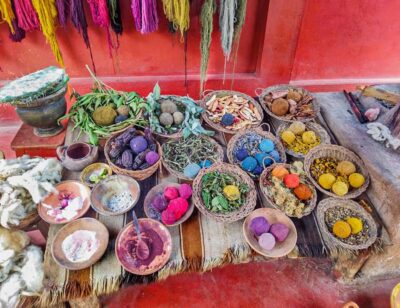 ★ 4.8From Cusco: Moray, Maras Salt Mines & Chinchero Weavers TourFrom $151,925 reviews
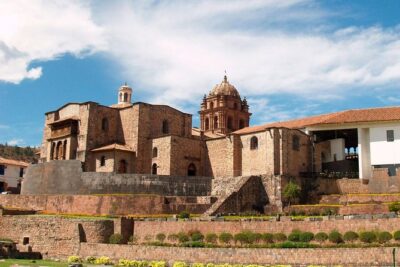 ★ 5.0City Tour in Cusco & visit Museum South American Camelid Private.From $49147 reviews
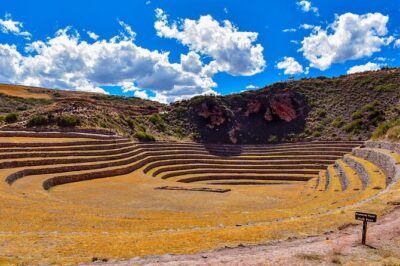 ★ 5.0From Cusco: Moray, Maras Salt Mines & Chinchero Weavers Half-DayFrom $15126 reviews
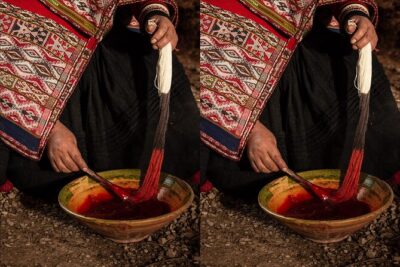 ★ 5.0The Textile Workshop Experience in Cusco RegionFrom $79118 reviews
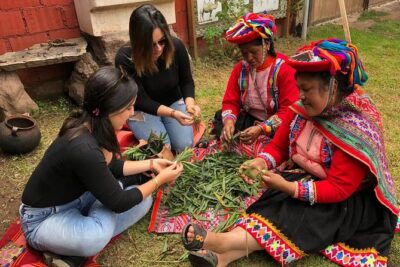 ★ 5.0Sacred Valley Textile Workshop – Dyeing & Weaving in CuscoFrom $42092 reviews
 ★ 4.5City Tour in Cusco & visit Museum South American CamelidFrom $1180 reviews
 ★ 5.02-Day Sacred Valley Machu Picchu by Train with Llama ExperienceFrom $45755 reviews
 ★ 4.8From Nazca: Cahuachi Pyramids Tour and Textile WorkshopFrom $4521 reviews
Also on these Peru lists