
REVIEW · AREQUIPA CITY
Tour to the Sillar Route from Arequipa | Half Day
That quiet road trip turns into a stone story. The Sillar Route outing mixes volcano views, working-quarry scenes, and canyon stops tied to Arequipa’s White City nickname. It is a short day that still manages to feel hands-on and cultural.
Two things I really like: first, you get to see how sillar stone is worked, with artisans making carving moves you can actually watch. Second, the stops are varied, from wide viewpoint panoramas to the canyon interior and petroglyphs with meaning still unknown. One consideration: your experience depends on guide clarity and the time you get for your own looking, so if you want long independent exploring, build in your own patience and questions.
In This Review
- Quick takeaways before you go
- Sillar Route Day Plan From Arequipa, 8:50 to 13:00
- Volcano Viewpoint and The White City Connection
- Añashuayco Quarry: Watching Sillar Stone Become Architecture
- Quebrada de Culebrillas Canyon Walk and the 20-Meter Walls
- Petroglyphs in the Canyon: Mysterious Figures You Cannot Decode
- Price and Entrance Fees: Is It Worth $25?
- Communication Matters: Bilingual Guides and Hearing Clarity
- What to Bring for a Comfortable Half-Day in Arequipa
- Who This Half-Day Sillar Route Tour Fits Best
- Should You Book This Sillar Route Half-Day Tour?
- FAQ
- How long is the Sillar Route tour from Arequipa?
- What time does the tour pick me up and when does it end?
- What is included in the price?
- What entrance fees are not included?
- What languages will the guide speak?
- What should I bring?
- Can I cancel and get a refund?
Quick takeaways before you go
- Half-day pacing (about 5 hours): pick-up at 8:50 a.m., back around 1:00 p.m., with multiple short stops.
- Sillar carving recognized nationally: the sillar tradition and work behind it has been recognized as Intangible Cultural Heritage of the Nation.
- Añashuayco Quarry is the hands-on highlight: you see artisans working and the quarry-carved cliffs from the ashlar extraction.
- Culebrillas Canyon is up close: canyon walls reach about 20 meters, plus a walk of roughly 20 minutes through the interior.
- Petroglyphs are a mystery by design: figures carved into stone, but their meaning has not yet been deciphered.
- Bring your own comfort items: ID, biodegradable sunscreen, and your personal meds are on the list, and you will be happier if you plan for insects too.
Santa Catalina, Yanahuara and more Arequipa
- From Arequipa: Colca Canyon Full-Day Guided Tour with Meals
★ 4.5 · 982 reviews - Tour to the Salinas Lagoon and National Reserve in Arequipa
★ 4.5 · 548 reviews - From Arequipa: Sillar Route Trek
★ 4.2 · 461 reviews - Arequipa: Chili River White Water Rafting with Hotel Pickup
★ 4.8 · 329 reviews
Sillar Route Day Plan From Arequipa, 8:50 to 13:00
This is a tight half-day, and that is part of why it works. You get hotel pick-up in Arequipa at 8:50 a.m., then you head out by bus or minibus with a bilingual guide. The tour runs for about 5 hours, returning around 1:00 p.m.
The rhythm is stop, look, learn, move on. You start with a viewpoint for big context, then jump to añashuayco Quarry for the stone story, and finally go into Quebrada de Culebrillas for the canyon walk and petroglyphs. Because the route is structured, you will not have hours of wandering time at each location. Instead, you get focused time at the places that explain why sillar matters.
If you like tours that feel like a guided field trip rather than a slow museum crawl, this schedule will suit you. If you prefer long, self-led roaming and lots of time to linger, you may want to pair this with extra unstructured time later in the day.
Volcano Viewpoint and The White City Connection
The first stop is a viewpoint meant for one job: set the scene. From here, you can take in the volcanoes around Arequipa, so the region stops being just a name and starts feeling real. It is also the moment where the guide typically frames the next theme: why Arequipa is famous as The White City.
That nickname is not random. The tour connects it to the material that shaped the city look, especially sillar stone, known for its pale color and use in construction. Even if you already know the term, I like how the viewpoint comes first because it helps you understand the terrain that produced the stone and the quarrying tradition that put it to work.
Practical tip: plan on short photo pauses, not marathon ones. Viewpoints are great, but you are on a schedule. Keep your camera ready, and be ready to move.
Añashuayco Quarry: Watching Sillar Stone Become Architecture
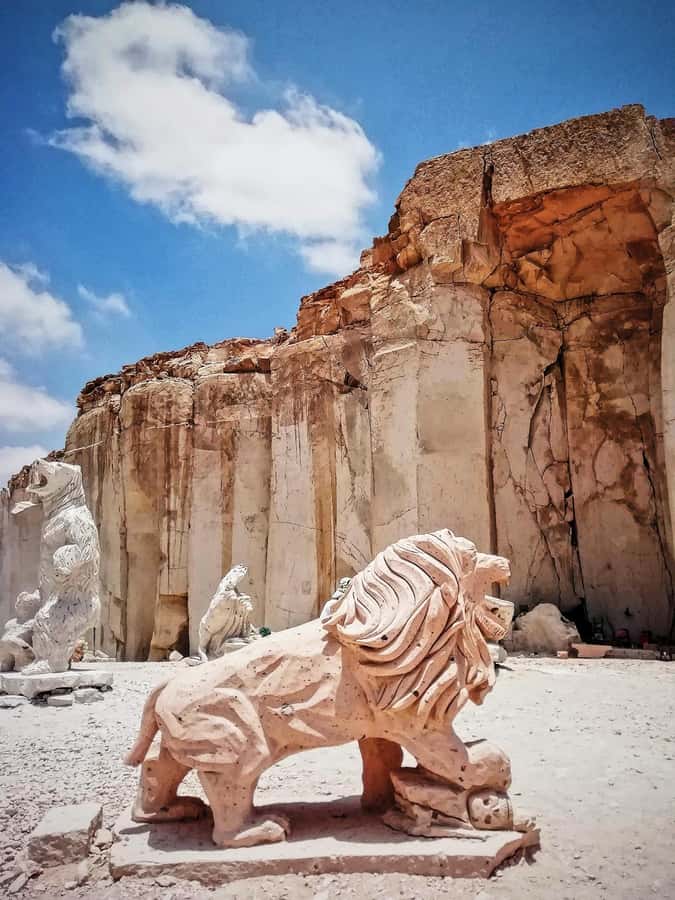
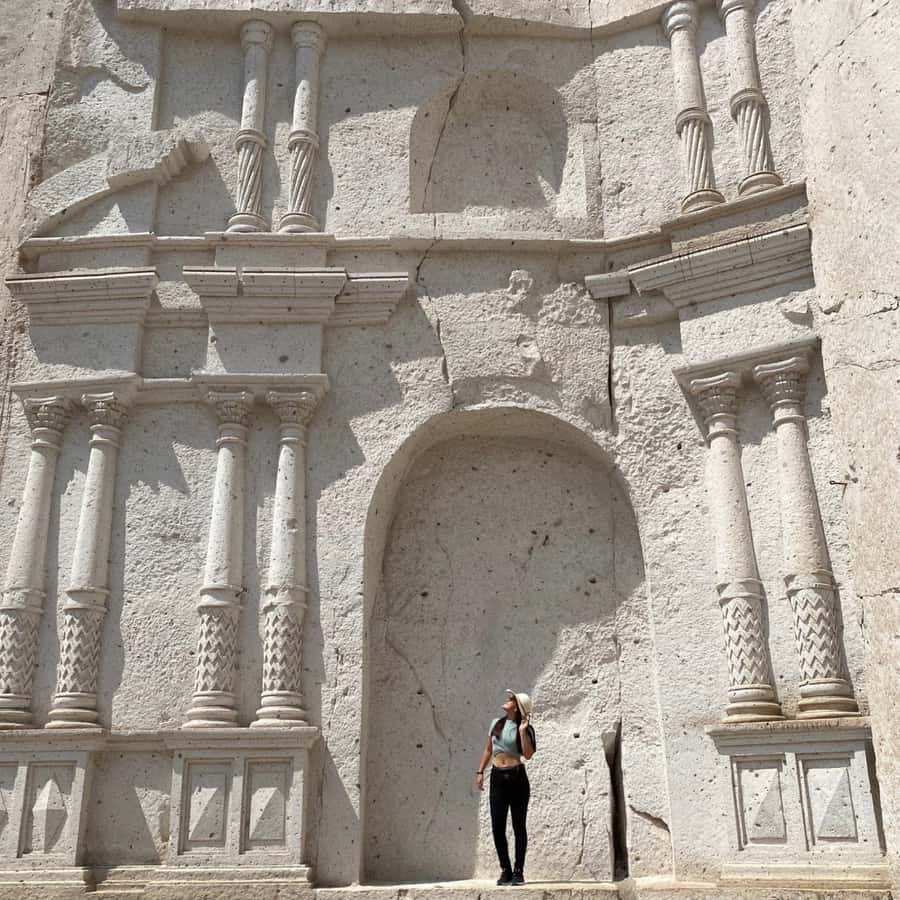
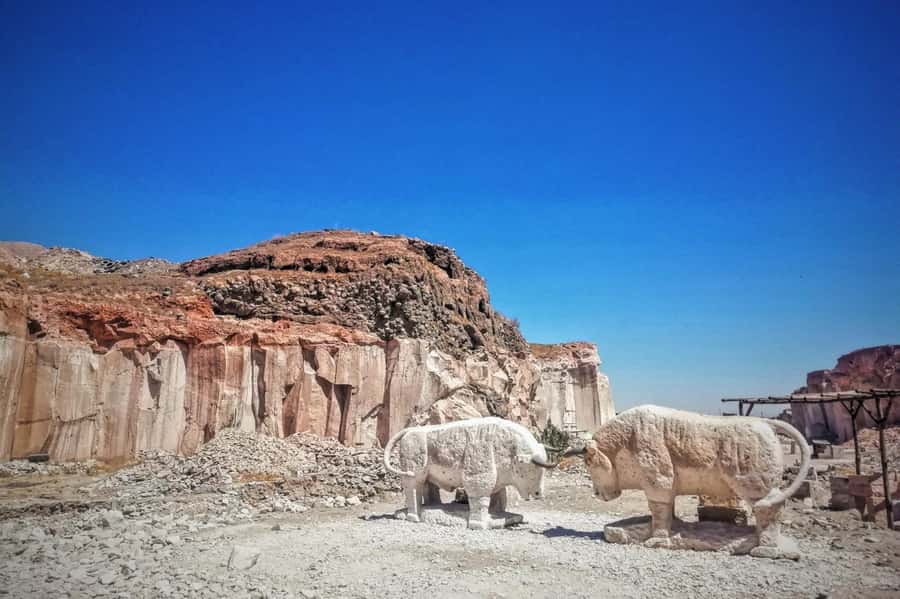
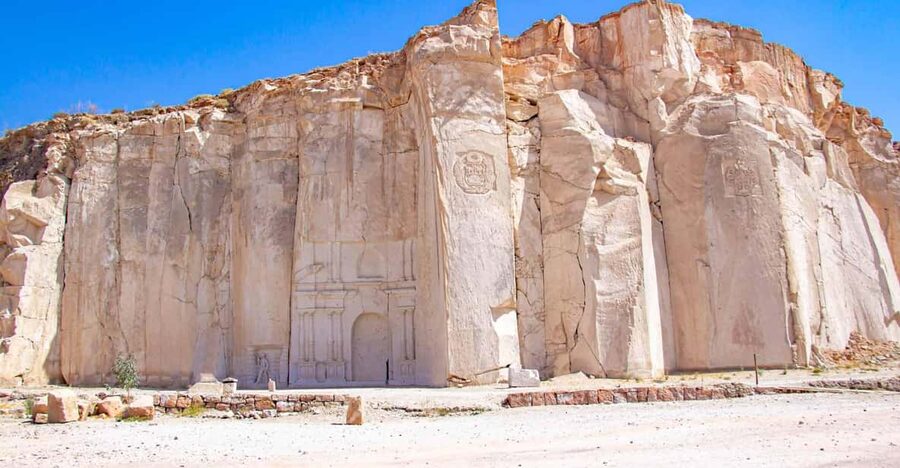
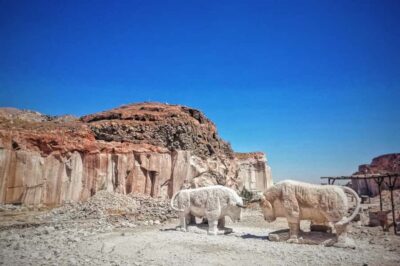
This is the core stop for many people, and I understand why. At Añashuayco Quarry, you watch artisans work sillar and learn about the carving process. It is one of those rare moments where the explanation is tied to what you can literally see happening right in front of you.
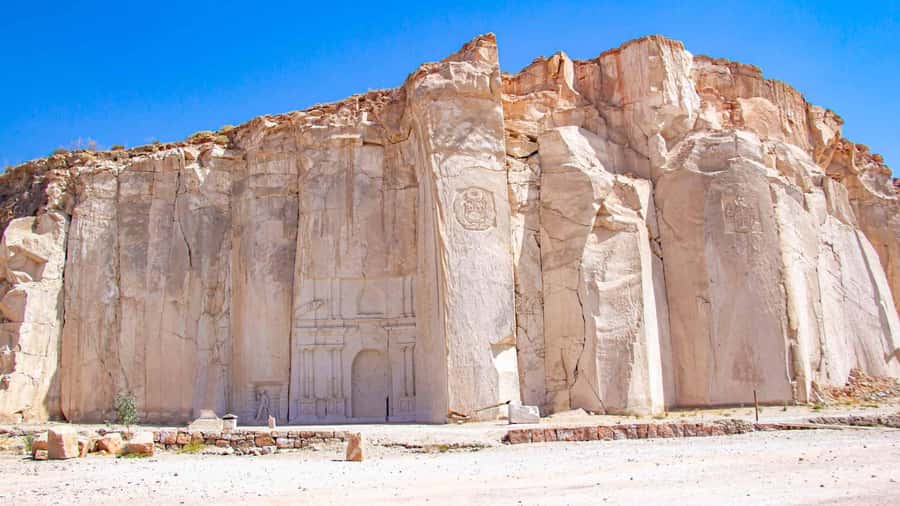
You also get the visual proof of how quarrying changed the land. The cliffs and canyon features you see here were formed by ashlar extraction, so the quarry is not just a workshop, it is a sculpted landscape created by stone work. That connection is part of what makes the stop more than a photo stop.
One detail I find especially meaningful is the cultural recognition tied to this craft. The tour highlights that the sillar-related work has been recognized as Intangible Cultural Heritage of the Nation. Translation for your travel brain: this is not a random roadside attraction. It is a living craft tradition, with skills people still practice.
What to watch for during your visit:
- How artisans position their hands and tools during carving.
- The texture and cut marks on the stone pieces.
- How the quarry area shows the scale of extraction and the resulting cliff forms.
If you are the type who loves seeing the “before” and “after” of an object, this quarry stop will click. You will likely leave thinking differently about any pale stone façades you pass later.
Quebrada de Culebrillas Canyon Walk and the 20-Meter Walls
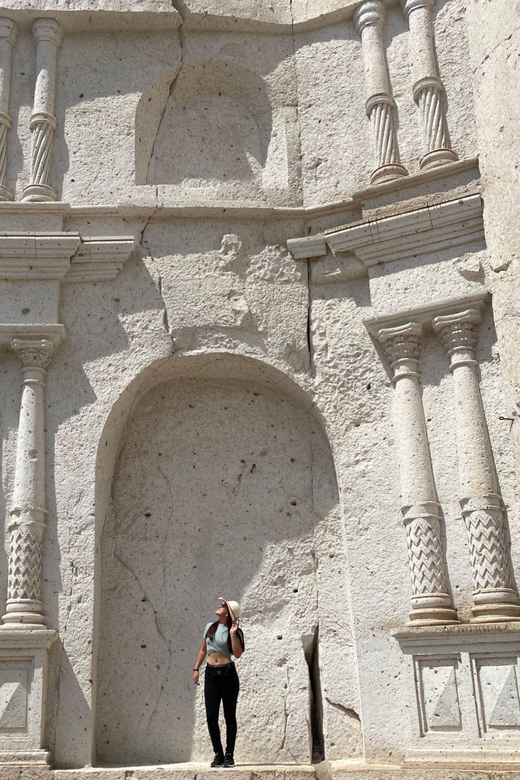
After the quarry, the drive takes about 30 minutes to Quebrada de Culebrillas. Then the tour shifts from stonework to walking through the geology. Here, you are looking at canyon walls that reach up to about 20 meters high, which makes the scale obvious fast.
You get a walk of around 20 minutes through the canyon interior. This is not a long hike, but it is enough time to feel the air, the shadows, and the way the canyon walls shape your view. It also sets up the last moment of the tour, when you look for carved figures.
Comfort matters in canyon interiors. The walls can mean cooler spots and shaded sections, but they can also mean insects depending on season and timing. One review note I take seriously: the tour might not automatically emphasize bug protection. So I would treat this as your cue to bring insect repellent and use it even if you think you will not need it.
For pacing, expect the guide to point out key spots while keeping you on schedule. You will not get a full hour of roaming, so if you want extra time to look around, ask early and politely, before everyone is already moving to the next point.

Petroglyphs in the Canyon: Mysterious Figures You Cannot Decode
The final stop is for the petroglyphs, the carved figures in the stone. The tour frames them as mysterious because their meaning has not yet been deciphered. That matters, because it changes how you look at them. You are not trying to solve a puzzle the guide provides. You are learning how to notice, compare, and respect that some things are still unknown.
This is also where timing and attention pay off. Petroglyphs can be easy to miss if you are rushing, so slow down for a few minutes. Look for outlines, repeated patterns, and the way the carving sits within the rock surface. If you have the chance, ask your guide what details to focus on while you are standing there, not after you have walked away.
Photo tip: avoid relying only on your phone camera. Use your eyes first, then take a couple of photos once you see what you want to remember. Light angles inside canyon spaces can be tricky.
And because the meaning is undeciphered, do not expect a neat explanation. The value here is in the experience of encountering marks left behind and letting them stay mysterious.
Price and Entrance Fees: Is It Worth $25?
The listed price is $25 per person, and you will also need to budget for entrance fees that are not included. According to the tour cost breakdown, entrance fees are:
- $5 per person for the Sillar Route entrance
- $5 per person for the Culebrillas Canyon entrance
So in practical terms, many visitors should plan around $35 total per person once you add known entrance fees. That is still good value for a half-day guided experience that includes multiple sites, transport by bus or minibus, and pick-up from your accommodation.
Where this tour earns its money:
- You are paying for guided interpretation of sillar stone and why Arequipa earns the White City label.
- You get access to quarry and canyon areas that are more interesting with context.
- You are not spending your whole day coordinating transport on your own.
Where it might feel less like a bargain:
- If you hate guided pacing, the tour structure can feel tight.
- If you end up needing extra time for independent exploration, you will have to make those choices with the schedule in mind.
My advice: treat this tour as an efficient introduction. If you want a deep dive at one site, use this as your first pass, then return on your own when you have more time.
Communication Matters: Bilingual Guides and Hearing Clarity
The tour includes a bilingual guide in English and Spanish, and that is a big plus because it reduces friction when you are not fully fluent. In one positive experience, clear English explanations made the sites click. That kind of clarity is not a small detail. It changes how much you take in at every stop.
Now, the caution. I have also seen a concern where a guide was very hard to hear even after asking for more volume. This is not your fault, and it is not rare in group settings where sound carries poorly.
Here is what you can do:
- Stand where you can hear. If you are near the back, move forward during explanations.
- If you cannot hear, ask for the guide to repeat the key point. Do it early, not after the group is already walking.
- If you travel in a smaller group, you might have an easier time getting attention during the quarry and petroglyph stop.
This tour can be excellent, but you will only get the full value if you can follow the guide well.
What to Bring for a Comfortable Half-Day in Arequipa
The tour info gives you a clear packing list. Bring:
- Passport or ID card
- Biodegradable sunscreen
- Personal medication
- Pen
The sunscreen part is practical even if the day feels cool, because you will still be outside at viewpoints. The pen is a surprising item, but it is on the official list, so I would pack one small pen in your day bag.
And based on the canyon insect concern mentioned in a review, I strongly recommend you add:
- Insect repellent, just in case
- Water, if your provider does not mention it (the tour duration is short, but you will appreciate a sip during transitions)
Also, bring a light layer. Canyons and shaded interiors can feel cooler than open air.
Who This Half-Day Sillar Route Tour Fits Best
This is a strong match for you if you want:
- A guided introduction to Arequipa’s sillar story without spending the whole day traveling.
- Clear explanations tied to what you see at Añashuayco Quarry and inside Culebrillas Canyon.
- A short, structured plan that returns you to Arequipa by early afternoon.
It might be less ideal if you:
- Hate structured pacing and want long unplanned time at each site.
- Are very sensitive to missing bug protection guidance and do not like bringing your own solution.
If you are traveling solo, with friends, or as a couple, the format is straightforward. It is also a good add-on day if you are doing longer tours elsewhere and want one focused half-day closer to Arequipa.
Should You Book This Sillar Route Half-Day Tour?
Yes, if you want a practical, efficient way to understand why Arequipa is the White City and how sillar carving shaped the region. The itinerary hits the right mix: volcano context, real quarry work at Añashuayco, a short canyon walk at Quebrada de Culebrillas, and petroglyphs that keep their mystery intact.
Book it with two expectations set correctly. First, it is not a long independent exploration day. Second, communication quality can make or break the experience, so position yourself to hear and ask for clarification immediately if needed.
If that sounds like your style, you will get strong value out of your half-day, and you will look at Arequipa’s stone buildings with new eyes afterward.
FAQ
How long is the Sillar Route tour from Arequipa?
The tour runs for about 5 hours.
What time does the tour pick me up and when does it end?
Pickup starts at 8:50 a.m. and you return to Arequipa around 1:00 p.m.
What is included in the price?
The tour includes hotel pick-up, transport by bus or minibus, and a bilingual guide in English and Spanish.
What entrance fees are not included?
You pay entrance fees separately: $5 per person for the Sillar Route entrance and $5 per person for the Culebrillas Canyon entrance.
What languages will the guide speak?
The guide is bilingual in English and Spanish.
What should I bring?
Bring a passport or ID card, biodegradable sunscreen, personal medication, and a pen.
Can I cancel and get a refund?
Yes. You can cancel up to 24 hours in advance for a full refund.
More Tours in Arequipa
- From Arequipa: Colca Canyon Full-Day Guided Tour with Meals
★ 4.5 · 982 reviews - Tour to the Salinas Lagoon and National Reserve in Arequipa
★ 4.5 · 548 reviews - From Arequipa: 2-Day Colca Canyon Trekking Tour
★ 4.8 · 243 reviews - Walking tour in the Historic Center of Arequipa
★ 4.4 · 180 reviews - From Arequipa: Full Day Tour of Colca Canyon with Meals
★ 4.4 · 146 reviews
More Tour Reviews in Arequipa
- From Arequipa: Colca Canyon Full-Day Guided Tour with Meals
★ 4.5 · 982 reviews - Tour to the Salinas Lagoon and National Reserve in Arequipa
★ 4.5 · 548 reviews - From Arequipa: Sillar Route Trek
★ 4.2 · 461 reviews - Arequipa: Chili River White Water Rafting with Hotel Pickup
★ 4.8 · 329 reviews - From Arequipa: 2-Day Colca Canyon Trekking Tour
★ 4.8 · 243 reviews
Arequipa Under El Misti
- From Arequipa: Colca Canyon Full-Day Guided Tour with Meals
★ 4.5 · 982 reviews - Tour to the Salinas Lagoon and National Reserve in Arequipa
★ 4.5 · 548 reviews - From Arequipa: Sillar Route Trek
★ 4.2 · 461 reviews - Arequipa: Chili River White Water Rafting with Hotel Pickup
★ 4.8 · 329 reviews - From Arequipa: 2-Day Colca Canyon Trekking Tour
★ 4.8 · 243 reviews
Freshly reviewed across Arequipa
- Excursion Salinas Lagoon and National★ 5.0 · 3 reviews
- From Arequipa: Full Day Colca Canyon Tour★ 4.5 · 3 reviews
- Arequipa: Colca Canyon Trekking 2 days and 1 night + food★ 4.8 · 3 reviews
- Walking tour through the Historic Center of Arequipa★ 4.0 · 3 reviews
- Arequipa: Catarata de Pillones and Bosque de Piedras Tour★ 4.3 · 3 reviews
- Cooking Class Typical Food in Arequipa★ 3.9 · 3 reviews
Arequipa City Tours side by side.
 ★ 4.5From Arequipa: Colca Canyon Full-Day Guided Tour with MealsFrom $42982 reviews
 ★ 4.5Tour to the Salinas Lagoon and National Reserve in ArequipaFrom $27548 reviews
 ★ 4.2From Arequipa: Sillar Route TrekFrom $12461 reviews
 ★ 4.8Arequipa: Chili River White Water Rafting with Hotel PickupFrom $20329 reviews
 ★ 4.62-Day Tour Colca Canyon in Arequipa with end in PunoFrom $78248 reviews
 ★ 4.8From Arequipa: 2-Day Colca Canyon Trekking TourFrom $30243 reviews
 ★ 4.4Walking tour in the Historic Center of ArequipaFrom $10180 reviews
 ★ 4.4From Arequipa: Full Day Tour of Colca Canyon with MealsFrom $27146 reviews
Also on these Peru lists