
REVIEW · CHAN CHAN
Trujillo: El Brujo Complex Archaeological Tour with Tickets
A mummy with tattoos, plus walls with color. This El Brujo Complex tour pairs Huaca Cao Viejo (46 meters tall) with a guided look at the Lady of Cao in the Museum of Cao, and you also get clear, professional explanations. I also like that the guide handles the drive carefully, which matters on the coastal roads up to the Chicama Valley. One possible drawback: at $109 per person, it is not a cheap half-day, and you spend a big chunk of time in the van.
Expect a tight 4-hour loop from Trujillo with roundtrip transport, a guided walk through the archaeological complex, then a museum stop and a short visit to Magdalena de Cao for chicha de jora. If you dislike sun and dust, plan on protecting yourself, because you are outdoors for parts of the visit and the complex sits in a warm area.
In This Review
- Key highlights you should know before you go
- First up: the drive from Trujillo to the Chicama Valley
- What can slow you down
- Huaca Cao Viejo: seeing the Mochica story on painted walls
- Why the geometric figures matter
- What you should watch for while walking
- The Museum of Cao and the Lady of Cao mummy
- Why the museum presentation is worth your time
- El Brujo Complex: Huaca Prieta and Huaca Cortada too
- The value of a guided route
- How the discoveries shaped what you see today
- Magdalena de Cao and chicha de jora: a small cultural payoff
- What to remember about drinks on this tour
- Price and time: is $109 good value?
- When it feels worth it
- When it might feel pricey
- What to bring for a comfortable El Brujo visit
- Quick gear checklist
- Who this tour suits best
- Should you book El Brujo with the Lady of Cao tickets?
- FAQ
- Where does the tour start?
- How long is the tour?
- Is transportation included?
- What do you actually visit during the guided portion?
- Are entry fees included?
- What language is the guide?
- Are meals included?
- Is there a stop besides the archaeological site and museum?
- What should I bring with me?
- Are there any dates when the complex is closed?
Key highlights you should know before you go
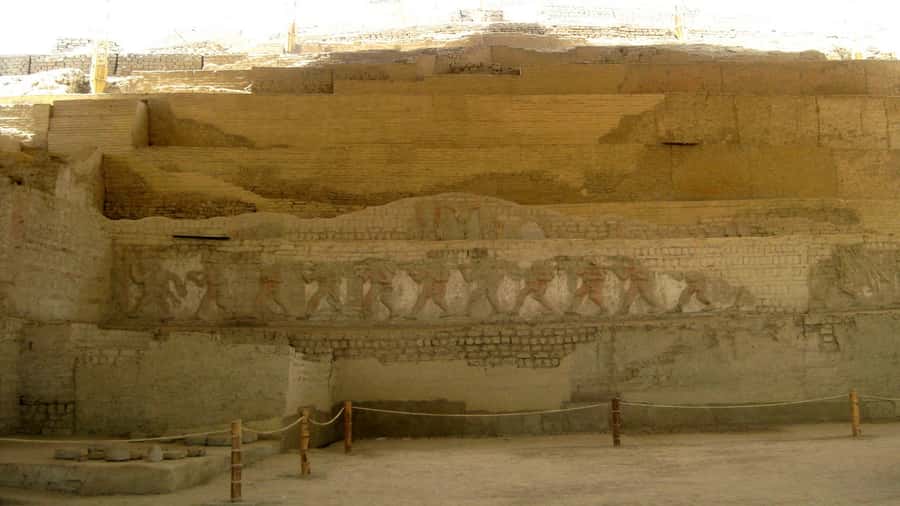
- Huaca Cao Viejo, 46 meters high with colorful friezes, reliefs, and scenes tied to Mochica culture
- The Museum of Cao and the preserved Lady of Cao mummy, about 1,700 years old
- A guided focus on meaning, not just photos, including geometric figures on the walls
- Three key monuments at El Brujo Archaeological Complex: Huaca Prieta, Huaca Cao Viejo, and Huaca Cortada
- Magdalena de Cao chicha stop where chicha de jora is linked to ancestral fermentation (about 1 year)
Chan Chan, Huanchaco and the Moche huacas
- Full Day Tour Huacas, Chan Chan & Huanchaco – Trujillo
★ 4.5 · 64 reviews - Pyramids of the Sun and the Moon, Huanchaco and Chan Chan
★ 4.1 · 9 reviews - Trujillo Shore Excursion from Salaverry Port
★ 5.0 · 9 reviews - From Trujillo: Temple of the Moon and Sun and Chan Chan
★ 3.3 · 5 reviews
First up: the drive from Trujillo to the Chicama Valley
This tour keeps things simple for you. You get picked up in Trujillo and ride north about 33 kilometers to the Chicama Valley, where El Brujo sits. The total van time is roughly 80 minutes each way, so your day is planned around that rhythm.
I like that the schedule is realistic. A 4-hour experience means you are not stuck doing long, uncertain logistics. You also get a guide to read the landscape and the ruins for you, which helps the site feel connected instead of like separate monuments you are guessing about.
What can slow you down
The main time factor is the road. Even when the drive is handled well, you still need to accept that you are spending a lot of your half-day in transit. If you are sensitive to motion or want a more relaxed pace, keep that in mind before you book.
Huaca Cao Viejo: seeing the Mochica story on painted walls
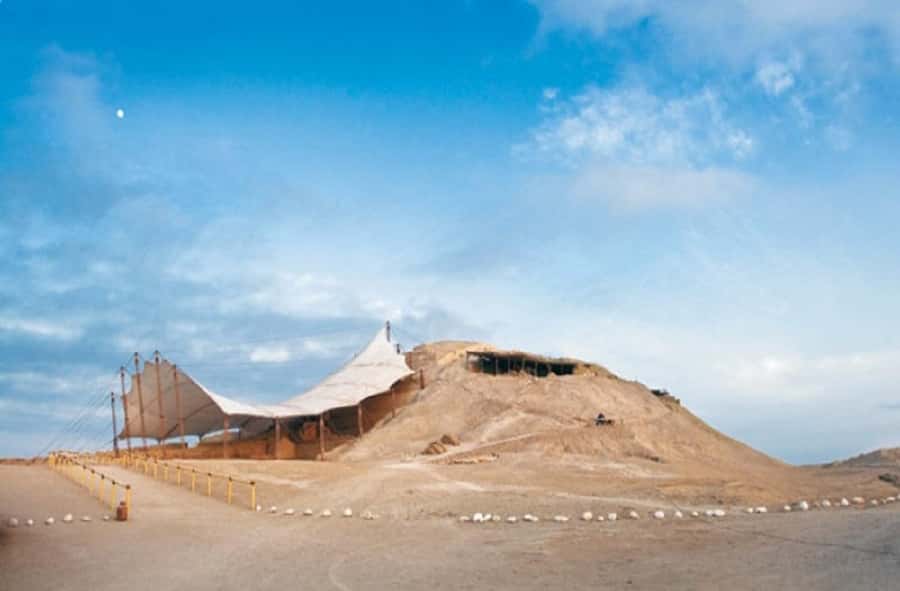
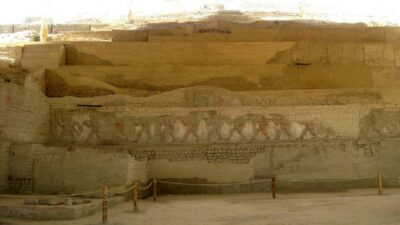
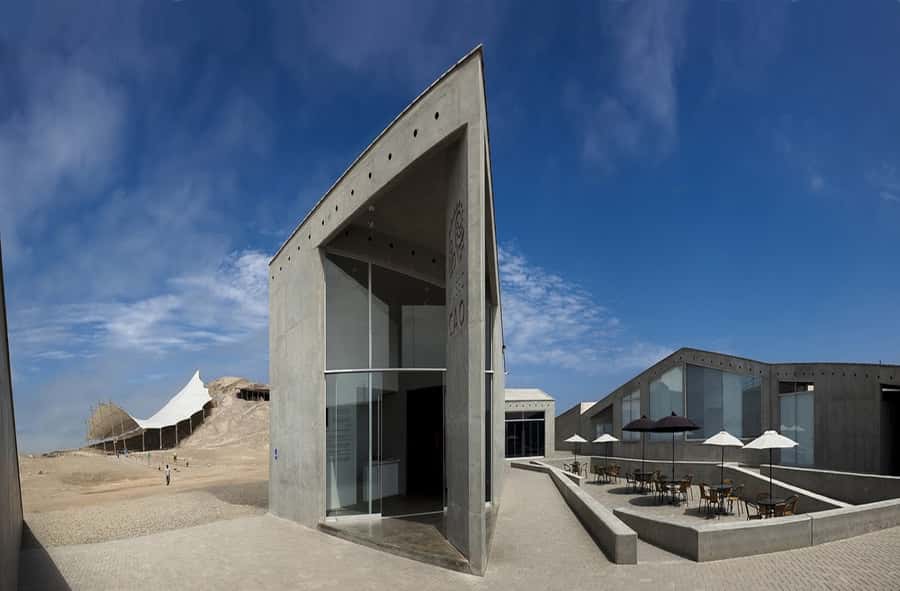
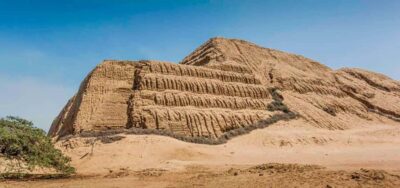
Your biggest archaeological moment is the walk around Huaca Cao Viejo. This pyramid rises to about 46 meters and is one of the most striking structures at the El Brujo Archaeological Complex. You are not just standing in front of a wall, you are learning how the images and layouts were read in their time.
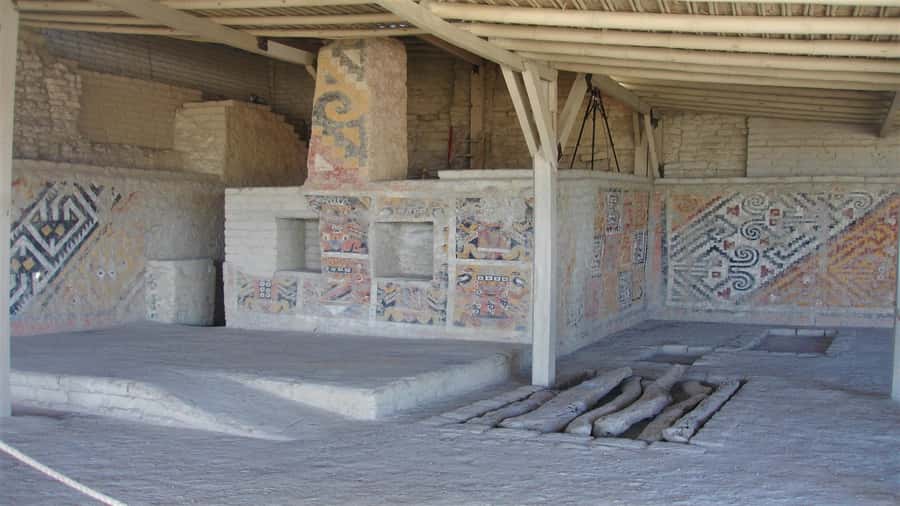
The key thing here is the artwork. The site has friezes and reliefs in color that show complex scenes, plus geometric figures inscribed on the walls. When a guide points out how those patterns connect to what the Mochica were doing, the pyramids start to feel like communication, not just stone.
Why the geometric figures matter
Geometric designs can seem repetitive if you are looking only for dramatic scenes. But with the right guidance, you start noticing how order and pattern work as part of the visual language. That makes the site more satisfying for you, especially if you like art history, symbols, and how cultures encode ideas.
What you should watch for while walking
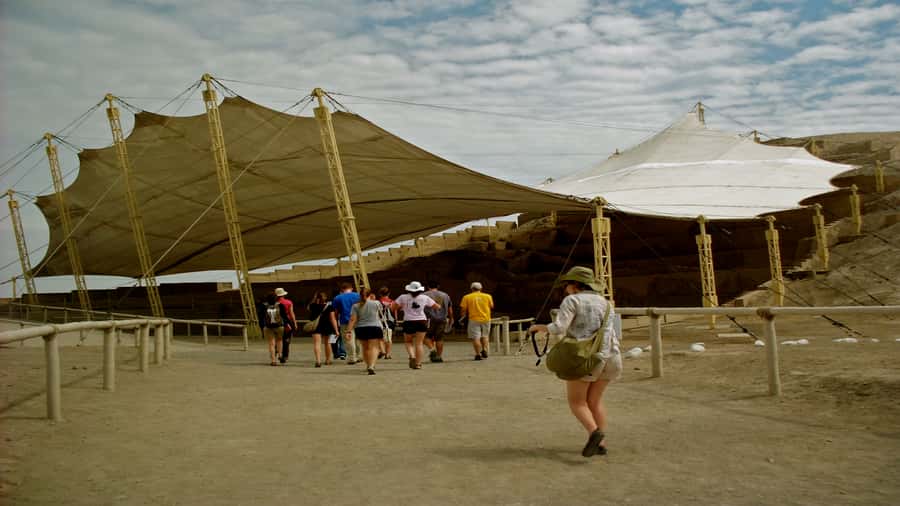
Comfort matters. You will want comfortable clothes and sun protection because you are moving outdoors. The pyramid itself is walkable, but you should expect uneven steps and surfaces typical of archaeological sites, so wear footwear that feels stable.
The Museum of Cao and the Lady of Cao mummy
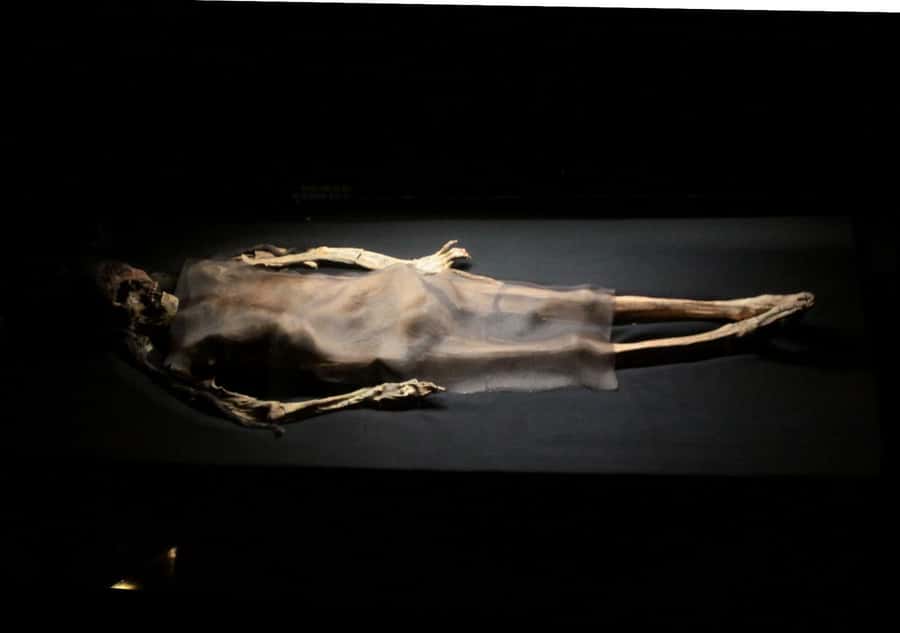
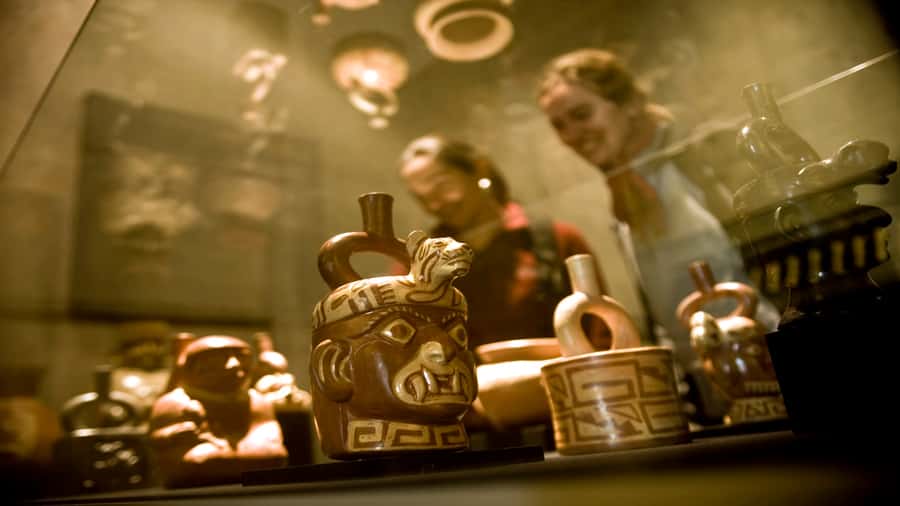
The museum visit is the emotional anchor of this tour. Inside, you get to see the preserved mummy known as the Lady of Cao, an important figure from about the 4th century. The complex is linked to a major discovery that began in 1990, and the tomb is described as belonging to a pre-Columbia woman and leader.
The mummy is described as tattooed, and it is estimated at around 1,700 years old. The preservation is tied to an ancestral ritual, which is exactly the kind of detail a guided explanation helps you understand.
Why the museum presentation is worth your time
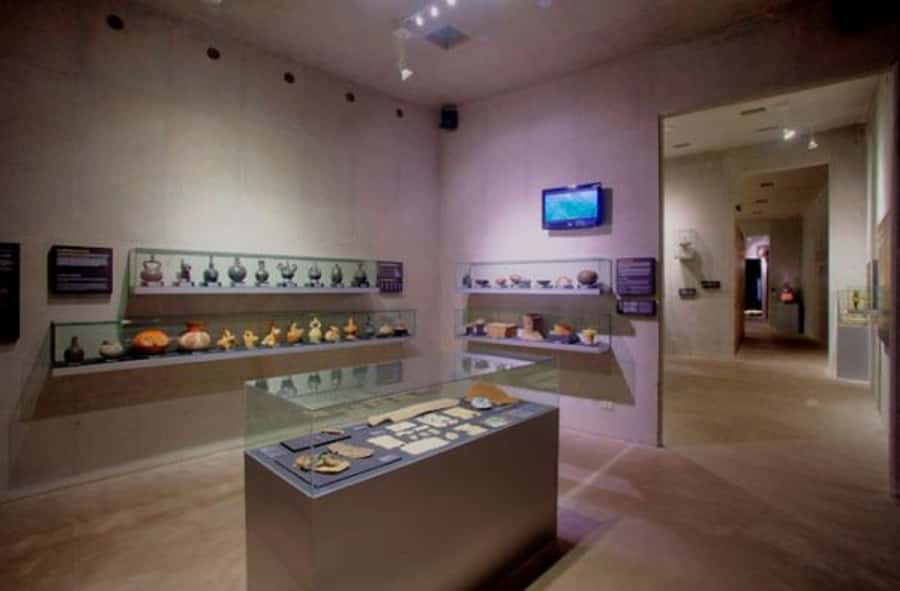
A museum can be either informative or just a place to look quietly at objects. Here, the focus is on interpretation. You get context for what you are seeing and how it fits with the wider Mochica culture. If you enjoy learning the why behind discoveries, you will probably appreciate this stop as much as the pyramids.
Practical note: the museum portion is shorter than the outdoor site. You are given about 30 minutes for the guided museum visit, so if you are the type who likes to read every caption, you may need to prioritize a few areas.
El Brujo Complex: Huaca Prieta and Huaca Cortada too
El Brujo is not just Huaca Cao Viejo. The archaeological complex includes three main monuments: Huaca Prieta, Huaca Cao Viejo, and Huaca Cortada. The tour concentrates your time so you still leave with a clear picture of the place as a whole, rather than bouncing around randomly.
Huaca Prieta and Huaca Cortada add context. You start to see El Brujo as a site with multiple structures and purposes, not a single dramatic pyramid. When your guide ties them back to the broader cultural story, you get more satisfaction from your photos and your memories.
The value of a guided route
Even if you love archaeology, a self-guided visit can leave you stuck in guesswork. A guide gives you the chain of meaning: what was found, why it mattered, and how the different monument areas fit the discovery. That makes the 4-hour format feel efficient rather than rushed.
How the discoveries shaped what you see today
One of the reasons this complex feels so relevant is the modern excavation story. Excavations began in 1990, and the discovery included a tomb tied to the Lady of Cao. The Wiese Foundation has been involved along with National Geographic to help bring the discovery to wider attention.
Why does that matter for you as a visitor? Because it changes how you approach the site. You are not just viewing ruins left behind. You are seeing a place that has been studied, documented, and carefully interpreted, which is why the museum displays can explain what the murals and reliefs were doing.
If you like understanding the journey from discovery to interpretation, this part adds value.
Magdalena de Cao and chicha de jora: a small cultural payoff
After the main archaeology stops, you go to Magdalena de Cao, about 5 kilometers from the complex. This is a quick break from the ruins, and it also gives you a taste of local tradition.
You get to try chicha de jora, a traditional drink. The fermentation process is described as lasting about 1 year using ancestral methods. Even if your pour is just one serving, the point is that you are connecting the cultural time scale, ancient to present, through a living food tradition.
What to remember about drinks on this tour
Food and drinks are not included, so you should treat the chicha stop as a tasting moment tied to the route rather than a full meal. If you think you will get hungry, plan to eat before you go or bring snacks where permitted by the tour operator, since the itinerary does not mention a full food stop.
Price and time: is $109 good value?
At $109 per person, this is priced as a guided, transport-included archaeological experience, not a budget museum stroll. The math is easier when you break it down:
- You get hotel pickup in Trujillo
- A live guide handles the explanation in English or Spanish
- Entry fees are included
- You also have roundtrip van time (about 80 minutes each way)
So you are paying for the full package, including the hard part: getting out to a site that is not right in the city center.
When it feels worth it
It tends to feel worth it if you care about interpretation. If you are the type who likes a guide to connect murals, geometry, and the discovery story, you will likely get your money’s worth in understanding. The Lady of Cao museum visit also benefits from explanation, since the impact is heightened when you know what you are looking at.
When it might feel pricey
If you mainly want wandering time and self-paced photos, the guide time and the short museum window may feel limiting. Also, the van ride is long for a half-day, so if you dislike transit, factor that into your decision.
What to bring for a comfortable El Brujo visit
You will be outdoors in the Chicama Valley region, so pack for sun and basic comfort. The essentials from the tour info:
- Passport (for the day)
- Sunglasses and sunscreen
- Hat
- Comfortable clothes
- Cash
I also suggest you carry water if you can, since drinks are not included. If you do buy water at stops, having cash makes things easier.
Quick gear checklist
- Sunscreen + hat (do not skip)
- Comfortable shoes you can trust on uneven surfaces
- A light layer in case the morning or late afternoon feels cooler in the van
Who this tour suits best
This is a good fit if you want an archaeology day with clear structure. You will probably enjoy it most if you:
- Like guided art and symbols, especially Mochica visuals and geometric patterns
- Want to see the Lady of Cao display without feeling lost
- Prefer organized transport from Trujillo rather than figuring out logistics yourself
- Are okay with a short museum window and a longer drive
It may be less ideal if you want a long, slow archaeological hike, or if you strongly prefer food included in the price.
Should you book El Brujo with the Lady of Cao tickets?
Yes, if you want the most meaningful way to see El Brujo in a half-day. The combination is the selling point: Huaca Cao Viejo’s colorful reliefs and scenes, plus the Museum of Cao where the preserved Lady of Cao becomes the human story behind the ruins. Add a guided route and roundtrip pickup, and the $109 price starts to make sense.
If you are only looking for a quick photo stop, or if long van time will annoy you, then consider whether another format would suit you better.
If you book, go in with one goal: let the guide connect what you see on the walls to what you learn in the museum. That is where the tour turns from sightseeing into real understanding.
FAQ
Where does the tour start?
The tour pickup is from Trujillo.
How long is the tour?
The total duration is about 4 hours.
Is transportation included?
Yes. The tour includes roundtrip transportation by van.
What do you actually visit during the guided portion?
You visit the El Brujo Archaeological Complex with a guided tour, then you visit the Museum of Cao with a guided tour.
Are entry fees included?
Yes. Entry fees are included in the tour price.
What language is the guide?
The live tour guide offers Spanish and English.
Are meals included?
No. Food and drinks are not included.
Is there a stop besides the archaeological site and museum?
Yes. There is a stop at the small town of Magdalena de Cao, where you taste chicha de jora.
What should I bring with me?
Bring your passport, sunglasses, sunscreen, comfortable clothes, a hat, and cash.
Are there any dates when the complex is closed?
Yes. The archaeological complex closes on December 25 and January 1.
More Tours in Trujillo
- Full Day Tour Huacas, Chan Chan & Huanchaco – Trujillo
★ 4.5 · 64 reviews - Trujillo Shore Excursion from Salaverry Port
★ 5.0 · 9 reviews - Shore Excursion from Salaverry port
★ 4.5 · 8 reviews - From Trujillo: Complete full day tour with museums
★ 5.0 · 5 reviews
More Tour Reviews in Trujillo
- Full Day Tour Huacas, Chan Chan & Huanchaco – Trujillo
★ 4.5 · 64 reviews - Pyramids of the Sun and the Moon, Huanchaco and Chan Chan
★ 4.1 · 9 reviews - Trujillo Shore Excursion from Salaverry Port
★ 5.0 · 9 reviews - Shore Excursion from Salaverry port
★ 4.5 · 8 reviews - From Trujillo: Complete full day tour with museums
★ 5.0 · 5 reviews
Adobe Cities of the North
- Full Day Tour Huacas, Chan Chan & Huanchaco – Trujillo
★ 4.5 · 64 reviews - Pyramids of the Sun and the Moon, Huanchaco and Chan Chan
★ 4.1 · 9 reviews - Trujillo Shore Excursion from Salaverry Port
★ 5.0 · 9 reviews - Shore Excursion from Salaverry port
★ 4.5 · 8 reviews - From Trujillo: Temple of the Moon and Sun and Chan Chan
★ 3.3 · 5 reviews
Freshly reviewed across Trujillo
- Trujillo: El Brujo Complex Archaeological Tour with Tickets★ 4.6 · 3 reviews
- From Trujillo: Temple of the Moon and Sun and Chan Chan★ 3.3 · 5 reviews
- Shore Excursion from Salaverry port★ 4.5 · 8 reviews
- Pyramids of the Sun and the Moon, Huanchaco and Chan Chan★ 4.1 · 9 reviews
- Trujillo Shore Excursion from Salaverry Port★ 5.0 · 9 reviews
- Full Day Tour Huacas, Chan Chan & Huanchaco – Trujillo★ 4.5 · 64 reviews
Chan Chan and Northern Ruins side by side.
 ★ 4.5Lima Bike Tour Miraflores – Barranco + Huaca Pucllana!From $30137 reviews
 ★ 4.5Full Day Tour Huacas, Chan Chan & Huanchaco – TrujilloFrom $2764 reviews
 ★ 4.9Lima: Huaca Ruins and Larco Museum at Night with DinnerFrom $10035 reviews
 ★ 4.8Lima city tour: Larco Museum and Huaca PucllanaFrom $6533 reviews
 ★ 4.3Tour Huaca Pucllana: Pyramids and Pre-Columbian AntiquityFrom $6612 reviews
 ★ 4.8Chachapoyas | Kuelap Fortress Full-Day TourFrom $5912 reviews
 ★ 4.8Pyramids of the Sun and the Moon, Huanchaco and Chan ChanFrom $5511 reviews
★ 4.1Pyramids of the Sun and the Moon, Huanchaco and Chan ChanFrom $659 reviews
★ 4.8Pyramids of the Sun and the Moon, Huanchaco and Chan ChanFrom $5511 reviews
★ 4.1Pyramids of the Sun and the Moon, Huanchaco and Chan ChanFrom $659 reviews
Also on these Peru lists