
REVIEW · AREQUIPA CITY
4-hour excursion: Sillar Route with Hiking in Culebrillas
Two canyons and real sillar work in Arequipa. I love the hands-on feel you get at Añashuayco Quarry, where the stone is still being worked early in the day, and I also like the pay-off of the Culebrillas Canyon walk, ending with petroglyphs from the Wari culture. You are mixing viewpoints over the volcanoes and Chilina Valley with culture you can actually see and touch.
One consideration: this is not a long, strenuous hike. The walking portion is brief, and some parts can feel more like a sightseeing circuit where the group focuses on photos instead of learning. Also, the quality of the guide’s audio can make a difference, so if you prefer lots of spoken detail, come ready to ask questions directly.
In This Review
- Key highlights at a glance
- Why the Ruta del Sillar route feels different than a basic city tour
- Volcano and valley views that set the tone (and make photos easier)
- Añashuayco Quarry: the “still working” stone show
- What makes the quarry worth your time
- The Mega carving of the Church of the Company of Jesus
- Hands-on option: watching and trying
- From quarry to canyon: a short transfer, then real canyon time
- What the canyon walk looks like
- Photo value, learning value, and how to get both
- Mirador moments are brief, but they help you understand what you see
- Apachetas: the small stop that adds feeling to the scenery
- Price and logistics: is $20 good value here?
- Why this pricing can work
- The trade-off
- What to watch for based on real-world review patterns
- Expect variable guide delivery
- Don’t expect long hiking
- Sillar can feel touristy
- One serious red flag you should respect
- Who this tour is best for
- Should you book the Sillar Route with Culebrillas hiking?
- FAQ
- What time does the tour start?
- How long is the excursion?
- What is included in the $20 price?
- Are entrance tickets included?
- Where does the tour go?
- How long is the canyon walk at Culebrillas?
- What will I see at Añashuayco Quarry?
- Will I see petroglyphs?
- What languages are the guides?
Key highlights at a glance
- Working quarry access at Añashuayco with explanations of ashlar production in a spot still used by stonemasons
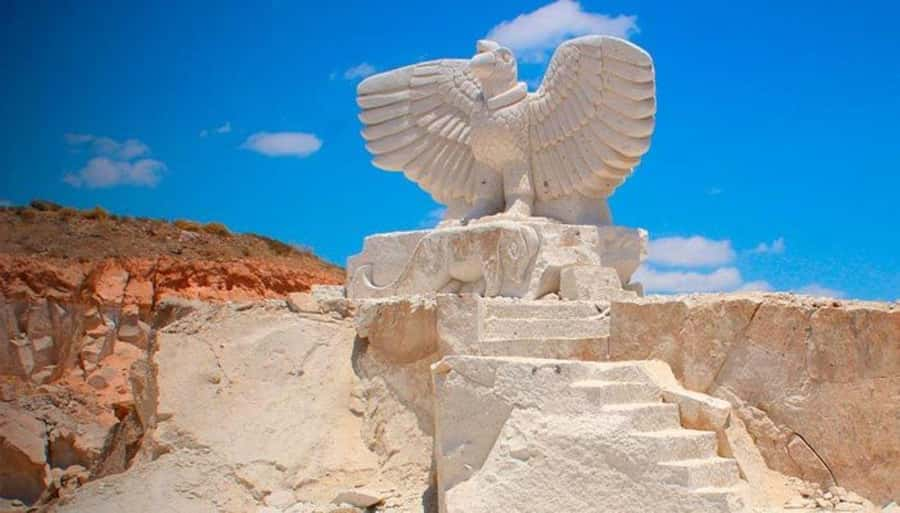
- Mega carving of the Church of the Company of Jesus made by local stonemasons
- Mirador de los Volcanes viewpoints plus chances to see the Chilina Valley
- Culebrillas Canyon walk through tight canyon walls (about 20 minutes)
- Wari petroglyphs visible at the end of the canyon walk
- Apachetas stone piles that are tied to gratitude and good luck
Santa Catalina, Yanahuara and more Arequipa
- From Arequipa: Colca Canyon Full-Day Guided Tour with Meals
★ 4.5 · 982 reviews - Tour to the Salinas Lagoon and National Reserve in Arequipa
★ 4.5 · 548 reviews - From Arequipa: Sillar Route Trek
★ 4.2 · 461 reviews - Arequipa: Chili River White Water Rafting with Hotel Pickup
★ 4.8 · 329 reviews
Why the Ruta del Sillar route feels different than a basic city tour
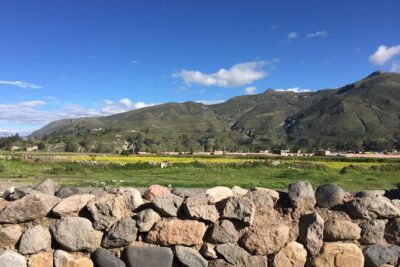
Arequipa has plenty of easy sightseeing, but the Ruta del Sillar excursion gives you a different angle on the region. You are not just looking at rocks. You are seeing where the ashlar comes from, with quarries and viewpoints that help you connect the geology to the way people built with that stone.
The tour starts at 09:15 am, and before you even get to the quarry, you make a stop at a strategic lookout. From here, you can see the volcanoes and the Chilina Valley. Depending on the time of year, you may also start with another traditional viewpoint that frames the volcanoes. That early shift matters because it sets the context for what you will see later, especially when you reach the quarry area with its tall ignimbrite walls.
Volcano and valley views that set the tone (and make photos easier)
This is the part that makes your day feel efficient. You get the broad view first, then the “up close” stops make more sense. The tour specifically calls out a viewing point from where you can observe the Mirador de los Volcanes, along with the Chilina Valley.
If you care about photos, this viewpoint stage helps you get your bearings fast. You can also use it to decide what you want to focus on later. Do you prefer the stonework side, like ashlar cutting and the quarry canyon? Or do you want the nature side, like the tighter canyon walk at Culebrillas?
One small caution: these stops are quick. You are there long enough to look, take pictures, and listen to an explanation, not enough to linger. If you like slow travel, keep your expectations for pacing realistic.
Añashuayco Quarry: the “still working” stone show
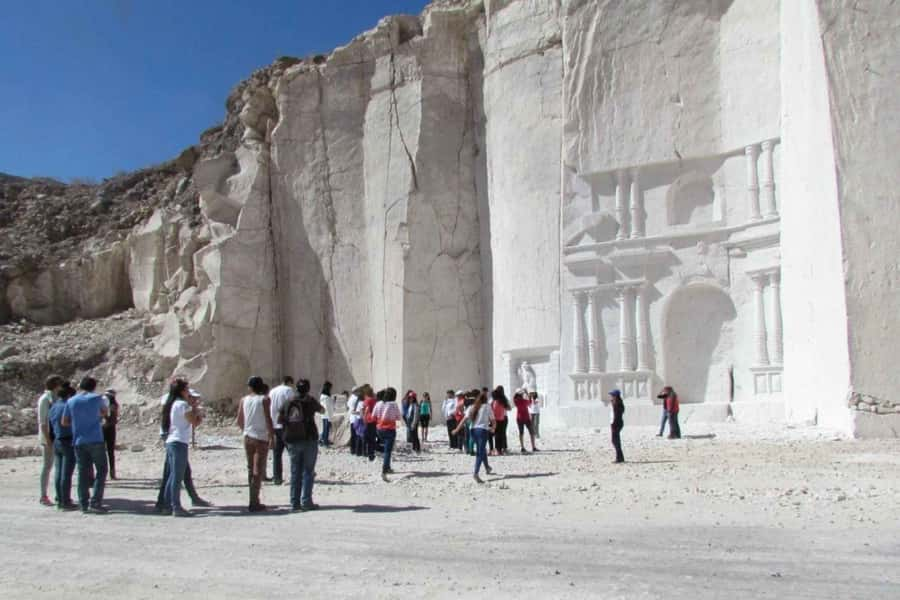
The main quarry stop is Añashuayco Quarry, and you reach it after about 45 minutes of travel from the start area. This part is impressive because it is not a museum setting. The quarry is described as currently in operation, with stonemasons doing their work very early.
What makes the quarry worth your time
You will look out at a dramatic canyon made by extraction for the formation of ashlar. The walls are described as ignimbrite walls that rise several meters high. In plain terms: you are seeing the raw result of cutting and carving on a scale that is hard to imagine from inside a city.
The tour also frames the reason this matters by explaining:
- the history of ashlar
- how it is produced
- and the use that has been given to it over time
Other Andean routes worth the acclimatisation
The Mega carving of the Church of the Company of Jesus
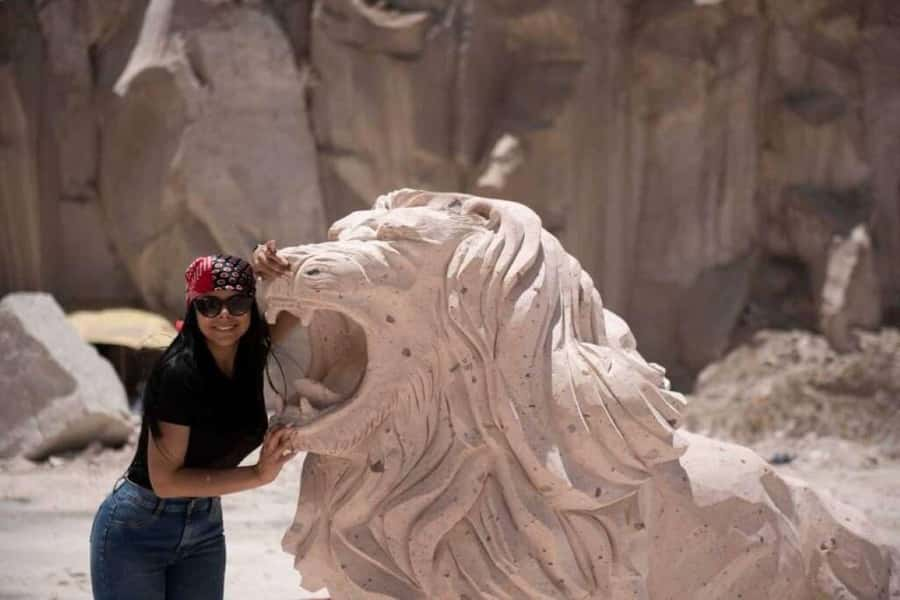
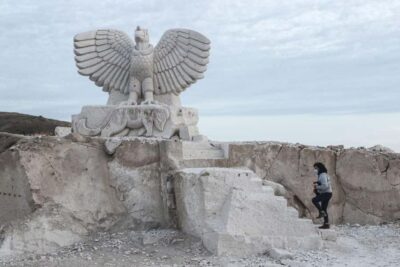
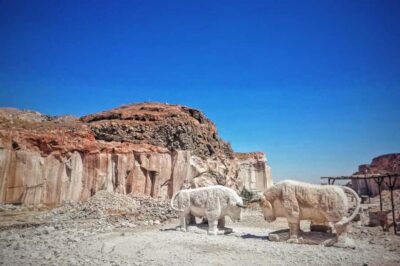
One of the standout visuals on this stop is the Megacavado, a large carving of the Church of the Company of Jesus made by the stonemasons themselves. If you like human-scale craftsmanship, this is the kind of detail that gives a sightseeing stop personality.
Hands-on option: watching and trying
You can visit a stonemason to see what daily work looks like. There is also the chance to experience cutting one of their stone blocks yourself. That matters for value. Even if you do not take home a souvenir, you leave with a better understanding of the effort behind the stone.
Practical note: quarries can be dusty and uneven. Wear shoes with decent grip and expect that the walkways may not be made for comfortable strolling.
From quarry to canyon: a short transfer, then real canyon time
After Añashuayco, you move to Quebrada de Culebrillas, which is about 30 minutes away. This is one of the best “rhythm” setups in a half-day itinerary: quarry for the stone story, then canyon for the nature story.
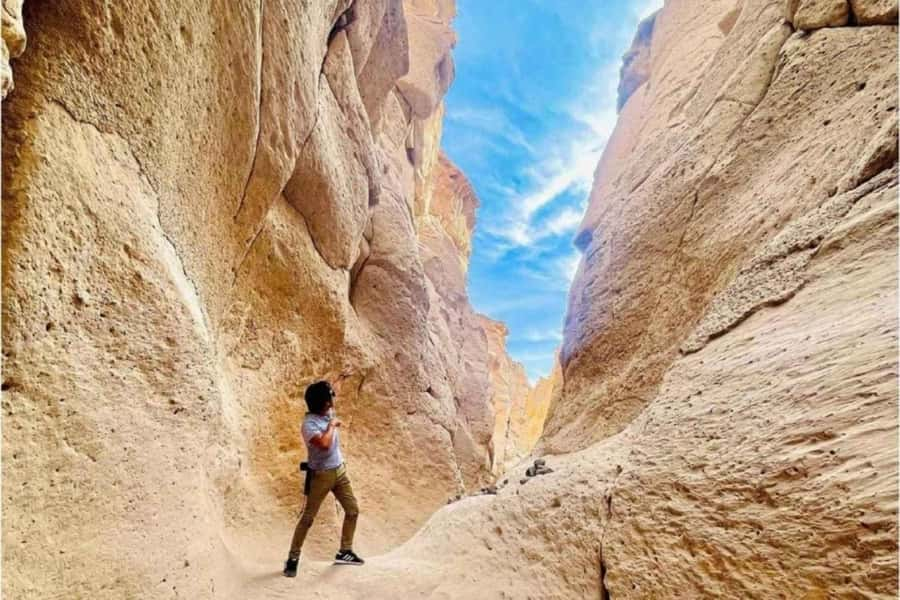
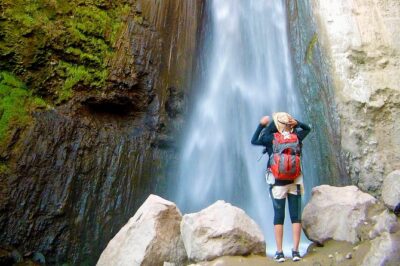
When you arrive, the walking portion is about 20 minutes. The route is through the interior of a small canyon formed by the passage of water.
What the canyon walk looks like
The tour describes canyon walls of roughly 15 to 20 meters, and as you go deeper, the walls increase in height. So even though the walk is short, it still feels like entering a space rather than just stepping onto a viewpoint deck.
At the end, you reach the highlight that brings history into the scenery: petroglyphs made by the Wari culture, more than a thousand years ago.
Photo value, learning value, and how to get both
This stop is naturally photo-friendly because the canyon walls and angles are dramatic. But if you want the learning side too, plan to ask questions during the walk, not just at stops. The canyon is where the Wari petroglyphs give the day depth, and it is easy to miss the meaning if you are only shooting pictures.
Also, bring a respectful mindset. Petroglyph sites are usually fragile, and staying focused on guidance keeps things smooth for the group.
Mirador moments are brief, but they help you understand what you see
Throughout the day, you keep cycling between viewpoints and physical stops. Early on, that viewpoint over the volcanoes and Chilina Valley gives you a big-picture frame. Later, you return to that “looking outward” approach when you observe features like Apachetas, which are stone formations placed one on top of the other.
Even if you are not a geology nerd, this rhythm works. It turns the day into a story: from mountains in the distance, to stone extraction, to water-carved canyon walls, and then to people marking meaning in the landscape.
Apachetas: the small stop that adds feeling to the scenery
Before heading back to the city, you observe Apachetas, described as stone formations built one on top of the other. They are presented as a symbol of gratitude towards nature and also associated with good luck.
The tour notes that this stop can create a mystical sensation. That word is not something you can measure, but you can feel the shift in mood. You go from big visual structures to a human tradition of small, stacked stones.
If you enjoy cultural details, this is one of the best “pause” moments on the tour, even though it is not a long stop.
Price and logistics: is $20 good value here?
The tour costs $20 per person for a 4-hour excursion. You get tourist transport plus a professional guide. That combination matters. You are covering multiple sites around Arequipa in a short window, and you are not driving yourself.
The one cost to plan for is entrance fees. Entrance ticket to the places is 10 soles, and that is not included.
Why this pricing can work
At this price point, you are paying for:
- guided movement between viewpoints and quarries
- a quarry visit where the stonemasons are actively working early
- a canyon walk with petroglyphs at the end
In other words, it is not only scenery. It is also access to the ashlar production story and a short interior canyon experience.
The trade-off
Because it is only about four hours total, the walk time is limited. If your main goal is hiking for hours, you may feel constrained. If your goal is a compact tour that mixes stonework, canyon views, and cultural stops, the cost is easier to justify.
What to watch for based on real-world review patterns
The overall rating is 4 out of 5 across 21 reviews, which suggests most people are satisfied with value and the sights. Still, there are a few patterns you should keep in mind.
Expect variable guide delivery
One review flagged that the guide seemed nervous, with a heavy accent that made it hard to understand parts of the narration through the microphone. That is not something you can predict perfectly, but it is a reminder: if you care about details, be ready to ask follow-up questions when you can.
Don’t expect long hiking
Another review specifically questioned calling this hiking or a route, since the walking felt limited and more like a sightseeing itinerary. Based on the itinerary timing, the Culebrillas walking portion is around 20 minutes, so you are getting a short canyon walk, not a trail day.
Sillar can feel touristy
One review felt the Sillar side was commercial or touristy compared with a more ancient or spiritual expectation. That is worth considering. If what you want is quiet immersion in the oldest feeling parts of the region, you might prefer spending more time on the canyon and cultural stops, and treating the quarry portion as an informative “how the stone is made” experience.
One serious red flag you should respect
There is also a very low rating claiming the tour did not happen. I cannot judge what happened in that case from the info alone, but it is enough to say this: confirm your booking details the day before, and have a backup plan if something feels off.
Who this tour is best for
This excursion is a strong match if:
- it is your first visit to Arequipa and you want a high-impact sampler day
- you like a mix of viewpoints and short walking
- you are curious about ashlar production and seeing active stonemasons
- you want a canyon walk that ends with Wari petroglyphs
It may be a weaker match if:
- you want a long hike with big elevation and hours of trail time
- you expect a deeply off-the-beaten-path, low-traffic experience across every stop
- you only enjoy tours where the guide’s audio is crystal clear for every sentence
Should you book the Sillar Route with Culebrillas hiking?
If you want an efficient half-day that combines Ruta del Sillar quarry access, dramatic canyon walls, and a short walk to Wari petroglyphs, I think this is a good booking. The $20 price makes sense because you are not just passively viewing sites, you are getting guided context and access to active stonework at Añashuayco.
Book it if your ideal day is variety, short walks, and practical explanations. Skip it if you are craving a full hiking workout or a quiet, slow cultural retreat.
FAQ
What time does the tour start?
It starts at 09:15 am.
How long is the excursion?
The duration is listed as 4 hours, with the return trip beginning around 12:30 and arrival in Arequipa around 13:30.
What is included in the $20 price?
It includes tourist transport and a professional guide.
Are entrance tickets included?
No. Entrance tickets to the places are listed as 10 soles and are not included.
Where does the tour go?
You visit the Ruta del Sillar area, including Añashuayco Quarry, and then the Quebrada de Culebrillas canyon, plus you stop at viewpoints and Apachetas.
How long is the canyon walk at Culebrillas?
The walk is approximately 20 minutes through the interior of the canyon.
What will I see at Añashuayco Quarry?
You can see an immense canyon with ignimbrite walls formed by ashlar extraction, plus a Mega carving of the Church of the Company of Jesus. You may also visit a stonemason and experience cutting a stone block.
Will I see petroglyphs?
Yes. At the end of the Culebrillas walk, the tour notes petroglyphs made by the Wari culture.
What languages are the guides?
The guide is available in English and Spanish.
More Tours in Arequipa
- From Arequipa: Colca Canyon Full-Day Guided Tour with Meals
★ 4.5 · 982 reviews - Tour to the Salinas Lagoon and National Reserve in Arequipa
★ 4.5 · 548 reviews - From Arequipa: 2-Day Colca Canyon Trekking Tour
★ 4.8 · 243 reviews - Walking tour in the Historic Center of Arequipa
★ 4.4 · 180 reviews - From Arequipa: Full Day Tour of Colca Canyon with Meals
★ 4.4 · 146 reviews
More Tour Reviews in Arequipa
- From Arequipa: Colca Canyon Full-Day Guided Tour with Meals
★ 4.5 · 982 reviews - Tour to the Salinas Lagoon and National Reserve in Arequipa
★ 4.5 · 548 reviews - From Arequipa: Sillar Route Trek
★ 4.2 · 461 reviews - Arequipa: Chili River White Water Rafting with Hotel Pickup
★ 4.8 · 329 reviews - From Arequipa: 2-Day Colca Canyon Trekking Tour
★ 4.8 · 243 reviews
Arequipa Under El Misti
- From Arequipa: Colca Canyon Full-Day Guided Tour with Meals
★ 4.5 · 982 reviews - Tour to the Salinas Lagoon and National Reserve in Arequipa
★ 4.5 · 548 reviews - From Arequipa: Sillar Route Trek
★ 4.2 · 461 reviews - Arequipa: Chili River White Water Rafting with Hotel Pickup
★ 4.8 · 329 reviews - From Arequipa: 2-Day Colca Canyon Trekking Tour
★ 4.8 · 243 reviews
Freshly reviewed across Arequipa
- Excursion Salinas Lagoon and National★ 5.0 · 3 reviews
- From Arequipa: Full Day Colca Canyon Tour★ 4.5 · 3 reviews
- Arequipa: Colca Canyon Trekking 2 days and 1 night + food★ 4.8 · 3 reviews
- Walking tour through the Historic Center of Arequipa★ 4.0 · 3 reviews
- Arequipa: Catarata de Pillones and Bosque de Piedras Tour★ 4.3 · 3 reviews
- Cooking Class Typical Food in Arequipa★ 3.9 · 3 reviews
Arequipa City Tours side by side.
 ★ 4.5From Arequipa: Colca Canyon Full-Day Guided Tour with MealsFrom $42982 reviews
 ★ 4.5Tour to the Salinas Lagoon and National Reserve in ArequipaFrom $27548 reviews
 ★ 4.2From Arequipa: Sillar Route TrekFrom $12461 reviews
 ★ 4.8Arequipa: Chili River White Water Rafting with Hotel PickupFrom $20329 reviews
 ★ 4.62-Day Tour Colca Canyon in Arequipa with end in PunoFrom $78248 reviews
 ★ 4.8From Arequipa: 2-Day Colca Canyon Trekking TourFrom $30243 reviews
 ★ 4.4Walking tour in the Historic Center of ArequipaFrom $10180 reviews
 ★ 4.4From Arequipa: Full Day Tour of Colca Canyon with MealsFrom $27146 reviews
Also on these Peru lists