
REVIEW · AREQUIPA CITY
Arequipa: The White City Origins – Sillar Route Half Day
Arequipa turns white stone into culture. This 4-hour tour is a practical way to understand the Sillar Route, starting with two quarry areas and ending with ancient carvings. I love getting up close with sillar extraction and watching how artisans shape the stone. I also love the color moment at the quarries, especially pink sillar in strong sunlight.
One heads-up: a big chunk of the time is outdoors, and you do walk around quarry paths and ravine areas. If you hate uneven ground or want zero sun exposure, plan carefully with sunscreen, a hat, and comfortable shoes.
In This Review
- Key things I’d plan around
- Four Hours in Arequipa, and Why That’s the Right Time
- Picking Up, Getting Transport, and Starting Without Stress
- Añashuayco Quarries: See the Quarry at the Foot of Chachani
- What you’ll notice at Añashuayco
- Workshops and Ancestral Tools: How Sillar Becomes Something You Can Build With
- One thoughtful consideration about workshops
- Culebrillas Quarry: A Narrow Ravine and Wari Petroglyphs Up High
- Why Culebrillas works as a second half
- Price and Value: What $23 Covers, and What to Budget On Top
- Guides Matter: Andreas and Fiorella’s Styles
- What to Bring for a Quarry Walk (and What’s Usually Missing)
- Who This Sillar Route Tour Is Best For
- Should You Book the Arequipa White City Origins Half Day?
- FAQ
- How long is the Arequipa Sillar Route tour?
- Is pickup included?
- What languages does the guide speak?
- What’s included in the price?
- Are there any extra costs during the tour?
- What should I bring?
- Can I cancel or pay later?
Key things I’d plan around
- Two quarry sites, one clear story: Añashuayco first, then Culebrillas, so you see the full “stone to city” idea.
- Bilingual expert guides: you may meet guides like Andreas or Fiorella, and both styles focus on clear explanations and Arequipa context.
- Workshops and ancestral tools: you see how sillar is prepared, not just photographed from a distance.
- Pink sillar photo conditions: color is tied to sunlight, so going at the right time matters for the look.
- Wari petroglyphs in a tall ravine: animal carvings reach about 30 meters and date to the 7th to 13th centuries AD.
Santa Catalina, Yanahuara and more Arequipa
- From Arequipa: Colca Canyon Full-Day Guided Tour with Meals
★ 4.5 · 982 reviews - Tour to the Salinas Lagoon and National Reserve in Arequipa
★ 4.5 · 548 reviews - From Arequipa: Sillar Route Trek
★ 4.2 · 461 reviews - Arequipa: Chili River White Water Rafting with Hotel Pickup
★ 4.8 · 329 reviews
Four Hours in Arequipa, and Why That’s the Right Time
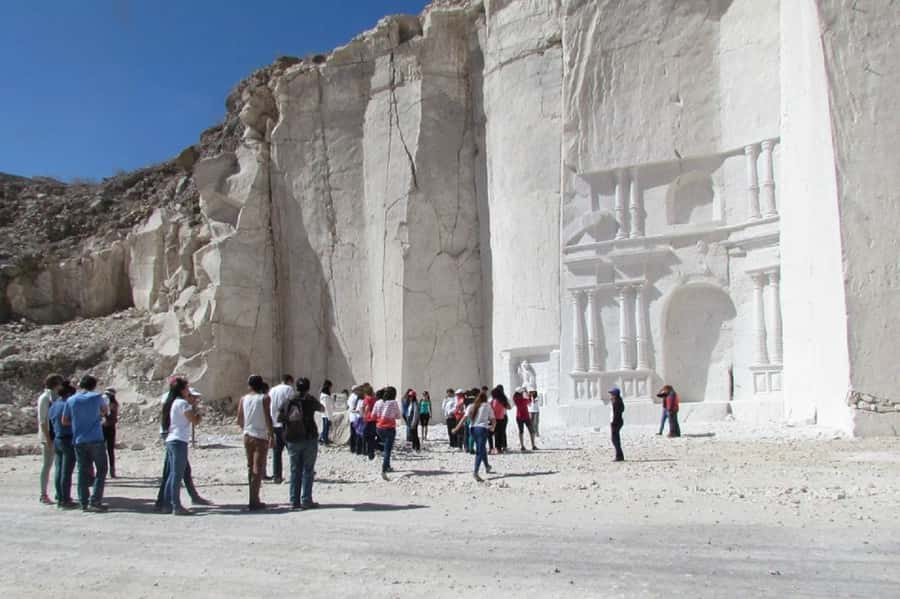
This half-day tour is built for people who want meaning, not just postcards. You get morning hotel pickup from the historic center, plus transportation included, so you do not waste time figuring out how to get from point A to point B.
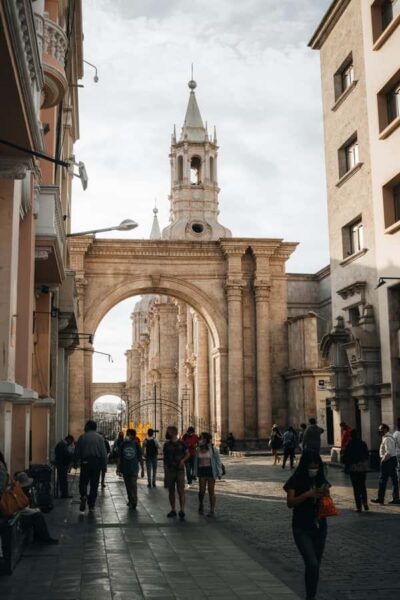
The best part is the pacing. In about 4 hours, you cover two quarry zones and still get time to understand what you are seeing. Arequipa’s identity is tied to this stone, because sillar is what shaped the look of the city, and Arequipa is a UNESCO World Cultural Heritage site. That connection makes the quarries feel less random and more like the start of an important supply chain.
A small practical benefit: because the tour is organized, you can focus on the details that matter, like the way artisans work and how the quarry areas connect to local culture. If you are short on time in Arequipa, this is a strong way to use it.
Picking Up, Getting Transport, and Starting Without Stress
You meet in the morning with pickup from centrally located hotels in Arequipa’s historic center. Plan to wait in the lobby about 10 minutes before your scheduled pickup time, so you are not stuck running around with your hat and sunscreen in hand.
Transportation is included, which matters because quarry sites can feel far if you are trying to go independently. Even if you are comfortable with taxis, having the tour handle logistics reduces friction, and you will spend your energy on the actual stone and the explanations.
The tour runs with a Spanish and English professional guide, plus a first aid kit and a covid kit. That is the kind of basic preparedness I look for on short excursions. In a 4-hour window, small delays can feel huge, so it helps that the day is set up to move.
Añashuayco Quarries: See the Quarry at the Foot of Chachani
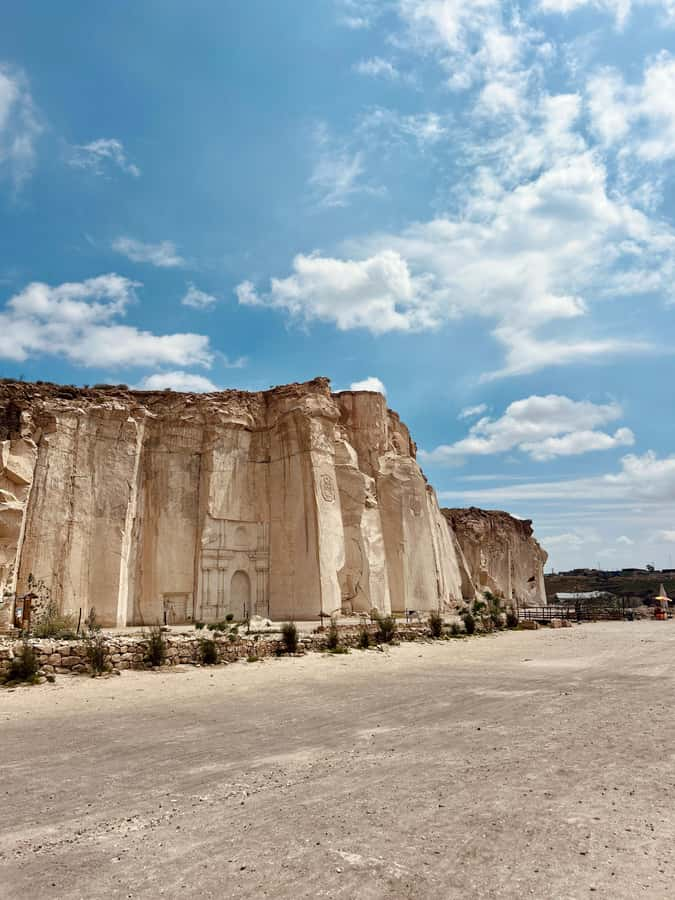
Your first major stop is the Añashuayco Quarries, reached as the route moves toward Cerro Colorado. This location sits at the foot of Chachani Volcano and near the Chili River, which gives you a sense that this is not an isolated workshop in the middle of nowhere. The setting helps you understand why extraction and craft traditions can live side by side for generations.
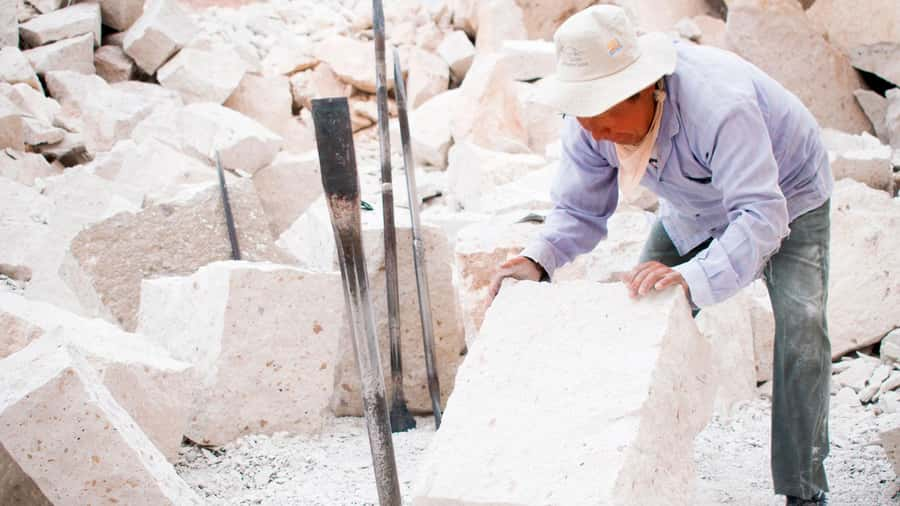
Here is what makes Añashuayco worth your time. You walk through areas where master stonecutters work and you get a direct look at handcrafted stonework. The tour description highlights things like colonial facades and carvings, and that helps you connect the quarry output to what you see back in Arequipa.
You also get an opportunity to observe the process of sillar extraction. Even if you have zero technical background, watching the steps is what turns the story from abstract to real. You stop thinking of “pretty white buildings” and start thinking about materials, tools, and labor.
What you’ll notice at Añashuayco
- The work is human-scale, with artisans shaping stone by hand.
- You are close enough to see craft details, not just viewpoints.
- The surroundings help you picture where the stone supply comes from.
Nearby in Arequipa, these earned their own write-ups

Workshops and Ancestral Tools: How Sillar Becomes Something You Can Build With
After walking through the master stonecutters’ area, the tour shifts into workshops. This is where I think you get the most “why this matters” value.
You will visit artisan workshops to learn about how sillar is elaborated, and the tour specifically notes the use of ancestral tools. That phrase is not just marketing. It signals that the process you are watching is not only about producing a product, it is about preserving methods. For me, that is the difference between seeing a quarry and understanding a living craft.
You also have time to appreciate the visual side of the stone, which is where the pink sillar comes in. The tour notes an intense pink color in sunlight, created by a mix of sillar, sand, and rocks. Practically, that means your best color photos will depend on the day’s light. So if the sky looks clear when you arrive, you’ll probably get a stronger color moment.
There is also an optional shopping part. You can purchase handicrafts if you want, but it is not forced. I like that approach on a short tour. It keeps the focus on learning and looking, with shopping as a secondary option.
One thoughtful consideration about workshops
If you are someone who hates any kind of sales pressure, just set your expectation early. The tour offers the chance to buy, but you can treat it like a browse, not a commitment.
Culebrillas Quarry: A Narrow Ravine and Wari Petroglyphs Up High
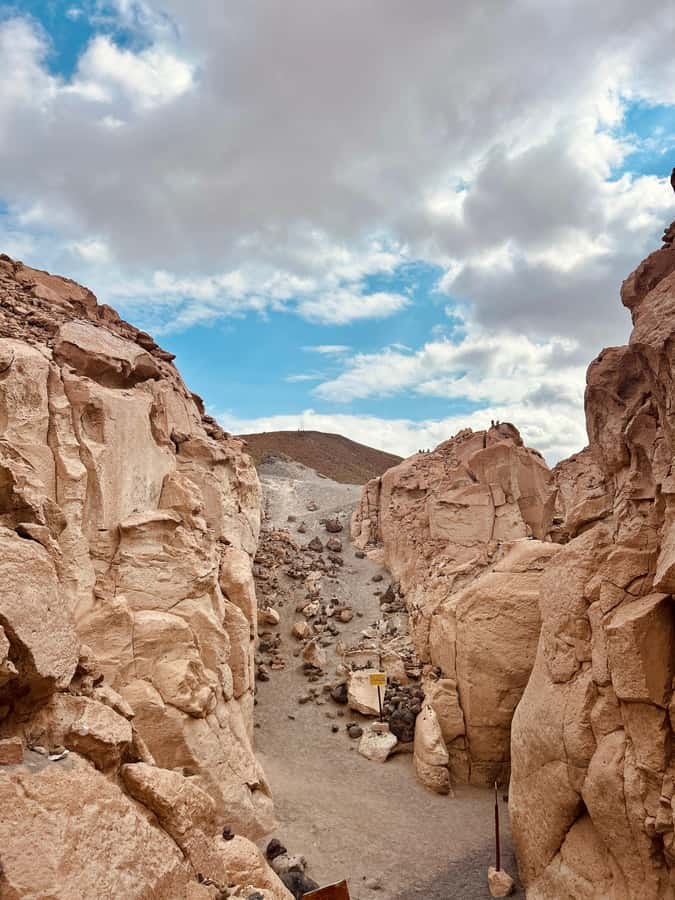
Next comes the Culebrillas Quarry, and the vibe shifts. Instead of a quarry workshop feel, you move into a dramatic ravine shaped by water and wind erosion. The tour notes narrow walls and a walk through the ravine area, which is exactly why this stop feels different from “another stone site.”
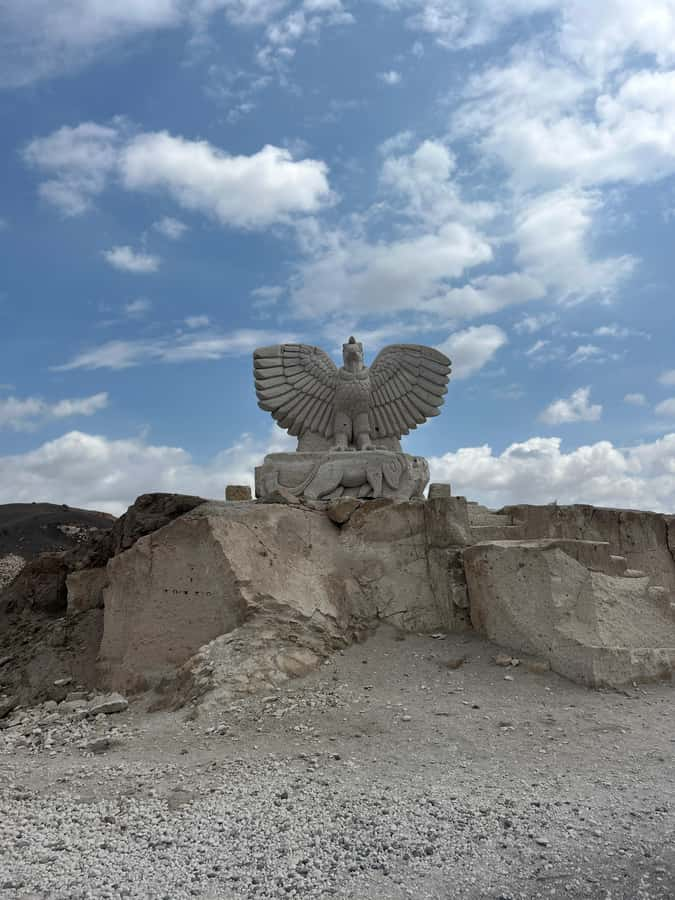
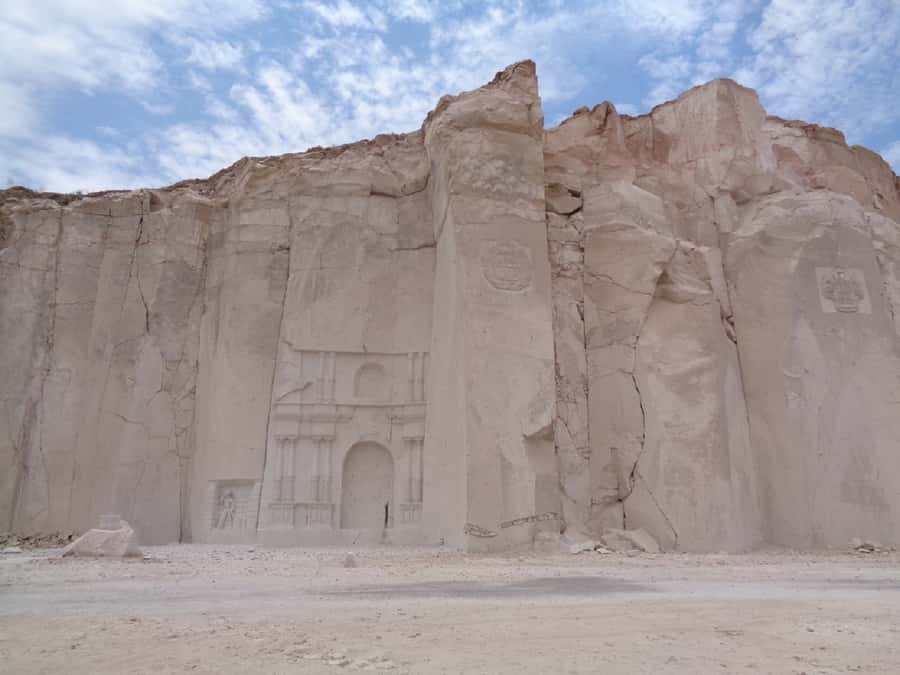
The highlight here is the petroglyphs, with animal figures such as birds, felines, and snakes. The carvings are described as reaching around 30 meters high, so you are looking up a lot. That makes it feel more like exploring a monumental outdoor gallery than reading a sign on a post.
These petroglyphs are attributed to the Wari culture, an Andean civilization that thrived between the 7th and 13th centuries AD. Again, the value is not the dates alone. It is that you can physically connect an ancient visual tradition to the same region where later craftsmanship and city-building used sillar.
Why Culebrillas works as a second half
- You get a change of scenery after Añashuayco.
- You see stone-based culture from a different angle, art in a ravine.
- The walk helps the petroglyph scale feel real.
Price and Value: What $23 Covers, and What to Budget On Top
At $23 per person for a 4-hour tour, the price is mostly about organized access. You get a guide in Spanish and English, transportation, and pickup from centrally located hotels. You also get a first aid kit and covid kit included, which is not the kind of detail you notice until you need it.
The trade-off is that not everything is included. You should budget for:
- Ticket entrances: S/ 5.00 per person in local currency
- Pay to master cutters: this cost is not listed as included, so plan extra cash
- Food and drinks: not included
- Drop off hotels: not listed as included, so you might end your day slightly off your hotel doorstep
For a short half-day, I think the price is fair when you value guided interpretation. If you are the kind of person who can get the gist of a quarry from photos and just wants one viewpoint, it might feel pricey. But if you want the “stone to city to culture” explanation, the guide time plus both stops are what you are really paying for.
The practical lesson from the tour’s feedback styles is simple: this is ideal when you want the full arc in limited time. If you only care about one element, like the quarry itself, you could save time and money by taking a taxi directly instead.
Guides Matter: Andreas and Fiorella’s Styles
One reason this tour earns top marks is how the guides teach. Two guide names stand out from real experiences: Andreas and Fiorella.
Andreas is described as available and precise, and as someone who communicates passion. What I like about that style for a technical topic like stonework is clarity. It matters because you will see multiple quarry zones, workshop steps, and craft details in a short time. A guide who can keep the story organized helps you leave with more than random photos.
Fiorella is described as friendly, with a communicative good mood. That matters too, because quarry and ravine walks can be tiring if you are not in the right mindset. A light, welcoming guide keeps you moving and helps you notice details instead of rushing through them.
What to Bring for a Quarry Walk (and What’s Usually Missing)
The tour lists the essentials, and they are spot-on for how this day feels:
- Passport
- Sunglasses
- Sunscreen
- Comfortable clothes
- Hat
- Cash
Cash is especially important because you may need it for ticket entrances and for any payment to master cutters. If you want to buy handicrafts, cash also keeps things simple.
What the list does not explicitly say, but you should still consider: wear shoes you do not mind getting dusty, since quarry paths can be rough. Bring water if you can, since food and drinks are not included, but the day is short enough that you can manage it.
Also, plan for sun. You spend time walking in quarry areas and ravines, and the pink sillar moment depends on sunlight. Sunglasses and sunscreen are not optional on a day like this.
Who This Sillar Route Tour Is Best For
This is a great fit if:
- You have limited time in Arequipa and want a strong overview in about 4 hours
- You care about how a city’s look connects to its materials
- You like hands-on craft explanations, like workshops and tools
- You want a mix of natural setting plus human-made art, from quarry work to Wari petroglyphs
It is also suitable for all ages, and children 2 and younger can be complimentary if they sit on a parent’s lap. So if you are traveling as a family, you have options.
If you are traveling solo and you like structure, pickup plus bilingual guiding is helpful. If you are with friends who want different things, the day mixes craft, scenery, and ancient carvings.
Should You Book the Arequipa White City Origins Half Day?
If you want the best value for your time in Arequipa, I say yes, book it. The reason is simple: in 4 hours you get both quarry origins plus the craft story, and you finish with Wari petroglyphs that give the region a longer timeline. You leave with a clearer picture of why Arequipa’s “white city” look is not just an aesthetic choice.
Choose this tour over a taxi day if you want:
- bilingual guidance that explains what you’re seeing
- workshops and quarry extraction observation, not just viewpoints
- the added petroglyph stop, which you might miss if you go point to point alone
Skip it only if you truly only want one single sight. If your goal is just the Sillar Quarry or just the ravine petroglyphs, taking a taxi directly could be a cheaper, more time-efficient move.
FAQ
How long is the Arequipa Sillar Route tour?
The tour lasts 4 hours.
Is pickup included?
Yes. Pickup is included from centrally located hotels in Arequipa’s historic center. Plan to wait in the hotel lobby about 10 minutes before the scheduled pickup time.
What languages does the guide speak?
The guide provides commentary in Spanish and English.
What’s included in the price?
The price includes a Spanish and English professional guide, transportation, first aid kit and covid kit, and pickup from hotels.
Are there any extra costs during the tour?
Yes. Ticket entrances cost S/ 5.00 per person in local currency, and there is also a pay to master cutters option. Food and drinks are not included.
What should I bring?
Bring your passport, sunglasses, sunscreen, comfortable clothes, a hat, and cash.
Can I cancel or pay later?
You can reserve now and pay later, and you can cancel up to 24 hours in advance for a full refund.
More City Tours in Arequipa
- Arequipa: Walk through the Historic Center of the City
★ 4.9 · 87 reviews - Arequipa Walking Tour city center and drinks experience
★ 5.0 · 72 reviews - Arequipa, Historic and Colonial City and Santa Catalina Monastery
★ 4.5 · 42 reviews - Arequipa: City and Country Tour
★ 3.7 · 27 reviews - AREQUIPA BIKING CITY TOUR
★ 5.0 · 16 reviews
More Tour Reviews in Arequipa
- From Arequipa: Colca Canyon Full-Day Guided Tour with Meals
★ 4.5 · 982 reviews - Tour to the Salinas Lagoon and National Reserve in Arequipa
★ 4.5 · 548 reviews - From Arequipa: Sillar Route Trek
★ 4.2 · 461 reviews - Arequipa: Chili River White Water Rafting with Hotel Pickup
★ 4.8 · 329 reviews - From Arequipa: 2-Day Colca Canyon Trekking Tour
★ 4.8 · 243 reviews
Arequipa Under El Misti
- From Arequipa: Colca Canyon Full-Day Guided Tour with Meals
★ 4.5 · 982 reviews - Tour to the Salinas Lagoon and National Reserve in Arequipa
★ 4.5 · 548 reviews - From Arequipa: Sillar Route Trek
★ 4.2 · 461 reviews - Arequipa: Chili River White Water Rafting with Hotel Pickup
★ 4.8 · 329 reviews - From Arequipa: 2-Day Colca Canyon Trekking Tour
★ 4.8 · 243 reviews
Freshly reviewed across Arequipa
- Excursion Salinas Lagoon and National★ 5.0 · 3 reviews
- From Arequipa: Full Day Colca Canyon Tour★ 4.5 · 3 reviews
- Arequipa: Colca Canyon Trekking 2 days and 1 night + food★ 4.8 · 3 reviews
- Walking tour through the Historic Center of Arequipa★ 4.0 · 3 reviews
- Arequipa: Catarata de Pillones and Bosque de Piedras Tour★ 4.3 · 3 reviews
- Cooking Class Typical Food in Arequipa★ 3.9 · 3 reviews
Arequipa City Tours side by side.
 ★ 4.5From Arequipa: Colca Canyon Full-Day Guided Tour with MealsFrom $42982 reviews
 ★ 4.5Tour to the Salinas Lagoon and National Reserve in ArequipaFrom $27548 reviews
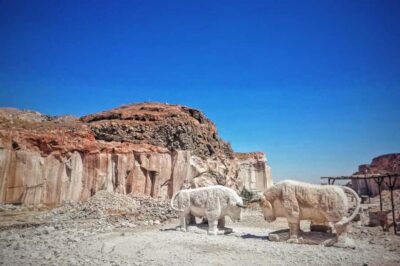 ★ 4.2From Arequipa: Sillar Route TrekFrom $12461 reviews
 ★ 4.8Arequipa: Chili River White Water Rafting with Hotel PickupFrom $20329 reviews
 ★ 4.62-Day Tour Colca Canyon in Arequipa with end in PunoFrom $78248 reviews
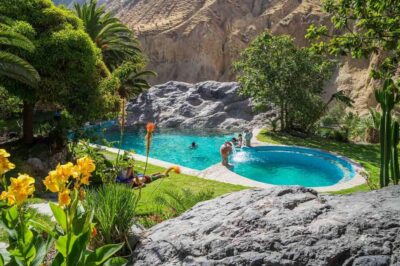 ★ 4.8From Arequipa: 2-Day Colca Canyon Trekking TourFrom $30243 reviews
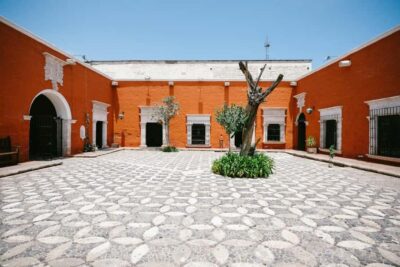 ★ 4.4Walking tour in the Historic Center of ArequipaFrom $10180 reviews
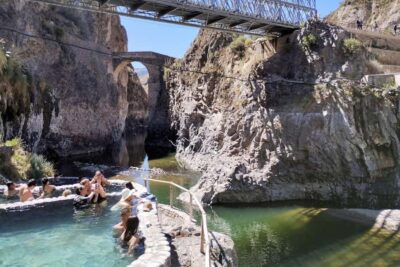 ★ 4.4From Arequipa: Full Day Tour of Colca Canyon with MealsFrom $27146 reviews
Also on these Peru lists