
REVIEW · AREQUIPA CITY
Arequipa: Walking Tour and Santa Catalina Monastery
Arequipa rewards slow walking. This 3-hour historic-center route mixes everyday neighborhoods with a full pass through the Santa Catalina Monastery, one of the city’s most famous sites. You start near the Plaza de Armas area, then work your way through colonial streets and cloisters at a pace that feels doable even if you are still adjusting to altitude.
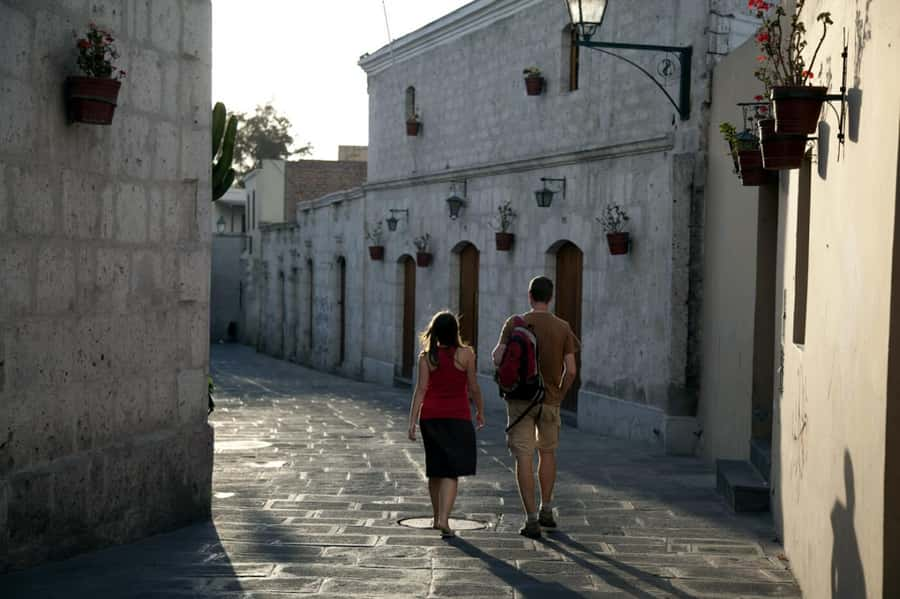
I especially like the way the walk builds from street level into big story moments. San Lazaro is full of small lanes, white walls, and sillar stone buildings, and the guide’s explanations help you read the city instead of just taking photos. I also love the monastery visit, with time to explore its patios and passageways at a calm walking pace, plus context on why it became a convent for cloistered nuns.
One consideration: this is not wheelchair-friendly, and there is steady walking plus steps around older streets and historic areas. If you have mobility limits or hate uneven sidewalks, you will want to think twice before booking.
In This Review
- Key highlights worth your time
- San Lazaro and Barrio del Solar: the fast route to Arequipa’s real textures
- How pickup works, and what to do if your hotel is outside the center
- San Lazaro walk: sillar stone, white walls, and little squares
- Barrio del Solar and the tambos by the River Chili
- Tambo El Matadero: 17th-century building with a tough past
- Tambo La Cabezona: a communal entrance and early milling
- Plaza de Armas: where the city gathers and the photos are easy
- Santa Catalina Monastery: cloisters, patios, and the Doña María de Guzmán story
- Why the story matters: Doña María de Guzmán
- What you will actually see: patios, stone streets, and Patio del Silencio
- Timing and pacing: how a 3-hour tour fits Arequipa’s distances
- Price and value: what $35 buys, and what costs extra
- Who should book this Arequipa walk and Santa Catalina visit
- Book it or skip it? My decision guide
- FAQ
- FAQ
- Is hotel pickup included in this tour?
- How long do you spend at Santa Catalina Monastery?
- What is included in the price?
- Do I have to pay for Santa Catalina entrance separately?
- When is Santa Catalina Monastery closed?
- Is this tour suitable for wheelchair users?
Key highlights worth your time
- San Lazaro on sillar stone streets: volcanic stone architecture and old-district atmosphere right near the historic center
- Barrio del Solar Tambos near the River Chili: learn how lodging centers worked during colonial times
- Tambo El Matadero and Tambo La Cabezona: two very different stops tied to 17th-century and 16th-century use
- Plaza de Armas as the local hub: a classic Arequipa photo spot with portals and a bronze fountain
- Santa Catalina Monastery UNESCO experience: cloisters, patios, church, bell tower, and plenty of photo time
- Guides who explain clearly in Spanish and English: people have praised guides like Gisela and Milei for being precise and friendly
Santa Catalina, Yanahuara and more Arequipa
- From Arequipa: Colca Canyon Full-Day Guided Tour with Meals
★ 4.5 · 982 reviews - Tour to the Salinas Lagoon and National Reserve in Arequipa
★ 4.5 · 548 reviews - From Arequipa: Sillar Route Trek
★ 4.2 · 461 reviews - Arequipa: Chili River White Water Rafting with Hotel Pickup
★ 4.8 · 329 reviews
San Lazaro and Barrio del Solar: the fast route to Arequipa’s real textures
The best part of this tour is how it starts smaller than you expect. Instead of jumping straight to the big postcard places, you begin in San Lazaro, a neighborhood about five blocks from the Plaza de Armas. It is old, compact, and made for walking, with little squares and tight lanes where you can actually see the volcanic stone called sillar used in construction.
Then you move into Barrio del Solar, near the River Chili, where the vibe shifts again. This is where the city’s colonial-era systems show up in everyday buildings, including the tambos. These were lodging centers where merchants could rest, which is a helpful detail because it connects architecture to human activity, not just dates on a sign.
How pickup works, and what to do if your hotel is outside the center
If your hotel is in the historic center, pickup is an optional add-on. Otherwise, you will need to head to the meeting point. The meeting point is Calle Zela 301, next to the Convent of Santa Catalina at the Hotel Mirador del Monasterio.
You will also see multiple pickup or drop-off options tied to that historic area, including C. Zela 301 and Mirador del Monasterio. In practice, that means you can usually choose the option that is closest to where you are staying, but if you are farther out, plan on meeting at Calle Zela 301.
San Lazaro walk: sillar stone, white walls, and little squares
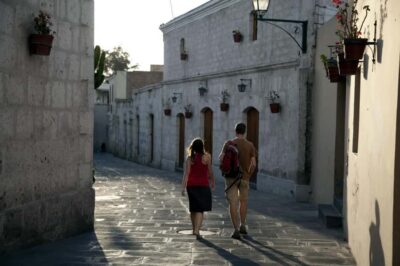
You start with a short van ride, then step out into San Lazaro for a photo stop and guided walk. This stretch is about 20 minutes. The neighborhood is described as having been occupied by pre-Inca and Inca cultures, and it also played a role during Spanish conquest and Arequipa’s city foundation, which helps explain why the streets feel layered.
What you will notice right away is the look and feel of the buildings. The homes are made with sillar, the pale volcanic stone that gives Arequipa its distinctive glow. You get small squares, white walls, and the kind of tight streets where you can see details you would miss if you were only browsing the main avenues.
Tip for your comfort: wear comfortable shoes and go slow on turns. Old streets look charming, but you are always moving around corners, so stable footwear matters.
Barrio del Solar and the tambos by the River Chili
After San Lazaro, you continue on toward Barrio del Solar. This area is near the River Chili, and the tour uses it to explain how colonial Arequipa functioned. The guide highlights different zones known as tambos, which served as lodging centers for merchants.
You also get a useful mix of photo stops and short guided visits. The tour is not trying to rush you through everything. It tries to keep you oriented while still covering multiple locations in a few hours.
Two stops here are especially memorable because they are very specific, not generic.
Other guided walking routes in Arequipa
Tambo El Matadero: 17th-century building with a tough past
Tambo El Matadero is from the 17th century, and it was used for animal sacrifice. The tour also notes that around 30 families live there today. That combination matters. You are not looking at a museum shell. You are seeing a living community connected to a difficult historical function.
This can be emotionally heavy for some people. If you prefer lighter sightseeing, just know what is coming and decide how much attention you want to give that stop. A good guide will keep it factual and respectful, and you will still come away with a clearer understanding of how colonial life worked.
Tambo La Cabezona: a communal entrance and early milling
Next is Tambo La Cabezona, a colonial group of houses with a communal entrance dated to the 16th century. The guide explains that it was a place where one of the early mills in the city worked.
This stop gives you the other side of the story. Instead of focusing on a single grim use, it shows you how these spaces supported daily economic life, including production and processing. It also gives you another chance to photograph older stonework and the way buildings are organized around shared entryways.
Plaza de Armas: where the city gathers and the photos are easy
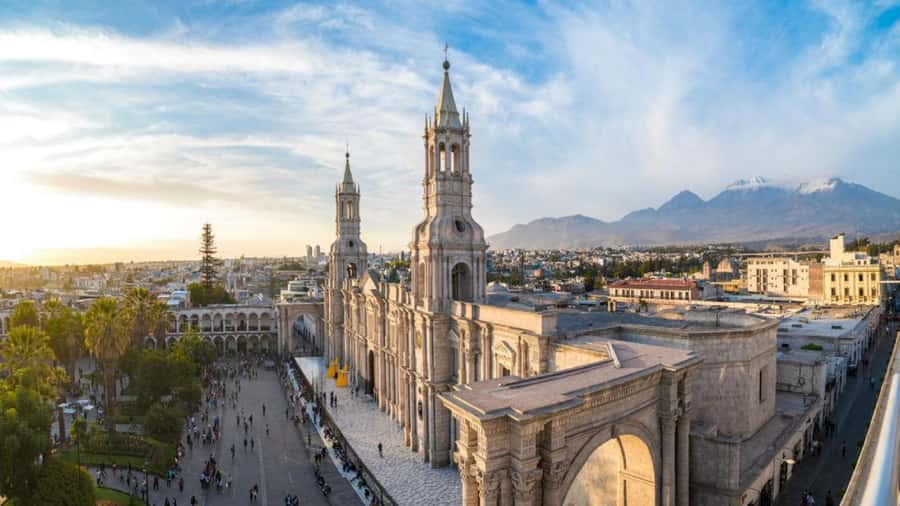
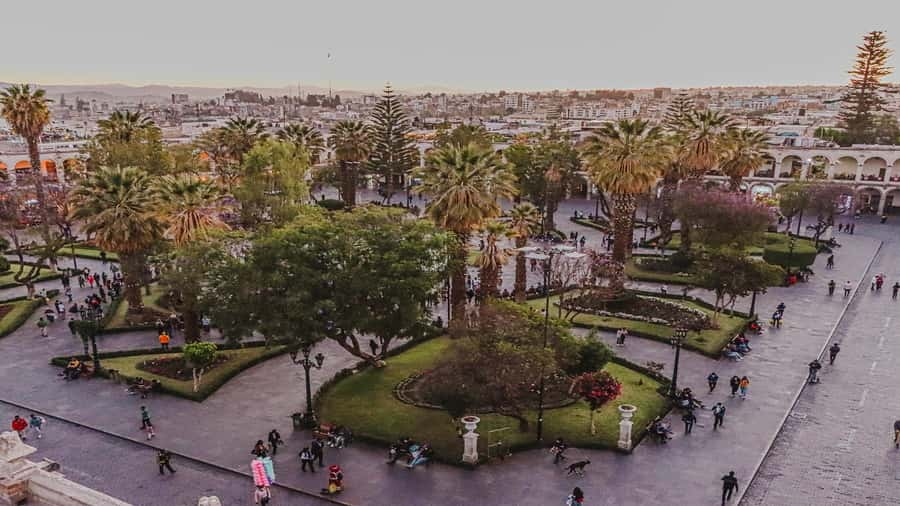
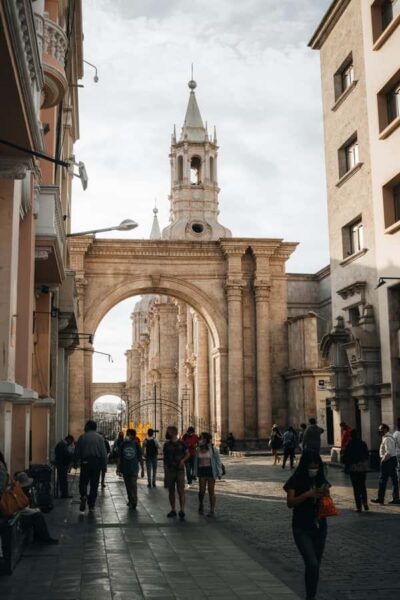
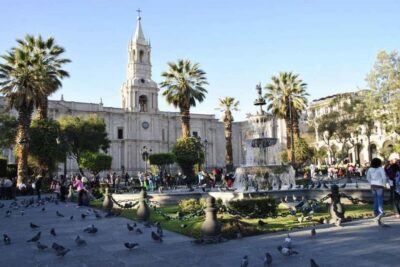
From the tambos, you head toward Plaza de Armas, Arequipa’s main meeting point. You get a guided visit and a longer photo window here, around 30 minutes.
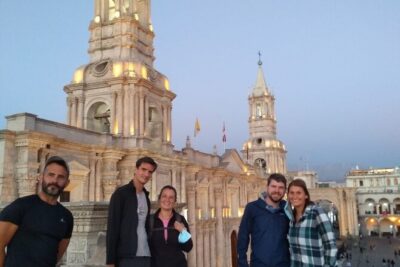
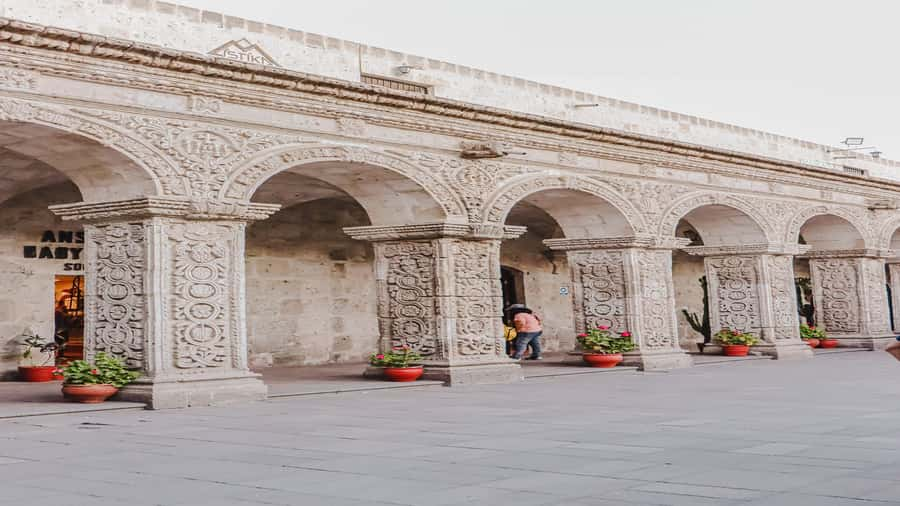
The square is surrounded by portals, and there is a bronze fountain in the middle. The Cathedral of Arequipa is located in the area as well, so this stop naturally connects the walking tour to the city’s central landmark zone.
Why I think this stop is worth it even if you have seen plazas before: it is not just a backdrop. The tour uses the square as a mental anchor, helping you understand where you are in the city and how the older neighborhoods relate to the center.
If you want extra easy photos, stand where the portals frame the square. You can get a classic composition with minimal effort.
Santa Catalina Monastery: cloisters, patios, and the Doña María de Guzmán story
The highlight for most people is the Santa Catalina Monastery visit. You arrive after a short walk and then spend about 1 hour exploring with a guided visit.
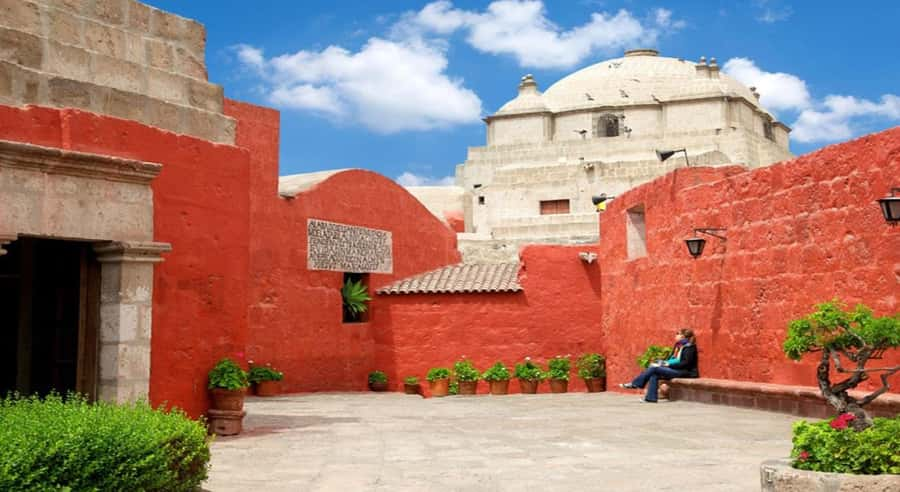
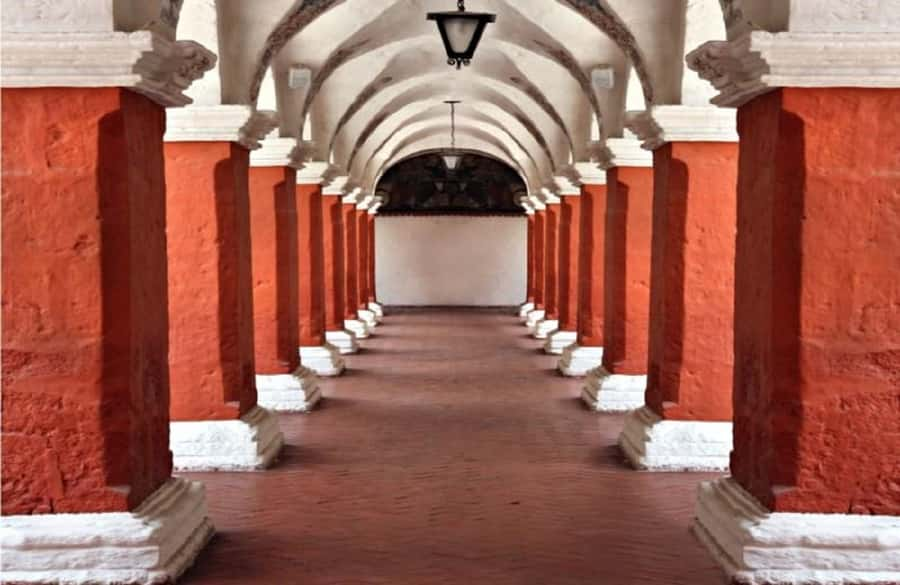
The monastery is said to have been founded in 1579, and the complex covers about 20,000 square meters. That area includes cloisters, patios, squares, streets, a bell tower, and a church. In other words, you are not walking past one building. You are moving through a mini-city inside the city.
Why the story matters: Doña María de Guzmán
The tour focuses on the origin story of the convent. Doña María de Guzmán was a wealthy woman during the viceroyalty period. She donated her properties and chose a cloistered life as a nun.
That context helps when you are inside the monastery. You start seeing the space as something designed for isolation and routine, not just beautiful architecture. It also explains why the women who entered were often from wealthy families, and why there are still cloister nuns living at Santa Catalina today.
What you will actually see: patios, stone streets, and Patio del Silencio
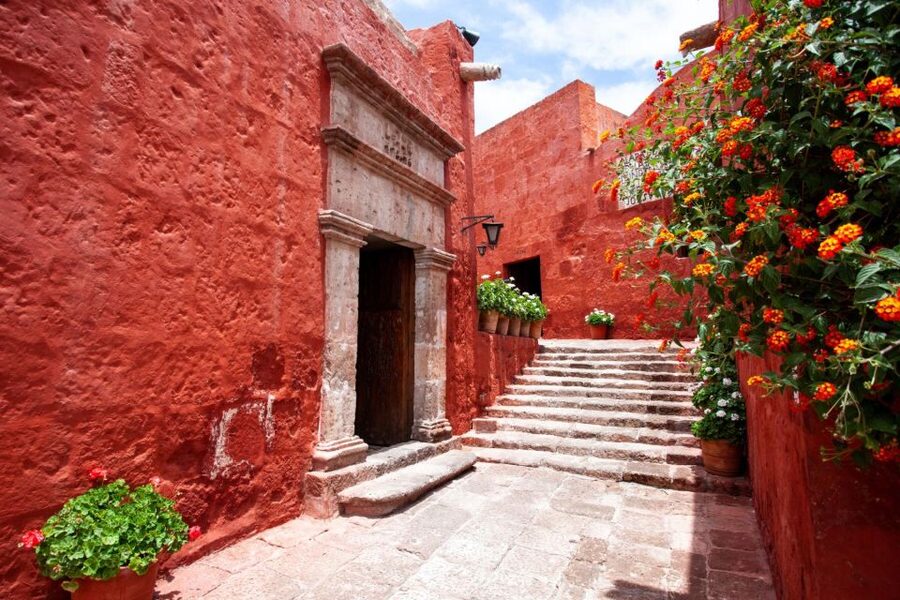
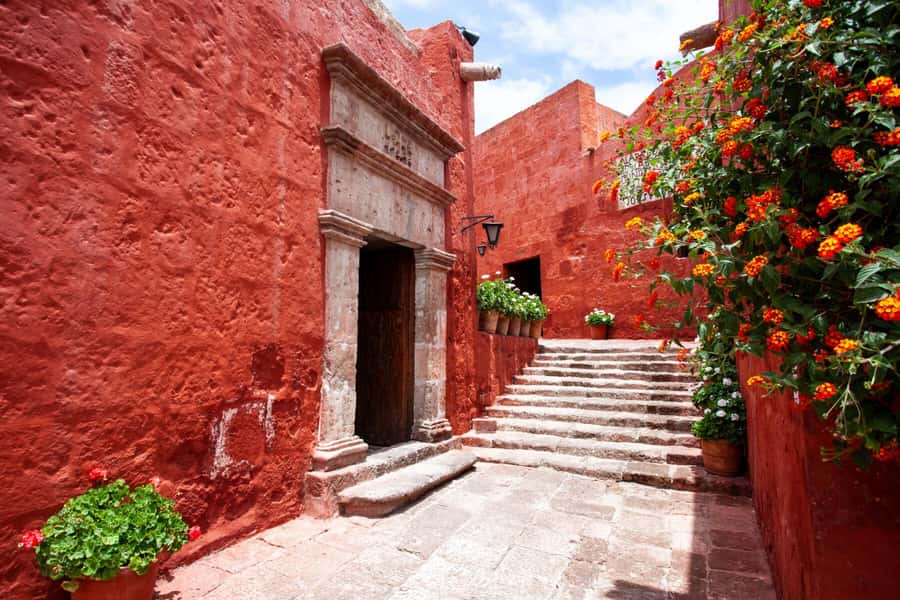
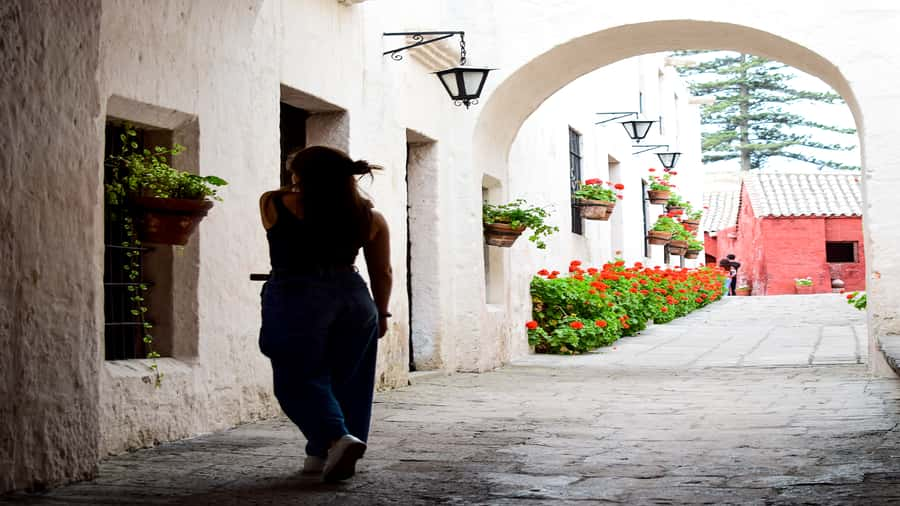
Inside, you are guided through areas such as Patio del Silencio, described as a place where the nuns met to pray and read the Bible in silence. You also walk around passages made of ashlar stone and see sections with natural colored red walls.
This is a good place to slow down. The monastery layout can look like a maze if you do it alone. With the guide, you get a storyline for where to look, what mattered to the convent, and why the spaces are arranged the way they are.
There is also time for photos, so you are not rushed at the moment you want to capture stone corridors and open patios.
Important note: the monastery closes on December 25 and Good Friday. If your dates land around those times, plan an alternate activity.
Timing and pacing: how a 3-hour tour fits Arequipa’s distances
This is a tight but comfortable plan. You are moving for about 3 hours total, combining van transfers and guided walking.
A typical flow looks like:
- Start near the historic center with pickup options
- A short van ride to begin
- Several walking segments, including San Lazaro (about 20 minutes)
- Stops by the River Chili for tambos (short guided segments with photo time)
- A longer, calmer photo-and-guided stretch at Plaza de Armas (about 30 minutes)
- A focused monastery visit (about 1 hour)
The walking is not described as a long hike, but it is enough that you should bring the usual highland-city basics. Bring sunglasses, sunscreen, insect repellent, and a hat. Wear comfortable clothes and keep shoes supportive.
Also, the order of visits can vary. That is normal for walking tours in older neighborhoods. The main stops stay the same, so you will still reach the monastery.
Price and value: what $35 buys, and what costs extra
At $35 per person for a 3-hour walking tour, the value comes from two things: a bilingual guide and the monastery entrance situation.
Here is what is included:
- A professional tour guide in Spanish and English
- Hotel pickup and drop-off is optional, when your hotel is within the historic center
- Entrance fee of the Monastery of Santa Catalina with a local guide is listed as optional
What is not included:
- Food and drinks
So your real cost depends on whether you pick the option with the monastery entrance fee included. If you do not choose that option, the entrance fee is payable locally. The tour data lists these prices in Peruvian soles (PEN):
- 25.00 PEN for ages 7 to 21
- 45.00 PEN for adults
You also might notice a small but useful advantage of paying locally: you can decide closer to the day if you want to adjust your plans. Either way, you should budget time to handle payment at the monastery entrance if you go the local-pay route.
Who should book this Arequipa walk and Santa Catalina visit
This tour is a strong fit if you:
- Want a guided walk through Arequipa’s UNESCO-designated historic center
- Like architecture and street-level details, not just big monuments
- Want a convent visit that includes context, not only a self-guided circuit
- Appreciate a route that mixes neighborhoods, plazas, and one major anchor stop
It may be less ideal if you:
- Need wheelchair access, since it is listed as not suitable for wheelchair users
- Prefer minimal walking and fewer stops, since you cover multiple areas in 3 hours
If you are traveling with kids, children age 4 and younger are complimentary. For older kids, you would still need to consider the monastery entrance fee if you did not select the option that includes it.
Book it or skip it? My decision guide
If your time in Arequipa is limited, I think this is a smart choice. You get a structured introduction to the historic center through San Lazaro and Barrio del Solar, then you land at Santa Catalina Monastery, which is the kind of place that benefits hugely from interpretation. A guide helps you understand what you are seeing in the streets, the tambos, and the cloisters.
I would still think twice if your main goal is only to see the monastery. In that case, you might feel the walking through neighborhoods is extra. But if you want the full story of how Arequipa’s spaces link together, this route is built for that.
FAQ
FAQ
Is hotel pickup included in this tour?
Hotel pickup and drop-off are optional. If your hotel is within the Historic Center, pickup can be included. If your hotel is not within the Historic Center, you should go to the meeting point at Calle Zela 301, next to the Convent of Santa Catalina at Hotel Mirador del Monasterio.
How long do you spend at Santa Catalina Monastery?
The Santa Catalina Monastery stop is listed as 1 hour with a guided visit and walking time inside the complex.
What is included in the price?
The tour includes a professional tour guide in Spanish and English. Entrance fee for Santa Catalina Monastery is optional depending on the option you select. Food and drinks are not included.
Do I have to pay for Santa Catalina entrance separately?
If you choose the option without entrance fees included, the entrance fee is payable locally. The listed cost is 25.00 PEN for ages 7 to 21 and 45.00 PEN for adults.
When is Santa Catalina Monastery closed?
The monastery closes on December 25 and Good Friday.
Is this tour suitable for wheelchair users?
No. The tour is not suitable for wheelchair users.
More Tours in Arequipa
- From Arequipa: Colca Canyon Full-Day Guided Tour with Meals
★ 4.5 · 982 reviews - Tour to the Salinas Lagoon and National Reserve in Arequipa
★ 4.5 · 548 reviews - From Arequipa: 2-Day Colca Canyon Trekking Tour
★ 4.8 · 243 reviews - Walking tour in the Historic Center of Arequipa
★ 4.4 · 180 reviews - From Arequipa: Full Day Tour of Colca Canyon with Meals
★ 4.4 · 146 reviews
More Tour Reviews in Arequipa
- From Arequipa: Colca Canyon Full-Day Guided Tour with Meals
★ 4.5 · 982 reviews - Tour to the Salinas Lagoon and National Reserve in Arequipa
★ 4.5 · 548 reviews - From Arequipa: Sillar Route Trek
★ 4.2 · 461 reviews - Arequipa: Chili River White Water Rafting with Hotel Pickup
★ 4.8 · 329 reviews - From Arequipa: 2-Day Colca Canyon Trekking Tour
★ 4.8 · 243 reviews
Arequipa Under El Misti
- From Arequipa: Colca Canyon Full-Day Guided Tour with Meals
★ 4.5 · 982 reviews - Tour to the Salinas Lagoon and National Reserve in Arequipa
★ 4.5 · 548 reviews - From Arequipa: Sillar Route Trek
★ 4.2 · 461 reviews - Arequipa: Chili River White Water Rafting with Hotel Pickup
★ 4.8 · 329 reviews - From Arequipa: 2-Day Colca Canyon Trekking Tour
★ 4.8 · 243 reviews
Freshly reviewed across Arequipa
- Excursion Salinas Lagoon and National★ 5.0 · 3 reviews
- From Arequipa: Full Day Colca Canyon Tour★ 4.5 · 3 reviews
- Arequipa: Colca Canyon Trekking 2 days and 1 night + food★ 4.8 · 3 reviews
- Walking tour through the Historic Center of Arequipa★ 4.0 · 3 reviews
- Arequipa: Catarata de Pillones and Bosque de Piedras Tour★ 4.3 · 3 reviews
- Cooking Class Typical Food in Arequipa★ 3.9 · 3 reviews
Arequipa City Tours side by side.
 ★ 4.5From Arequipa: Colca Canyon Full-Day Guided Tour with MealsFrom $42982 reviews
 ★ 4.5Tour to the Salinas Lagoon and National Reserve in ArequipaFrom $27548 reviews
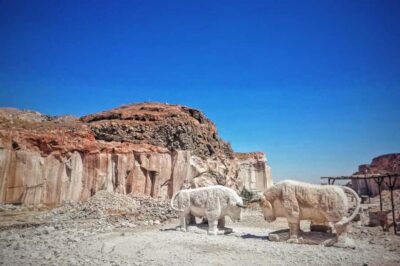 ★ 4.2From Arequipa: Sillar Route TrekFrom $12461 reviews
 ★ 4.8Arequipa: Chili River White Water Rafting with Hotel PickupFrom $20329 reviews
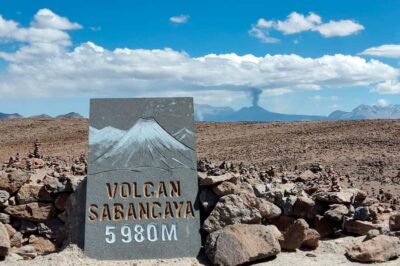 ★ 4.62-Day Tour Colca Canyon in Arequipa with end in PunoFrom $78248 reviews
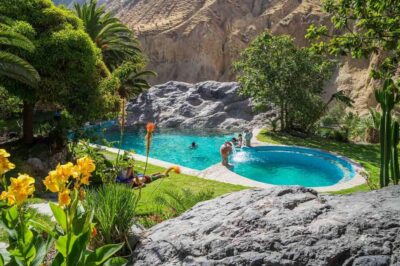 ★ 4.8From Arequipa: 2-Day Colca Canyon Trekking TourFrom $30243 reviews
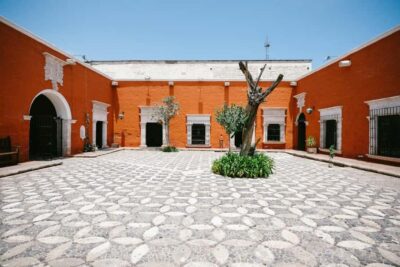 ★ 4.4Walking tour in the Historic Center of ArequipaFrom $10180 reviews
 ★ 4.4From Arequipa: Full Day Tour of Colca Canyon with MealsFrom $27146 reviews
Also on these Peru lists