
REVIEW · MARAS AND MORAY
Cusco: Moray, Maras Salt Mines, and Chinchero Weavers Tour
Cusco in the Sacred Valley can feel like a blur of names and dates. This tour is different because it strings together Moray’s terrace irrigation and the still-working Salineras salt pools in just one half-day. Add a Quechua weaving workshop in Chinchero, and you get crafts plus Inca engineering plus salt production, all with big mountain views along the way.
Two things I really like about this experience: you’ll get a hands-on look at color-making in Chinchero, and you’ll walk around Moray where the terrace design is easy to see and understand. The one drawback to consider is pacing and language style. The guide is bilingual (English and Spanish), and depending on who you get, the constant switching and lots of talking can be a bit much for people who want quieter explanations.
In This Review
- Key things to know
- Chinchero weavers and plant dyes, plus a quick Cusco altitude reality check
- Moray terraces at 11,318 feet: why the irrigation layout matters
- Maras village: thin-stoned colonial architecture without the long detour
- Salineras salt mines with 3,000 pools: still productive, not just scenic
- Time, group size, and the guide factor (hello, Víctor)
- What you’re really paying for: value, entrances, and budgeting cash
- What to bring so you’re comfortable all day
- Who this Cusco Sacred Valley tour fits best
- Should you book this tour?
- FAQ
- How long is the Cusco Moray, Maras Salt Mines, and Chinchero Weavers tour?
- What is included in the price?
- Are entrance fees included?
- How many people are in the group?
- What languages does the tour guide speak?
- Where does the tour finish?
Key things to know
- Chinchero weaving, using plant dyes you can actually see being explained
- Moray’s terraced farming layout at about 11,318 feet, with a visible irrigation system
- Maras village colonial buildings that preserve the thin-stone look of the area
- Salineras salt mines with 3,000 small pools still producing salt today
- Small group size (up to 12) helps questions get answered without feeling rushed
Maras salt and Moray terracing, other trips
- Cusco: Sacred Valley, Pisac, Ollantaytambo, Salt Mines Moray
★ 4.6 · 1,058 reviews - Cusco:Chinchero,Moray & Salt Mines drop-off in Ollantaytambo
★ 4.8 · 793 reviews - Sacred Valley: Chinchero, Moray, Ollantaytambo & Pisac+Lunch
★ 4.8 · 501 reviews - Sacred Valley: Maras & Moray by Quad Bike from Cusco
★ 4.6 · 418 reviews
Chinchero weavers and plant dyes, plus a quick Cusco altitude reality check
Your day starts with hotel pickup in Cusco, then a drive toward Chinchero. This stop sits at about 3,762 meters, so take the first part of the tour slowly. Even if you already feel acclimated, you’ll likely notice the air a little thinner right when you step out.
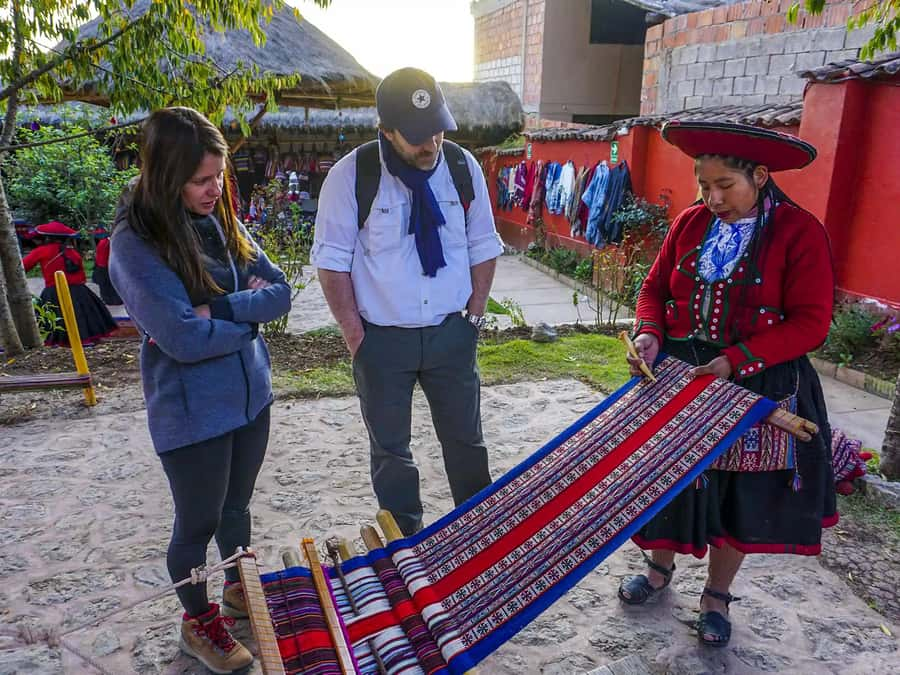
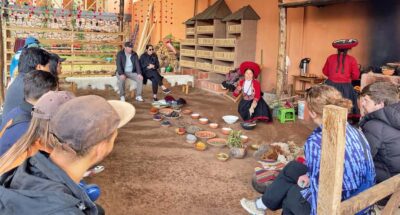
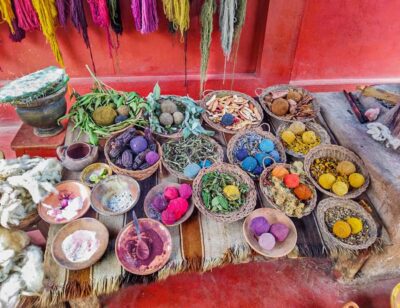
Chinchero is where the tour leans into culture you can see. You’ll visit a weaving workshop where artisans continue Quechua traditions. The standout is the color process: you’ll learn how natural plants are used to extract dye for Andean textiles. This is the kind of detail that makes later shopping make more sense, because you understand what creates the reds, yellows, and deeper tones rather than just seeing finished products.
There’s also typically a short break and time for photos and shopping. Keep your expectations realistic: this is not a long market stroll. It’s more like a curated walk-through with enough time to browse if you want to.
A practical note if you plan to buy textiles here: ask questions before you pay. Some people can end up disappointed when a workshop shop mix of items does not match what they assumed. If you want alpaca wool or specific fibers, confirm what you’re buying and what the pricing includes.
Moray terraces at 11,318 feet: why the irrigation layout matters
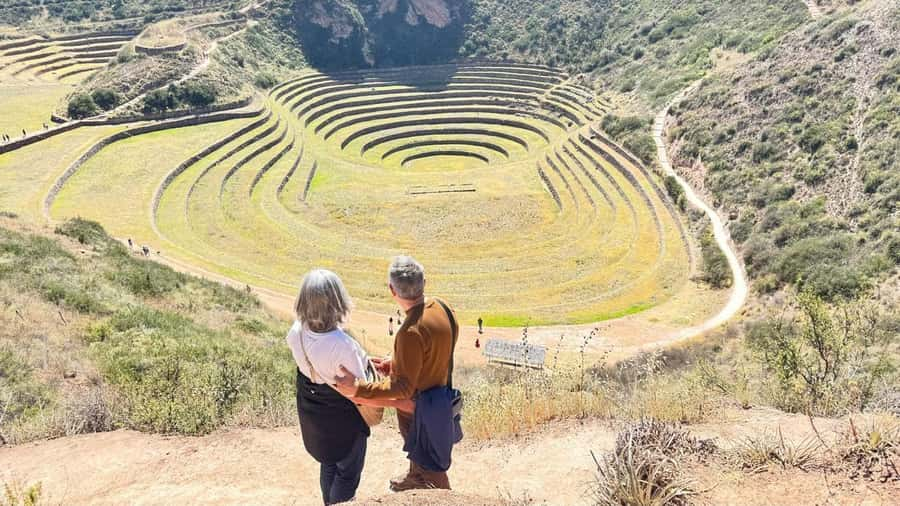
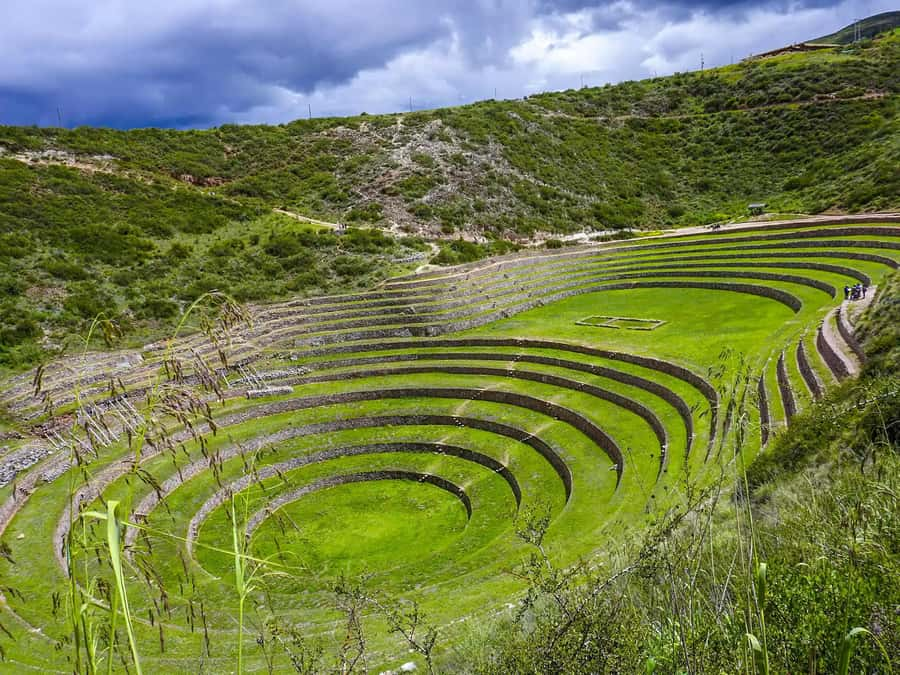
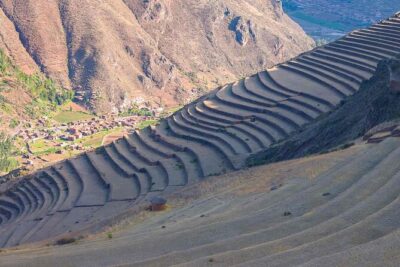
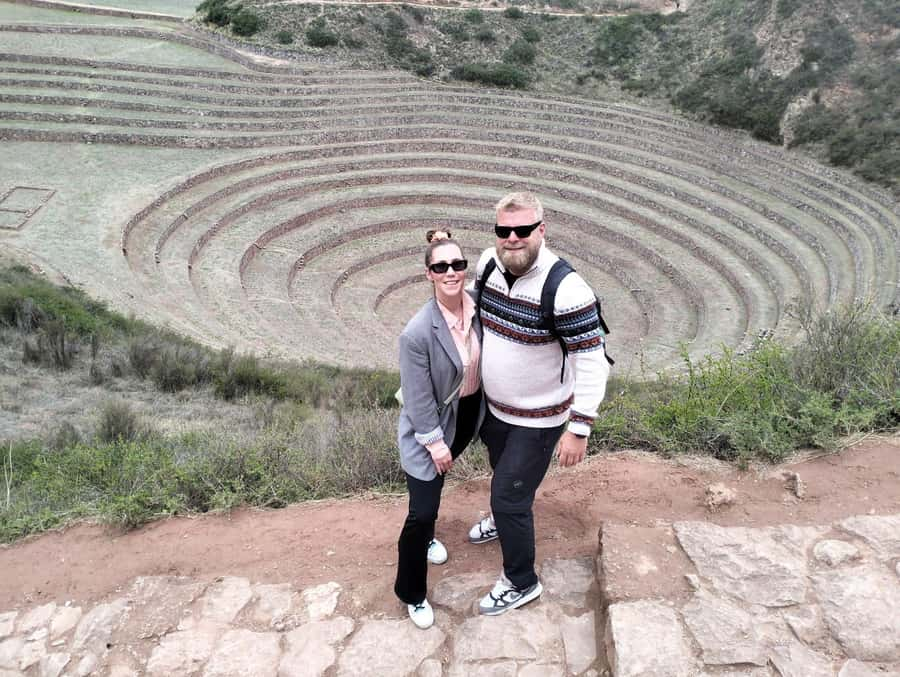
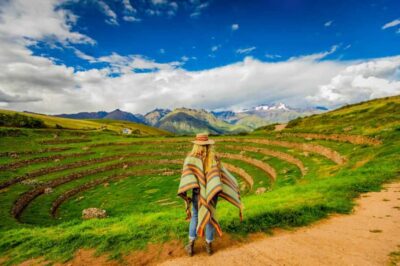
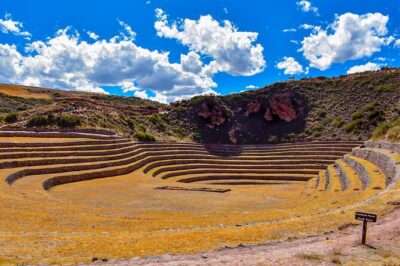
Next comes Moray, which sits around 3,450 meters, and the terraces are often described as being about 11,318 feet. This is the moment where the scenery turns into something you can read. The terraced farming design is visually striking, but the real payoff is understanding how the terraces and irrigation system work together.
You’ll get a photo stop and guided time on site, plus walking. Because Moray is built in levels, you can typically spot how water would be directed across the different sections. That makes it feel less like you’re staring at ruins and more like you’re looking at an agricultural system designed to manage water and land.
I also like that Moray is described as ancient Inca agricultural terraces. Even if you don’t go deep into academic debate, you can still see why the Incas were so focused on shaping land for farming. The geometry is intentional, and once you pick a viewpoint, you start seeing patterns.
The main consideration here is physical. The altitude plus walking on uneven ground can add up. Comfortable shoes matter more than you’d think, and sunscreen matters even more, because you’ll likely spend time in bright sun while standing still for photos.
Maras village: thin-stoned colonial architecture without the long detour
After Moray, the tour heads to Maras Village. This is a different kind of stop. Instead of terraces and production sites, you’re looking at preserved colonial architecture with a thin-stoned style.
The time here is relatively short, so think of it as a visual contrast. You’ll get a chance to walk, see the stonework approach used in the buildings, and get a sense of how the area evolved after the Inca period. For many people, this stop is what keeps the tour from feeling repetitive, because you’re switching from agricultural engineering to settlement form.
What I appreciate is that it doesn’t try to be a museum stop. You’re not spending hours indoors or chasing a single highlight. You’re getting quick context for the region’s layered timeline.
If you’re photographing, do it with a plan. The thin-stone look can look subtle in flat light, but it pops in sun. Try a few angles rather than snapping everything from one spot.
Salineras salt mines with 3,000 pools: still productive, not just scenic
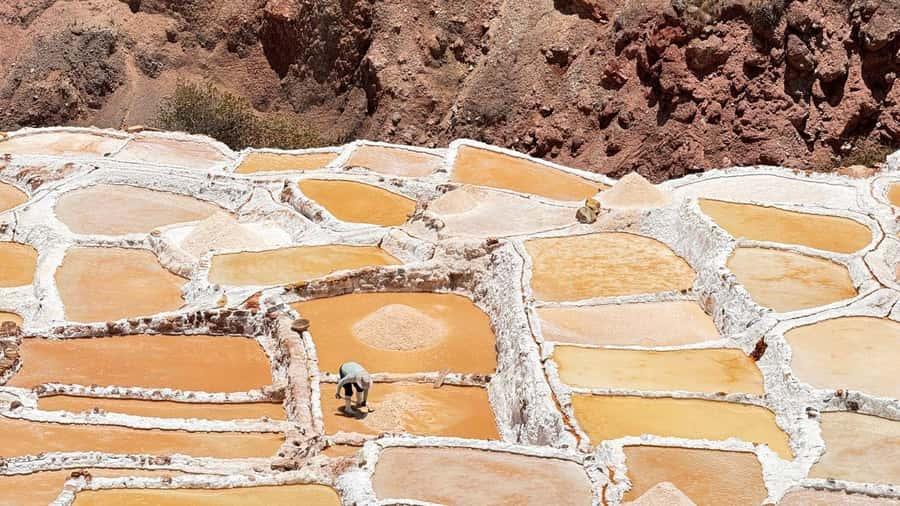
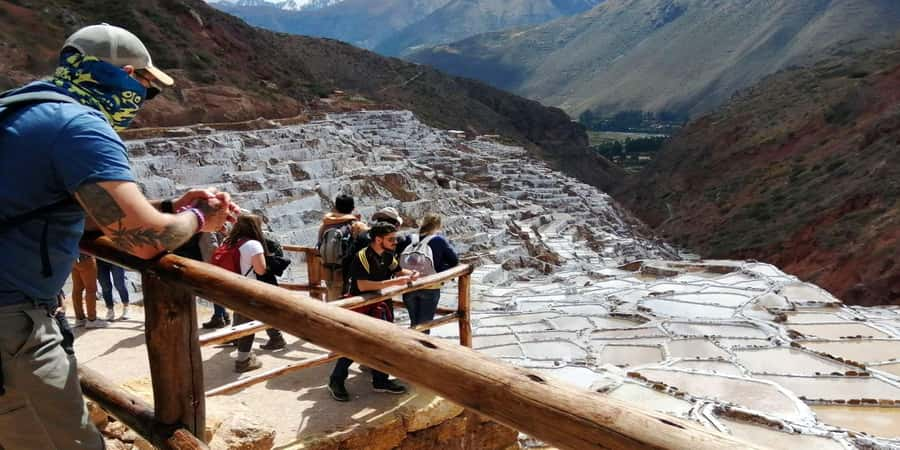
Then you reach the Salineras salt mines. This is one of the most memorable parts of the day because it’s not just a view, it’s a system still producing salt.
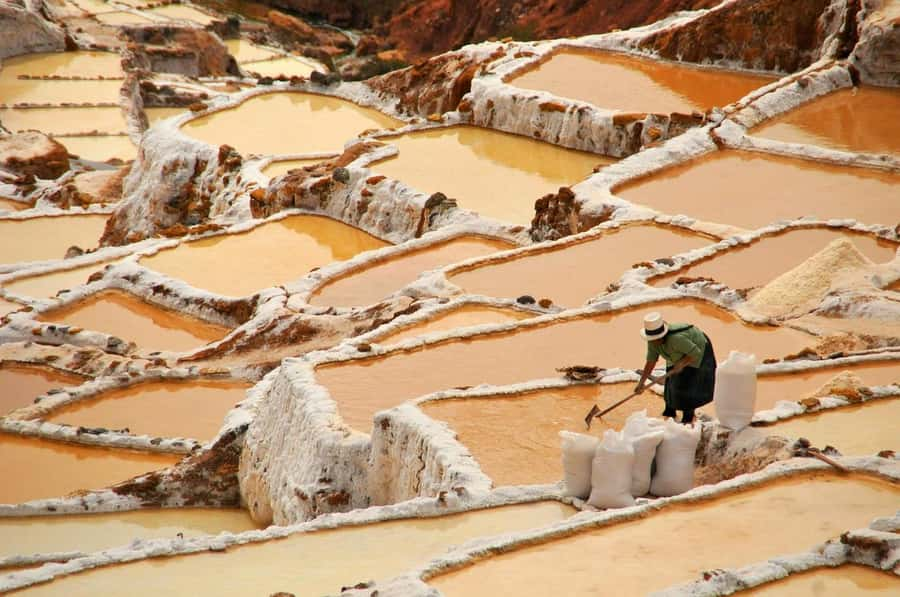
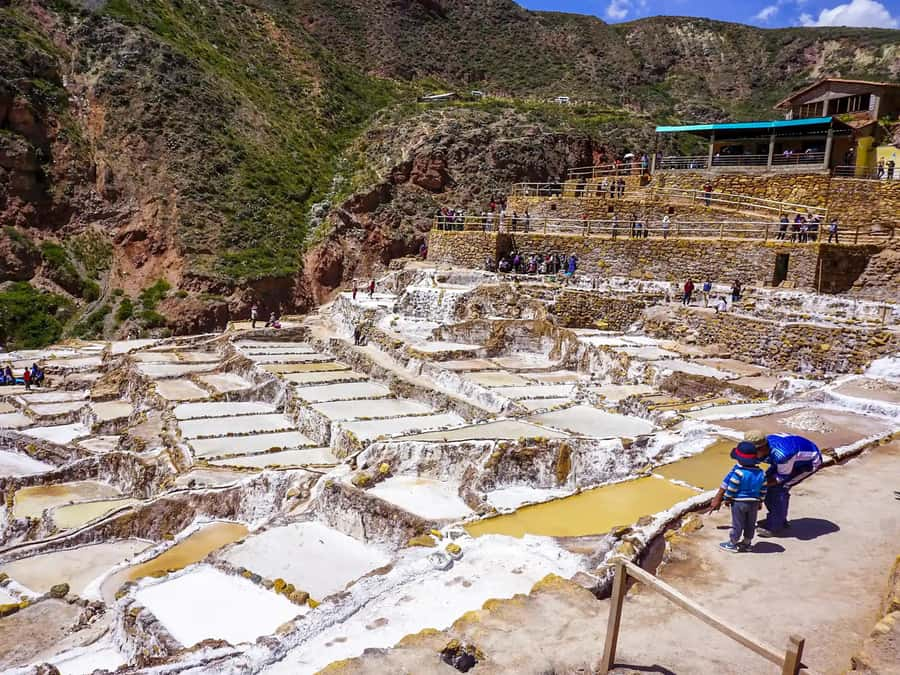
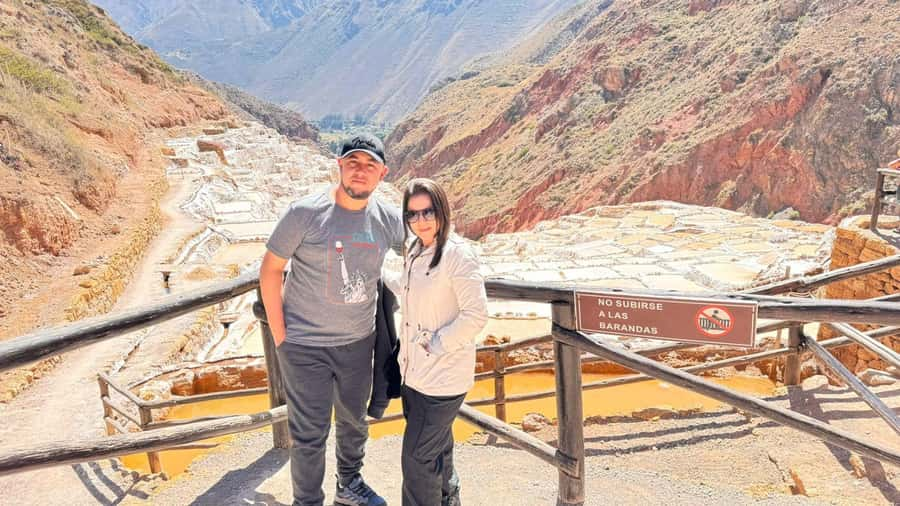
Salineras is made up of about 3,000 small pools. You’ll get a photo stop, guided tour, and sightseeing time, plus walking. The best way to experience this is to slow down and let your eyes follow the pattern of pools. From certain viewpoints you’ll see how the entire area is organized, and it starts to feel like a whole working landscape of water, evaporation, and salt collection.
The tour also frames the site as historic, dating back to pre-Inca times, and notes that salt production continues today. That continuity is what makes the visit feel grounded. It’s not frozen in time for tourists. People still rely on this salt, and the salt is processed and distributed in the region.
One practical consideration: salt mines can mean slippery or uneven ground. Wear shoes with grip, and watch your step. If you get camera happy, take breaks. It’s easy to drift into standing still for too long in the bright sun.
Pisac market and Ollantaytambo fortress, other runs
Time, group size, and the guide factor (hello, Víctor)
This is a 6-hour half-day tour with a small group limited to 12 participants. That group size matters. When you’re dealing with altitude, uneven surfaces, and a tight schedule, smaller groups make it easier to keep moving without feeling like you’re stuck behind people who move slowly or quickly.
The guide is bilingual, English and Spanish. That’s great for comprehension, but there can be a style difference. One person noted the guide talked constantly and switched languages often, which can be tiring if you prefer one language for your full experience. The upside is that bilingual explanations can help you catch details you might miss if you only speak one language.
The best-case scenario is having a guide like Víctor, because multiple people praised him for empathy and deep knowledge across topics. When a guide explains agriculture, settlement architecture, and salt production with confidence, the places click together as a single story instead of separate stops.
Also, the tour is described as organized, with pickup on time and a good driver. On a day with multiple moving parts, that reliability is a real value.
What you’re really paying for: value, entrances, and budgeting cash
The price is listed as $14 per person for a 6-hour tour, and that low number is possible because several costs are not included. Your tour includes hotel pickup, a bilingual guide, and transportation. If you select the private option, it’s also covered, but the base price is for the standard tour.
Entrance fees are extra:
- Archaeological sites: $19 (or 70 soles)
- Salt mines: $6 (or 20 soles)
So a realistic budget is roughly $39 total in entrances and tour price if you pay in dollars. If you pay in soles, the idea stays the same, you’ll need to budget for both site fees. Either way, bring cash. The tour information specifically recommends cash, and that’s exactly what you want on a tight day.
You’ll also want to budget time for shopping. Chinchero has time for shopping, and Moray and Maras are more about photos and guided walking than buying stuff. If textiles are your priority, this stop is the one where it makes the most sense to browse.
Finally, remember you end at Plaza Regocijo, not at your hotel. If you’re trying to make dinner plans close by, check where you’re staying and how you’ll get back.
What to bring so you’re comfortable all day
You’ll feel the sun and altitude, and you’ll do some walking on uneven ground. Here’s what the tour recommends, and I agree with it:
- Passport
- Comfortable shoes
- Sun hat
- Camera
- Sunscreen
- Cash
If you’re sensitive to altitude, plan for slower moments. Drink water if you brought it, and don’t treat every stop like a sprint. The tour is short, but it still includes multiple transitions between sites.
Who this Cusco Sacred Valley tour fits best
This tour fits best if you want a mix of Inca agriculture, village architecture, and still-active salt production, without committing an entire day to one location. It’s also a good pick if you’re interested in textiles and want a weaving stop that focuses on how colors are made from plants.
You might want to choose a different format if you dislike bilingual switching, or if you prefer long unhurried time at one site rather than quick guided coverage of several highlights. And if you hate shopping stops, plan to browse lightly or skip the purchase moment entirely.
Should you book this tour?
Book it if you like variety and you want a smart half-day circuit: Chinchero for plant dyes, Moray for terraces and irrigation, Maras for preserved architecture, and Salineras for 3,000 salt pools still producing salt. The value comes from including guided explanation and transportation, then letting you pay entrance fees separately once you’re there.
Skip or reconsider if your biggest priority is going slow and spending lots of time in one place, or if you know you get irritated by frequent language switching. If you do book, show up with cash for entrances, wear grippy shoes, and take a moment to slow down at the start. That small choice makes the whole day feel easier.
FAQ
How long is the Cusco Moray, Maras Salt Mines, and Chinchero Weavers tour?
The tour runs for about 6 hours.
What is included in the price?
It includes pickup from your hotel in Cusco, a bilingual tour guide, and transportation. A private tour is included only if you select that option.
Are entrance fees included?
No. Entrance to the archaeological sites and the Salt Mines is not included. The prices listed are $19 (or 70 soles) for the archaeological sites and $6 (or 20 soles) for the Salt Mines.
How many people are in the group?
It’s a small group limited to 12 participants.
What languages does the tour guide speak?
The live guide provides explanations in English and Spanish.
Where does the tour finish?
The tour ends at Plaza Regocijo. Hotel drop-off is not included.
Wool, Dye and Loom
- From Cusco: Moray, Maras Salt Mines & Chinchero Weavers Tour
★ 4.8 · 1,925 reviews - Cusco: Alpaca and Llama Farm Tour w/ Transfer & Weaving Demo
★ 4.9 · 151 reviews - City Tour in Cusco & visit Museum South American Camelid Private.
★ 5.0 · 147 reviews - From Cusco: Moray, Maras Salt Mines & Chinchero Weavers Half-Day
★ 5.0 · 126 reviews - The Textile Workshop Experience in Cusco Region
★ 5.0 · 118 reviews
Pisac and Ollantaytambo Again
- From Cusco: Moray, Maras Salt Mines & Chinchero Weavers Tour
★ 4.8 · 1,925 reviews - Cusco: Sacred Valley, Pisac, Ollantaytambo, Salt Mines Moray
★ 4.6 · 1,058 reviews - Cusco:Chinchero,Moray & Salt Mines drop-off in Ollantaytambo
★ 4.8 · 793 reviews - Sacred Valley: Chinchero, Moray, Ollantaytambo & Pisac+Lunch
★ 4.8 · 501 reviews - Pisac Indian Market and Ollantaytambo Fortress with Lunch
★ 4.5 · 395 reviews
Maras Salt and the Moray Rings
- From Cusco: Moray, Maras Salt Mines & Chinchero Weavers Tour
★ 4.8 · 1,925 reviews - Cusco: Sacred Valley, Pisac, Ollantaytambo, Salt Mines Moray
★ 4.6 · 1,058 reviews - Cusco:Chinchero,Moray & Salt Mines drop-off in Ollantaytambo
★ 4.8 · 793 reviews - Sacred Valley: Chinchero, Moray, Ollantaytambo & Pisac+Lunch
★ 4.8 · 501 reviews - Sacred Valley: Maras & Moray by Quad Bike from Cusco
★ 4.6 · 418 reviews
Freshly reviewed across Cusco
- Excursion Cusco – Puno – Titicaca Observatory Train★ 5.0 · 3 reviews
- Sacred Valley Vip Cusco★ 4.7 · 3 reviews
- Cusco | Humantay Lake 1-Day Tour with Breakfast and Lunch★ 5.0 · 3 reviews
- Full-Day Condor Viewpoint & Inca Sites Tour★ 5.0 · 3 reviews
- Best of Cusco: Private Walking Tour with a Local★ 3.6 · 3 reviews
- From Cusco: Full-Day Private Sacred Valley Tour★ 5.0 · 3 reviews
Maras and Moray Tours side by side.
 ★ 4.8From Cusco: Sacred Valley & Maras Salt Mines Tour with LunchFrom $282,227 reviews
 ★ 4.8From Cusco: Moray, Maras Salt Mines & Chinchero Weavers TourFrom $151,925 reviews
 ★ 4.6Cusco: Sacred Valley, Pisac, Ollantaytambo, Salt Mines MorayFrom $281,058 reviews
 ★ 4.8Cusco:Chinchero,Moray & Salt Mines drop-off in OllantaytamboFrom $27793 reviews
 ★ 4.8Sacred Valley: Chinchero, Moray, Ollantaytambo & Pisac+LunchFrom $25501 reviews
 ★ 4.6Sacred Valley: Maras & Moray by Quad Bike from CuscoFrom $39418 reviews
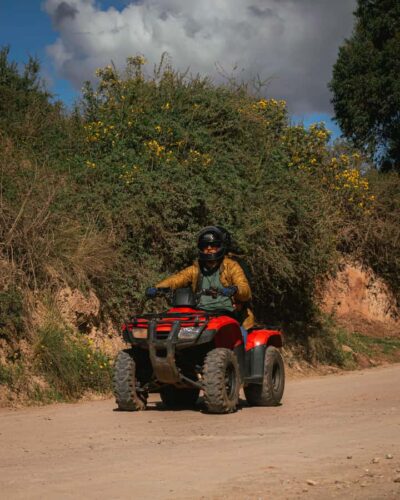 ★ 4.7From Cusco: Quad bike tour Moray and Salt MinesFrom $27314 reviews
 ★ 5.0From Cusco: Moray, Maras Salt Mines & Chinchero Weavers Half-DayFrom $15126 reviews
Also on these Peru lists