
REVIEW · WALKING
Cusco: Walking Tour with a Local Guide
Cusco makes sense when you walk it. This 150-minute Cusco walking tour connects Plaza de Armas with Inca and colonial landmarks, then finishes with everyday life in San Blas. I like that the route is focused, not random, and you get the stories that make the stones feel intentional.
I also like the hands-on feel of a local guide, especially the way Enrique kept the pace comfortable and tied sights to history you can actually remember. You’ll cover Qoricancha, the Temple of the Sun, and learn why the Sun mattered in Inca culture, not just what the building looks like.
One consideration: it’s a moderate walk. Bring comfortable shoes and plan for some up-and-down on cobblestones, since it is not wheelchair accessible.
In This Review
- Key highlights worth showing up for
- Where the walk begins near Plaza de Armas
- Plaza de Armas: colonial buildings and Inca legends in one glance
- Qoricancha and the Temple of the Sun
- Cusicancha and Inka Roca Street, where history meets daily life
- San Blas: artisan workshops and a calmer side of Cusco
- Pacing, comfort, and what to bring on cobblestones
- Price and value: $15 for a private local guide
- How the stops fit together, so you don’t feel lost
- Who this tour suits best
- Should you book this Cusco walking tour?
- FAQ
- How long is the Cusco walking tour?
- What does the tour cost?
- Where do I meet the guide?
- What’s the route like?
- Which languages are available?
- Is pickup or drop-off included?
- Are food and drinks provided?
- What should I bring?
- Is the tour wheelchair accessible?
- Is smoking or flash photography allowed?
- FAQ
- Can I cancel for a full refund?
- Does the tour help with ticket lines?
- Quick verdict: book or skip
Key highlights worth showing up for
- 150 minutes with a tight route, from Del Medio through Plaza de Armas, Qoricancha, and San Blas
- Qoricancha focus on the importance of the Sun in Inca culture
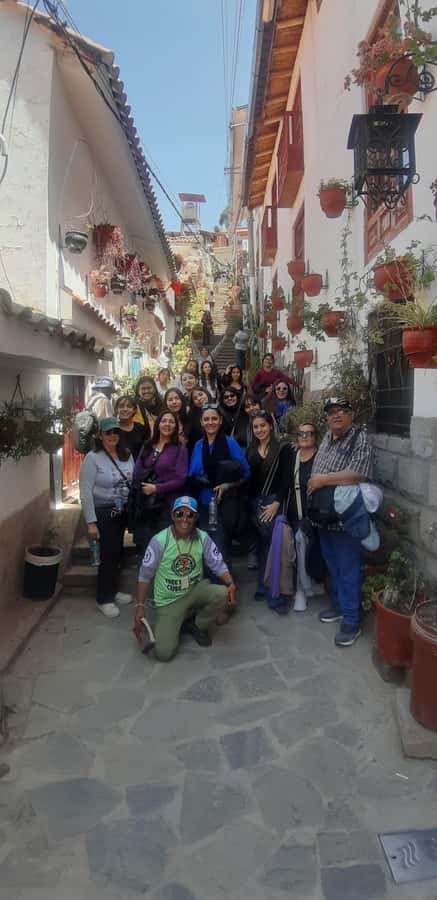
- Loreto Street and Inka Roca Street for colonial architecture plus local shops and daily street life
- Cusicancha stop at an Inca palace and temple that is now a church
- San Blas artisan workshops and churches as the human-scale side of Cusco
- Skip the ticket line so you spend more time listening and walking, less time waiting
Other guided walking routes in Cusco
- Cusco: Historic Walking Tour with Pisco Sour and Music Show
★ 4.6 · 65 reviews - Walking Culinary Experience
★ 5.0 · 41 reviews - Cusco: Walking Tour Cusco
★ 3.4 · 6 reviews - Cusco: Walking Tour with a Local Guide
★ 4.3 · 5 reviews
Where the walk begins near Plaza de Armas
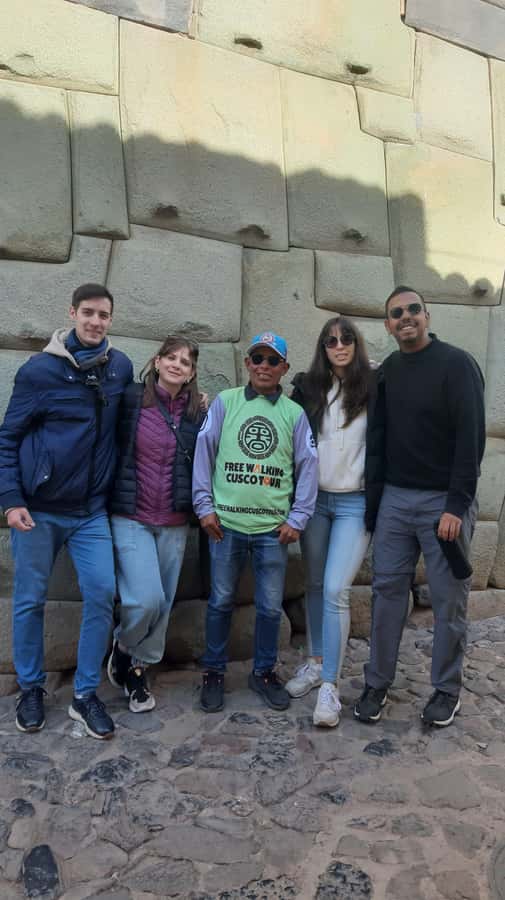
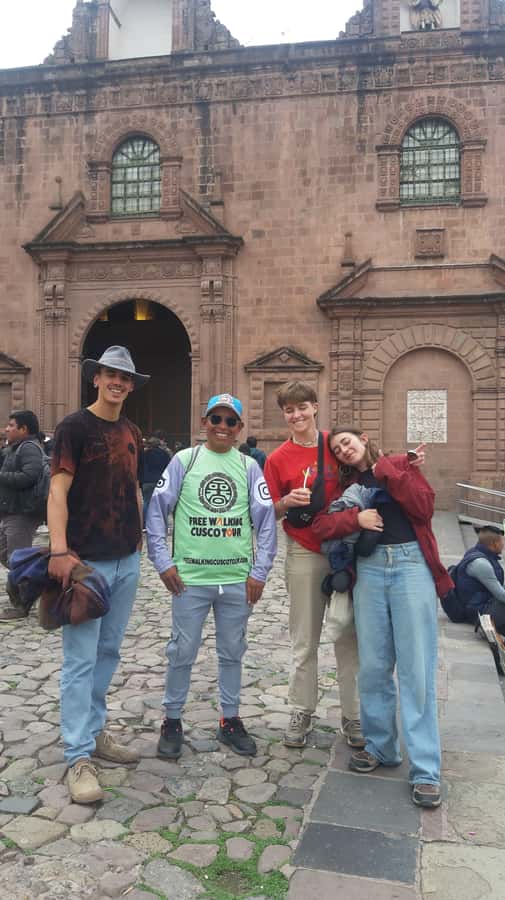
You start in a simple spot: between Calle del Medio and Plaza de Armas. The meeting point is easy to miss if you’re drifting, so aim to be there a few minutes early. Look for the team in a green T-shirt, and you’ll be pointed in the right direction fast.
This matters more than you might think in Cusco. The streets are tight, cobbled, and very easy to misread without a local guide calling out what you’re seeing. Even if you’re comfortable navigating on your own, having someone guide the flow helps you connect each stop to the next one instead of treating everything like a separate postcard.
The tour ends with a payoff too: Mirador de San Blas. That finish is the kind of “thank you for walking” moment that makes a short tour feel complete. You’re not just running between landmarks, you’re reaching a viewpoint at the end of the route where the neighborhood identity comes through.
Language is also part of the comfort factor here. The guide is live and available in Spanish and English, so you’re not stuck with a generic audio script. If you care about understanding what you’re looking at, having a person you can follow is a big deal.
Plaza de Armas: colonial buildings and Inca legends in one glance
Plaza de Armas is the obvious starting point for many Cusco walks, but the difference here is what you do with it. You don’t just look at the big open square and move on. You get context on the plaza itself, including colonial buildings and Inca legends tied to the area.
This is where a local guide earns their keep. Plaza de Armas can feel like a stage set if you don’t know what to notice. A guide helps you read the skyline, spot what changed over time, and understand how older layers and later architecture share the same space.
From there, the tour keeps you at street level. That’s important because Cusco’s history is not only in the famous structures. It’s also in how buildings face the street, how blocks connect, and how everyday businesses sit beside historic walls.
One of the best value parts of a shorter walking tour is that you’re not spreading your attention across too many stops. The route keeps circling back to the theme: Cusco as a place where Inca and colonial worlds overlap, then transitions toward the more lived-in neighborhood side of town.
Qoricancha and the Temple of the Sun
Next up is Qoricancha, also called the Temple of the Sun. This is one of the main reasons to pick this particular tour because it focuses on the meaning, not just the sight.
You learn about the importance of the Sun in Inca culture. That changes how you look at the site. Instead of treating it like another historic landmark, you start paying attention to how the Sun connects to the story of the place and why this temple matters.
Practically, Qoricancha is also where the tour saves you time. The experience includes skipping the ticket line, which is ideal in busy Cusco. Waiting in line is one of the easiest ways to turn a good tour into a rushed one, and avoiding that helps you stay in the learning mode.
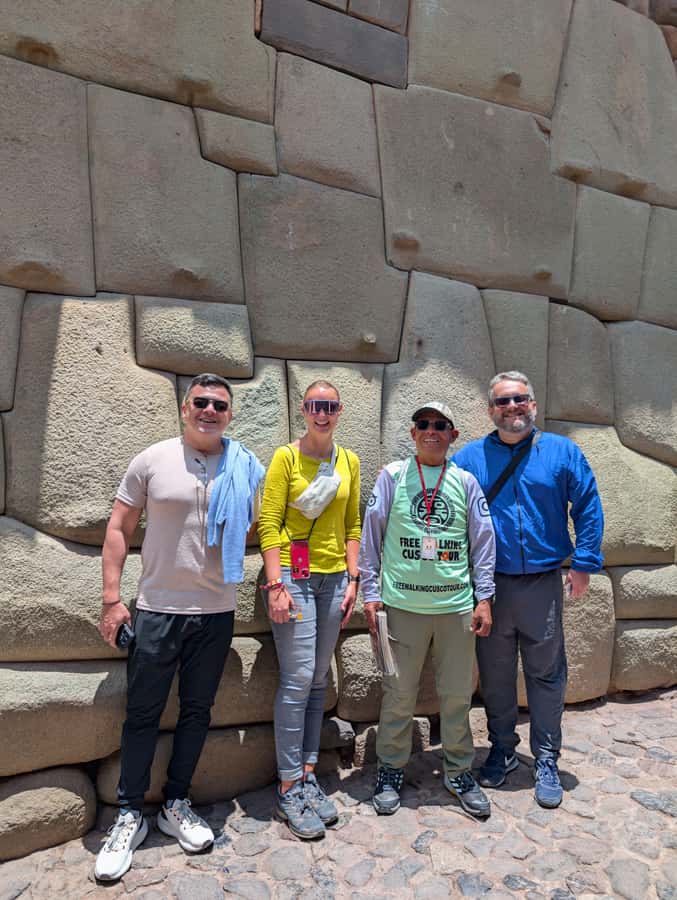
The guide also points out Inca architecture you can see as you walk through the area. That is a key detail to ask for, because it helps you notice the older craftsmanship that still survives inside a site that has layers of later history too. When the guide connects what you see to what you were told, it sticks.
If you’ve ever visited a major attraction and felt like you missed half the meaning, this stop is designed to fix that. You’ll leave with a clearer mental picture of why the Sun gets center stage here.
Cusicancha and Inka Roca Street, where history meets daily life
After Qoricancha, the tour heads to the Inka Palace Cusicancha. The important detail for your expectations: it’s an Inca palace and temple that is now a church. That single sentence helps you prepare for what you’re going to see, and it explains why the site can feel layered.
This part of Cusco is about contrasts, and you’ll feel that as you move between structures. The tour then continues to Inka Roca Street, known for narrow cobblestone walking and colonial houses.
What I like about this section is that it’s not all monuments. You’re looking at the street itself and the way houses and storefronts sit alongside historic spaces. This is where Cusco starts to feel real, not staged. You’re seeing how people move through narrow lanes, and how the built environment shapes the neighborhood rhythm.
If you want photos, this is also a better stretch than you might expect. The tour doesn’t push you into flash photography, since flash is not allowed. But the softer light and close angles on cobblestones can still give you great pictures without flash.
Just keep your camera ready and your attention on what the guide calls out. Inka Roca Street works best when you’re listening, not only looking.
Nearby in Cusco, these earned their own write-ups

San Blas: artisan workshops and a calmer side of Cusco
San Blas is the neighborhood where the tour really turns from landmarks into daily life. You’ll arrive to see artisan workshops, colonial churches, and the routine of Cusqueños going about normal business.
This stop is valuable because it balances the schedule. Earlier stops pull you toward the major historic narrative. San Blas brings that narrative down to the human scale: crafts, small streets, and places that people still use every day.
The route also uses the walk itself as a teacher. Narrow cobblestone streets mean your pace slows naturally. That gives you time to notice details like how workshops operate and how churches fit into neighborhood life. You’re not rushing to a single sight and leaving. You’re moving through a place where you can imagine living.
You’ll also end at Mirador de San Blas. That finish can be a nice moment to reset, especially if you started in Plaza de Armas where the energy feels more central. Getting to a viewpoint at the end helps you connect what you walked through with a broader view of the neighborhood’s geography.
Bring water and sunscreen here, because San Blas doesn’t magically block the sun. The tour guidance is clear about what to pack, and I agree with it. A hat is not optional comfort, it’s smart protection.
Pacing, comfort, and what to bring on cobblestones
This tour is 150 minutes, so it’s not a full day commitment. Still, it’s designed for a moderate amount of walking, and Cusco’s streets are not flat.
Your best bet is to wear shoes with real grip and enough cushioning for cobblestones. The tour is not wheelchair accessible and is not suitable for people with mobility impairments, so don’t count on any shortcuts.
Bring a hat and sunscreen. The schedule doesn’t include food stops, and it does not include drinks, so water is on you. You’ll also be happier if you have a small bottle you can sip mid-walk rather than waiting until you feel wiped.
A couple of rules matter for comfort and respect. Smoking is not allowed, and flash photography is not allowed. Neither of these should be hard to follow, but it’s worth noting so you do not get surprised at a site.
For fitness level, plan for a moderate walk pace where you can keep moving through the whole route. If you can handle an easy hike and you’re comfortable with city walking, you’ll likely be fine. If you’re not, consider swapping to a shorter or less walking-focused option.
Price and value: $15 for a private local guide
At $15 per person for 150 minutes, the value is strong if you care about interpretation. This is the kind of tour where the guide changes the experience, not the route. You’re paying for a professional guide, not just access to a few buildings.
Also, it’s described as a private walking tour. That matters because you’re not stuck waiting for a large group to catch up. You get a smoother flow along narrow lanes and through sites where listening matters.
You’re not paying extra for pickup or drop-off either, so you’ll want to handle your own way to the start near Plaza de Armas. Food and drinks are not included, which is normal for a 2.5 hour walk. You’ll probably want a snack plan before or after, depending on your stomach and your pacing.
One more time saver: skipping the ticket line. Even if you’re comfortable waiting, that small reduction in time pressure can make the tour feel more relaxed and educational.
The experience has a 4.3 rating from five reviews. That’s not a massive sample, but it does suggest the format usually works. One reported issue is a guide who did not turn up, followed by joining another free group in the plaza. That is rare, but it’s a reminder to be strict about the meeting point and keep your confirmation details handy.
How the stops fit together, so you don’t feel lost
The strength of this tour is its logic. It starts where Cusco’s story is easiest to locate, in Plaza de Armas. Then it moves to the solar theme at Qoricancha. After that, it shows the continuity and changes you can physically see at Cusicancha, now a church.
From there, you get the street-level texture at Loreto Street and Inka Roca Street, where colonial houses, local shops, and artisan spaces show up in the same walk. Finally, San Blas gives you the day-to-day Cusqueño view, ending at Mirador de San Blas where the neighborhood makes sense from above.
If you try to do all of this on your own, the sites are doable, but you’ll likely lose the thread. With a guide, you get the reason for each turn and the background for what you’re looking at. That is the difference between collecting pictures and collecting understanding.
Who this tour suits best
This is a great fit if you want a guided Cusco walk that stays under three hours and still covers the key Inca and colonial touchpoints. I’d especially recommend it if you enjoy:
- Learning what buildings and streets meant, not only when they were built
- Seeing both famous sights and neighborhood life in the same morning or afternoon block
- Walking at a comfortable pace and using a guide to keep you on track
It’s not a good match if you need wheelchair accessibility or if cobblestone walking is a struggle for you.
Should you book this Cusco walking tour?
Book it if you want a focused, story-driven Cusco walking tour that hits Plaza de Armas, Qoricancha (Temple of the Sun), and San Blas, with a live Spanish or English guide and the time benefit of skipping the ticket line. At $15, it’s one of the easiest ways to get context without buying a long, expensive half-day or full-day plan.
Skip it or choose something else if walking is hard for you, or if you need a fully accessible route. And if you’re traveling with tight timing, be extra careful about the meeting point near Calle del Medio and Plaza de Armas, look for the green T-shirt, and confirm your details so you’re not left waiting.
FAQ
How long is the Cusco walking tour?
The tour lasts 150 minutes.
What does the tour cost?
The price is $15 per person.
Where do I meet the guide?
Meet between Calle del Medio and Plaza de Armas. Look for a green T-shirt.
What’s the route like?
You visit Plaza de Armas, Qoricancha, Inka Palace Cusicancha, and San Blas, with walking through streets like Loreto Street and Inka Roca Street. The tour finishes at Mirador de San Blas.
Which languages are available?
The live guide is available in Spanish and English.
Is pickup or drop-off included?
No, pickup and drop-off are not included.
Are food and drinks provided?
No, food and drinks are not included.
What should I bring?
Bring comfortable shoes, a hat, sunscreen, and water.
Is the tour wheelchair accessible?
No. It is not wheelchair accessible and is not suitable for people with mobility impairments.
Is smoking or flash photography allowed?
Smoking is not allowed, and flash photography is not allowed.
FAQ
Can I cancel for a full refund?
Yes. You can cancel up to 24 hours in advance for a full refund.
Does the tour help with ticket lines?
Yes, the experience includes skipping the ticket line.
Quick verdict: book or skip
If you want a guided Cusco experience that connects Inca culture at Qoricancha with the neighborhood feel of San Blas, this is a good value choice. If you hate cobblestones or need accessibility support, look for a different format.
Walking Routes Across Cusco
- Cusco: Historic Walking Tour with Pisco Sour and Music Show
★ 4.6 · 65 reviews - Walking Culinary Experience
★ 5.0 · 41 reviews - Cusco: Walking Tour Cusco
★ 3.4 · 6 reviews - Cusco: Cultural Walking Tour with Local Guide⭐⭐⭐⭐⭐
★ 5.0 · 4 reviews - Best of Cusco: Private Walking Tour with a Local
★ 3.6 · 3 reviews
More Tours in Cusco
- Cusco: Humantay Lake Tour with Breakfast and Buffet Lunch
★ 4.9 · 2,976 reviews - From Cusco: Moray, Maras Salt Mines & Chinchero Weavers Tour
★ 4.8 · 1,925 reviews - From Cusco: Full-Day Group Tour of Machu Picchu
★ 4.7 · 1,767 reviews - Cusco: Half-Day City Tour with Sacsayhuaman and Q’enco
★ 4.6 · 1,129 reviews - Machu Picchu: Full-Day Tour from Cusco with Optional Lunch
★ 4.6 · 927 reviews
More Tour Reviews in Cusco
- Cusco: Humantay Lake Tour with Breakfast and Buffet Lunch
★ 4.9 · 2,976 reviews - From Cusco: Moray, Maras Salt Mines & Chinchero Weavers Tour
★ 4.8 · 1,925 reviews - From Cusco: Full-Day Group Tour of Machu Picchu
★ 4.7 · 1,767 reviews - Machu Picchu Day Trip from Cusco
★ 4.5 · 1,644 reviews - Cusco: Half-Day City Tour with Sacsayhuaman and Q’enco
★ 4.6 · 1,129 reviews
Freshly reviewed across Cusco
- Excursion Cusco – Puno – Titicaca Observatory Train★ 5.0 · 3 reviews
- Sacred Valley Vip Cusco★ 4.7 · 3 reviews
- Cusco | Humantay Lake 1-Day Tour with Breakfast and Lunch★ 5.0 · 3 reviews
- Full-Day Condor Viewpoint & Inca Sites Tour★ 5.0 · 3 reviews
- Best of Cusco: Private Walking Tour with a Local★ 3.6 · 3 reviews
- From Cusco: Full-Day Private Sacred Valley Tour★ 5.0 · 3 reviews
Walking Tours side by side.
 ★ 4.4Walking tour in the Historic Center of ArequipaFrom $10180 reviews
 ★ 4.9Lima: Miraflores Trending Flavors Half-Day Walking TourFrom $5098 reviews
 ★ 4.9Arequipa: Walk through the Historic Center of the CityFrom $1587 reviews
 ★ 5.0Arequipa Walking Tour city center and drinks experienceFrom $1072 reviews
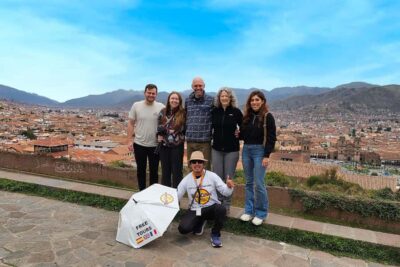 ★ 4.6Cusco: Historic Walking Tour with Pisco Sour and Music ShowFrom $1065 reviews
 ★ 5.0Lima Private Walking TourFrom $6965 reviews
 ★ 5.0Trending Flavors: Miraflores Walking Tour Including Food and Drinks TastingFrom $5063 reviews
 ★ 5.0Walking Culinary ExperienceFrom $7041 reviews
Also on these Peru lists