
REVIEW · MARAS AND MORAY
From Cusco: Chinchero, Moray, Maras, Ollantaytambo and Pisaq
A full day in the Sacred Valley can feel like a whirlwind. This one does it well, with a tight route from Cusco to Inca sites and a couple of living traditions like weaving. You get the history in plain language from a bilingual guide, plus a lunch stop that keeps the afternoon moving.
I love how efficient the plan is for first-timers. You visit Ollantaytambo for a real sense of Inca town life, then finish at Pisac, where the terraces and tombs sit under dramatic mountain views. The other big win for me is the guide quality, with names like Carlos and Henry showing up as strong explainers of what you are seeing.
The main drawback is pacing. This is a “see a lot” day, so some sites can feel time-boxed, and you may also have extra shop or craft stops along the way that cut into time at the archaeological areas.
In This Review
- Key highlights to look forward to
- A One-Day Sacred Valley Route From Cusco That Actually Works
- Chinchero: Weaving Traditions And Inca Echoes
- Moray’s Circular Terraces: An Inca Agricultural Lab
- Maras Salt Mines: Thousands Of Small Pools Still In Use
- Urubamba Lunch: A Buffet That Buys You Time
- Ollantaytambo: A Living Inca Town You Can Actually Walk
- Pisac Ruins: Terraces, Tombs, And Big Mountain Drama
- Timing Reality Check: Why This Day Can Feel Rushed
- Price and Logistics: The $35 Value Plus Tickets
- What I’d Do Differently If I Had One Free Afternoon
- Who This Sacred Valley Tour Is Best For
- Should You Book This Tour?
- FAQ
- How long is the Sacred Valley tour from Cusco?
- What sites are included on this full-day route?
- Is hotel pickup included?
- What about lunch?
- Are entrance fees included in the price?
- What languages will the guide speak?
- What should I bring?
- Are drones allowed?
- Where does the tour finish?
- Can I cancel for a full refund?
Key highlights to look forward to
- Bilingual guiding (Spanish and English) that connects each stop to Inca history
- Chinchero weaving cooperative plus nearby Inca ruins and a colonial church area
- Moray’s circular terraces used as an agricultural experiment at different altitudes
- Maras salt mines, thousands of small pools still harvested from brine
- Ollantaytambo’s preserved Inca town layout, terraces and ceremonial zones you can walk through
- Pisac ruins with terraces, tombs, and religious structures against a huge backdrop
Maras salt and Moray terracing, other trips
- From Cusco: Sacred Valley & Maras Salt Mines Tour with Lunch
★ 4.8 · 2,227 reviews - From Cusco: Chinchero, Moray, Maras, Ollantaytambo and Pisaq
★ 4.6 · 11 reviews - From Ollantaytambo: Moray, Maras, and Chinchero Guided Tour
★ 4.5 · 11 reviews - From Ollantaytambo:Private tour to Maras and Moray half day
★ 4.6 · 7 reviews
A One-Day Sacred Valley Route From Cusco That Actually Works
This tour is built for people who want the Sacred Valley highlights without stitching together five different tickets and schedules. You start with hotel pickup in Cusco and ride in a van through the valley, with a series of focused stops rather than one long, slow stare at a single site.
The itinerary reads like a highlight reel on paper, but the best part is the order. You head from Chinchero into the high-agriculture theme (Moray), then into production and survival (Maras salt), then into the administrative and religious power centers (Ollantaytambo and Pisac). That storyline helps your brain organize what would otherwise be just stone and viewpoints.
You should also know the day includes altitude changes. Cusco is already high, and the Sacred Valley route still bounces you around, so plan to go easy, drink water, and keep your hat and sunscreen handy. Wear comfortable walking shoes, because even “short” stops still mean real walking on uneven ground.
Finally, you finish in the Cusco area at Plaza Regocijo late afternoon or early evening, so it’s a good add-on day before you move on to Machu Picchu or other Inca sites.
Chinchero: Weaving Traditions And Inca Echoes
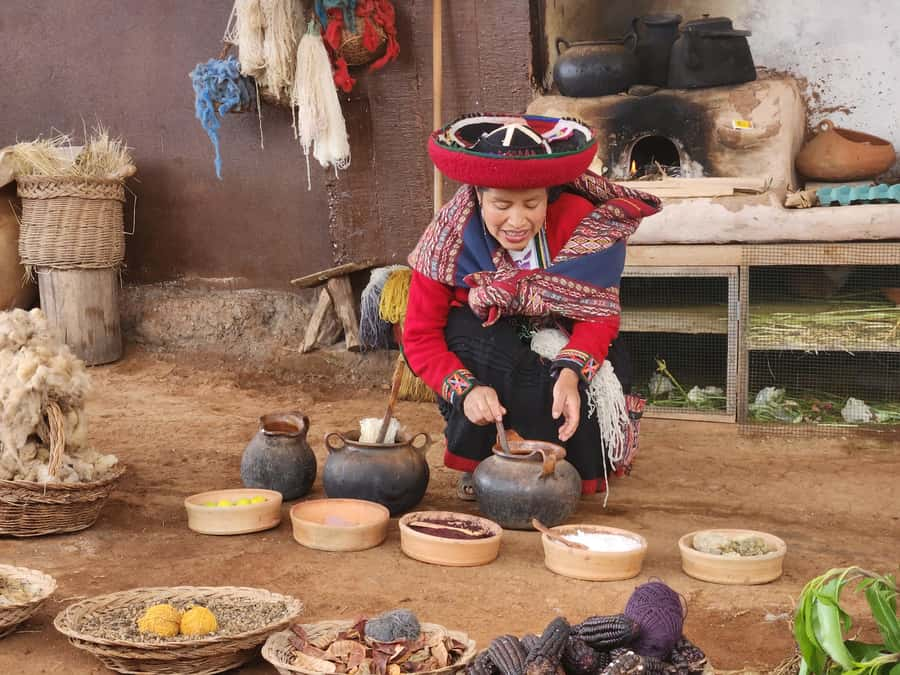
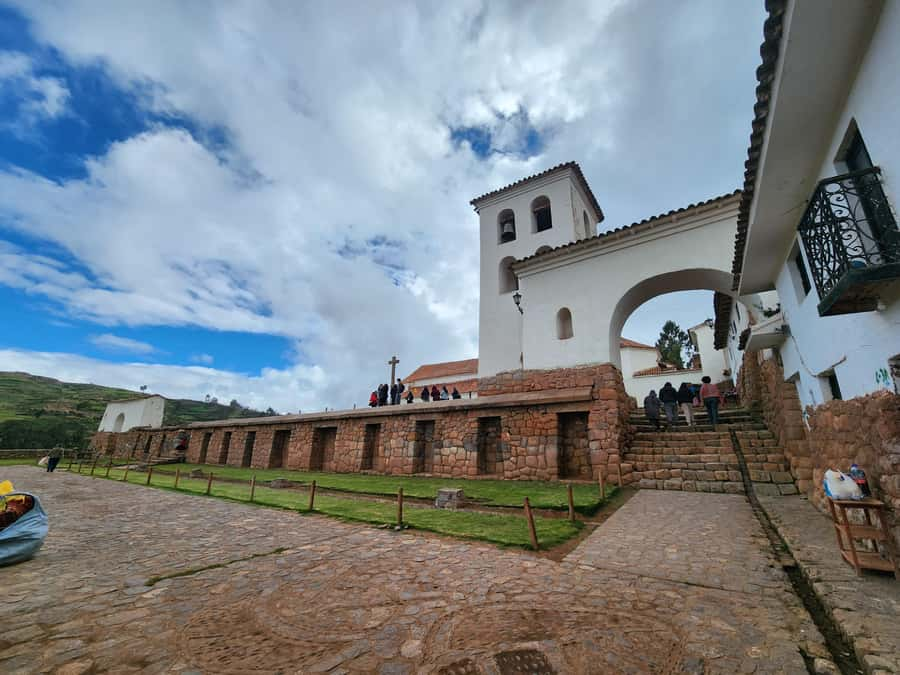
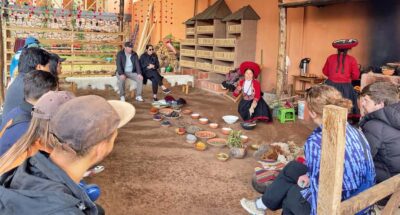
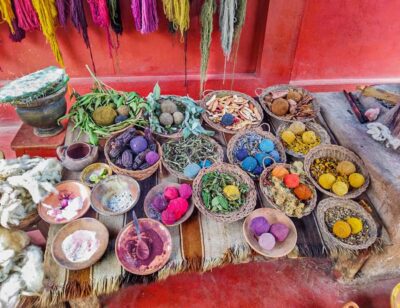
Chinchero is where the Sacred Valley feels human, not just archaeological. The stop usually includes a photo moment, a guided visit (about an hour), and the chance to see how traditional Andean weaving is done.
What I like here is that you get context for Inca-era and later Andean culture through something practical. Weaving in the Andes is not just a craft, it is tied to identity, patterns, and how communities pass knowledge down through generations. When a guide explains the history behind what you see, it makes the colors and patterns feel intentional, not random decoration.
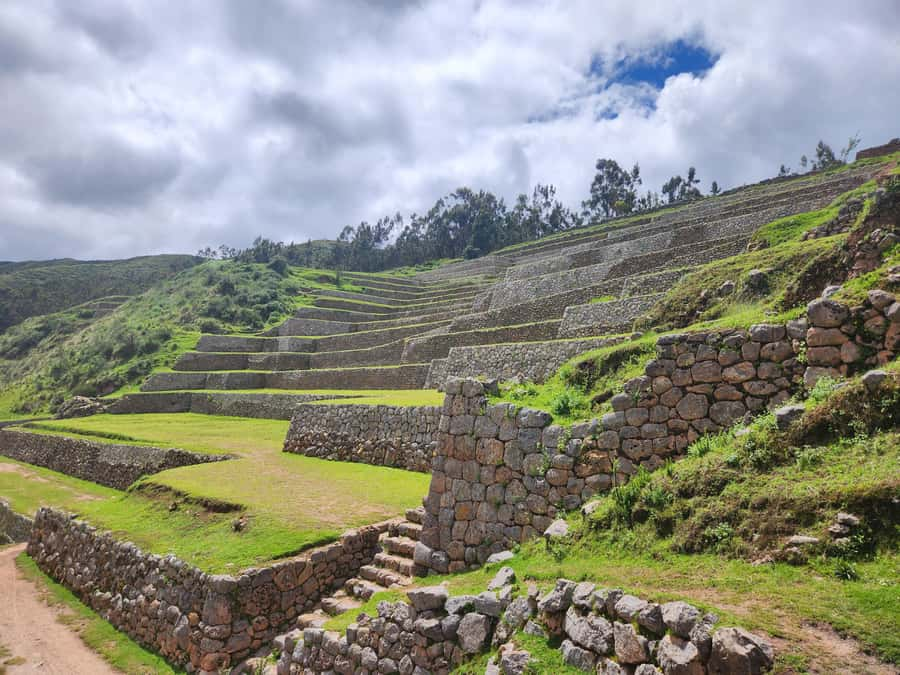
There are also Inca remains and a colonial church area nearby, so you can spot layers of time in one stop. If you enjoy travel that mixes food, craft, and ruins, this is the right place to start.
One consideration: this kind of stop can sometimes feel like a sales moment if you are not in the mood to browse. I suggest treating it like a learning stop first, shopping second. If you want to keep things simple, focus on the demonstration and skip purchases unless something truly fits your budget.
Moray’s Circular Terraces: An Inca Agricultural Lab
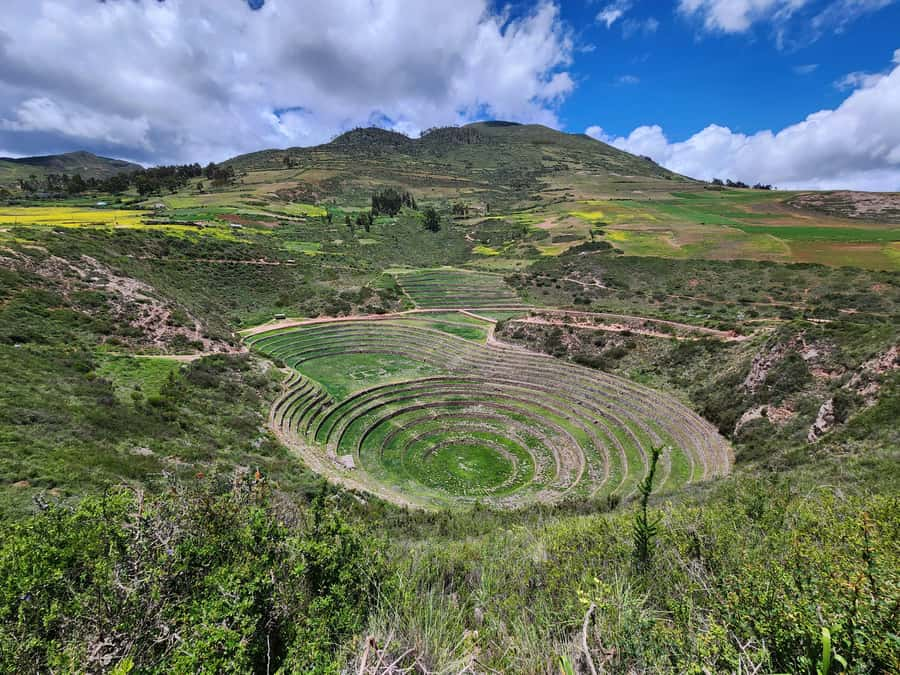
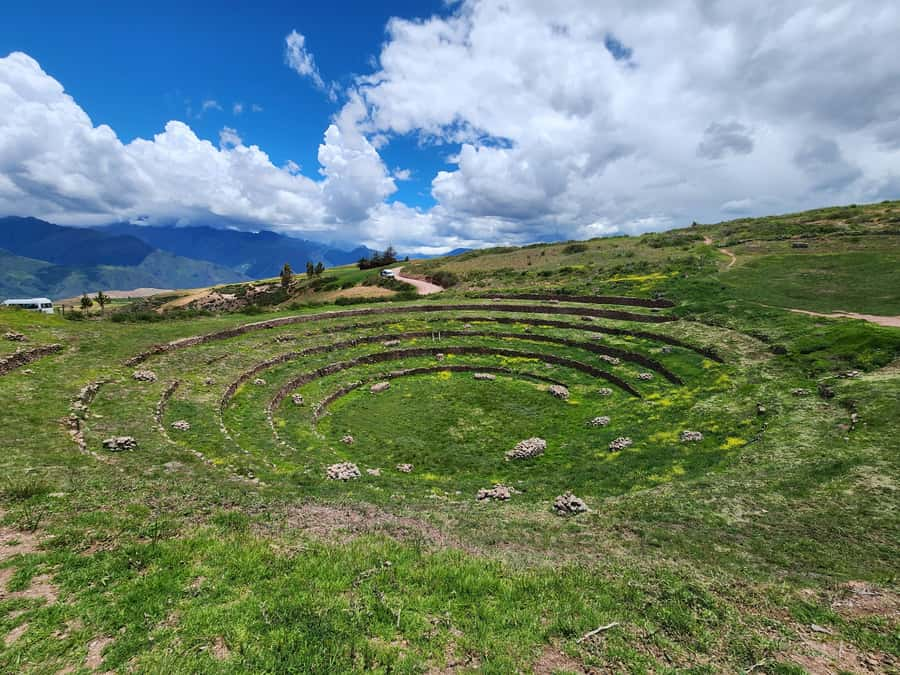
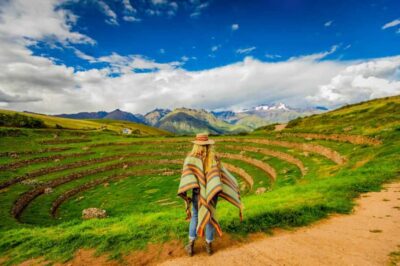
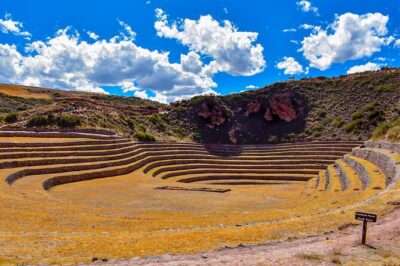
Moray is the kind of site that looks like art from a distance, then becomes more interesting once you understand what it was for. You visit for around 30 minutes, with time for photos and a guided walk among the terraces.
The big takeaway is the circular design and the way the Incas used it as a practical experiment. These terraces are believed to have helped adapt farming to different conditions at different altitudes. It’s a reminder that Inca engineering was not only about temples and roads. They were also thinking like scientists about crops, water, and microclimates.
Even with a short visit, Moray helps you “read” the valley differently. After you’ve seen it, the Sacred Valley stops being just scenery. You start noticing how humans used slopes, elevation, and geometry to make food possible.
A pacing note: some days can feel rushed at Moray if your tour includes extra stops elsewhere. If you want photos and time to look slowly, go at your own speed once you are there, and ask your guide quick questions while you still have time.
Maras Salt Mines: Thousands Of Small Pools Still In Use
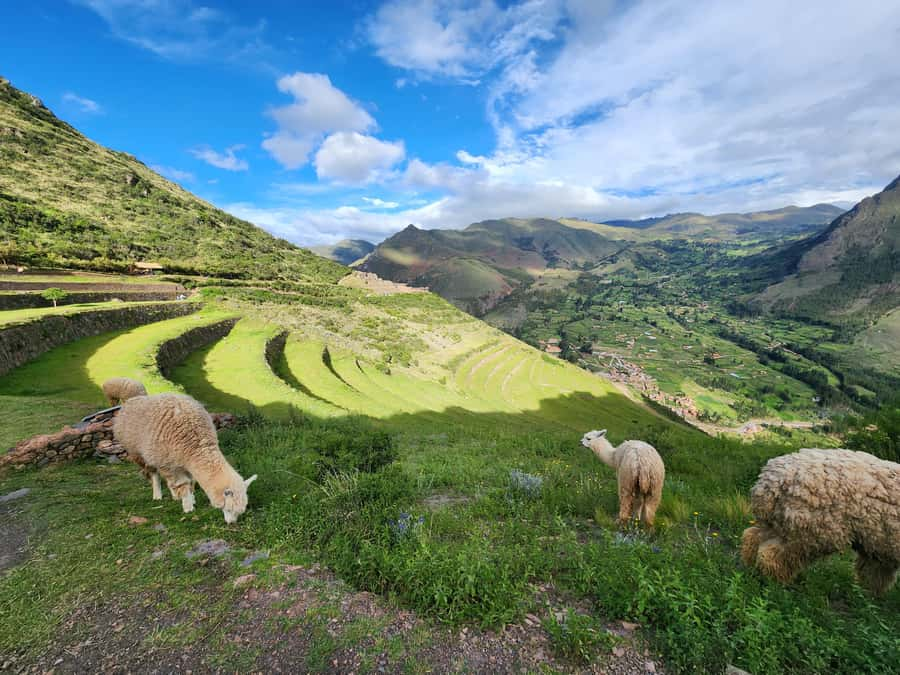
Maras is famous for its salt mines, and the visual is unforgettable. Instead of one dramatic quarry, you see thousands of small pools carved into the hillside, fed by natural brine. It is production you can walk past and understand in a glance.
You typically get about 30 minutes here. That is enough to take pictures, see how the pools are laid out, and learn the historical continuity. The Incas used salt harvesting long ago, and today the system still echoes that original use.
This stop also has a social side. Even when it is not a long stay, you get a sense of how local communities work with the landscape. If you like agriculture and everyday history, you will probably enjoy Maras more than you expect.
Just keep expectations realistic. The time is tight, and you may have additional short stops related to salt or salt products depending on the day. I recommend deciding before you go whether you want shopping to be part of your experience. If not, simply enjoy the mines and move on.
Pisac market and Ollantaytambo fortress, other runs
Urubamba Lunch: A Buffet That Buys You Time
Lunch happens in Urubamba, usually with a buffet and about 45 minutes to eat. This is not gourmet dining, but it does the job: warm food, refuel time, and a break from the van.
I like this structure because it protects your energy. When you are doing Chinchero, Moray, and Maras back-to-back, you do not want to gamble on finding a good meal on your own. The buffet format is also practical in case you are hungry at different times, because you can eat quickly and keep moving.
A small practical tip: eat something filling but not too heavy, then drink water. You still have Ollantaytambo and Pisac after lunch, and those are the places where you will want your legs and your attention.
Ollantaytambo: A Living Inca Town You Can Actually Walk
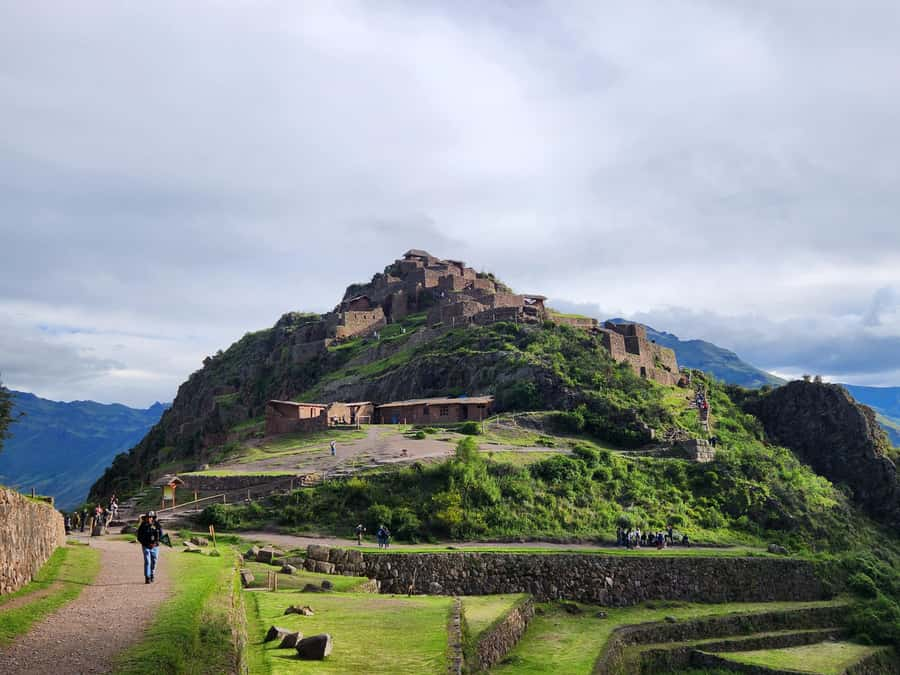
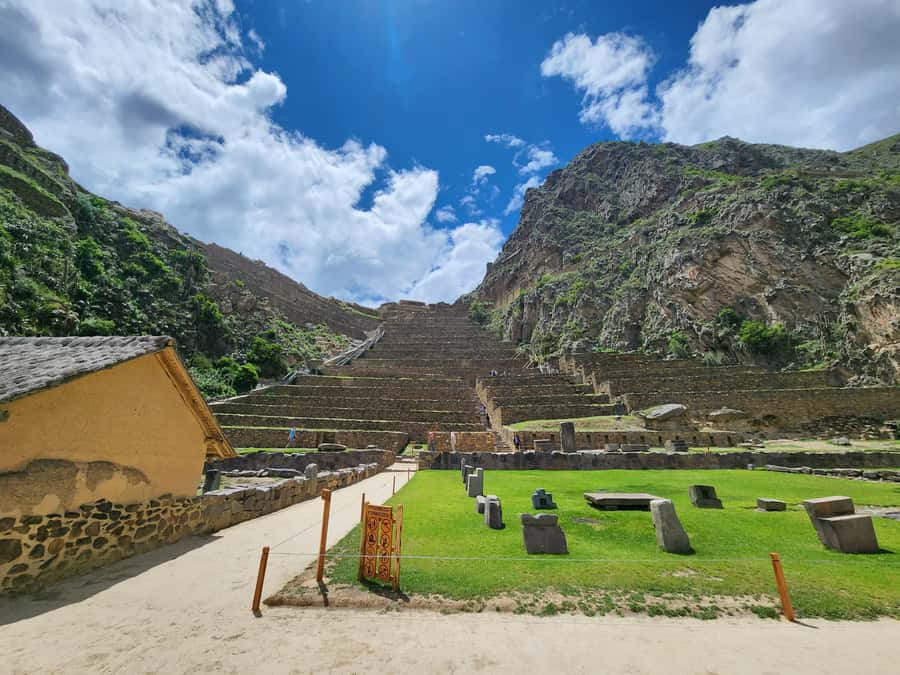
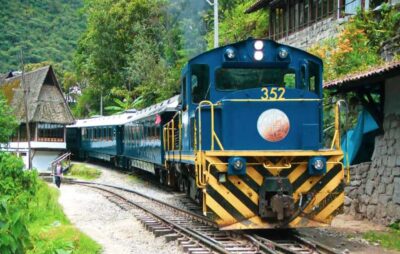
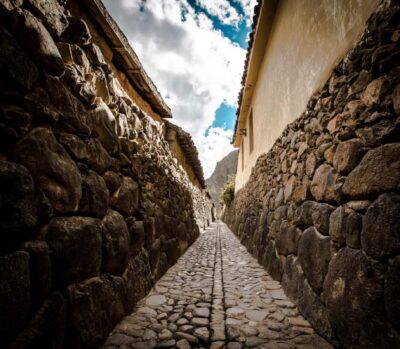
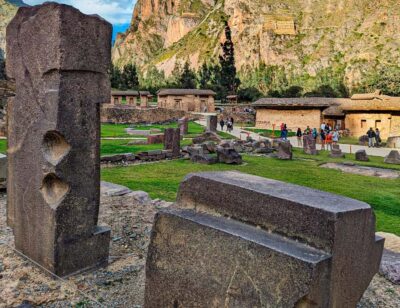
Ollantaytambo is one of the most rewarding stops on the route. You spend about 40 minutes with photos and a guided visit of the Inca town area, including terraces, temples, and the ceremonial zones.
What makes this place click for me is how preserved and “town-like” it feels. This was an important administrative and religious center for the Inca Empire, and you can read that purpose through the layout. The strategic setting and the way structures are arranged make it easier to understand why this location mattered.
Compared to stops that are mostly viewpoint-hopping, Ollantaytambo rewards walking a bit more. Even within a time-box, you can get a sense of movement, space, and architecture that served real people. It’s also a great bridge between the archaeology and the human side of the story.
One caution: like many Sacred Valley tours, your time can feel short if your group is moving quickly or if you are hitting the day’s schedule to the minute. So if you care about detail, ask your guide what you should look for first, then spend the rest of your time on those exact elements.
Pisac Ruins: Terraces, Tombs, And Big Mountain Drama
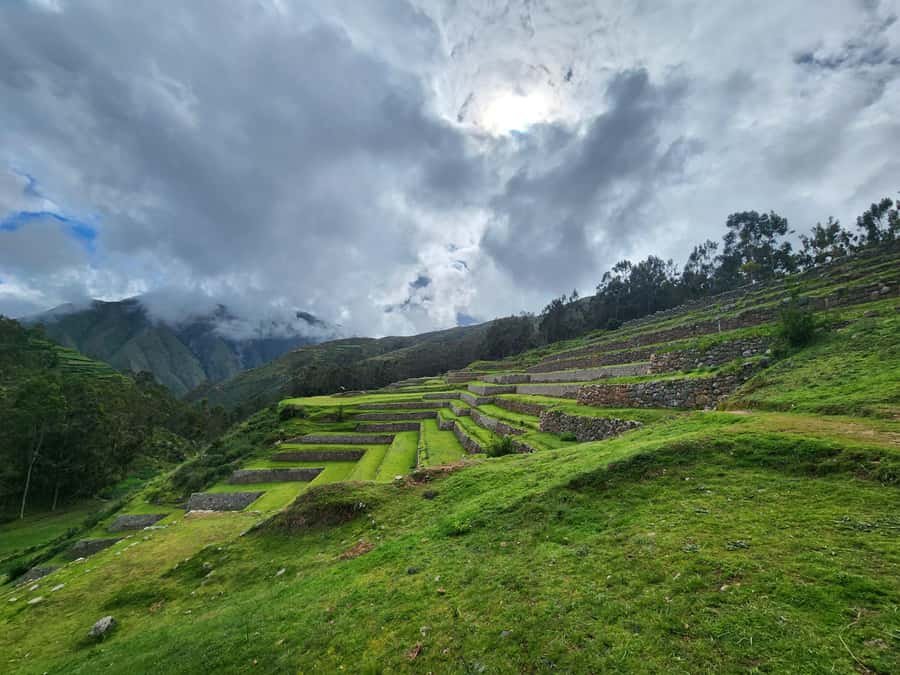
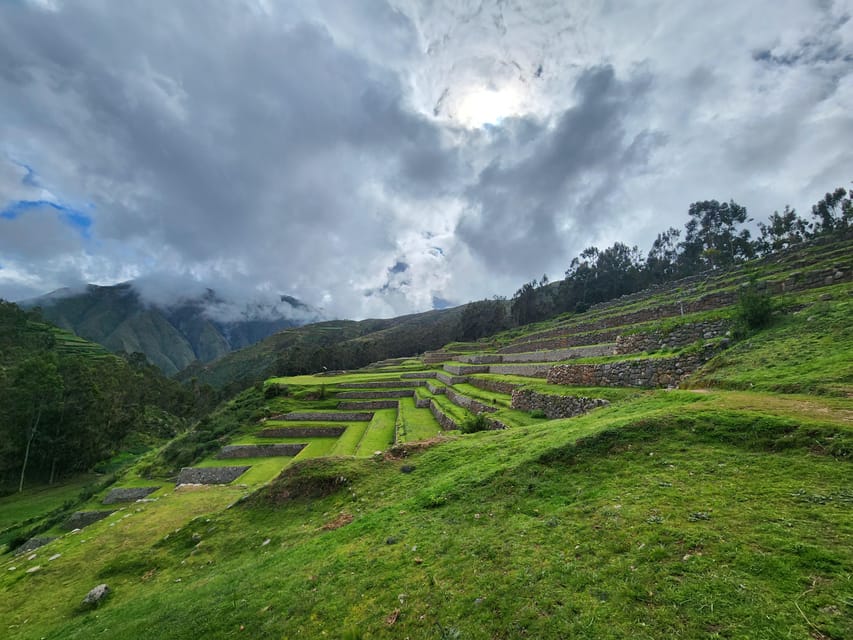
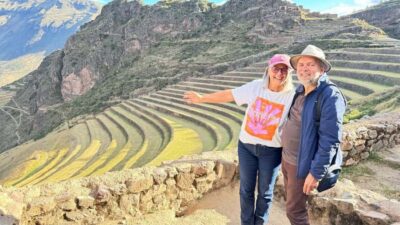
Pisac is the final major archaeological stop, usually with about 30 minutes for photos and a guided visit. And yes, it is expansive. You see terraces, tombs, and religious structures set high with a dramatic backdrop.
This stop is often the one that feels tight near closing time. On some schedules, you may arrive and only get a brief window to explore. If you are the kind of person who likes to linger, prioritize a few areas and do not try to see everything in one sprint.
That said, even a short visit can be worth it if you go in with the right mindset. Look for the terrace systems and imagine how they supported life. Then shift your attention to the tomb and religious zones to connect the landscape with Inca ritual thinking. A good guide makes this easier, especially when they explain how these areas fit together.
If you want better photos, do your best to arrive ready. Comfortable shoes help because even the “walk-around time” can involve steps and uneven ground.
Timing Reality Check: Why This Day Can Feel Rushed
This is a long, packed tour. The van time between stops adds up, and the day is designed to hit multiple sites plus lunch. Expect a schedule that keeps the group moving, especially early in the morning when tours aim to beat crowds.
I also want you to be aware of a pattern that can happen on days like this: extra stops tied to weaving, salt-related areas, and sometimes other craft shopping. You might spend time browsing, and that can reduce how long you get at Moray or Pisac. Some days feel balanced, other days can feel like the shopping portion eats into the archaeological portion.
Two practical ways to handle it:
- Decide ahead of time whether you want to buy anything, so you do not lose mental energy in a sales-style detour.
- Use your time with your guide. Ask one or two focused questions early, so you get deeper value even if the walk is short.
Also, English and Spanish explanation may happen in the same day. Guides are bilingual, but juggling two languages can affect the speed of explanations. If you are fluent in one language but not the other, be ready for some sections to move fast.
Price and Logistics: The $35 Value Plus Tickets
The headline price is $35 per person, for a full-day van tour with hotel pickup, a professional guide in Spanish and English, and a lunch buffet. For many people, that is solid value because you are paying for transportation, interpretation, and a structured route.
But the total cost is not just the $35. You also need the archaeological tickets that are not included:
- Tourist ticket: 70 soles
- Entrance ticket to Maras: 20 soles
So when you budget, think of this as a packaged guide and transport cost plus separate site entry fees. If you already planned to visit these sites anyway, the guide and van can still save time and hassle.
One more logistics detail: drones are not allowed. If you bring a drone, leave it behind, or you may run into problems at sites.
For the day, you also want some local currency for personal spending and tips.
What I’d Do Differently If I Had One Free Afternoon
If you have the budget and time, you can use this tour like a sampler, then decide where to return. The best candidates for a second visit are usually Ollantaytambo and Pisac, because they tend to reward slower exploration.
For your photos: take a quick wide shot at every stop, then spend your remaining time focusing on one theme. At Moray, focus on terrace patterns. At Maras, focus on the pool layout. At Ollantaytambo, focus on the relationship between terraces and ceremonial spaces. At Pisac, focus on terraces plus the tomb areas.
And if altitude is hitting you, do not fight it. Slow down for 10 minutes, sip water, and let your body catch up. The route is short enough to recover if you handle it early.
Who This Sacred Valley Tour Is Best For
This tour is a great fit if:
- You have limited time and want the main Sacred Valley stops in one day.
- You prefer a guide to explain Inca history in a way that connects the sites.
- You like practical pacing that gets you from one highlight to the next without transportation headaches.
- You want a mix of ruins and real cultural life, especially with the weaving stop.
It is not ideal if:
- You hate shopping stops or sales-y detours.
- You want long, quiet exploration at each site.
- You dislike time pressure around site closing.
If you are traveling with someone who loves photos, this route gives you lots of viewpoints and photo angles. If you are traveling solo and enjoy learning, the guide-led structure keeps you from getting lost in the weeds.
Should You Book This Tour?
Yes, I’d book it if you want maximum Sacred Valley value in a single day and you are okay with a schedule that moves. The included guide and lunch help a lot, and the route covers the big names, Chinchero, Moray, Maras, Ollantaytambo, and Pisac, in a logical story arc.
I would book with a small adjustment in mind: treat it as an orientation day. You will see plenty, but you might not see everything slowly. If you can add extra time later, you will get even more from your first visit.
If you are very photo-driven or detail-driven, go in mentally prepared for shorter windows, and pick what you care about most before the van doors close.
FAQ
How long is the Sacred Valley tour from Cusco?
It runs for 1 day.
What sites are included on this full-day route?
Chinchero, Moray, Maras, Ollantaytambo, and Pisac.
Is hotel pickup included?
Yes. The tour includes hotel pick-up in Cusco.
What about lunch?
Lunch is a buffet in Urubamba, and it is included.
Are entrance fees included in the price?
No. The tourist ticket is not included (70 soles), and Maras has an additional entrance ticket (20 soles).
What languages will the guide speak?
The guide provides live commentary in Spanish and English.
What should I bring?
Bring comfortable walking shoes, a hat, a camera, sunscreen, and water.
Are drones allowed?
No, drones are not allowed.
Where does the tour finish?
It finishes at Plaza Regocijo.
Can I cancel for a full refund?
Yes, you can cancel up to 24 hours in advance for a full refund.
If you tell me your travel month and whether you prefer photos or deeper walking, I can suggest the best way to pace yourself on this exact route.
More Tour Reviews in Ollantaytambo
- From Cusco: Sacred Valley & Maras Salt Mines Tour with Lunch
★ 4.8 · 2,227 reviews - From Ollantaytambo:Moray, Salt Mines, Chinchero end in Cusco
★ 5.0 · 42 reviews - From Cusco: Sacred Valley ending in Ollantaytambo and Lunch
★ 4.3 · 36 reviews - From Ollantaytambo: Moray, Maras, and Chinchero Guided Tour
★ 4.5 · 11 reviews - From Cusco: Sacred Valley Group Tour with Buffet Lunch
★ 5.0 · 9 reviews
Pisac and Ollantaytambo Again
- From Ollantaytambo:Moray, Salt Mines, Chinchero end in Cusco
★ 5.0 · 42 reviews - From Cusco: Sacred Valley ending in Ollantaytambo and Lunch
★ 4.3 · 36 reviews - From Ollantaytambo: Moray, Maras, and Chinchero Guided Tour
★ 4.5 · 11 reviews - From Ollantaytambo:Private tour to Maras and Moray half day
★ 4.6 · 7 reviews - From Cusco: Ollantaytambo Fortress Half-Day Private Tour
★ 5.0 · 3 reviews
Maras Salt and the Moray Rings
- From Cusco: Sacred Valley & Maras Salt Mines Tour with Lunch
★ 4.8 · 2,227 reviews - From Ollantaytambo:Moray, Salt Mines, Chinchero end in Cusco
★ 5.0 · 42 reviews - From Ollantaytambo: Moray, Maras, and Chinchero Guided Tour
★ 4.5 · 11 reviews - From Ollantaytambo:Private tour to Maras and Moray half day
★ 4.6 · 7 reviews - Cusco: Sacred Valley + Maras and Moray
★ 4.5 · 4 reviews
Freshly reviewed across Ollantaytambo
- From Cusco: Ollantaytambo Fortress Half-Day Private Tour★ 5.0 · 3 reviews
- Cusco: Sacred Valley + Maras and Moray★ 4.5 · 4 reviews
- From Ollantaytambo:Private tour to Maras and Moray half day★ 4.6 · 7 reviews
- From Cusco: Sacred Valley Group Tour with Buffet Lunch★ 5.0 · 9 reviews
- From Cusco: Chinchero, Moray, Maras, Ollantaytambo and Pisaq★ 4.6 · 11 reviews
- From Ollantaytambo: Moray, Maras, and Chinchero Guided Tour★ 4.5 · 11 reviews
Maras and Moray Tours side by side.
 ★ 4.8From Cusco: Sacred Valley & Maras Salt Mines Tour with LunchFrom $282,227 reviews
 ★ 4.8From Cusco: Moray, Maras Salt Mines & Chinchero Weavers TourFrom $151,925 reviews
 ★ 4.6Cusco: Sacred Valley, Pisac, Ollantaytambo, Salt Mines MorayFrom $281,058 reviews
 ★ 4.8Cusco:Chinchero,Moray & Salt Mines drop-off in OllantaytamboFrom $27793 reviews
 ★ 4.8Sacred Valley: Chinchero, Moray, Ollantaytambo & Pisac+LunchFrom $25501 reviews
 ★ 4.6Sacred Valley: Maras & Moray by Quad Bike from CuscoFrom $39418 reviews
 ★ 4.7From Cusco: Quad bike tour Moray and Salt MinesFrom $27314 reviews
 ★ 5.0From Cusco: Moray, Maras Salt Mines & Chinchero Weavers Half-DayFrom $15126 reviews
Also on these Peru lists