
REVIEW · PISAC AND OLLANTAYTAMBO
From Cusco: Ollantaytambo Fortress Half-Day Private Tour
150 steps, then ancient power. Ollantaytambo makes this half-day feel like a real Sacred Valley detour, with Inca stonework, cobbled lanes, and terraces you can take in at a steady pace. I especially like that it pairs the Ollantaytambo fortress complex with a short look at the living town, so you’re not stuck staring at ruins only. I also appreciate the clear focus on the big ticket features, like the Temple of the Sun and the Terrace of the Ten Niches.
One thing to think about first: this tour includes a climb up and down stairs, and it is not set up for wheelchair users.
Your guide works in English and Spanish, and you’ll start from Cusco Historic Center hotels with pickup and drop-off included. The whole experience is designed to fit neatly into a Cusco schedule, especially if you’re moving onward toward Machu Picchu.
In This Review
- Key Points You Should Care About
- How Ollantaytambo Fits Your Sacred Valley Schedule
- Getting There From Cusco: Pickup Makes It Feel Easy
- The Fortress Walk: 150 Steps That Tell You What This Place Was For
- Temple of the Sun and the Six Pink Granite Monoliths
- Terrace of the Ten Niches: A Built-in Photo and Story Stop
- Cobbled Streets, Ruins Everywhere, and Terraces You Can Actually Appreciate
- Manco Inca Versus the Spanish: Why This Fortress Holds Political Weight
- Where the Name Ollantaytambo Comes From
- The Ollantaytambo Town Part: Inca Urban Planning You Can Still Walk
- What You’ll Actually Need to Bring (No Fancy Packing)
- Timing and Pace: Why 5 Hours Can Work Well
- Price and Value: Is $126 Worth It?
- Who This Tour Suits Best
- Practical Tips Before You Go
- Should You Book This Ollantaytambo Half-Day Private Tour?
- FAQ
- How long is the Ollantaytambo Fortress half-day private tour?
- Is this a private tour?
- Do I get pickup and drop-off from Cusco?
- What ticket do I need to visit the fortress?
- What languages will the guide speak?
- What should I bring?
- Is the tour suitable for wheelchair users?
Key Points You Should Care About
- 150 steps to the fortress area give you real physical context for the views and the layout.
- Temple of the Sun details include six massive pink granite monoliths, weighing more than 50 tons.
- Terrace of the Ten Niches adds a photo-friendly, easy-to-follow stop inside the complex.
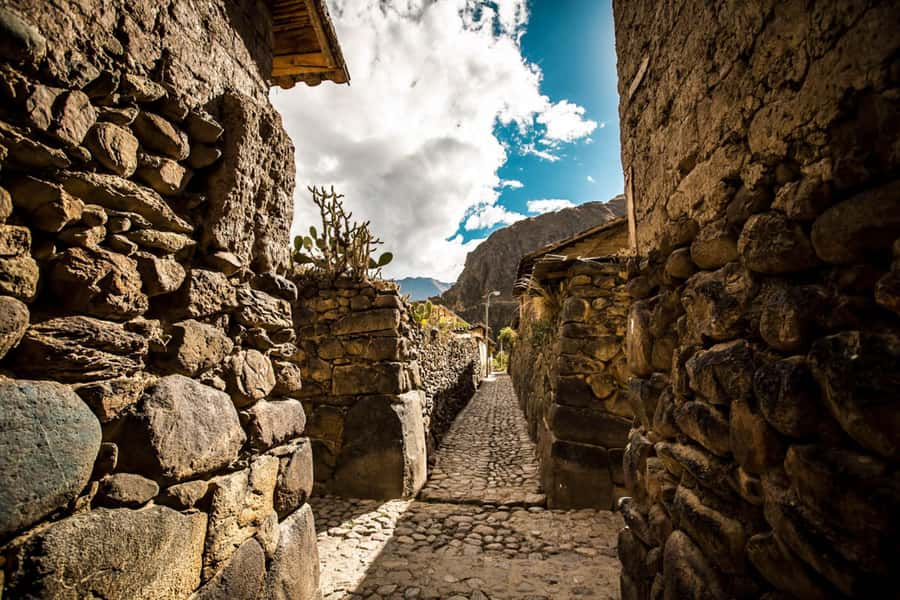
- Town visit shows Inca planning still in use, with shared central patios and narrow streets.
- Private format means you get a smoother pace and more Q&A time with your bilingual guide.
Pisac market and Ollantaytambo fortress, other runs
- From Ollantaytambo:Moray, Salt Mines, Chinchero end in Cusco
★ 5.0 · 42 reviews - From Cusco: Sacred Valley ending in Ollantaytambo and Lunch
★ 4.3 · 36 reviews - From Cusco: Chinchero, Moray, Maras, Ollantaytambo and Pisaq
★ 4.6 · 11 reviews - From Ollantaytambo: Moray, Maras, and Chinchero Guided Tour
★ 4.5 · 11 reviews
How Ollantaytambo Fits Your Sacred Valley Schedule
Ollantaytambo is the kind of place that makes you slow down, even when you’re on a half-day plan. The setting is part of the draw: this archaeological zone sits about 80 km from Cusco, in the Urubamba province, and it’s also about 40 km from Machu Picchu. That geography matters because it helps explain why people pass through Ollantaytambo on the way to other highlights, yet it still feels like its own destination.
In five hours, you’ll cover two different layers of the same place. First comes the fortress complex, with its stepped, fortified layout and major religious-military-agricultural features. Then you shift to the town, where the street plan and daily life still reflect what the Incas put in place long ago. That combo is where the value lives.
This is also a tour that respects your energy. The fortress is demanding in a specific way (stairs), but the time structure is straightforward. You’re not expected to do a full-day hike, and you’re not stuck in a long bus-and-wait routine either, at least based on how this experience is described as a half-day private outing.
Getting There From Cusco: Pickup Makes It Feel Easy
The logistics are simple, which is a big deal in Cusco. You’ll get pickup and drop-off from hotels in the Cusco Historic Center. That removes the usual headache of trying to coordinate transport on your own, especially if you’re juggling altitude, tight sightseeing blocks, and maybe another tour later.
A quick caution if you’re not staying in a hotel in the Historic Center: the tour specifically notes it does not include pickup from private residences like Airbnb. If that’s your situation, you should contact the operator days prior so you can coordinate an appropriate meeting point.
This kind of pickup matters because it keeps the day from expanding into a half-day that becomes a full-day. With a 5-hour duration, saving time at the start is the difference between feeling rushed and feeling relaxed.
The Fortress Walk: 150 Steps That Tell You What This Place Was For
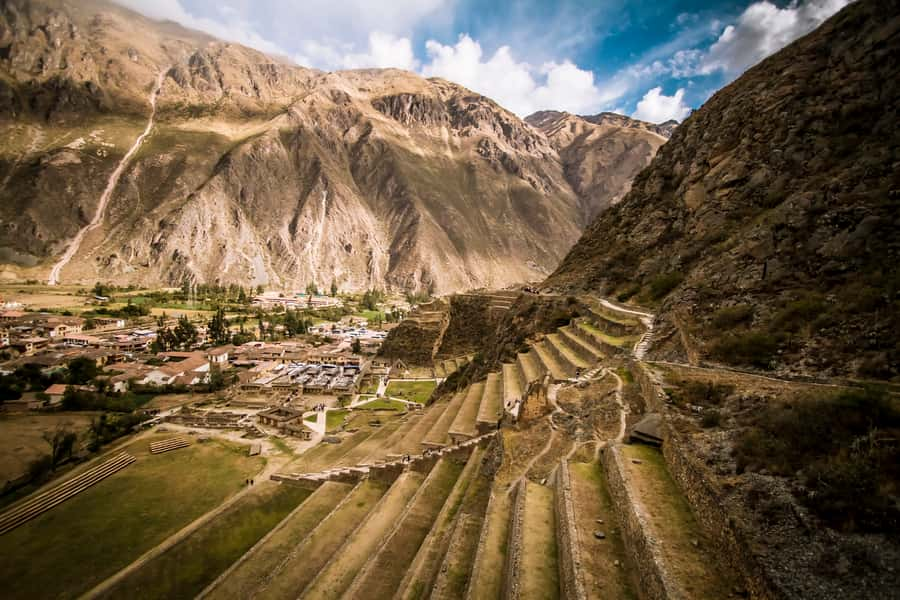
The tour’s main physical moment is the climb of about 150 steps from the lower area up to the fortress summit. You’re not just walking for views. You’re walking the same kind of vertical separation that helped define how the site worked.
As you make your way up, you’ll see why Ollantaytambo was described as a strategic military, religious, and agricultural center. In other words, the fortress wasn’t only a temple setting and it wasn’t only a defensive structure either. It also supported farming through agricultural terraces, and the stone-worked platforms are part of that function.
Here’s how I’d frame it for your expectations: terraces and platforms can look similar across Inca sites on a quick visit. But a stair climb changes your sense of scale. You feel how the builders used elevation to control movement, protect people, and manage land.
If you prefer low-effort sightseeing, this is where you should be honest with yourself. There are stairs, and the tour is not suitable for wheelchair users. Comfortable shoes are non-negotiable, and you’ll want to pace yourself.
Temple of the Sun and the Six Pink Granite Monoliths
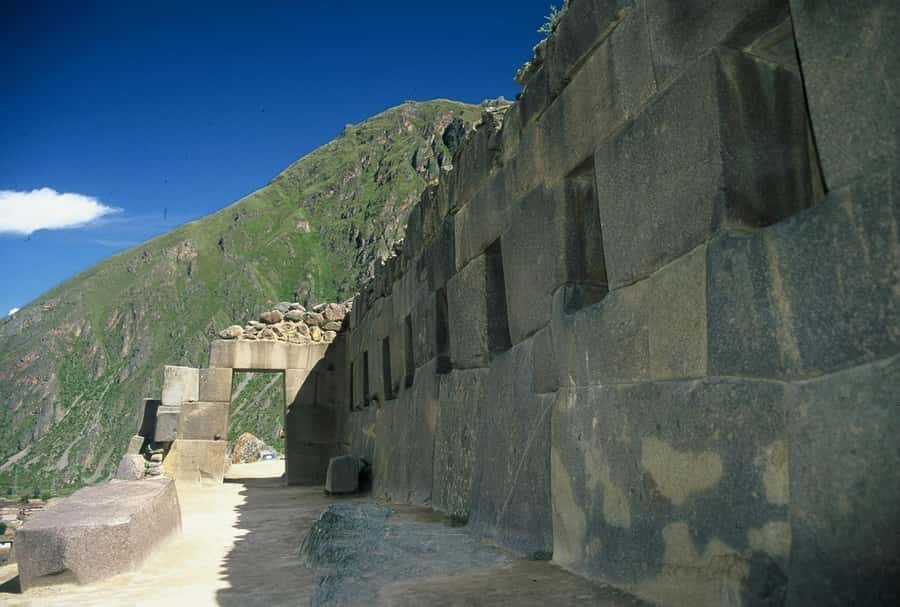
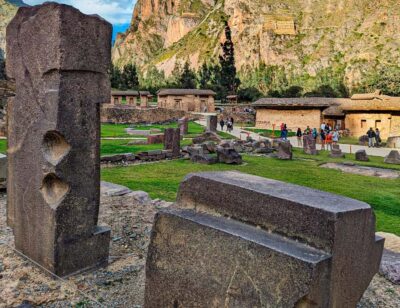
Once you reach the main fortress highlights, the Temple of the Sun is the feature you’ll hear about for good reason. It’s described as being formed by six huge monoliths of pink granite, with a weight of more than 50 tons. That’s not a tiny detail. Those numbers help you understand you’re looking at serious engineering, not decorative stone.
Religious sites can sometimes feel vague, like you’re seeing ruins with no clear story. The monoliths give you something concrete to focus on, and your guide can connect the setting to the site’s role.
Also, these monoliths are part of why the fortress works as a “half-day” stop. You get a high-impact highlight early enough that even if your pace is slowed by altitude or by that stair climb, you still reach the core experience.
Nearby in Ollantaytambo, these earned their own write-ups
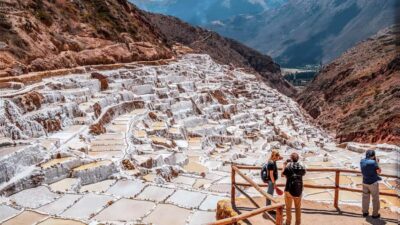
Terrace of the Ten Niches: A Built-in Photo and Story Stop
Another standout named in the tour is the Terrace of the Ten Niches. Niches on Inca structures often feel mysterious at first, but the important thing for you is practical: niches create strong visual rhythm, so they’re easy to notice and easy to photograph.
Even if you’re not a “ruin detail person,” this terrace is one of those spots where your brain starts mapping the site. It helps you understand the fortress as a designed environment, not random walls and broken platforms.
If you like having a clear anchor point while touring, this is it. Instead of trying to interpret the entire complex at once, you can orient around this named terrace and then expand your understanding from there.
Cobbled Streets, Ruins Everywhere, and Terraces You Can Actually Appreciate
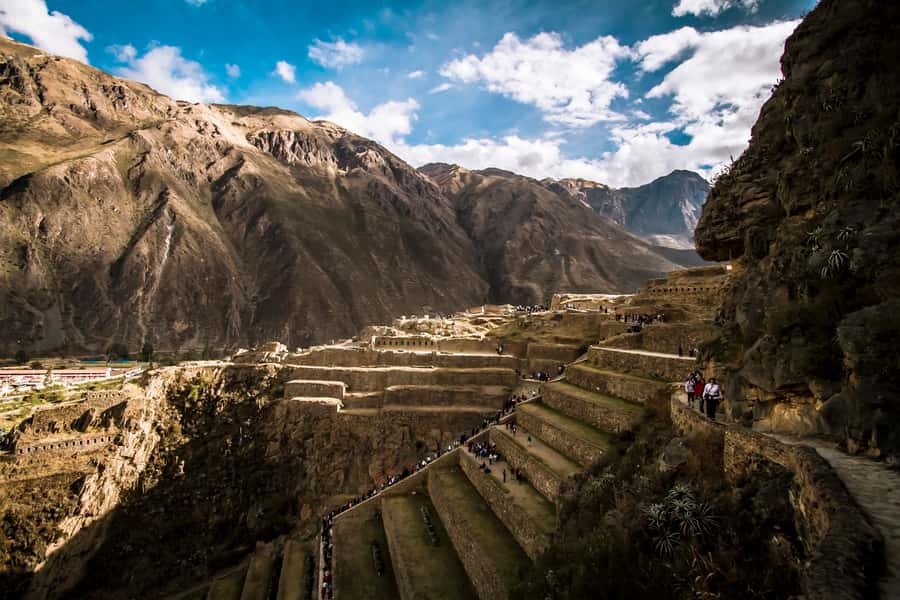
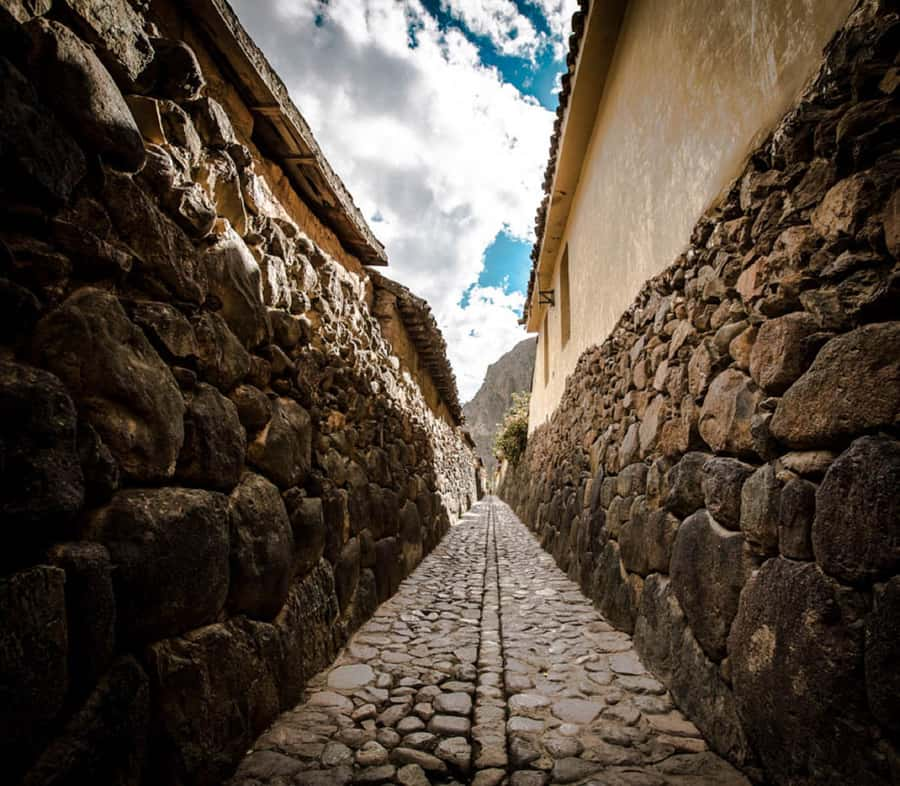
Ollantaytambo’s fortress area isn’t described as a clean, single-point monument. It’s cobbled and winding, with ruins scattered throughout and agricultural terraces you can appreciate in all their splendor.
That matters because it changes how the experience feels. Some archaeological stops are basically a straight line: see one wall, take a photo, move on. Here you’re walking through a layout, even as a visitor. The cobbled streets and the winding paths encourage slow looking.
And because the tour is private, the pace can be more “you” than “group.” If you’re the type who wants to stop for one extra look at how the stonework holds together, this format is a better match than a rushed group scramble.
Manco Inca Versus the Spanish: Why This Fortress Holds Political Weight
Ollantaytambo is also not presented as a silent set of stones. It carried a role in major events. The tour notes that Manco Inca faced the Spanish troops of Hernando Pizarro here and was victorious.
Even if you know the broad story of the conquest, placing it inside a specific geography helps. It turns the fortress from “old” into “important.” You’re seeing a site that functioned in conflict, not only in ceremony.
This is one reason the fortress feels different from some other Inca ruins you might see later in the region. It’s not only about temples and terraces. It’s also about control, defense, and survival.
Where the Name Ollantaytambo Comes From
You’ll likely hear about the meaning of the name. The word Ollantaytambo is said to derive from Quechua ‘Ulla-nta-wi,’ meaning place to see down.
That clue is worth keeping in your head while you’re there. It matches the idea of being on higher ground and taking in the layout below. Even if you’re not an etymology nerd, a place-name meaning can sharpen your sense of direction fast.
The Ollantaytambo Town Part: Inca Urban Planning You Can Still Walk
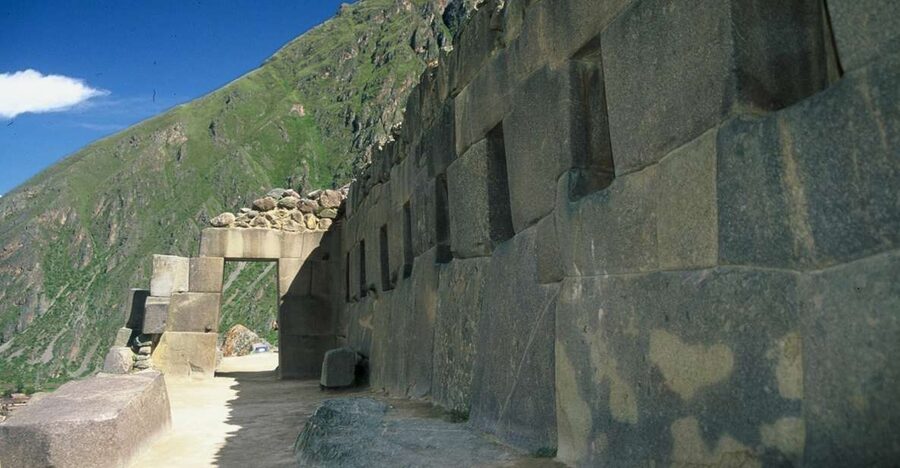
After the fortress, the tour ends with a short visit to the town itself. This is where Ollantaytambo becomes more than an archaeological stop and turns into a living place.
The tour describes the town as a typical example of Inca urban planning. You’ll see narrow streets opening toward the Urubamba River, and you’ll notice a layout based on blocks and courts. The design is described as groups of houses that share the same door to a central patio.
This is the kind of detail that can make the town feel more meaningful, because you start recognizing the structure underneath daily life. The tour also notes that residents still live in accordance with traditions inherited from their Inca ancestors, and that narrow streets have been inhabited uninterruptedly since Inca times.
For you, the takeaway is simple: this isn’t just a quick “view from the sidewalk” moment. It’s a chance to understand how planning and community life were tied together, and how that continues.
What You’ll Actually Need to Bring (No Fancy Packing)
This is a no-drama tour, but you do need the basics right.
Bring:
- Comfortable shoes (you’ll climb those 150 steps)
- Sunscreen
- Comfortable clothes
That’s it. Don’t overpack. If you’re visiting in the sun, sunscreen is the easiest win. And because you’re moving between stone surfaces, streets, and terraces, sturdy footwear is the comfort factor that decides whether you enjoy the walk or resent it.
Timing and Pace: Why 5 Hours Can Work Well
The tour lasts 5 hours. That’s a sweet spot for a Sacred Valley day. It’s long enough for real sightseeing and a proper look at the fortress highlights. It’s short enough that you’re not forced into a full travel day fatigue spiral.
Also, the tour is described as a private group, so you avoid the awkward situation where you’re waiting on other people to finish photos. Instead, you can keep your momentum and ask questions as you go.
If you’re combining this with other plans in the Cusco area, treat it like a half-day “anchor” you can build around. The fortress and the town provide both spectacle and context, without requiring an entire day commitment.
Price and Value: Is $126 Worth It?
At $126 per person, this tour sits in the midrange for private excursions from Cusco, and the question is whether you get enough out of it.
You do get several things that normally cost extra when you travel independently:
- Hotel pickup and drop-off from Cusco Historic Center
- A professional bilingual guide in English and Spanish
- A focused 5-hour route that concentrates on named highlights like the Temple of the Sun and Terrace of the Ten Niches
One thing not included is the Cusco Tourist Ticket (BTC), which you’ll need for visiting the fortress. That extra cost can affect the final value for you, so budget for it before you compare prices.
If you like guided context, especially for why a site is military, religious, and agricultural all at once, this price starts to make sense. If you’d rather wander without interpretation, you might feel you’re paying for the guide time. But for most visitors, the fortress features plus the town planning detail are exactly the kind of stuff a guide helps you see more clearly.
Who This Tour Suits Best
This tour fits well if you:
- Want a Sacred Valley highlight that is shorter than a full-day excursion
- Prefer a private group pace
- Like Inca sites where the design is part of the story, not just scenery
- Appreciate named features like the Temple of the Sun monoliths and the Ten Niches terrace
It’s not a great fit if you:
- Need wheelchair access (the tour notes it is not suitable)
- Want a fully flat route, because the experience includes stairs
Practical Tips Before You Go
A few small choices will help you enjoy the day:
- Wear shoes that grip well on cobblestones and stone paths.
- Pace the stair climb. You do not need to win a race to enjoy the views.
- Use sunscreen early, even if clouds are around. Stone and open sky add up fast.
- Remember the fortress visit requires the Cusco Tourist Ticket (BTC). Plan that ahead so you don’t hit a wall at the entrance.
If you’re staying in an Airbnb or outside the Historic Center hotel zone, check pickup planning early so you don’t waste your limited tour time figuring out where to meet.
Should You Book This Ollantaytambo Half-Day Private Tour?
I’d book it if you want a guided, efficient way to understand Ollantaytambo as more than one thing. The mix of fortress highlights, the stair-defined experience, and the short town walk where Inca planning still shows up makes this tour feel “complete” for a half-day.
Skip or reconsider if stairs are a deal-breaker for you. And do budget for the Cusco Tourist Ticket (BTC), since it is required for the fortress and not included in the tour price.
If your goal is to see the Temple of the Sun monoliths, the Terrace of the Ten Niches, and the town layout that still shapes daily life, this is a strong match.
FAQ
How long is the Ollantaytambo Fortress half-day private tour?
The tour duration is 5 hours.
Is this a private tour?
Yes, it is described as a private group.
Do I get pickup and drop-off from Cusco?
Yes. Pickup and drop-off are included from hotels located in the Cusco Historic Center.
What ticket do I need to visit the fortress?
You need the Cusco Tourist Ticket (BTC) to visit Ollantaytambo fortress, and it is not included.
What languages will the guide speak?
The professional bilingual tour guide speaks English and Spanish.
What should I bring?
Bring comfortable shoes, sunscreen, and comfortable clothes.
Is the tour suitable for wheelchair users?
No. It is not suitable for wheelchair users.
More Tours in Ollantaytambo
- From Cusco: Sacred Valley & Maras Salt Mines Tour with Lunch
★ 4.8 · 2,227 reviews - From Ollantaytambo: Moray, Maras, and Chinchero Guided Tour
★ 4.5 · 11 reviews - From Cusco: Sacred Valley Group Tour with Buffet Lunch
★ 5.0 · 9 reviews - From Ollantaytambo:Private tour to Maras and Moray half day
★ 4.6 · 7 reviews
More Tour Reviews in Ollantaytambo
- From Cusco: Sacred Valley & Maras Salt Mines Tour with Lunch
★ 4.8 · 2,227 reviews - From Ollantaytambo:Moray, Salt Mines, Chinchero end in Cusco
★ 5.0 · 42 reviews - From Cusco: Sacred Valley ending in Ollantaytambo and Lunch
★ 4.3 · 36 reviews - From Cusco: Chinchero, Moray, Maras, Ollantaytambo and Pisaq
★ 4.6 · 11 reviews - From Ollantaytambo: Moray, Maras, and Chinchero Guided Tour
★ 4.5 · 11 reviews
Pisac and Ollantaytambo Again
- From Ollantaytambo:Moray, Salt Mines, Chinchero end in Cusco
★ 5.0 · 42 reviews - From Cusco: Sacred Valley ending in Ollantaytambo and Lunch
★ 4.3 · 36 reviews - From Cusco: Chinchero, Moray, Maras, Ollantaytambo and Pisaq
★ 4.6 · 11 reviews - From Ollantaytambo: Moray, Maras, and Chinchero Guided Tour
★ 4.5 · 11 reviews - From Ollantaytambo:Private tour to Maras and Moray half day
★ 4.6 · 7 reviews
Freshly reviewed across Ollantaytambo
- From Cusco: Ollantaytambo Fortress Half-Day Private Tour★ 5.0 · 3 reviews
- Cusco: Sacred Valley + Maras and Moray★ 4.5 · 4 reviews
- From Ollantaytambo:Private tour to Maras and Moray half day★ 4.6 · 7 reviews
- From Cusco: Sacred Valley Group Tour with Buffet Lunch★ 5.0 · 9 reviews
- From Cusco: Chinchero, Moray, Maras, Ollantaytambo and Pisaq★ 4.6 · 11 reviews
- From Ollantaytambo: Moray, Maras, and Chinchero Guided Tour★ 4.5 · 11 reviews
Pisac and Ollantaytambo Tours side by side.
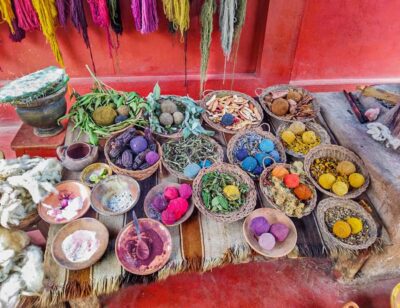 ★ 4.8From Cusco: Moray, Maras Salt Mines & Chinchero Weavers TourFrom $151,925 reviews
 ★ 4.6Cusco: Sacred Valley, Pisac, Ollantaytambo, Salt Mines MorayFrom $281,058 reviews
 ★ 4.8Cusco:Chinchero,Moray & Salt Mines drop-off in OllantaytamboFrom $27793 reviews
 ★ 4.8Sacred Valley: Chinchero, Moray, Ollantaytambo & Pisac+LunchFrom $25501 reviews
 ★ 4.5Pisac Indian Market and Ollantaytambo Fortress with LunchFrom $84395 reviews
 ★ 4.8Cusco:Sacred Valley Pisaq,Ollantaytambo,Chinchero with LunchFrom $28183 reviews
 ★ 4.5Full-Day Excursion to Sacred Valley, Pisac and Ollantaytambo from CuscoFrom $47174 reviews
 ★ 5.0From Cusco: Moray, Maras Salt Mines & Chinchero Weavers Half-DayFrom $15126 reviews
Also on these Peru lists