
REVIEW · MARAS AND MORAY
From Cusco: Chinchero Weavers, Moray, Maras Salt Mines Tour
Three stops, one smart Inca story. This Cusco tour links Moray’s climate terraces with Maras salt ponds and finishes in Chinchero to learn about the textile process. I like that the route is built to help you actually understand what you’re seeing, and that your bilingual guide can make the explanations clear in both Spanish and English. The one drawback to plan for is that Moray and the salt mines entrances are extra, so your final cost is higher than the base tour price.
You start at 8:00 a.m. with hotel pickup from Cusco’s historic center and typically return around 15:00. If you want an active half-day with real sights, not just a long drive, this fits well. Keep in mind the day includes walking on uneven ground, and it is not suitable for wheelchair users or people with pre-existing medical conditions.
In This Review
- Key reasons this tour works well
- Moray’s circular terraces, the Inca agricultural lab
- Maras salt mines and the “3,500 ponds” effect
- Chinchero weavers, plus the textile process you can watch explained
- Timing, transport, and what you should budget beyond the $13
- How the bilingual guide changes the experience
- What to bring, and how to keep the day comfortable
- Who should book this Moray, Maras, Chinchero tour
- Should you book this tour?
- FAQ
- What time does the tour start and end?
- How long is the tour?
- What is included in the price?
- Are Moray and the Maras salt mines entrances included?
- What should I bring?
- Is there free cancellation?
Key reasons this tour works well
- Moray’s circular terraces show the Incas experimenting with climate
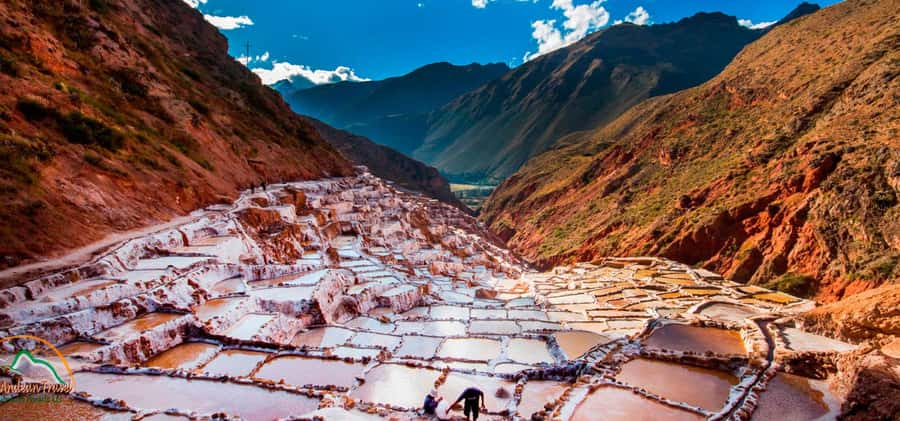
- Maras has 3,500+ visible salt ponds, famous for medicinal properties
- Chinchero adds the textile side, so the trip is not only scenery
- A bilingual guide keeps the pace comfortable, with time to enjoy the views
- You get a tight route in about 6 hours, starting and ending in Cusco
Maras salt and Moray terracing, other trips
- Cusco: Sacred Valley, Pisac, Ollantaytambo, Salt Mines Moray
★ 4.6 · 1,058 reviews - Cusco:Chinchero,Moray & Salt Mines drop-off in Ollantaytambo
★ 4.8 · 793 reviews - Sacred Valley: Chinchero, Moray, Ollantaytambo & Pisac+Lunch
★ 4.8 · 501 reviews - Sacred Valley: Maras & Moray by Quad Bike from Cusco
★ 4.6 · 418 reviews
Moray’s circular terraces, the Inca agricultural lab
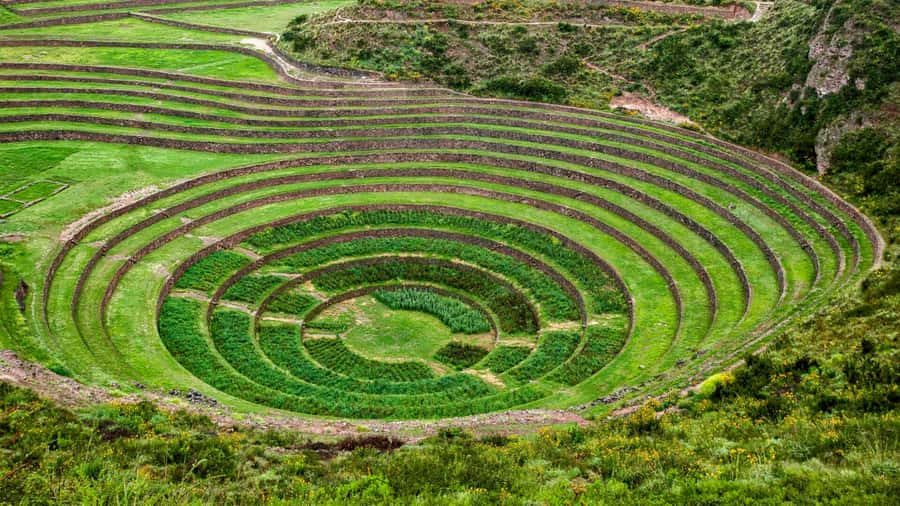
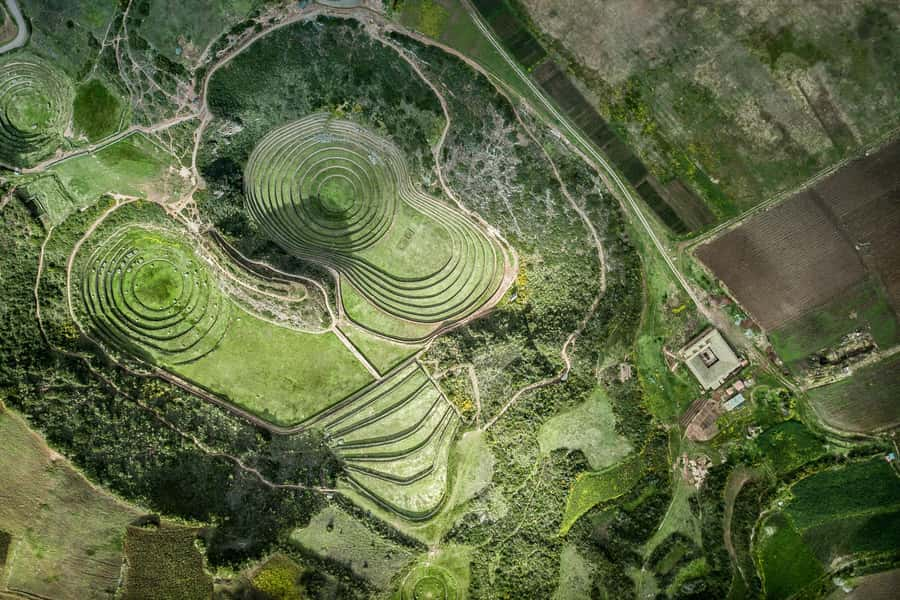
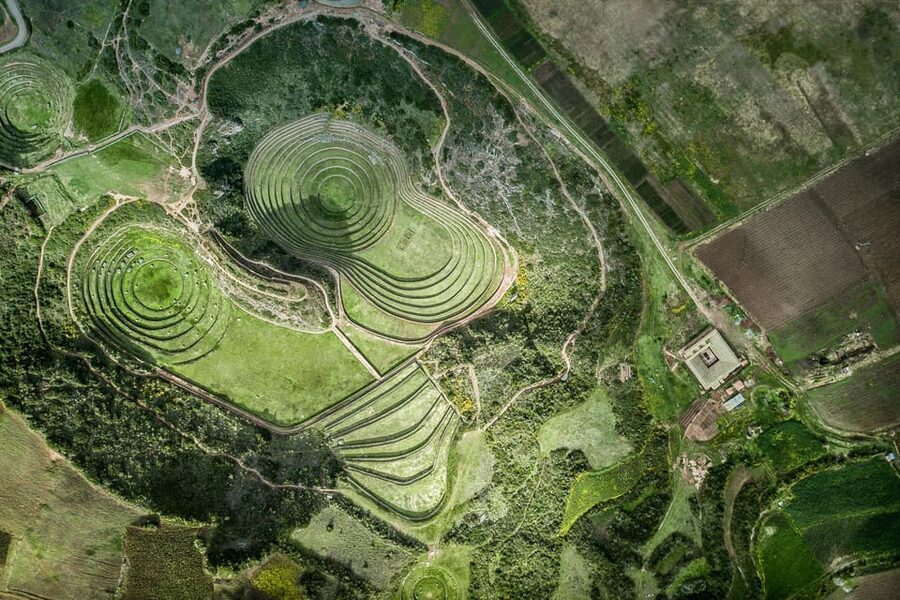
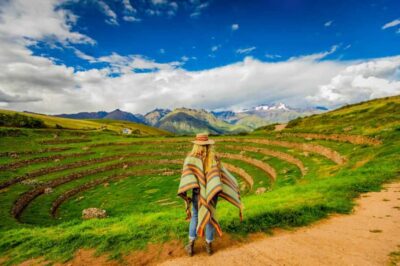
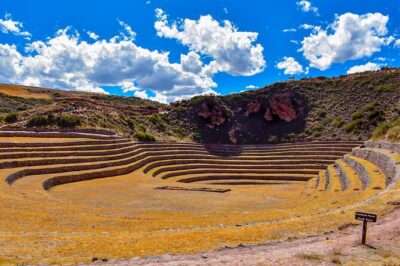
Moray is the first major stop, and it’s the kind of place where the layout helps you understand the idea fast. You’ll see circular terraces stacked like steps, and each terrace is linked to different climates. That matters because it turns Moray from a pretty ruin into an agricultural lesson. Think of it as an outdoor experiment station the Incas used to test growing conditions.
What I like about this stop is that it gives you something to look for. When you stand in front of the terraces, you can literally connect shape to purpose. The guide’s job here is to translate those shapes into practical terms, and that is where a good bilingual explanation really pays off. In one account, the guide named Irina handled both Spanish and English smoothly, and Moray was the part that made the strongest impression.
Possible consideration: Moray has an extra paid entrance (listed as S/ 70 or about $20). If you arrive expecting the tour price to cover everything, you might feel surprised at checkout. Still, compared to the value of a guided, all-in-one route that hits multiple major sites, you can treat this as a standard add-on.
Maras salt mines and the “3,500 ponds” effect
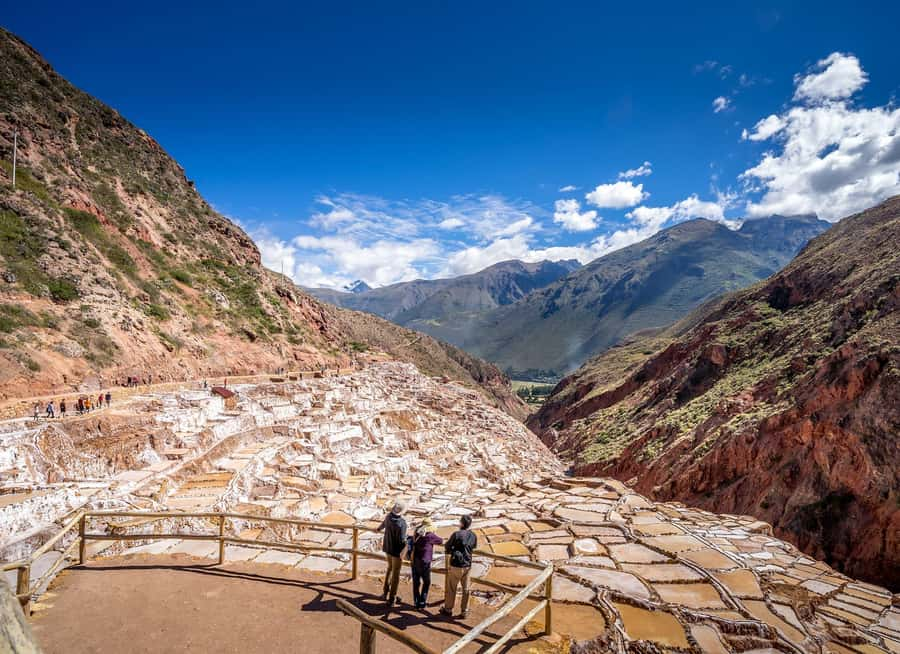
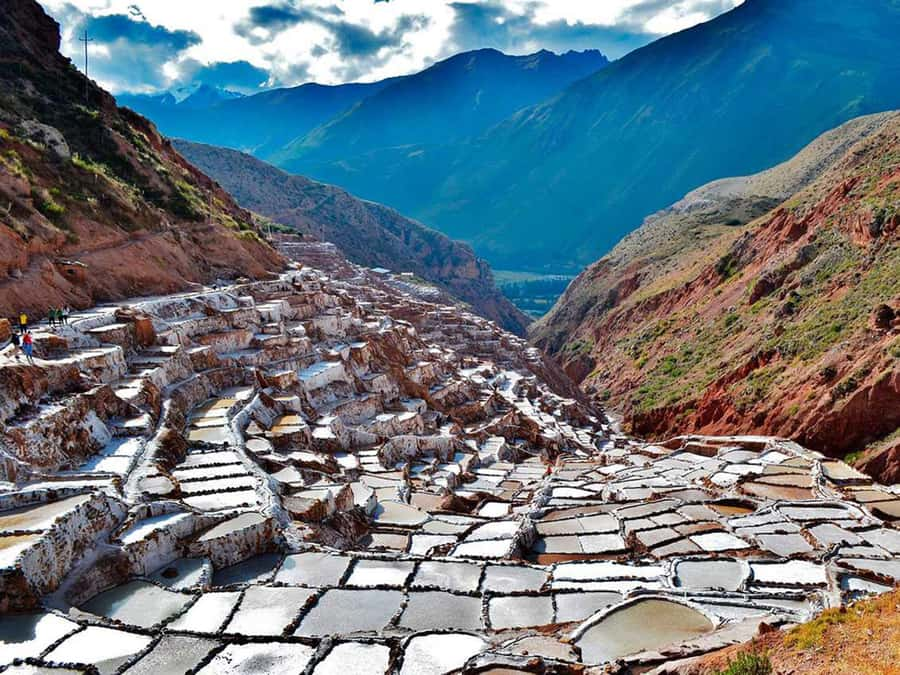
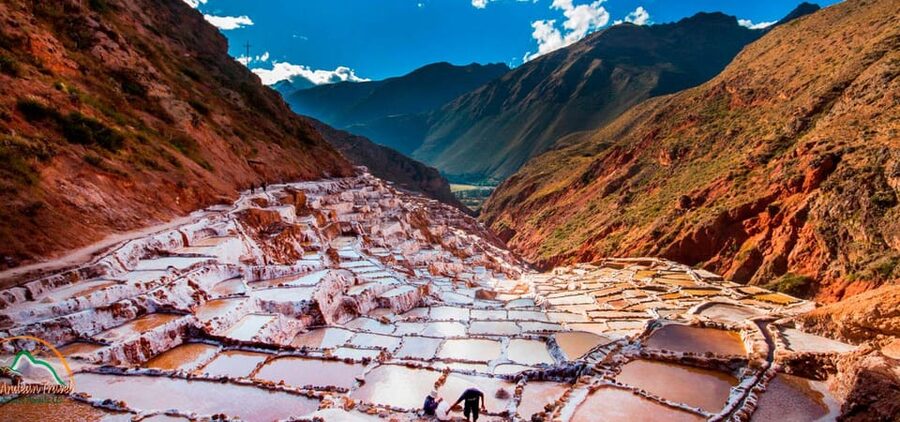
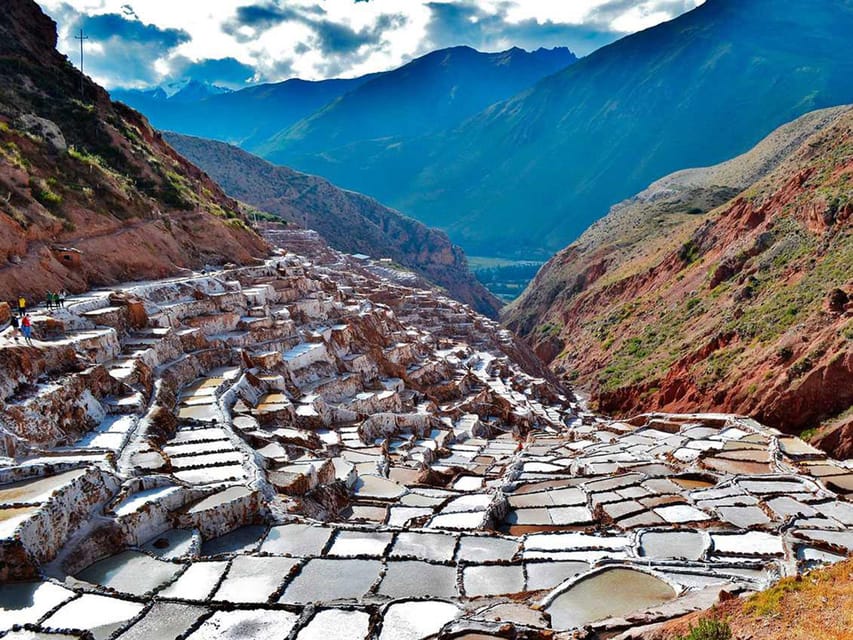
Next comes the Maras Salt Mines, and this stop is all about scale and pattern. You’ll see more than 3,500 salt ponds laid out across the area. The tour information also notes that the salt ponds have medicinal properties, which is a key part of why people care about this place.
Even if you already know the basics, the visual impact is the thing. Salt ponds create a grid of small surfaces, and the colors and reflections change as the light shifts. This is one of those stops where your camera gets a workout, and where staying a bit slow helps. The guide can also help you pick good moments to observe, which becomes important because the area can draw crowds.
One review highlighted that the guide helped avoid a lot of crowded spaces, and that’s exactly what you should look for when booking this type of itinerary. You want someone who can keep the day moving without forcing you to fight for position all the time. When the route is well managed, Maras feels less like a line and more like a sight you can actually take in.
Practical note: The entrance to the salt mines is extra (S/ 15 or about $5). Also, this is not the moment to show up under-supplied. Bring water, and plan for bright sun and glare since salt surfaces reflect light.
Chinchero weavers, plus the textile process you can watch explained
After Moray and Maras, the day changes tone at Chinchero. This is where the tour shifts from land experiments and salt production to craft, specifically the textile process.
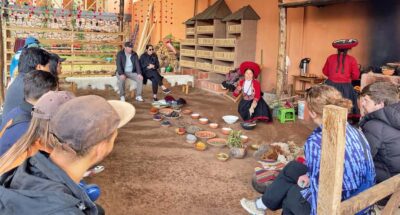
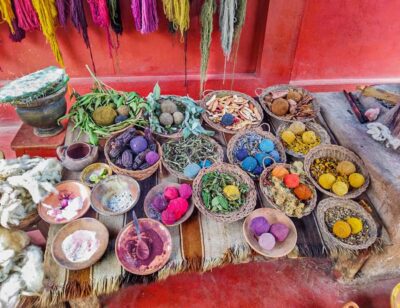
Chinchero is a strong final stop because it answers a question many people have after seeing Inca landscapes: what did these people actually make, and how did they turn natural materials into usable cloth? The tour highlights focus on learning about the textile process, and that makes the visit feel like more than a photo stop. You get context for why patterns and materials mattered, and you get a more complete picture of Inca life than you would from ruins alone.
One tricky part in the provided route description is that the last line mentions observing salt ponds in Chinchero, while the highlights clearly emphasize weavers and textiles. In practical terms, treat Chinchero as the textile-focused chapter of the day. You should expect to spend time with the weavers and learn how the textile process works, even if the schedule wording varies.
Who will enjoy this most: If you like crafts, materials, and explanations that connect culture to everyday work, Chinchero is the part that can feel surprisingly personal. If you only want ruins and mining views, you may still enjoy it, but it will feel quieter than the salt mines.
Timing, transport, and what you should budget beyond the $13
On paper, the price looks like a bargain: $13 per person for a 6-hour tour. The reason it can feel so good is that your package includes the parts that usually cost time and hassle: hotel pickup, round-trip transportation, and a professional bilingual guide (Spanish and English).
But the tour also lists key costs that are not included:
- Moray entrance: S/ 70 (about $20)
- Maras salt mine entrance: S/ 15 (about $5)
- Lunch
So the value question is really this: does $13 buy you the right trip structure? Yes, if you want a single guided half-day that ties together three distinct stops without you figuring out transport between them. You’re paying for convenience plus interpretation.
Think of it like this:
- If you would otherwise spend time arranging rides and paying for guided explanations, the bundled guide and transport start to look like the smart deal.
- If you already have a driver and you prefer to self-explore, then you’d compare the guide and convenience value more carefully.
Also, the day starts at 8:00 a.m. and returns around 15:00. That means you’ll want to plan your day around a long morning and early afternoon, not a casual “sleep in” schedule. And since lunch is not included, you should either budget for it or plan to grab something close to where you’re dropped off in Cusco after the tour.
Pisac market and Ollantaytambo fortress, other runs
How the bilingual guide changes the experience
This is a tour where the guide matters more than you might think. Moray’s terraces, Maras’s salt ponds, and the Chinchero textile process all require context. Without it, you can still enjoy the sights, but you’ll miss the “why.”
The tour listing notes that the guide is professional and bilingual. One review specifically praised Irina for explaining in both Spanish and English and for covering everything as it should be covered. Another praised an energetic, smart guide and said they had time to enjoy the sights while also avoiding a lot of crowded spaces.
That combo is what you want in a guide:
- clear explanations in the language you can follow best
- enough energy to keep momentum without rushing
- smart positioning so you spend time looking, not standing in a bottleneck
So when you book, I’d use the guide as your “decision lever.” If you want to come away understanding what you saw, not just remembering where you went, this format helps a lot.
What to bring, and how to keep the day comfortable
This tour is straightforward, but you’ll be outside and walking between stops. Pack like it’s a bright Andean day.
Bring:
- camera
- sunscreen
- water
- cash
Cash matters because the two main entrances are listed as separate costs. It’s also smart for any small purchases along the way.
Not allowed:
- alcohol and drugs
Also take seriously the suitability note: this is not recommended for wheelchair users, and it may not be a fit if you have pre-existing medical conditions. Uneven ground and standing time are common in this kind of itinerary, so if you’re unsure, it’s better to ask before committing.
Who should book this Moray, Maras, Chinchero tour
I think this tour is a strong match for:
- first-timers in Cusco who want a compact route with big variety
- people who enjoy learning as they look, not just sightseeing
- travelers who want both Inca agriculture themes (Moray) and production themes (salt and textiles)
You might hesitate if:
- you dislike walking or standing in outdoor sites
- you want a tour where every ticket is included in the base price
- you need guaranteed lunch provided, since lunch is not included
If you’re traveling with friends and you can split decision-making, agree on the priorities first. If two people care most about Moray and Maras, Chinchero will still add value, but it will be the softer, more explanatory chapter of the day.
Should you book this tour?
Yes, if you want a well-timed, guide-led route that connects Inca agriculture, salt production, and textile craft in one half-day. The $13 starting price is just the entry point, but once you account for Moray and Maras entrance fees, you still get a lot for the structure: pickup, transport, and bilingual interpretation across three different environments.
Skip it or rethink it if you are sensitive to extra ticket costs, need lunch included, or have mobility or medical constraints that make outdoor walking hard. Also, do your planning with the start time in mind. An 8:00 a.m. pickup means you’ll want a relaxed evening the night before so you’re ready to move when the day begins.
FAQ
What time does the tour start and end?
Pickup starts at 8:00 a.m. from your hotel in Cusco’s historic center, and the return is approximately at 15:00.
How long is the tour?
The duration is listed as 6 hours.
What is included in the price?
Included are hotel pickup within the historic center, round trip transportation, and a professional bilingual guide (Spanish and English).
Are Moray and the Maras salt mines entrances included?
No. Moray has a partial tourist entrance cost listed as S/ 70 (about $20), and the salt mines entrance is listed as S/ 15 (about $5).
What should I bring?
Bring a camera, sunscreen, water, and cash.
Is there free cancellation?
Yes. You can cancel up to 24 hours in advance for a full refund.
Wool, Dye and Loom
- From Cusco: Moray, Maras Salt Mines & Chinchero Weavers Tour
★ 4.8 · 1,925 reviews - Cusco: Alpaca and Llama Farm Tour w/ Transfer & Weaving Demo
★ 4.9 · 151 reviews - City Tour in Cusco & visit Museum South American Camelid Private.
★ 5.0 · 147 reviews - From Cusco: Moray, Maras Salt Mines & Chinchero Weavers Half-Day
★ 5.0 · 126 reviews - The Textile Workshop Experience in Cusco Region
★ 5.0 · 118 reviews
Pisac and Ollantaytambo Again
- From Cusco: Moray, Maras Salt Mines & Chinchero Weavers Tour
★ 4.8 · 1,925 reviews - Cusco: Sacred Valley, Pisac, Ollantaytambo, Salt Mines Moray
★ 4.6 · 1,058 reviews - Cusco:Chinchero,Moray & Salt Mines drop-off in Ollantaytambo
★ 4.8 · 793 reviews - Sacred Valley: Chinchero, Moray, Ollantaytambo & Pisac+Lunch
★ 4.8 · 501 reviews - Pisac Indian Market and Ollantaytambo Fortress with Lunch
★ 4.5 · 395 reviews
Maras Salt and the Moray Rings
- From Cusco: Moray, Maras Salt Mines & Chinchero Weavers Tour
★ 4.8 · 1,925 reviews - Cusco: Sacred Valley, Pisac, Ollantaytambo, Salt Mines Moray
★ 4.6 · 1,058 reviews - Cusco:Chinchero,Moray & Salt Mines drop-off in Ollantaytambo
★ 4.8 · 793 reviews - Sacred Valley: Chinchero, Moray, Ollantaytambo & Pisac+Lunch
★ 4.8 · 501 reviews - Sacred Valley: Maras & Moray by Quad Bike from Cusco
★ 4.6 · 418 reviews
Freshly reviewed across Cusco
- Excursion Cusco – Puno – Titicaca Observatory Train★ 5.0 · 3 reviews
- Sacred Valley Vip Cusco★ 4.7 · 3 reviews
- Cusco | Humantay Lake 1-Day Tour with Breakfast and Lunch★ 5.0 · 3 reviews
- Full-Day Condor Viewpoint & Inca Sites Tour★ 5.0 · 3 reviews
- Best of Cusco: Private Walking Tour with a Local★ 3.6 · 3 reviews
- From Cusco: Full-Day Private Sacred Valley Tour★ 5.0 · 3 reviews
Maras and Moray Tours side by side.
 ★ 4.8From Cusco: Sacred Valley & Maras Salt Mines Tour with LunchFrom $282,227 reviews
 ★ 4.8From Cusco: Moray, Maras Salt Mines & Chinchero Weavers TourFrom $151,925 reviews
 ★ 4.6Cusco: Sacred Valley, Pisac, Ollantaytambo, Salt Mines MorayFrom $281,058 reviews
 ★ 4.8Cusco:Chinchero,Moray & Salt Mines drop-off in OllantaytamboFrom $27793 reviews
 ★ 4.8Sacred Valley: Chinchero, Moray, Ollantaytambo & Pisac+LunchFrom $25501 reviews
 ★ 4.6Sacred Valley: Maras & Moray by Quad Bike from CuscoFrom $39418 reviews
 ★ 4.7From Cusco: Quad bike tour Moray and Salt MinesFrom $27314 reviews
 ★ 5.0From Cusco: Moray, Maras Salt Mines & Chinchero Weavers Half-DayFrom $15126 reviews
Also on these Peru lists