
REVIEW · AUSANGATE AND ANDEAN LAKES
Horseback Riding at 7 lakes Ausangate Private |Optional Hike
Seven lakes, rainbow colors, one long day. This private Ausangate outing pairs a high-altitude hike with big scenery, plus a home-style Andean breakfast in Pacchanta. I especially like the seven lagoons changing colors, and the chance to eat something local before you start climbing.
The plan moves early, and it is high altitude. If altitude is already a problem for you, or you have respiratory issues, this outing is not a good match. You also walk about 10 km (or ride if you choose that option), so you want to be ready for a full 12 to 15 hours outside.
In This Review
- Key things to know before you go
- Cusco to Pacchanta: why the early van ride sets the tone
- Pacchanta at 4,100 m: breakfast at local homes before the climb
- The first lagoon segment: the 5 to 6 km warm-up with big views
- Hiking through the Andes: walking about 10 km to reach the seven lagoons
- Practical pacing tips you’ll wish you followed
- Lunch, breaks, and your bilingual guide’s role in the day
- Hot springs near the end: how the thermal waters change the tone
- Horseback riding option: choosing relief without losing the experience
- Private-group value at $139: what you’re really buying
- What to bring for cold air, strong sun, and long hours
- Weather, timing, and the rain-or-shine reality
- Who should book this, and who should skip it
- Should you book the Ausangate seven lakes with optional horseback?
- FAQ
- What time will I be picked up in Cusco?
- How long is the tour?
- Where do we stop for breakfast?
- Do I get access to the horseback riding option?
- What is included in the price?
- Are hot springs included?
- Is the tour running in bad weather?
Key things to know before you go
- Pickup is early: plan for 4:00 to 6:00 am starts from Cusco
- You eat locally first: breakfast in Pacchanta made with Andean ingredients
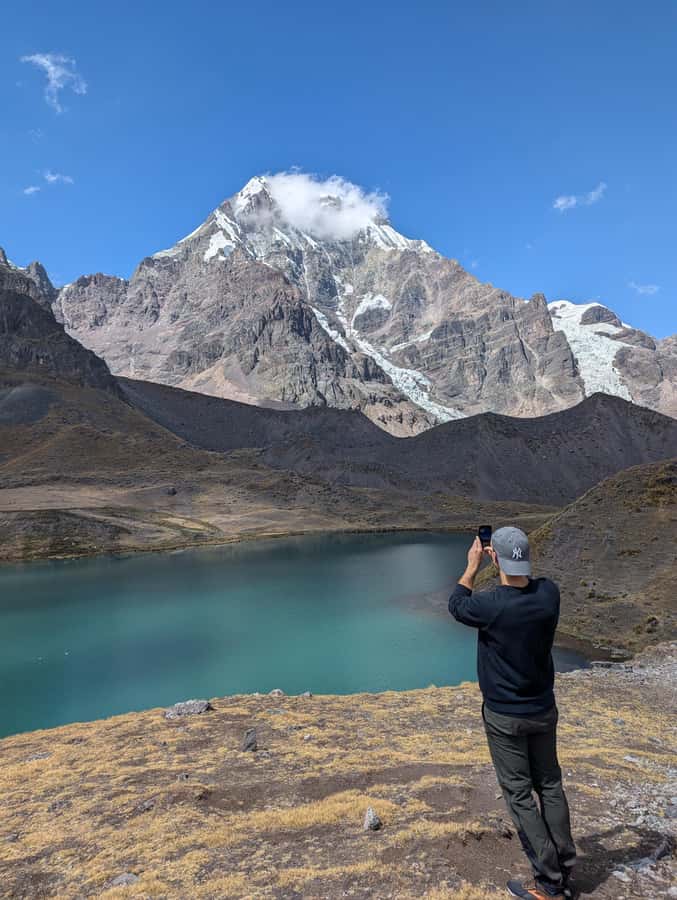
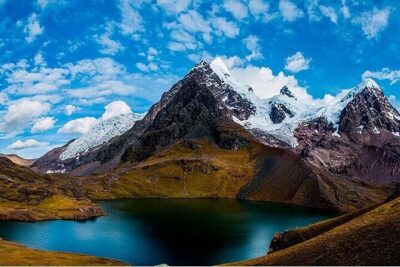
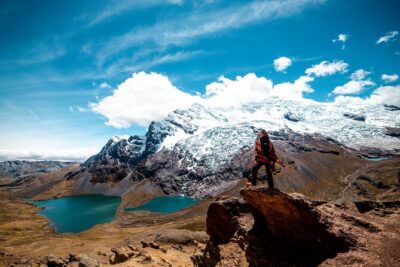
- Seven lagoons, one arc of views: turquoise to emerald green, backed by Ausangate
- A serious walking day: around 10 km over about 5 hours, plus the first 5 to 6 km segment
- Hot springs are optional: thermal waters are not included, but you can add them for 10 soles
- Your guide matters: bilingual guidance in English or Spanish, including nature and glacier context
Ausangate lagoons, other trekking days
- From Cusco: Ausangate Route – 7 Lagoons Tour + Meals
★ 3.3 · 3 reviews
Cusco to Pacchanta: why the early van ride sets the tone
Most days start slow. This one starts fast. Your pickup from Cusco is around 4:00 to 6:00 am, and then you’re in a private van heading toward the village of Pacchanta. The drive takes about 3 hours, so you’re already out of the city before your body fully wakes up.
Why do that so early? In the Andes, the first light often brings the clearest views, and you have more time before clouds roll in. On a long day, early timing also means you’re less likely to feel rushed at the lagoons, when you’re stopping for photos and letting your legs reset.
This is also a value point: you’re paying for private transportation plus a bilingual guide. That matters when you’re going far from Cusco and you don’t want to join a huge group schedule.
What you’ll notice on the ride is the change in air and temperature. You’ll go from waking streets to a high, cold environment. Bring warm layers, not just a jacket, and put your gloves somewhere easy to grab. You’ll thank yourself later.
Pacchanta at 4,100 m: breakfast at local homes before the climb
Pacchanta sits at about 4,100 m, near Ausangate Mountain. When you arrive, the tour doesn’t just funnel you through a single meeting spot. Local hosts invite you into their homes for breakfast, around 7:30 am.
This is one of the most memorable parts of the day, because it’s both practical and human. Practical, because eating early helps you keep energy for the hike, especially at altitude. Human, because you’re not only looking at the Andes, you’re seeing how people live close to it.
The meal is made with Andean ingredients. That matters more than it sounds. At altitude, food that actually fills you up helps you pace better on steep and uneven ground. Reviews also highlighted that the breakfast and lunch were genuinely good, not just included “because that’s what tours do.”
Before you step out for the morning segment, take a minute to dress for cold. Even on bright days, you can feel chill near the lakes and while standing still for a photo.
The first lagoon segment: the 5 to 6 km warm-up with big views
After breakfast, you start hiking into the Andes toward the first of the seven Ausangate lagoons. The first lagoon is about 5 to 6 km away and takes roughly 1.5 hours.
This section is a good indicator for how the rest of the day will feel. You’re not sprinting to the destination. Instead, you’re building rhythm. The ground can be uneven, and altitude does its quiet work. A steady pace, short breaks, and good breathing matter more than speed.
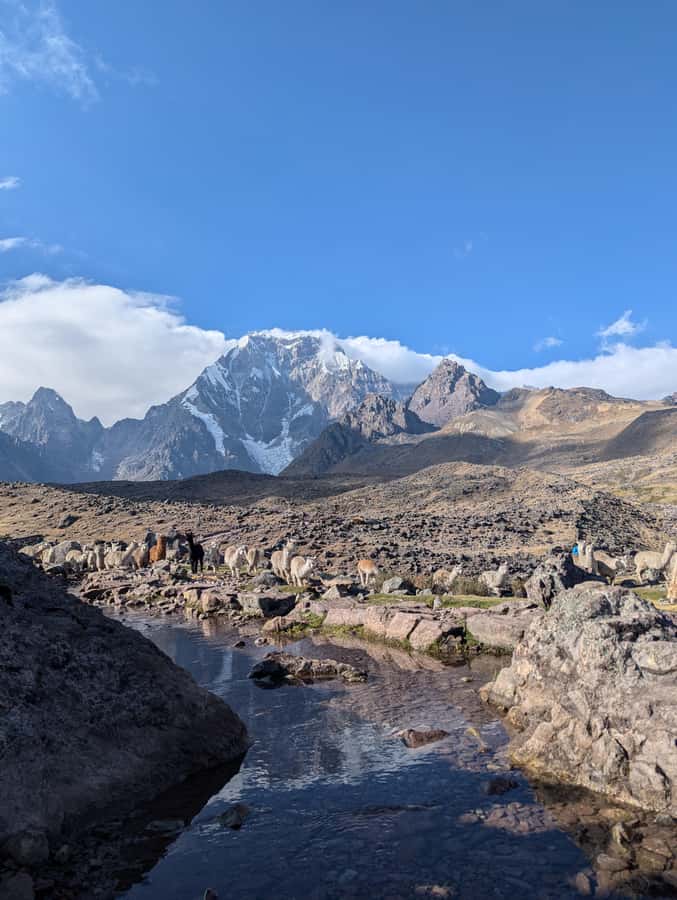
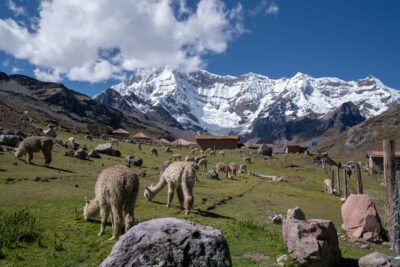
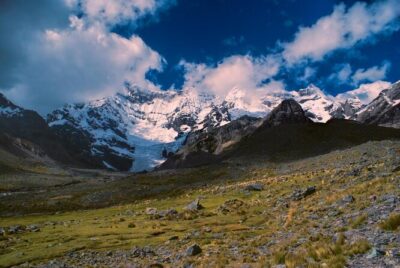
This first stop is also where the scenery starts to click. You get views of Ausangate Mountain in the distance, and the whole area starts to feel less like a hike and more like a corridor of high-altitude nature.
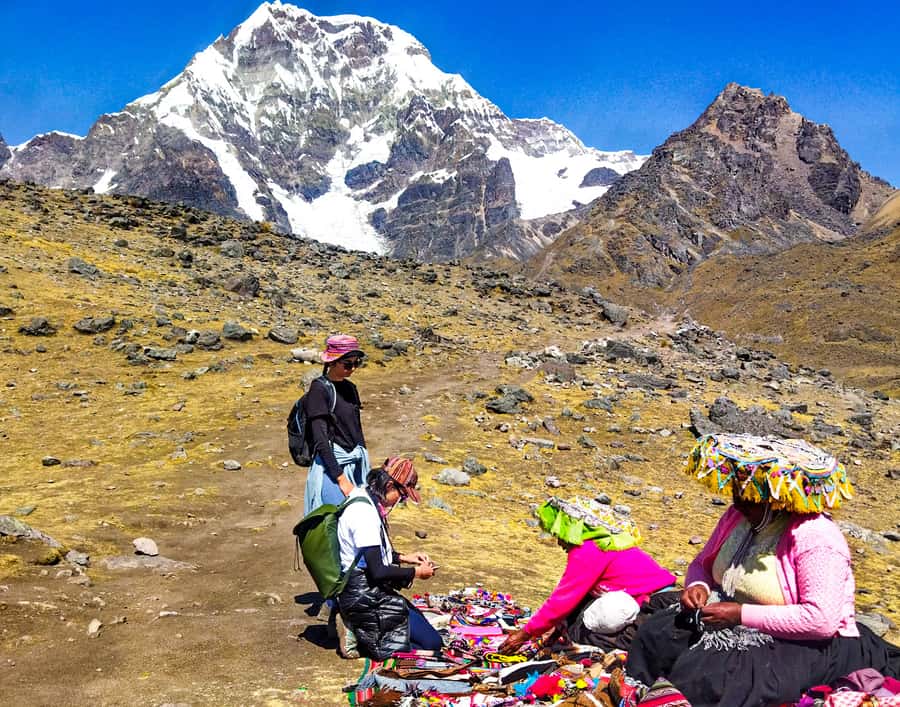
You’ll also likely spot alpacas and people in traditional clothing along the route, adding color and texture beyond the water itself. It’s one of those moments where the experience becomes more cultural, not just athletic.
Hiking through the Andes: walking about 10 km to reach the seven lagoons
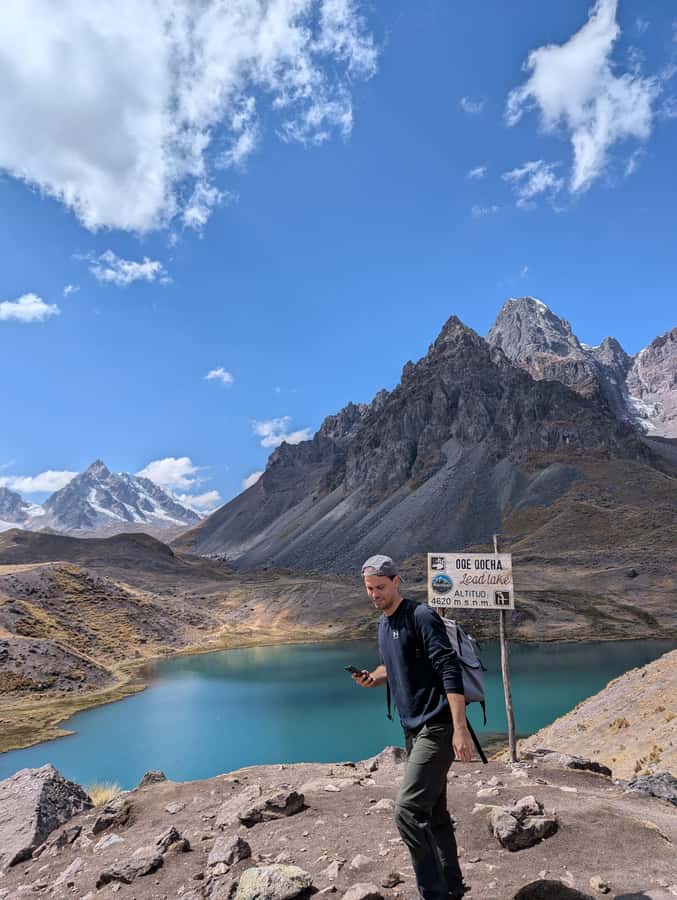
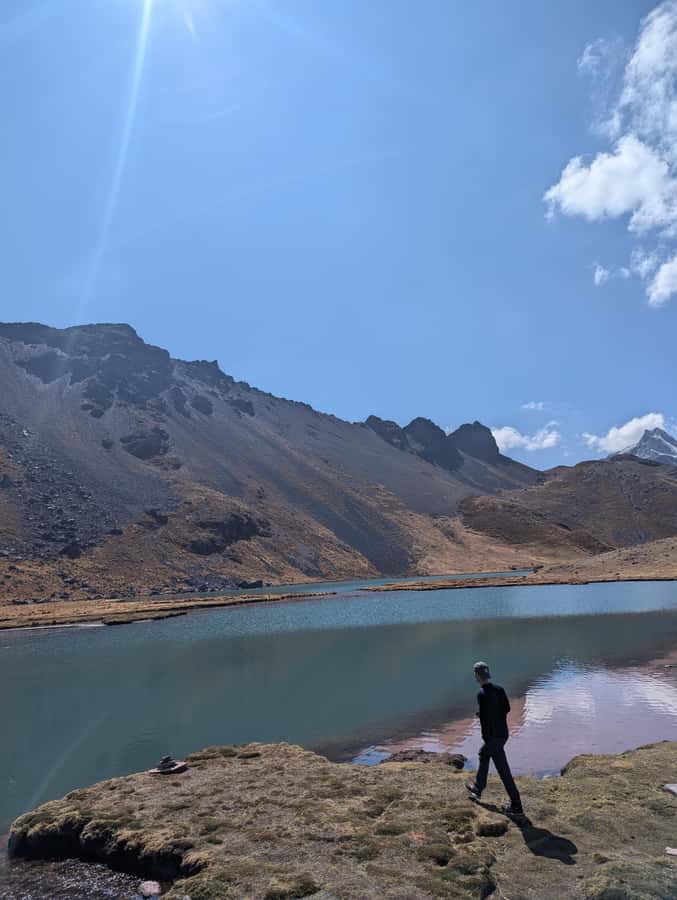
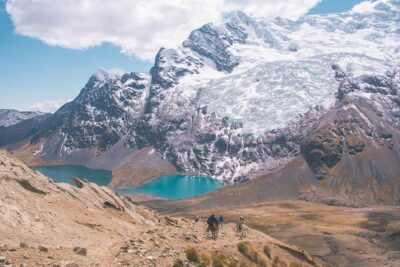
The core experience is the series of lagoons, scattered across the Andes. After the first lagoon, you continue hiking to additional lagoons perched in the high country. The total hike portion is about 10 km, around 5 hours of walking.
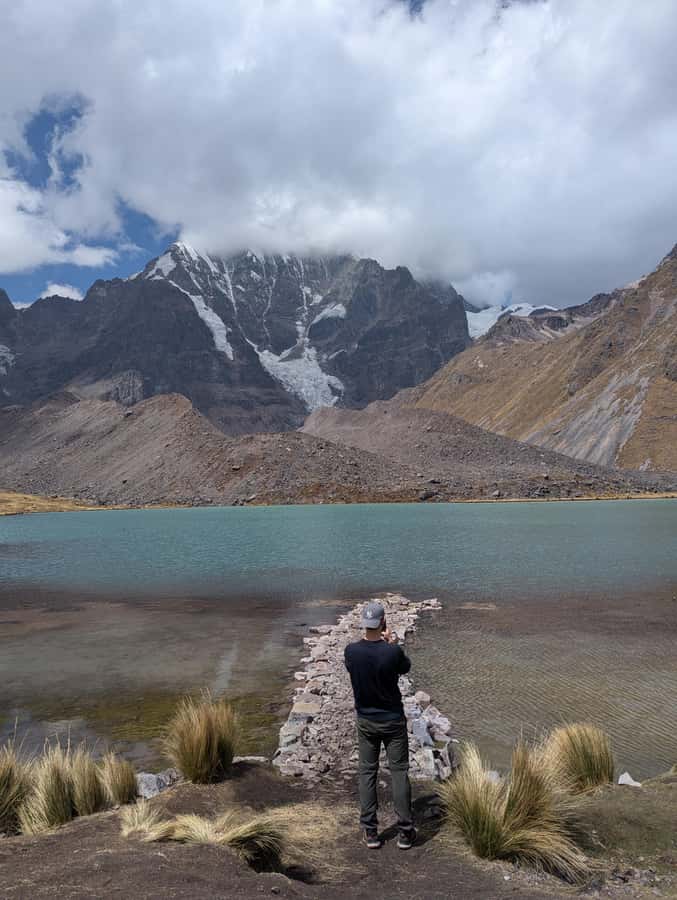
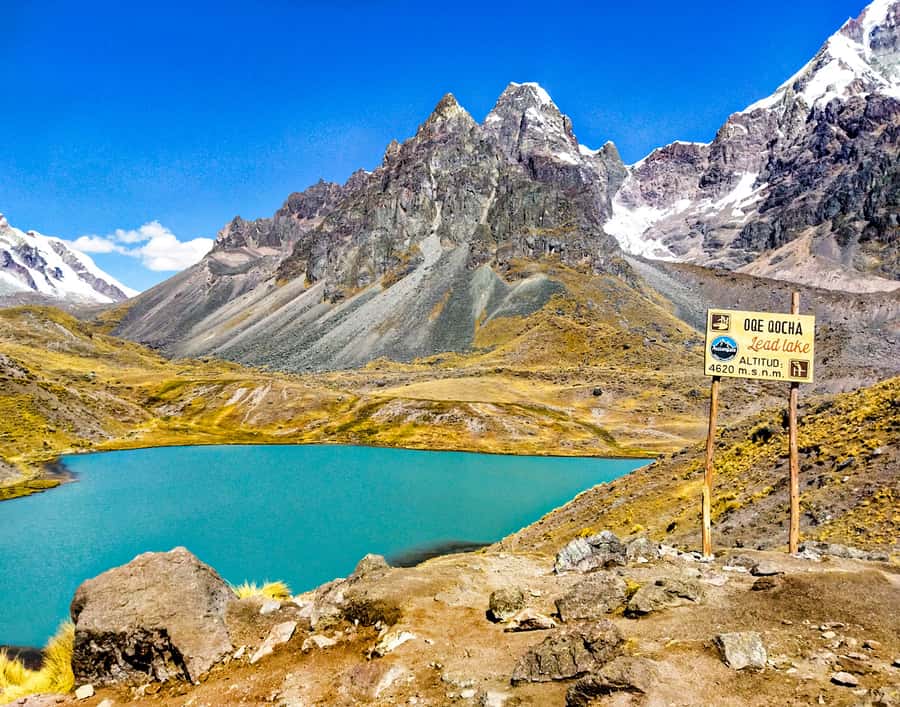
Here’s what I think makes this hike special for value: it’s not one lake and done. It’s a chain of stops with changing views, so the day stays interesting even if you’ve visited other lake regions. The lagoons themselves are described as a rainbow of colors, moving from turquoise to emerald green.
And those colors aren’t random. They reflect a mix of light, altitude conditions, and the mineral and environmental factors around glacial areas. The guide can explain what you’re seeing, and some guides focus on the Ausangate glacier and what it means for the area. That kind of context can turn a photo stop into a real understanding moment.
Vegetation shows up too, so you’re not only staring at water. Depending on conditions, you might see stretches that feel more like high pasture than mountain wilderness. If you’re hoping for a day that mixes color, movement, and a bit of nature education, this is the layout that delivers.
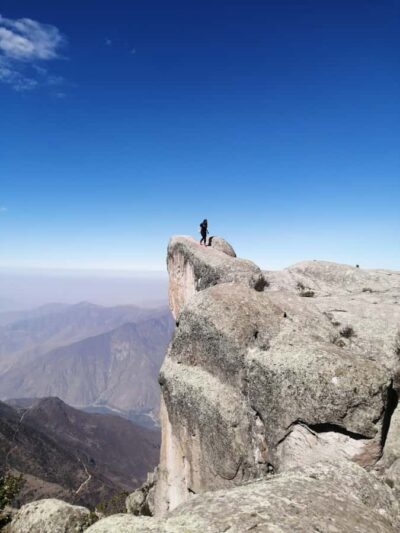
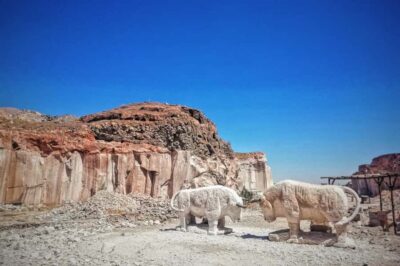
Practical pacing tips you’ll wish you followed
- Start slower than you think you need to, especially in the first hour.
- Sip water even when you do not feel thirsty.
- Use gloves and sunscreen. Cold and sun can both be sneaky.
- Take short photo stops without stopping completely for too long.
Lunch, breaks, and your bilingual guide’s role in the day
You get another break around the middle of the hike for lunch, with about 1 hour set aside. This matters for comfort, because after hours of walking at altitude, your body wants a reset, not a long sprint to the next viewpoint.
Lunch quality stands out in the feedback. People call out that the breakfast and lunch were amazing, and that’s important for a long day like this. Food is not just fuel here, it helps your mood. When you’re cold, tired, and high up, a good meal makes the rest of the day feel easier.
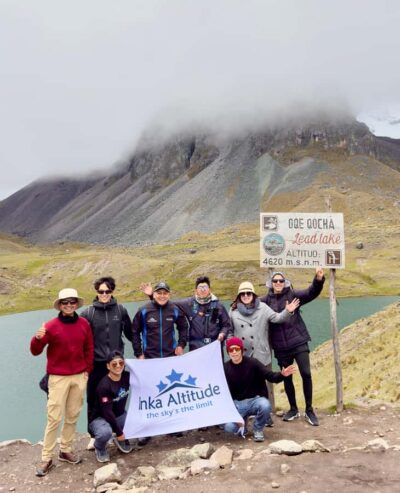
Then there’s the guide. You’ll travel with a bilingual guide in English or Spanish and they guide the route with stops for photos and viewpoints. Reviews also mention that guides explain flora and fauna and the importance of the Ausangate glacier, which is exactly what I want from a private guide. You want your time outside to feel meaningful, not just busy.
If you’re lucky with your guide, you might meet people like Alexander or Julio, whose names came up in past experiences. Even when names differ, the role stays the same: keep you moving safely, answer questions, and give you something to notice beyond the water colors.
Hot springs near the end: how the thermal waters change the tone
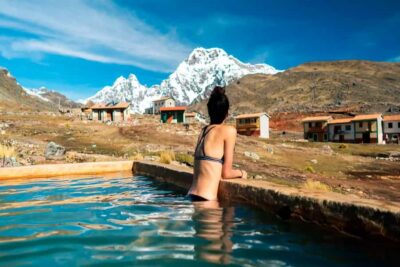
When you finish the walking portion, you return toward Cusco. Before the drive, you can enjoy hot springs. Hot spring entry is not included, but it costs 10 soles, so it’s an easy add-on if you want the recovery factor.
Thermal waters are more than a nice finish. After a cold day at altitude, hot springs can loosen muscles and reset your whole body. It turns the day from all effort to a softer landing, which is a real deal after hours of walking.
Reviews also describe thermal waters as a highlight at the end. That’s consistent with the logic of the itinerary: do the hike, then let the heat do its work while you’re still in the region.
Horseback riding option: choosing relief without losing the experience
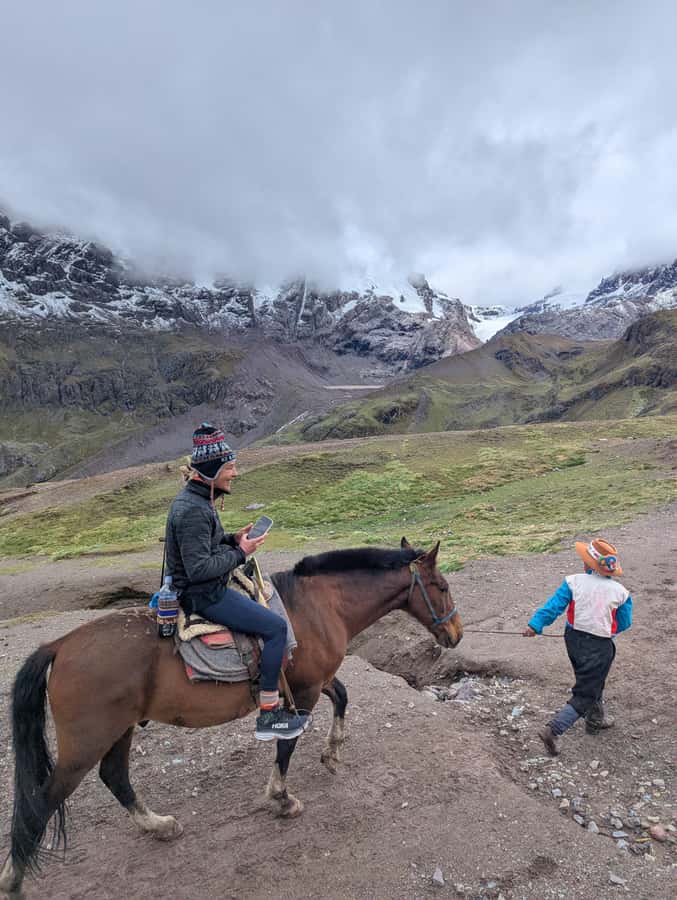
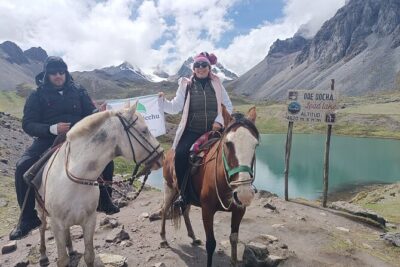
This is a private day where you can choose horseback riding. The tour includes a horse if you pick the horseback riding option, and it’s described as a way to get a fuller experience.
What this likely means in real life is simple: you can trade some walking effort for time on horseback. That can be a lifesaver if you want to see the lagoons but your legs are not ready for the full 10 km on foot. It can also help you keep a steadier pace when altitude and cold make everything feel harder than it looks on a map.
That said, you’re still in the Andes. You’ll still want warm layers and comfortable shoes for any walking segments. Horseback does not erase the environment.
If you’re fit and you love hiking, walking can feel more immersive because you’re on the ground the whole time. If you’re cautious about altitude strain or knee pain, horseback can let you enjoy the views and the cultural moments with less physical stress.
Private-group value at $139: what you’re really buying
The price is $139 per person for a 12 to 15 hour outing. That’s not cheap, but it is easier to justify when you look at what’s included.
You get:
- Hotel pickup in Cusco
- Private transportation (van ride time totals about 6 hours round trip)
- Bilingual tour guide in English or Spanish
- Entrance ticket for the attraction
- Medical kit or first aid kit
- And horse access if you choose that option
For many people, the biggest value is the private structure. You’re not fighting for space, not stuck behind fast hikers, and not waiting on a giant schedule. That matters on a high-altitude route where you might need extra breaks.
Also, the day includes meals at the right moments. Breakfast in Pacchanta and lunch during the hike aren’t add-ons. They keep your energy stable, which improves your whole experience. In past experiences, people specifically call out the food quality, especially breakfast and lunch.
If you want a private day that mixes nature, culture, and comfort, this is one of the more sensible ways to spend a big chunk of time in the Cusco region.
What to bring for cold air, strong sun, and long hours
The Andes don’t care about your packing style. Pack for cold and for sun. Use the essentials listed for the day and then think through how you’ll feel after hours outside.
Bring:
- Passport
- Camera
- Gloves
- Water
- Sunscreen
- Cash
- Comfortable shoes
- Warm clothing
- Daypack
My simple rule: if you think you might be cold standing still, you will be cold. The lagoons and photo pauses can involve long waits. Warm layers help you keep moving without overheating, and gloves are a big quality-of-life upgrade.
Also, cash matters because hot springs cost 10 soles if you want them.
Weather, timing, and the rain-or-shine reality
This tour runs rain or shine. That affects how you should plan your mindset and what you pack.
If it rains, visibility can drop, but the day still moves. You’ll still get breakfast, guided hiking, stops, lunch, and the return journey. So you’re not buying a gamble where everything cancels if clouds show up.
What you can do is protect yourself: keep sunscreen on hand even if the sky looks gray, and dress in warm layers that handle changing conditions.
Who should book this, and who should skip it
This is a serious outing, so it comes with clear limits. It is not suitable for:
- Children under 12
- Pregnant women
- Wheelchair users
- People with respiratory issues
- People with altitude sickness
- People over 75
If any of those apply, you’ll want a gentler Cusco-day alternative.
It’s a great match if you:
- Want a private, guided route in the Ausangate region
- Like photography and don’t mind long photo stops
- Prefer a day that includes food and recovery (hot springs optional)
- Are comfortable with high altitude and active time outdoors
It’s also a strong fit if you enjoy culture. Breakfast at local homes and the chance to see traditional clothing and alpacas make the day feel more connected than a simple sightseeing loop.
Should you book the Ausangate seven lakes with optional horseback?
I’d book this if you want a private, long day that blends hiking, a string of seven colored lagoons, and real local hospitality in Pacchanta. The biggest selling points are the rainbow lagoons and the breakfast and lunch quality, plus the guided context about the glacier and the natural world. If you’re choosing between hiking-only and horseback option, pick the one that best matches your comfort level with a 10 km day at high altitude.
Skip it if altitude is already an issue for you, if you need a fully flat route, or if you cannot handle long outdoor hours. The itinerary is built for people who want the full high-Andes experience, rain or shine.
If you’re ready for that, this is one of the most memorable ways to spend time outside Cusco, with a day structure that actually supports you, not just demands performance.
FAQ
What time will I be picked up in Cusco?
Pickup is scheduled around 4:00 to 6:00 am from your hotel in Cusco.
How long is the tour?
The total duration is 12 to 15 hours.
Where do we stop for breakfast?
You drive to Pacchanta (about 4,100 m) and have breakfast there around 7:30 am.
Do I get access to the horseback riding option?
Yes, a horse is included if you choose the horseback riding option.
What is included in the price?
Included features are hotel pickup, private transportation, a bilingual tour guide, an entrance ticket, a medical kit/first aid kit, and a horse if selected.
Are hot springs included?
No. Hot springs cost 10 soles and are not included, but you can enjoy them during the day.
Is the tour running in bad weather?
Yes. The tour takes place rain or shine.
More Tour Reviews in Andes Mountains Peru
- Marcahuasi Experience in Lima
★ 4.5 · 8 reviews - From Arequipa: Sillar Route and Hike in Culebrillas
★ 4.5 · 6 reviews - From Cusco: Ausangate Route – 7 Lagoons Tour + Meals
★ 3.3 · 3 reviews - Rainbow Mountain Cusco tour
★ 4.0 · 3 reviews
Lagoons Below Ausangate
- From Cusco: Ausangate Route – 7 Lagoons Tour + Meals
★ 3.3 · 3 reviews
Freshly reviewed across Andes Mountains Peru
- From Cusco: Ausangate Route – 7 Lagoons Tour + Meals★ 3.3 · 3 reviews
- Rainbow Mountain Cusco tour★ 4.0 · 3 reviews
- Horseback Riding at 7 lakes Ausangate Private |Optional Hike★ 5.0 · 4 reviews
- From Arequipa: Sillar Route and Hike in Culebrillas★ 4.5 · 6 reviews
Ausangate and Andean Lakes side by side.
 ★ 4.8From Cusco: 7 Lakes Ausangate Trek with Breakfast and LunchFrom $29360 reviews
 ★ 5.0Excursion to Ausangate & 7 lakes with Coca Ceremony |Private|From $10880 reviews
 ★ 5.0Ausangate Trek 5 DaysFrom $66074 reviews
 ★ 5.0Laguna Humantay Full Day TrailFrom $12157 reviews
 ★ 5.0Full-Day Tour to Ausangate 7 LakesFrom $6956 reviews
 ★ 4.5From Cusco: Ausangate 7 Lakes Tour with MealsFrom $3747 reviews
 ★ 5.0Ausangate and Rainbow Mountain Trek – 3 Days / 2 NightsFrom $53535 reviews
 ★ 5.06 day Rainbow Mountain x Ausangate Trek – FlashpackerConnectFrom $1,05030 reviews
Also on these Peru lists