
REVIEW · MACHU PICCHU
Machu Picchu: historical and photographic guided tour
Machu Picchu, made photo-first and personal. I like that the guide brings photography coaching and archaeology context, so you get more than pretty snapshots. The one thing to consider is the 3-hour pace, which means comfy shoes and a willingness to walk at Machu Picchu speed.
You’ll meet your guide for pickup near your lodging or at the train station, then head up together and stay with a focused plan. In English or Portuguese, this is a private group up to 10, so you can ask questions and adjust what you care about, rather than getting lost in a crowd.
In This Review
- Key points worth planning around
- Machu Picchu in 3 hours, why a photo-first plan helps
- Pickup, the bus ride, and how to avoid the first-time stress
- The first photo stop: heading toward the highest point early
- The guided walk: history and archaeology you can actually use
- Sunrise and early light: what the itinerary is really doing
- Photography coaching that goes beyond pointing at views
- Value check: $80 per group up to 10, what you get for that price
- What to bring and what to plan for inside the ruins
- Lunch after: how to turn the tour into a full half-day plan
- Should you book this Machu Picchu photo and history tour?
- FAQ
- How long is the Machu Picchu tour?
- Is this a private tour or shared group?
- What languages are offered for the guided tour?
- What is included in the price?
- What is not included?
- Where can the pickup happen?
- What do I need to bring, and what is allowed?
Key points worth planning around
- Photo stops built for postcard angles so you start with the views most people miss
- A highest-point route to maximize the classic Machu Picchu silhouette early
- Historical and archaeological explanations that help you read what you are seeing
- Photography support during the walk not just at one scenic overlook
- Small-group feel even though it is “group” pricing, so you can keep asking questions
- Passport and entry checks handled smoothly at the start of your visit
Other citadel visits, ticket types and start times
- Machu Picchu: Group Guided Tour
★ 4.7 · 102 reviews - Machu Picchu: Tour Guide Service & Entrance Ticket Circuit-2
★ 4.6 · 90 reviews - Machu Picchu: historical and photographic guided tour
★ 4.9 · 27 reviews - 4 days/3 nights: Inka Jungle Trek to Machu Picchu
★ 4.7 · 25 reviews
Machu Picchu in 3 hours, why a photo-first plan helps
Machu Picchu is one of those places where the ruins move faster than your attention. A regular “walk around” tour can leave you with good views but not much understanding, or photos where nobody’s fully in frame.
This tour is built around a practical mix: photo planning first, then a guided exploration that turns the stones into something you can actually picture in your mind. The result is you spend less time guessing where to stand, and more time learning what those spots mean.
What I especially like for you is the balance. You get both the “how do I take this shot” side and the “what am I looking at” side, so you leave with images and with context that makes them feel earned.
Pickup, the bus ride, and how to avoid the first-time stress
You will get picked up from your hotel or from the Aguas Calientes or Machu Picchu station area, then ride the bus up to the citadel area, about 30 minutes. This matters because Machu Picchu logistics can chew up a day if you are trying to figure it out while you are also dealing with altitude and early morning energy.
At arrival, you will show your Machu Picchu tickets and your passport. That sounds basic, but it is where many trips stumble, so having a guide focused on the entry flow makes the start calmer.
Budget note you should keep in mind: the tour includes the transfer to Machu Picchu, but bus tickets are listed as not included. In real life, that often means you may pay the bus fare separately depending on what your pickup covers. Before you go, confirm whether your transfer includes the bus ticket cost for your exact pickup point.
The first photo stop: heading toward the highest point early
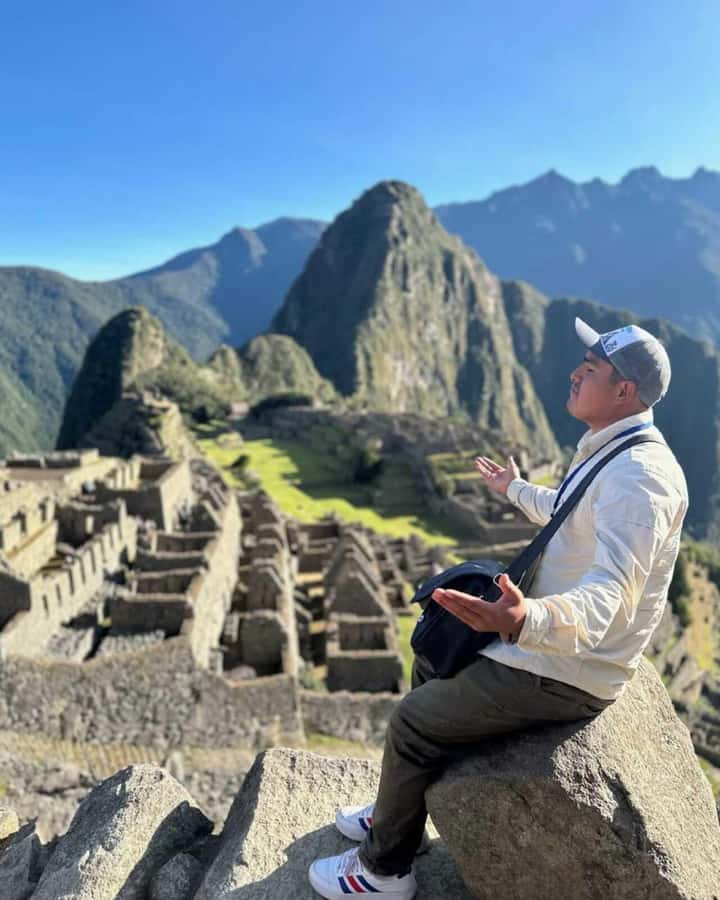
One of the smartest moves here is the early push to the highest point for postcard photos. If you have ever arrived at Machu Picchu and spent your first hour just trying to find your footing, you know why this helps. Early positioning gives you cleaner angles and better odds of getting the “classic” look before crowds thicken.
Once you are at those top viewpoints, the guide helps you hit the best angles and spots. If photography is part of your goal, you will feel the difference: this is not random clicking, it is photo coaching tied to where you are standing.
Then the tour shifts from “pose and shoot” into exploration. You will move through the main lookouts and then keep going to see more corners of Machu Picchu, instead of stopping once the views are checked off.
A possible drawback of this approach is simple: you have less time to linger. If you want long, slow contemplation at every platform, you may feel slightly rushed in a 3-hour plan.
The guided walk: history and archaeology you can actually use
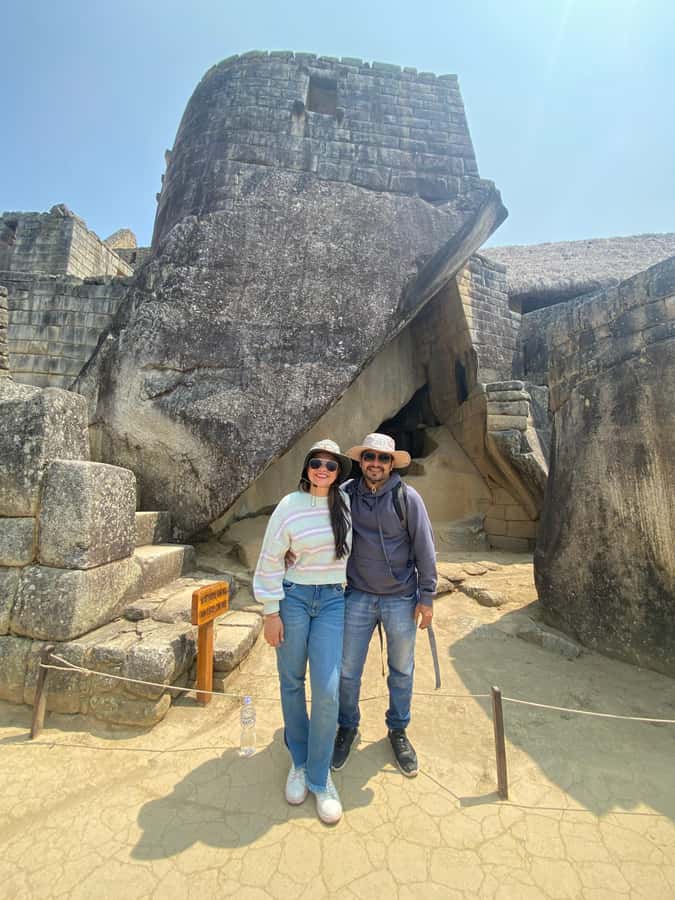
After the big viewpoint photos, the tour becomes the part that turns Machu Picchu from scenery into a place with logic. You will get a historical and archaeological guided tour, with explanations that connect structures, design choices, and cultural meaning.
This is where the guide’s background shows. They describe years of study of Machu Picchu and courses in archaeology and astroarchaeology, which is a big deal for you if you like learning how ancient sites align with the sky, seasonal rhythms, or practical planning tied to astronomy.
Instead of dumping facts, the experience is designed to help you read the ruins while you are walking. You will also hear “new investigations” and fresh context, so you do not just get the standard talking points everyone repeats.
If you are worried about language barriers, this runs in English and Portuguese, and the vibe in feedback emphasizes clear communication and willingness to answer questions. That is the kind of guide who makes the tour feel like a conversation, not a lecture.
Nearby in Urubamba, these earned their own write-ups
Sunrise and early light: what the itinerary is really doing
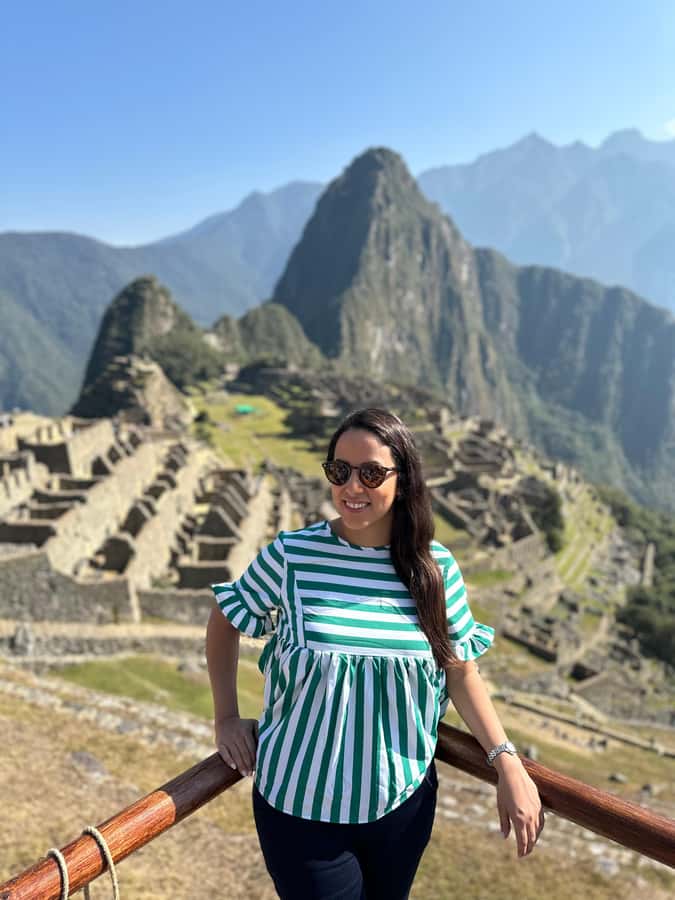
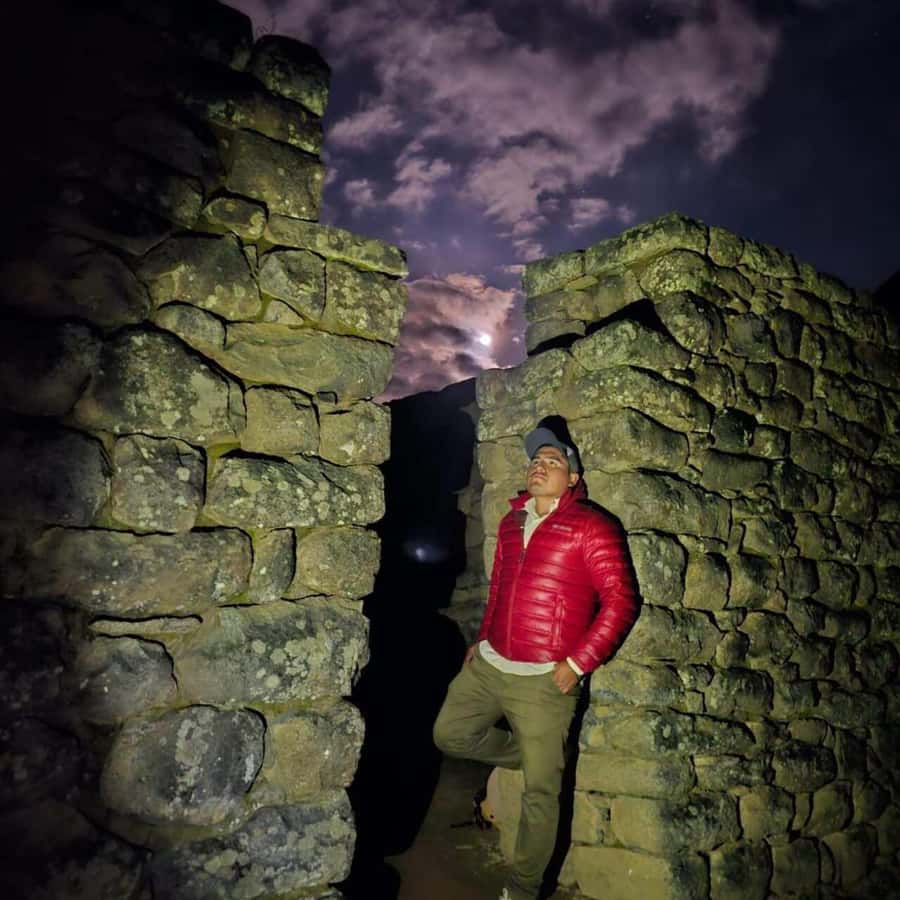
The tour includes a sunrise element, and that is not just romantic marketing. Early light changes how the stone reads, and it can make photos look more dimensional instead of flat.
It also changes your body experience. At Machu Picchu, you may feel altitude more on an early, active morning. Several people mention needing patience during that moment, and that your guide should be ready to slow down when needed.
Here is how I’d think about it if you are planning your own day. Sunrise is great for photos, but you need to treat it like a timing challenge, not a magic button. Wear layers you can manage quickly, and keep water in your day bag even though water is not included.
If sunrise is a priority for you, a 3-hour guided format is a smart way to try it without letting the rest of your trip fall apart.
Photography coaching that goes beyond pointing at views
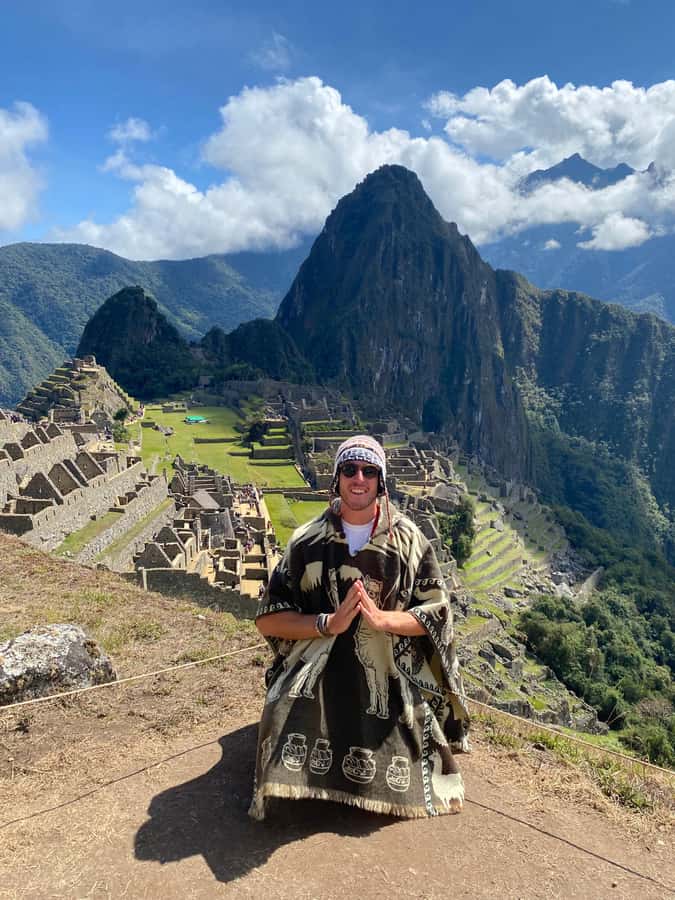
Photography help is a headline feature, but what matters is how it gets delivered. The guide is described as taking phenomenal photos and also helping you take your own by guiding you to the best spots and angles.
If you are like most people, you will probably want two outcomes:
- shots where you look good in frame
- shots where the ruins look like they have depth and scale
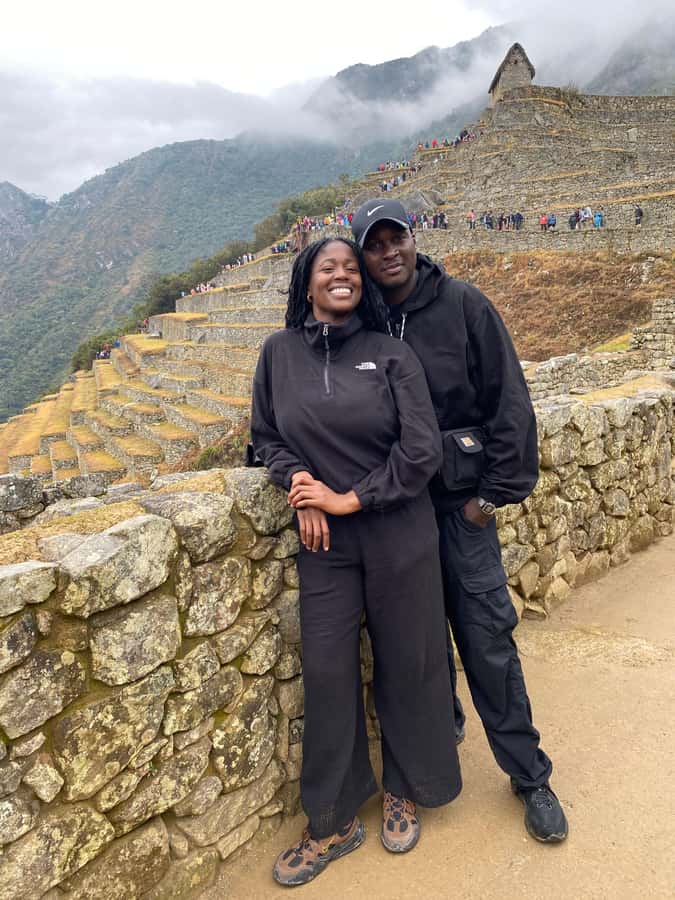
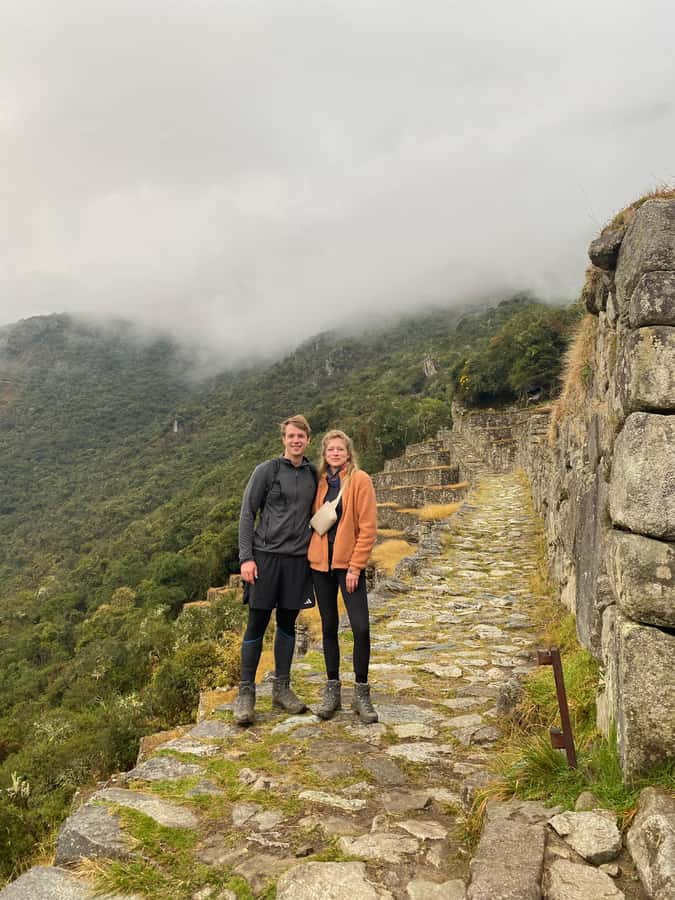
A good photo guide handles both. Feedback includes examples of portraits and candid moments, including situations where the guide took a large set of photos for couples. That means you do not have to spend every minute being the person behind the lens.
The most practical value for you is this: you are not just given a list of places. You get coaching that matches the location. That is especially useful at Machu Picchu because the same view can look totally different depending on where you stand and what you leave out of the frame.
One more thing: the guide’s patience shows up repeatedly. If you need a quick break to catch your breath, you should not feel rushed into “move on now.”
Value check: $80 per group up to 10, what you get for that price
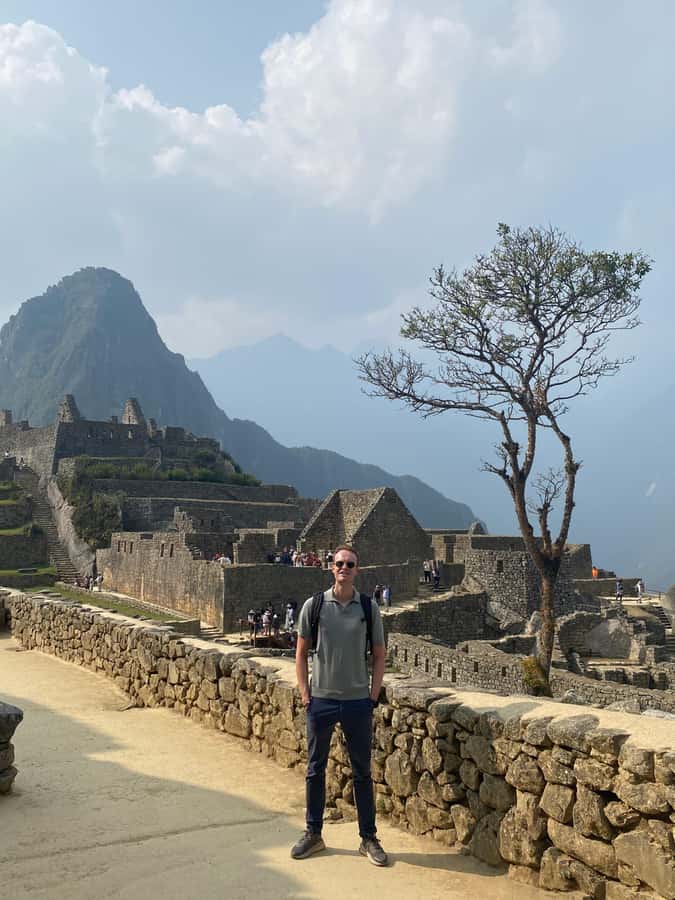
The price is $80 per group, up to 10 people, for a 3-hour tour. That is “value” when you compare it to the cost of hiring a private guide for longer and also when you factor in that you are getting a focused plan that includes both photos and guided explanations.
Included:
- transfer from your hotel or train station to the Machu Picchu area
- a 3-hour guided tour
- photo support at Machu Picchu
- scientific information and guided context
Not included:
- Machu Picchu tickets
- bus tickets
- food, water, snacks
So the real budgeting question for you is not just the $80. It is whether you already have tickets and whether you can handle the extra costs for the day. If you are traveling as a pair or a small group, the per-group price can be a good deal because you keep the private feel while spreading the cost.
If you are traveling solo, it may still be worthwhile if your #1 goal is getting great photos without wasting time planning shot locations on your own.
What to bring and what to plan for inside the ruins
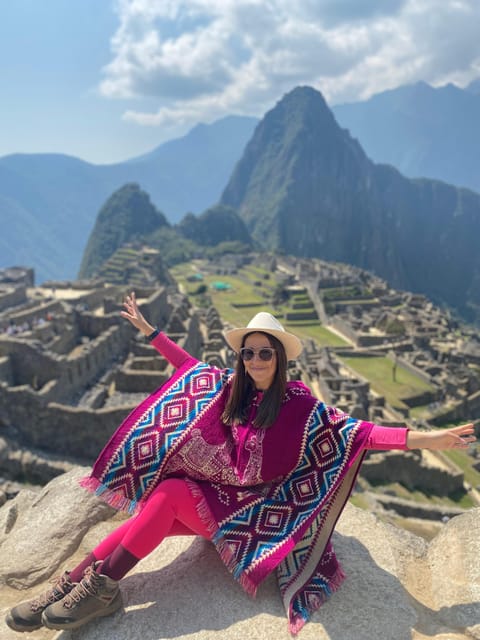
You must bring your passport. This ties directly to entry checks, so do not assume you can travel lighter.
Pack for comfort. The tour involves pickup, bus time, and walking around Machu Picchu. Wear shoes you trust on stone paths, and bring a small layer for early morning.
Also plan for what is not included. The tour does not include water, snacks, or lunch, and that matters because fatigue and altitude can sneak up on you. Buying something later is possible, but having at least a small plan helps.
What is not allowed: bikes and alcohol and drugs. Keep your bag simple and follow site rules to avoid losing time.
Lunch after: how to turn the tour into a full half-day plan
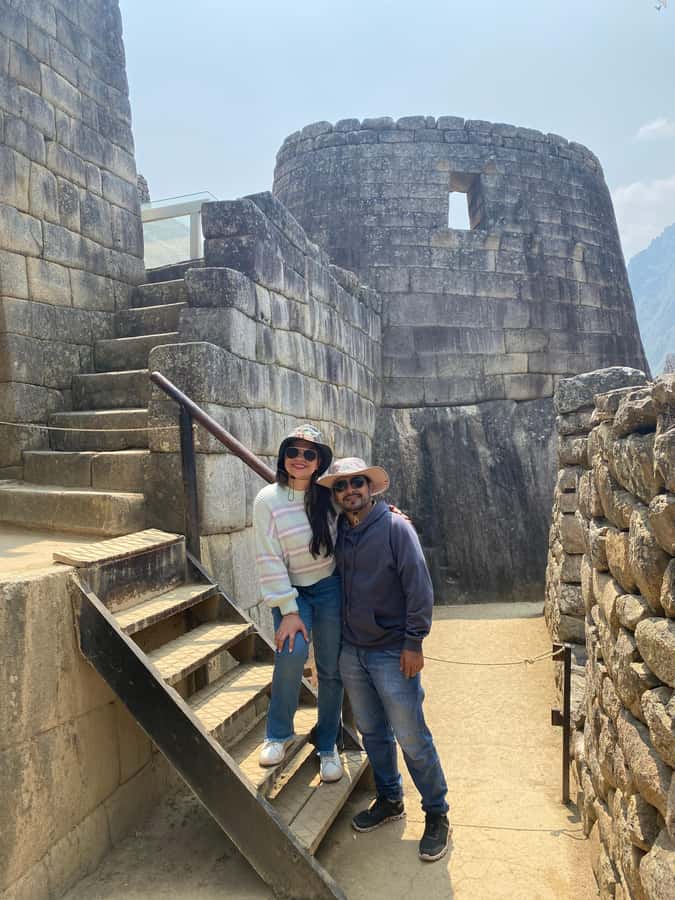
Once the guided time ends, you will get suggestions for tasty lunch spots before you head back to Cusco. This is a genuinely useful touch because Machu Picchu days can be exhausting, and it is nice to have a local recommendation instead of guessing.
Here’s the practical trick: treat lunch as part of the logistics, not an afterthought. Eat before you are too tired to think. Then you can enjoy the return journey without feeling like you barely had anything in your system.
If you are sensitive to altitude or early mornings, you will likely feel better if you plan lunch with something filling and easy to digest.
Should you book this Machu Picchu photo and history tour?
Book it if your top goals are great photos, solid history and archaeology explanations, and a tour pace that gets you through the highlights in a focused 3-hour window. If you want someone to help with angles, positioning, and the “what am I looking at” part all in one, this format fits.
Consider a different option if you want a long, slow wander with lots of solo time for independent photography and deep resting between sites. In a 3-hour plan, you have less freedom to linger.
FAQ
How long is the Machu Picchu tour?
The tour lasts 3 hours.
Is this a private tour or shared group?
This is a private group experience.
What languages are offered for the guided tour?
The tour is available in English and Portuguese.
What is included in the price?
Included are the transfer from your hotel or train station to Machu Picchu, a 3-hour guided tour, photo support at Machu Picchu, and scientific information.
What is not included?
Machu Picchu tickets, bus tickets, food, water, and snacks are not included.
Where can the pickup happen?
Pickup options include Aguas Calientes and Machu Picchu station.
What do I need to bring, and what is allowed?
Bring your passport. Bikes and alcohol and drugs are not allowed.
More Tours in Urubamba
- Machu Picchu: Group Guided Tour
★ 4.7 · 102 reviews - Machu Picchu: Tour Guide Service & Entrance Ticket Circuit-2
★ 4.6 · 90 reviews - Cusco: One Day Tour to Machu Picchu with Train Transfers
★ 4.8 · 28 reviews - Cusco: River Rafting Adventure Full Day | Adrenaline Tour
★ 4.9 · 23 reviews - Machu Picchu: 1-day tour by Vistadome Panoramic train
★ 4.7 · 15 reviews
More Tour Reviews in Urubamba
- Cusco:Sacred Valley Pisaq,Ollantaytambo,Chinchero with Lunch
★ 4.8 · 183 reviews - Machu Picchu: Group Guided Tour
★ 4.7 · 102 reviews - Machu Picchu: Tour Guide Service & Entrance Ticket Circuit-2
★ 4.6 · 90 reviews - From Cusco: Chinchero, Moray, Maras and Ollantaytambo
★ 4.5 · 83 reviews - from Urubamba & Ollantaytambo:Sacred Valley Full-Day Private
★ 4.9 · 31 reviews
Reaching the Citadel, Other Options
- Machu Picchu: Group Guided Tour
★ 4.7 · 102 reviews - Machu Picchu: Tour Guide Service & Entrance Ticket Circuit-2
★ 4.6 · 90 reviews - Cusco: One Day Tour to Machu Picchu with Train Transfers
★ 4.8 · 28 reviews - 4 days/3 nights: Inka Jungle Trek to Machu Picchu
★ 4.7 · 25 reviews - Private Guide in Machu Picchu for 3 Hours
★ 4.2 · 17 reviews
Freshly reviewed across Urubamba
- Sacred Valley Tour 1 Day★ 5.0 · 3 reviews
- Peru in 5 days: Lima, Cusco, Machupicchu & Rainbow Mountain★ 5.0 · 3 reviews
- Sun and Moon Tour★ 4.5 · 3 reviews
- Cusco | Visit Maras, Moray, Chinchero, Pisac | Valle Vip★ 4.4 · 3 reviews
- 1 Day – Humantay Lake★ 3.1 · 3 reviews
- From Cusco:Chinchero, Moray, Maras, Ollantaytambo with lunch★ 5.0 · 3 reviews
Machu Picchu Tours side by side.
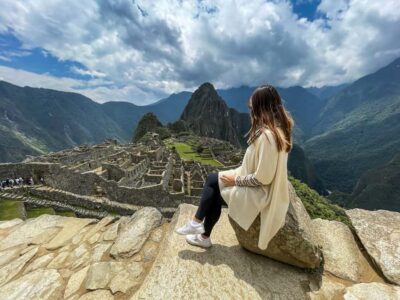 ★ 4.7From Cusco: Full-Day Group Tour of Machu PicchuFrom $3211,767 reviews
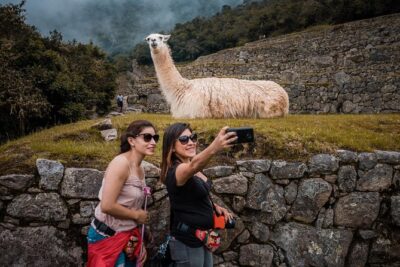 ★ 4.5Machu Picchu Day Trip from CuscoFrom $3361,644 reviews
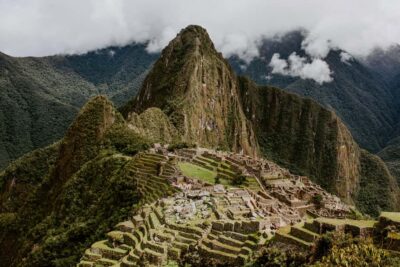 ★ 4.6Machu Picchu: Full-Day Tour from Cusco with Optional LunchFrom $283927 reviews
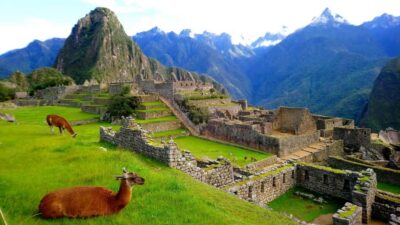 ★ 4.8Cusco: 4-Day Inca Trail to Machu Picchu with AccommodationFrom $470432 reviews
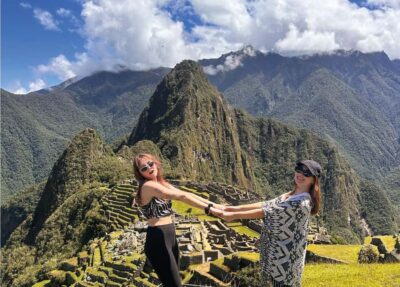 ★ 4.6From Cusco: 2-Day Trip to the Sacred Valley and Machu PicchuFrom $370265 reviews
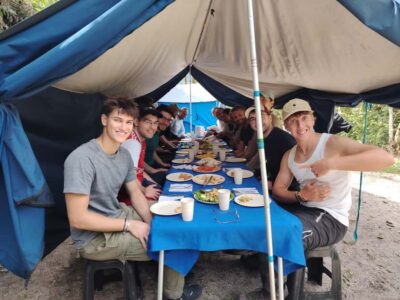 ★ 4.9Cusco: Machu Picchu 2-Day Inca Trail with Panoramic TrainFrom $582260 reviews
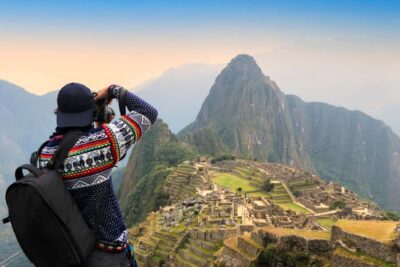 ★ 4.2From Cusco: 2-Day Inca Trail to Machu PicchuFrom $290244 reviews
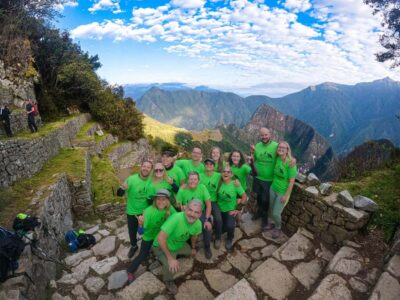 ★ 4.9Machu Picchu: Inca Trail 2-Day Overnight Guided TourFrom $585203 reviews
Also on these Peru lists