
REVIEW · MACHU PICCHU
4 days/3 nights: Inka Jungle Trek to Machu Picchu
Four days to Machu Picchu, with jungle shortcuts. The Inka Jungle route mixes mountain passes, real foot travel on Inca roads, and an early arrival to Machu Picchu so you start the day feeling ahead.
What I like most is the way the trip doesn’t just move you from A to B. It builds a full experience with a bike descent into warmer valleys, and then hikes through jungle edges and old trail corridors.
I love the variety of effort. The long bicycle descent on Day 1 is a highlight if you enjoy speed with big views, and it sets the tone for the rest of the trek. On Day 2 you walk 7 to 8 hours through ascents and descents along an ancient Inca road segment, with chances to spot local fruit and medicinal plants and lots of birds.
One drawback to plan around: some activities are weather-dependent, especially the rafting. Between January 1 and March 31, rafting on the Urubamba (listed as Vilcanota for the rafting component) can be canceled if the river is high, and there’s no refund for that day’s rafting.
In This Review
- Key things I’d focus on before you go
- Why this Inka Jungle route feels different than a standard trip
- Day 1: Cusco to Abra Málaga, then Santa María by private transport and bike descent
- Day 1 rafting and the weather rule you must understand
- Day 2: Santa María along the Urubamba for 7 to 8 hours, then Oroya to Cocalmayo hot springs
- Day 3: Cola de Mono zip line, then Hidroeléctrica canyon walk and the 3-hour train-track section
- Day 4: Sunrise entry to Machu Picchu plus guided stops like Inti Watana and Temple of the Condor
- Price and value: is $420 a fair deal for this mix of effort and included costs?
- Physical effort and what to pack so you don’t waste the experience
- Small group size: comfort, safety, and why 15 matters
- Who this Inka Jungle trek is best for
- Should you book the Inka Jungle Trek to Machu Picchu?
Key things I’d focus on before you go
- Bike descent on Day 1: 3 to 4 hours down from the Malaga pass area, before you settle into Santa María.
- A full Day 2 hike: 7 to 8 hours along a preserved Inca road section, plus plant and wildlife viewing.
- Hot springs at Santa Teresa: Cocalmayo hot springs are part of the route, but the entrance is not included.
- Cola de Mono zip line option: included in the package, so you can decide on the day.
- Hidroeléctrica and the train-track walk: a very specific transition day toward Aguas Calientes.
- Machu Picchu sunrise entry: you aim to be among the first groups inside, then get a guided tour of key sites.
Other citadel visits, ticket types and start times
- Machu Picchu: Group Guided Tour
★ 4.7 · 102 reviews - Machu Picchu: Tour Guide Service & Entrance Ticket Circuit-2
★ 4.6 · 90 reviews - Machu Picchu: historical and photographic guided tour
★ 4.9 · 27 reviews - 4 days/3 nights: Inka Jungle Trek to Machu Picchu
★ 4.7 · 25 reviews
Why this Inka Jungle route feels different than a standard trip
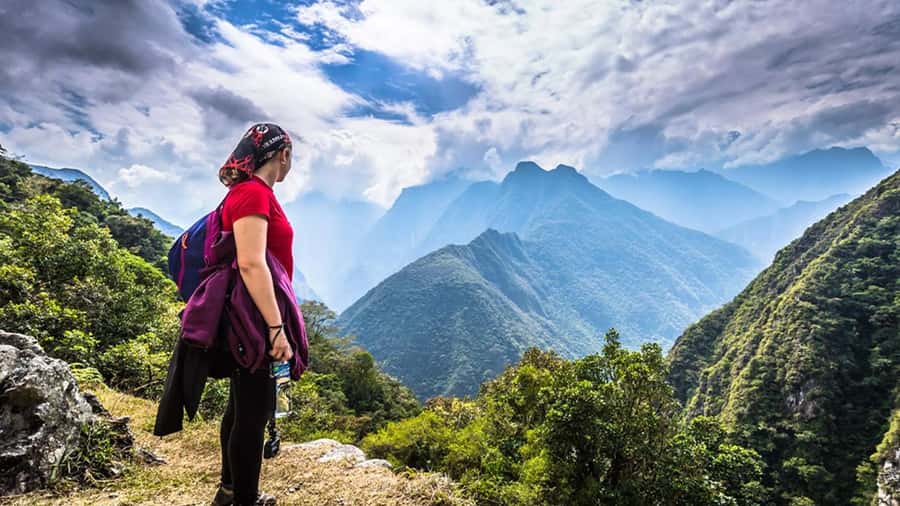
Most Machu Picchu tours get you to Aguas Calientes and then rush the main moment. This one keeps you moving through the Cusco region for 4 days, so your first views of Machu Picchu feel earned instead of scheduled. You’ll start in higher altitudes near Cusco, then work down into river valleys and jungle-edge terrain, which changes the air, the soundscape, and the way your body feels as the days roll on.
The biggest value is how the day-by-day pacing forces you to experience several “faces” of the region: mountains, preserved Inca road sections, canyon walking, and finally the high, stone stillness of Machu Picchu. If you like active travel with a clear structure, this fits well.
And if you care about guide quality, you’ll be glad to know the trek guide role is staffed by an official qualified adventure guide. In past trips, guides such as Gustavo Candia have been praised for their attention and English skills, which matters when you’re listening while walking and when you’re trying to understand what you’re seeing.
Day 1: Cusco to Abra Málaga, then Santa María by private transport and bike descent
Your day starts early, with hotel pickup at 06:30. You’ll ride in private transport for about 4 hours through the Malaga pass area to reach San Luis, which is where the adventure portion begins. This long transfer matters because it gets you positioned for the big drop later, and it helps you avoid spending the morning figuring out connections in Peru traffic.
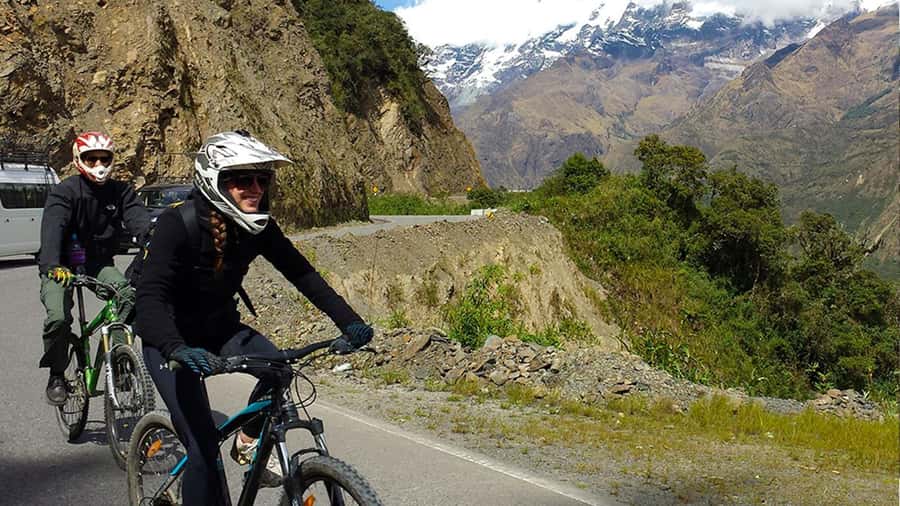
Then comes the standout piece for many people: a bicycle descent for 3 to 4 hours until Santa María. The route is designed to let you appreciate the shift in terrain on the way down, including stops that connect you to the archaeological center of Huamanmarca. In practical terms, you’re trading gym time for “real-world terrain,” and that’s usually more satisfying.
Weather and river conditions don’t matter yet, but your schedule does: biking and early travel mean you should be ready for a full day right away. You’ll also have an optional rafting tour on the Urubamba River in the afternoon. That optional rafting is listed with rapids between level III and IV, but it’s subject to seasonal water levels (and it may be canceled in the Jan 1 to Mar 31 window if the river is high).
That night is hostel accommodation in Santa María, so plan for functional lodging rather than resort-style comforts.
Day 1 rafting and the weather rule you must understand
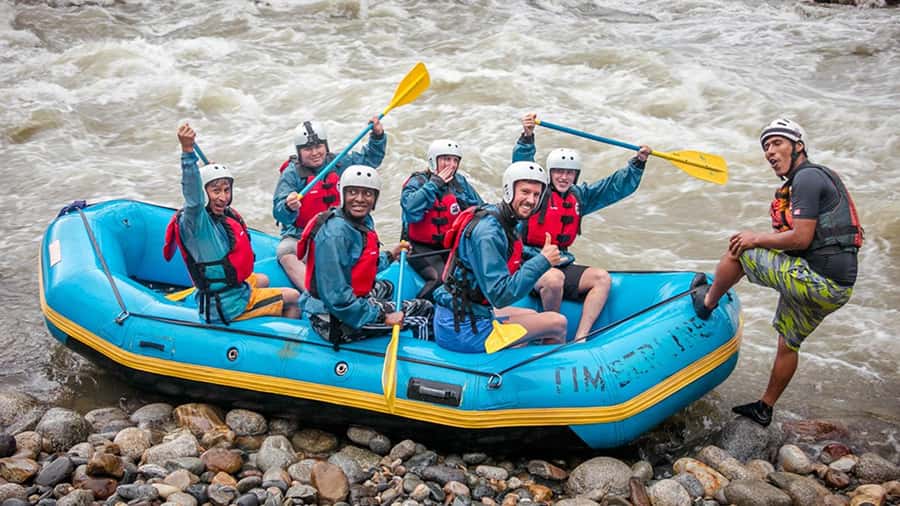
If you’re traveling in the Jan 1 to Mar 31 window, treat rafting as a maybe, not a promise. The trip notes that if the river is high on your activity day, rafting will not take place, and there is no refund for that rafting component.
This is important for two reasons. First, it affects your mental planning. You won’t want to build your entire “Day 1 dream” around a specific rapids run if your dates fall in that seasonal window. Second, it affects value. You’re paying for a package that includes the rafting activity, but the operator is clear that conditions can shut it down.
If rafting is your top priority, consider adjusting your travel dates if you can. If not, keep the bike descent and the jungle transition as your real Day 1 anchor, because those are the pieces that still happen even if the water doesn’t cooperate.
Day 2: Santa María along the Urubamba for 7 to 8 hours, then Oroya to Cocalmayo hot springs
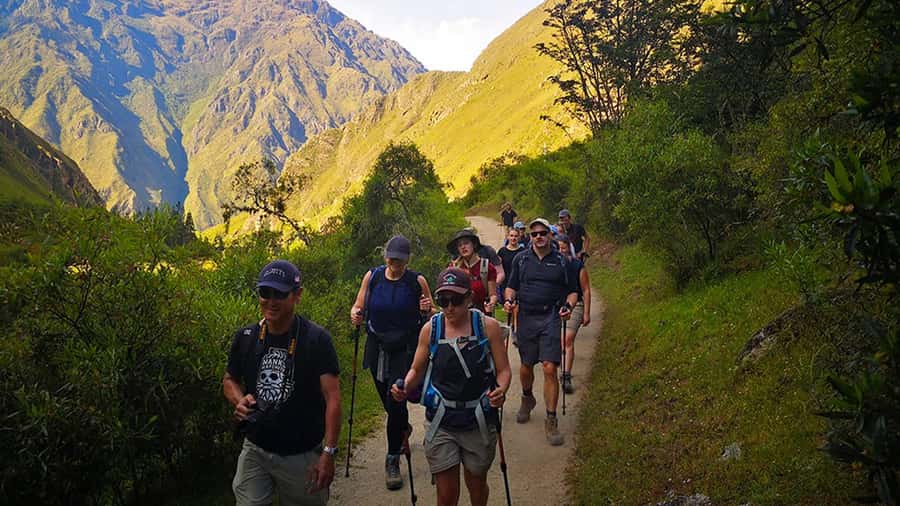
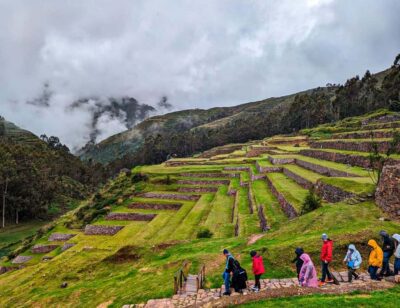
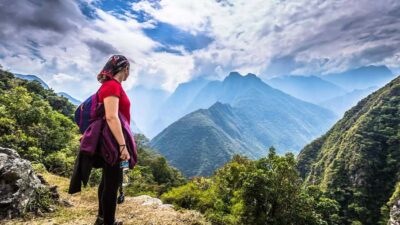
After an early breakfast, you begin walking along the Urubamba River banks for about 7 to 8 hours. This is your longest “on-foot” workday, with steady ascents and descents. Expect a day that rewards consistent effort rather than speed. The trail is described as following part of an ancient Inca road that is perfectly preserved, and that’s a big deal for your experience.
Why? Because you’re not just hiking through green scenery. You’re moving along a corridor built for people and purposes long before modern roads existed. You also get time to observe fruit and medicinal plants used by locals, plus birds and other wildlife.
A practical tip here: your success on Day 2 will come from pacing. Start a little slower than you think you need to. When you reach climbs, keep your breathing controlled and keep your eyes on the path. It’s easier to enjoy the experience when you’re not fighting your legs.
In the afternoon, you cross the Urubamba River through Oroya to reach Cocalmayo hot springs in Santa Teresa. Hot springs entrance is not included, so budget separately if you want to soak. Either way, the end of the walk sets you up for a night in Santa Teresa at hostel accommodation.
Day 3: Cola de Mono zip line, then Hidroeléctrica canyon walk and the 3-hour train-track section
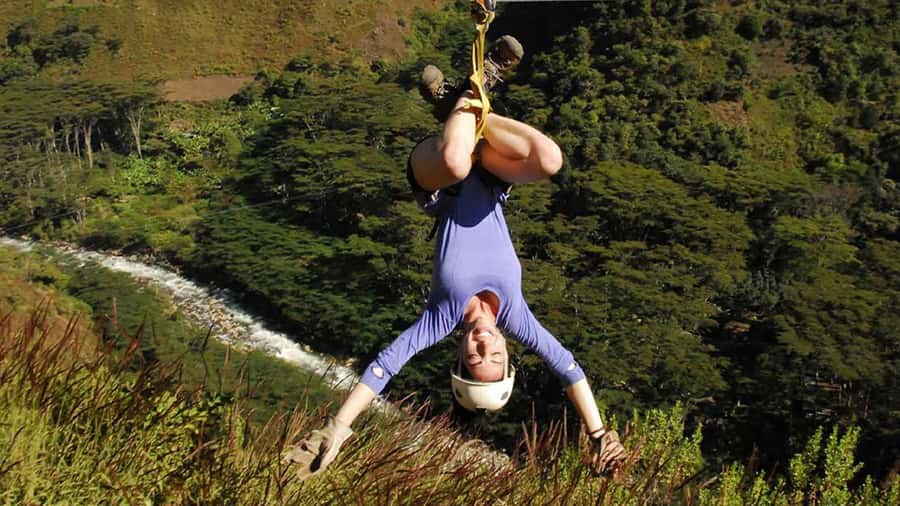
Day 3 starts with a morning option to do the zip line in Cola de Mono. Zip line is listed as part of the included activities, so you can take it without paying an extra add-on fee. It’s a good choice if you want a quick adrenaline boost before a long transition day.
After breakfast, you walk to Hidroeléctrica. The route includes a narrow canyon where the climate is described as pleasant, which can feel like a relief after earlier ascents and the open feel of river-bank walking. At Hidroeléctrica you’ll have lunch, then continue for about 3 hours along train tracks until Aguas Calientes.
This train-track portion is one of those things that sounds simple on paper but feels real in your body. You’re walking with your gear and the terrain is sustained. If you like structure and predictability, this day is nice because it’s very “one long process” toward the Machu Picchu area.
At the end, you sleep in Aguas Calientes, which sets you up for an early start on Day 4. For many people, the mental switch happens here: you stop thinking of it as a trek and start thinking of it as Machu Picchu day.
Day 4: Sunrise entry to Machu Picchu plus guided stops like Inti Watana and Temple of the Condor
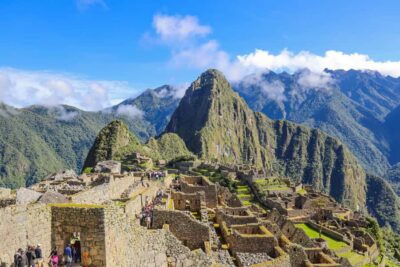
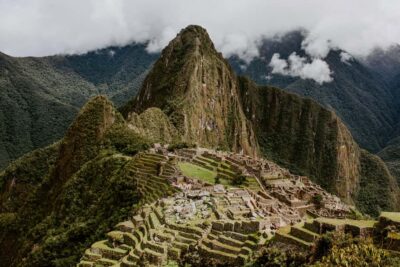
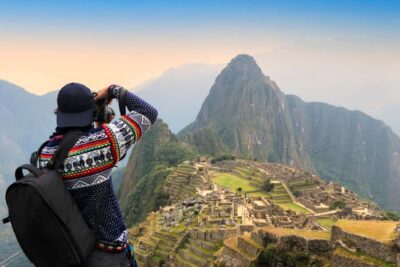
On Day 4, after breakfast, you walk from Aguas Calientes to Machu Picchu. The plan is to get inside among the first groups, which makes sunrise possible. If you want the site with fewer crowds and softer light on the stone, this timing helps a lot.
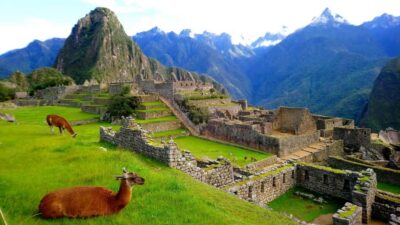
Once inside, you get a guided tour of important features such as Inti Watana, the Temple of the Condor, the sacred rock, and other key stops. This is where the official guide matters. A good guide helps you read what you’re seeing, instead of just looking at a famous place with no context.
You’ll then head back to Aguas Calientes at the appropriate time to board the train from Machu Picchu station to Ollantaytambo. After that, a tourist bus waits to transport you back to Cusco. The included transport notes also mention private transportation from your Cusco hotel to Cusco airport, so your package appears designed to handle your end-of-trip connection.
Optional item to consider: bus tickets up and down to Machu Picchu are listed as USD 24, and Wayna Picchu is USD 65 optional. The walk is part of the plan, so these extras are for people who want an alternate route or the extra summit view. If you hate extra stairs, you might appreciate the bus option if it’s available for your timing.
Price and value: is $420 a fair deal for this mix of effort and included costs?
At $420 per person for 4 days and 3 nights, the value comes from how much is bundled into one plan. You’re not just buying a “ticket to a site.” You’re paying for a qualified adventure guide, official Machu Picchu entrance, train transport from Aguas Calientes to Ollantaytambo, and a full set of meals plus accommodation during the trek.
The package also includes in-route essentials that add up fast if you price them separately: biking equipment, first aid kit, and nightly hostel lodging in the Inka Jungle area. On top of that, you get multiple activity components such as the zip line, and potentially rafting depending on conditions.
Meal coverage is also structured. You’ll have 3 breakfasts, 3 lunches, and 3 dinners included, with two clear exceptions: breakfast on the first day and lunch in Aguas Calientes are not included. That means you should plan for at least those two meals to be purchased on your own.
So here’s how I’d judge value: if you want a planned route that turns Machu Picchu into a multi-day trek with real physical work, plus a guide to explain the key sites, $420 can make sense. If you already know you will skip multiple optional components like hot springs and extra peaks, then your “included extras” shrink a bit and you should compare what you’ll truly use.
Physical effort and what to pack so you don’t waste the experience
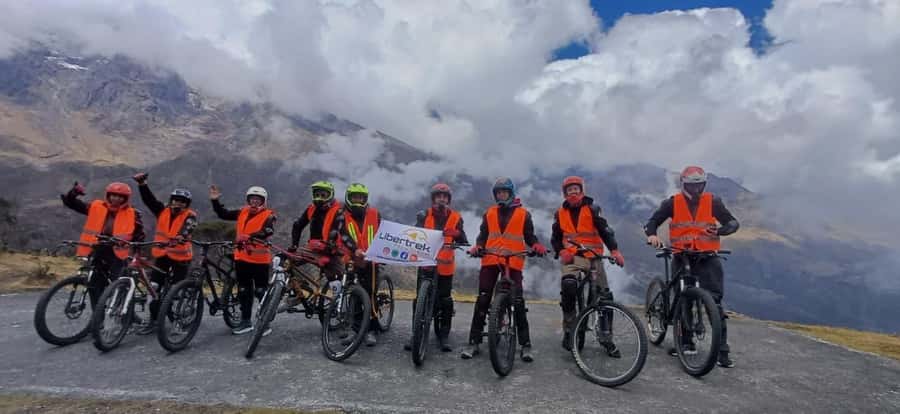
This trek is not a casual stroll. You’ll be cycling, then hiking multiple days, including a 7 to 8 hour walking day and a 3-hour train-track walk. Even if you’re a reasonably fit traveler, your body will feel it. The best strategy is smart preparation.
Pack based on the trip’s own list:
- Passport
- Comfortable shoes plus hiking shoes
- Hiking pants
- Sunscreen, sunglasses, hat
- Insect repellent
- Swimwear, towel (for hot springs option)
- Camera
- Comfortable clothes and personal medication
- Cash
One more practical thought: bring layers. The temperature shift from Cusco area down toward river valleys can change how you feel during the day.
Also consider how you carry your gear. The trip includes biking equipment, but you still need to be ready for walking with your own comfort. A small daypack is often a lifesaver for items like sunscreen, water, and a light layer, even if the details of what you carry vary by operator rules.
Small group size: comfort, safety, and why 15 matters
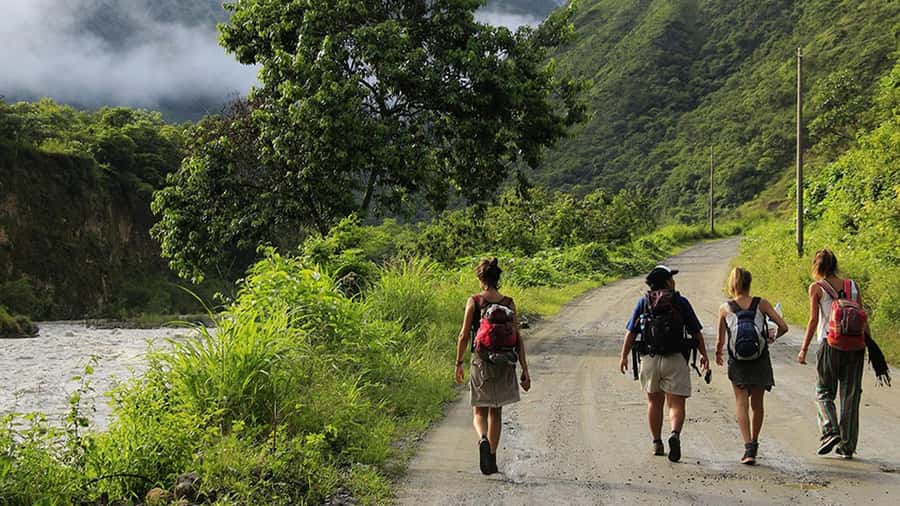
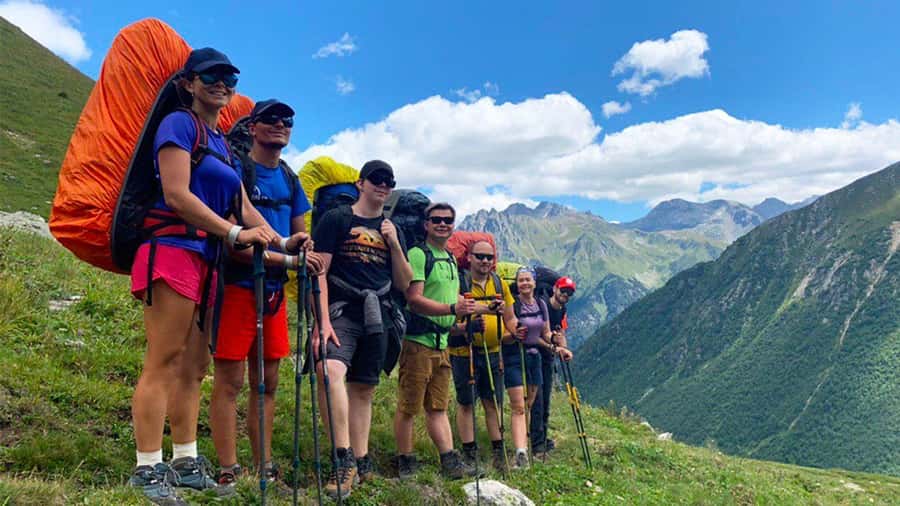
The group is limited to 15 participants, and it’s run by an English and Spanish live guide. Smaller groups tend to move with better rhythm, ask more questions, and get better support on timing and pacing.
This matters on a trek like this because the day involves transitions: transfers, bike time, long hikes, river crossings, and then the Machu Picchu entry morning. When the group is smaller, you’re less likely to feel lost in the shuffle.
If you’re sensitive to attention during emergencies, the included first aid kit is a plus. At the same time, it’s still smart to have your own plan for personal meds and basic preparedness, since the trek route includes remote sections and activities influenced by weather.
Who this Inka Jungle trek is best for
This tour fits best if you want active travel and you’re excited by the journey to Machu Picchu, not just the final photos. It’s a great match for:
- People who like mixed activities: biking, hiking, zip line, and possibly rafting
- Travelers who enjoy learning from a guide, especially for ancient Inca features
- Anyone who wants an early Machu Picchu arrival with guided stops
It may feel like too much if you:
- Want a fully relaxed itinerary with minimal walking
- Have knee or mobility limitations you cannot manage over several long walking days
- Must have rafting guaranteed, since it’s subject to water conditions in the specified season
Should you book the Inka Jungle Trek to Machu Picchu?
I’d book this if you’re excited by the idea of getting to Machu Picchu by bike descent, river walking, and Inca road sections, then ending with a guided morning inside the site. The $420 price is easier to swallow when you see what’s included: guide, Machu Picchu entrance, train segment, meals, hostels, biking equipment, and the zip line.
I’d think twice if your dates fall in the Jan 1 to Mar 31 window and rafting is non-negotiable. The weather rule is clear, and you’d be paying for something that might not happen.
If you want Machu Picchu as the centerpiece, but you also want a meaningful adventure day-by-day, this is one of the more satisfying ways to do it in the Cusco region.
Reaching the Citadel, Other Options
- Machu Picchu: Group Guided Tour
★ 4.7 · 102 reviews - Machu Picchu: Tour Guide Service & Entrance Ticket Circuit-2
★ 4.6 · 90 reviews - Cusco: One Day Tour to Machu Picchu with Train Transfers
★ 4.8 · 28 reviews - Machu Picchu: historical and photographic guided tour
★ 4.9 · 27 reviews - Private Guide in Machu Picchu for 3 Hours
★ 4.2 · 17 reviews
Freshly reviewed across Urubamba
- Sacred Valley Tour 1 Day★ 5.0 · 3 reviews
- Peru in 5 days: Lima, Cusco, Machupicchu & Rainbow Mountain★ 5.0 · 3 reviews
- Sun and Moon Tour★ 4.5 · 3 reviews
- Cusco | Visit Maras, Moray, Chinchero, Pisac | Valle Vip★ 4.4 · 3 reviews
- 1 Day – Humantay Lake★ 3.1 · 3 reviews
- From Cusco:Chinchero, Moray, Maras, Ollantaytambo with lunch★ 5.0 · 3 reviews
Machu Picchu Tours side by side.
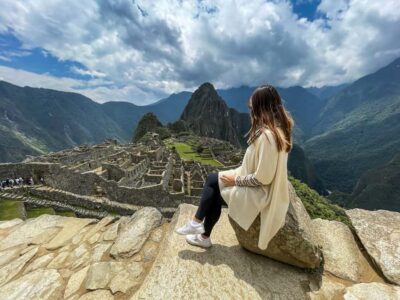 ★ 4.7From Cusco: Full-Day Group Tour of Machu PicchuFrom $3211,767 reviews
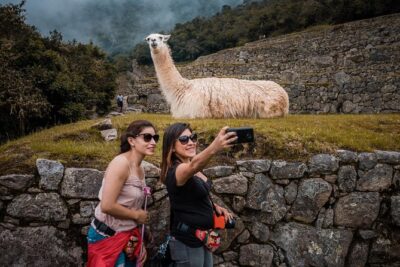 ★ 4.5Machu Picchu Day Trip from CuscoFrom $3361,644 reviews
 ★ 4.6Machu Picchu: Full-Day Tour from Cusco with Optional LunchFrom $283927 reviews
 ★ 4.8Cusco: 4-Day Inca Trail to Machu Picchu with AccommodationFrom $470432 reviews
 ★ 4.6From Cusco: 2-Day Trip to the Sacred Valley and Machu PicchuFrom $370265 reviews
 ★ 4.9Cusco: Machu Picchu 2-Day Inca Trail with Panoramic TrainFrom $582260 reviews
 ★ 4.2From Cusco: 2-Day Inca Trail to Machu PicchuFrom $290244 reviews
 ★ 4.9Machu Picchu: Inca Trail 2-Day Overnight Guided TourFrom $585203 reviews