
REVIEW · AREQUIPA CITY
Trek to the Route of the Sillar and Culebrillas in Arequipa
Quarry walls, canyon walks, and stone history all in one route. You get the Sillar Route story in the place where Arequipa’s iconic pale stone is actually cut and shaped, plus wide viewpoints over the volcano country. The best part is how active it feels for a half-day plan, not just a bus-and-photo stop.
I also like the Añashuayco Quarry focus, because it connects geology to everyday work, including a mega carving made by stonemasons and a chance to try hands-on stone cutting. The main drawback to plan around is that traffic can slow the schedule getting to the quarry, so build a little patience into your day.
In This Review
- Key Things I’d Mark as “Don’t Miss”
- Starting in Arequipa: Meeting Point and How the Morning Flows
- The Sillar Route Stops: Volcano Views and Why Sillar Matters
- Añashuayco Quarry: Ignimbrite Cliffs and the Mega Church Carving
- What the Guide Teaches Here: From Ashlar to Everyday Use
- Meet the Stonemasons: Hands-On Stone Cutting
- Quebrada de Culebrillas: Water-Made Canyon and a Short Hike
- Andenerías and Volcano Backdrop: Photo Timing That Works
- The Pace, the Walking, and Who This Tour Fits
- Price and Value: $13 Plus a Small Entrance Add-On
- Group Guide Quality: What the Ratings Teach You
- Finishing Up in Arequipa, Then Chivay Hot Springs as a Reward
- Should You Book This Trek?
- FAQ
- Where does the tour start and where does it end?
- What is the duration of the trek?
- How much does it cost?
- What does the tour include?
- What languages are available?
- Is it possible to cancel for a full refund?
- Can I reserve now and pay later?
Key Things I’d Mark as “Don’t Miss”
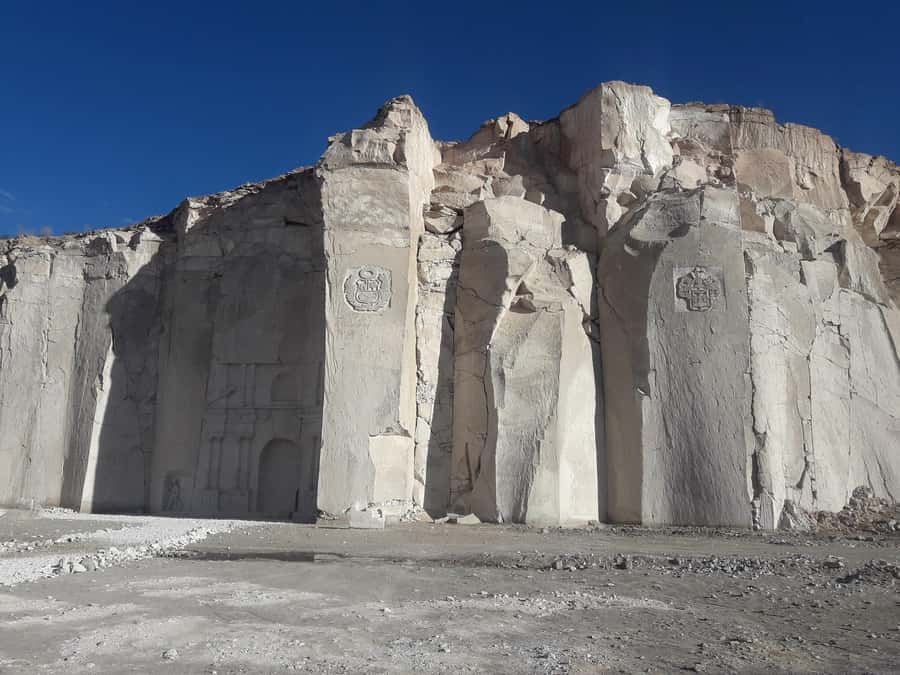
- Working quarry views of towering ignimbrite cliffs where the stone is extracted
- A mega carving of the Church of the Company of Jesus created by stonemasons
- A hands-on try at cutting a stone block while the work is explained
- Quebrada de Culebrillas canyon walk shaped by water over time
- Seasonal volcano and Andenerías viewpoints depending on what day light and weather give you
- A natural add-on to Chivay hot springs after the trek, since the tour ends in central Arequipa
Santa Catalina, Yanahuara and more Arequipa
- From Arequipa: Colca Canyon Full-Day Guided Tour with Meals
★ 4.5 · 982 reviews - Tour to the Salinas Lagoon and National Reserve in Arequipa
★ 4.5 · 548 reviews - From Arequipa: Sillar Route Trek
★ 4.2 · 461 reviews - Arequipa: Chili River White Water Rafting with Hotel Pickup
★ 4.8 · 329 reviews
Starting in Arequipa: Meeting Point and How the Morning Flows
This trek starts at C. Álvarez Thomas 115, with a van ride right away. The day begins around 09:15, and you’ll spend time on the road, then on foot in two main areas. Expect photo stops and viewpoint breaks, not a nonstop hike.
You’ll be guided in English or Spanish by a professional guide, and that matters here because the quarry stops are where you’ll get the “why” behind what you’re seeing. The guide also helps you understand the stone terms you’ll hear, like how sillar relates to the blocks used across Arequipa’s architecture.
If you’re tight on timing, remember one real-world issue: traffic can affect arrival to the quarry. So I’d avoid chaining too many other activities right before or after this.
The Sillar Route Stops: Volcano Views and Why Sillar Matters
Before you even reach the quarry, you get a strategic viewpoint moment. The tour includes a brief stop where you can see the Volcanoes and the Chilina Valley. Then, depending on the season, the schedule can swap in another traditional viewpoint where volcanoes are visible.
That first section is more than scenic window dressing. It sets your context. Arequipa’s stone look makes sense only when you understand what sits beneath the city: volcanic deposits shaped into workable stone. Seeing the volcano country first helps the quarry visits feel like learning, not random sightseeing.
Once the route turns fully toward the Sillar Route, you’re heading into the extraction area where the story becomes physical. The drive segment is part of the pacing, giving you time to settle in, then you arrive ready to look closely.
Añashuayco Quarry: Ignimbrite Cliffs and the Mega Church Carving
The heart of the trek is the Añashuayco Quarry. You arrive in about 45 minutes after the earlier viewpoint segment, and then you get around 1 hour for the guided visit plus hiking within the quarry area.
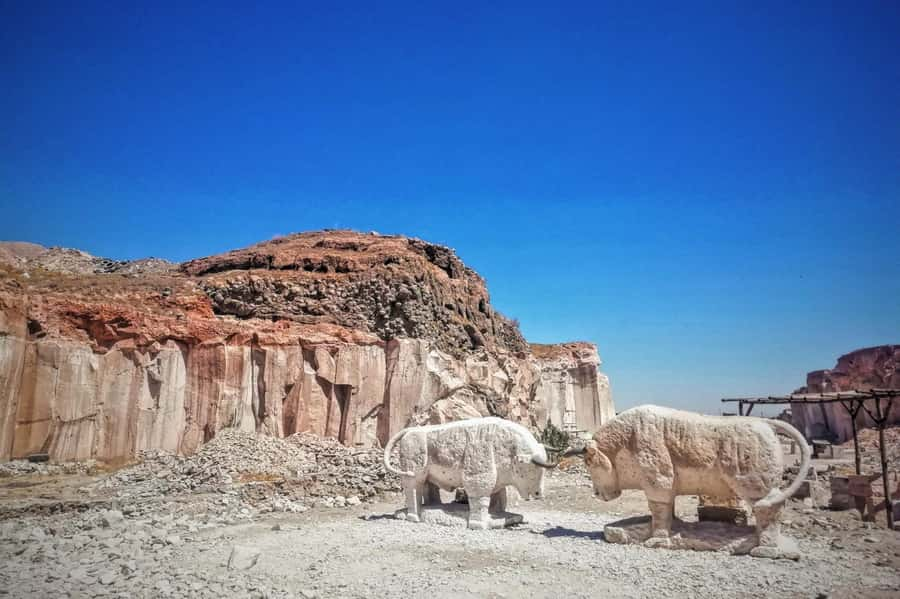
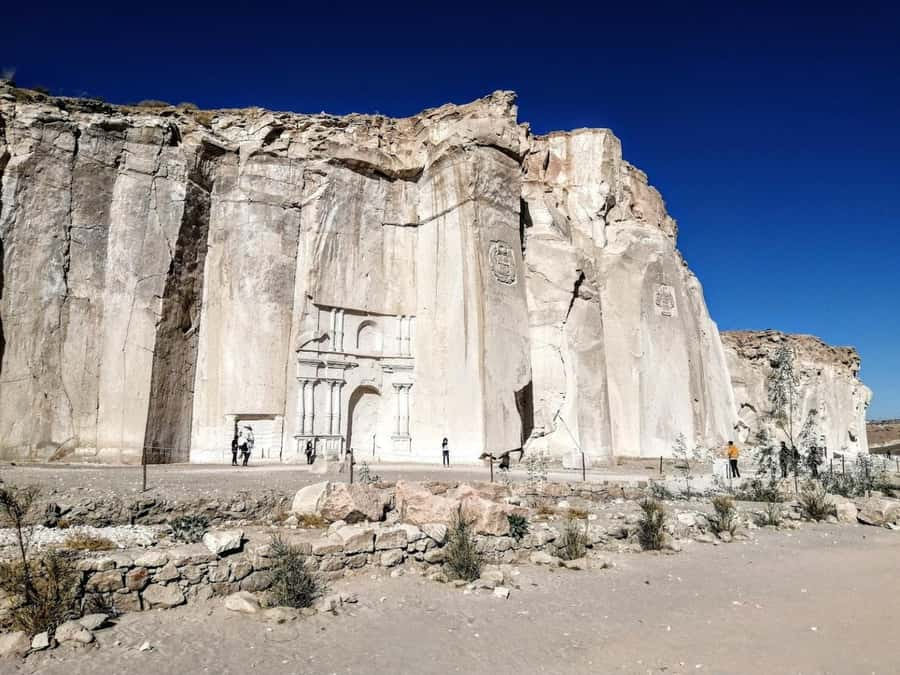
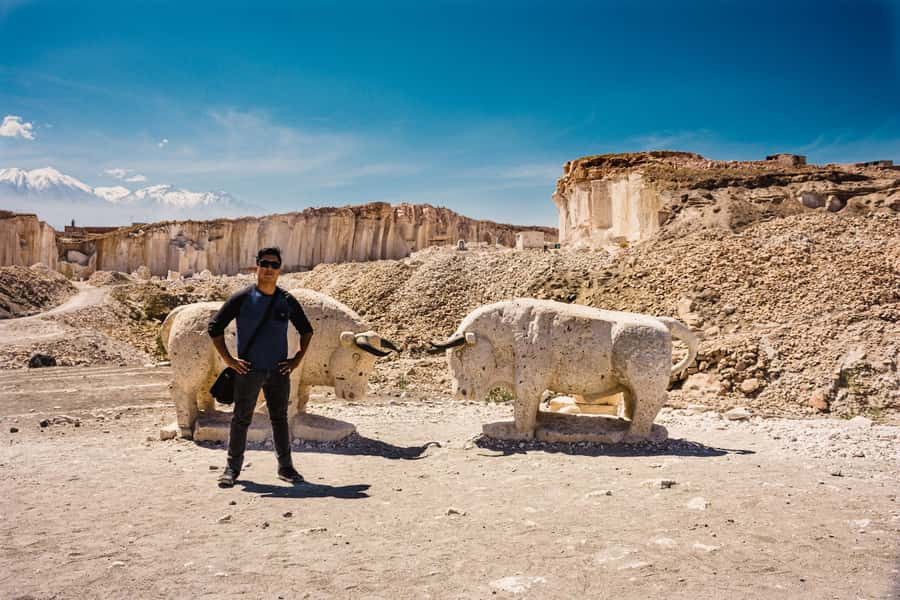
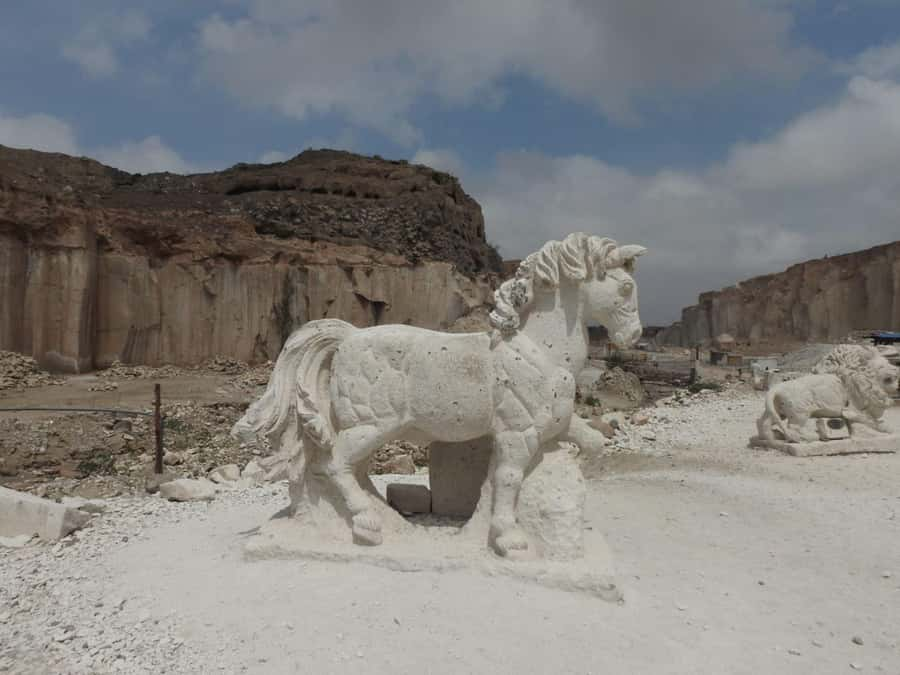
What makes this stop so memorable is the scale of the canyon-like space. You can see immense ignimbrite walls with cliffs that run several meters high. These walls exist because the stone is quarried for the formation of the ashlar blocks used in construction. In plain terms: you’re looking at the geology left behind after centuries of stone extraction, turned into a dramatic working landscape.
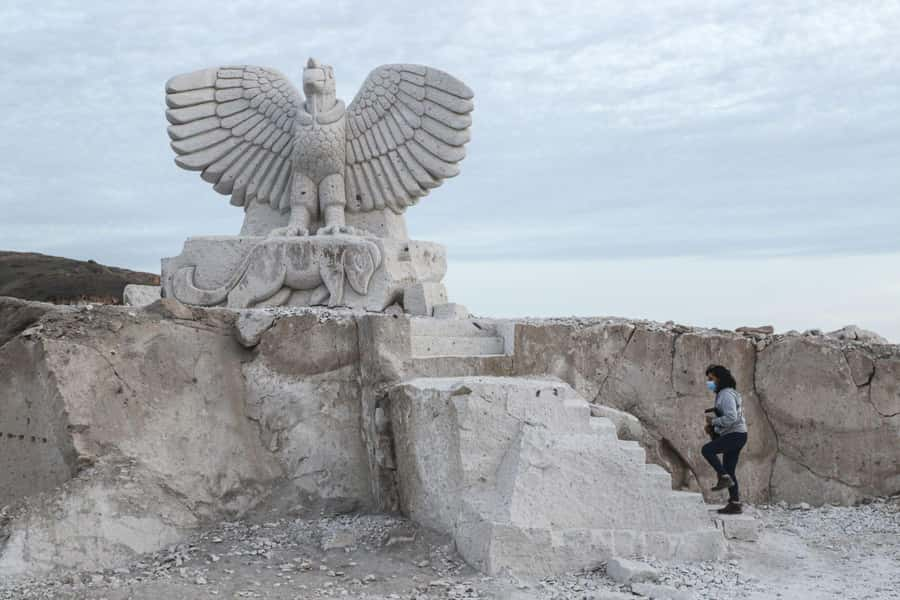
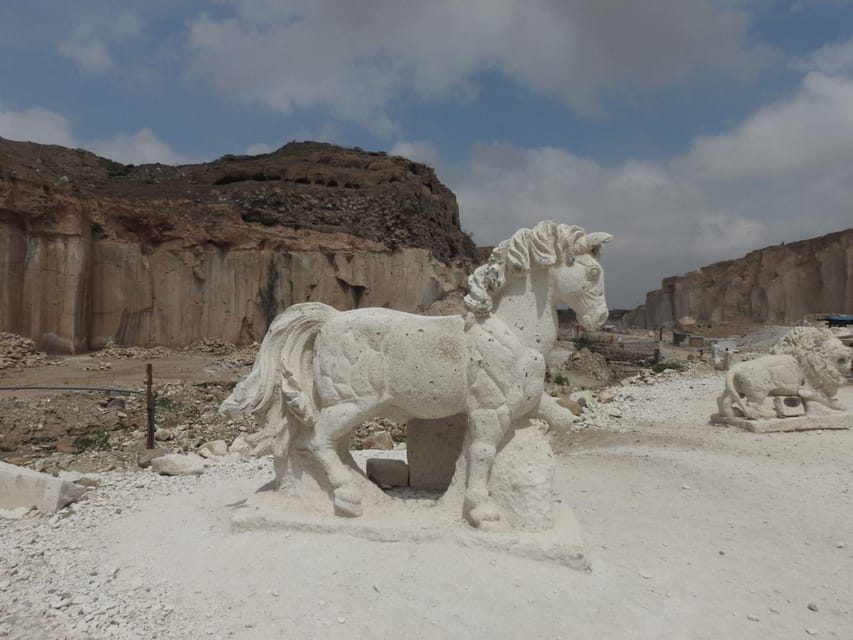
You’ll also see a mega carving made by the stonemasons themselves: the Church of the Company of Jesus. That single detail changes how you view the quarry. It’s not only industry, it’s craft, and it’s public art carved into stone at a working site.
What the Guide Teaches Here: From Ashlar to Everyday Use
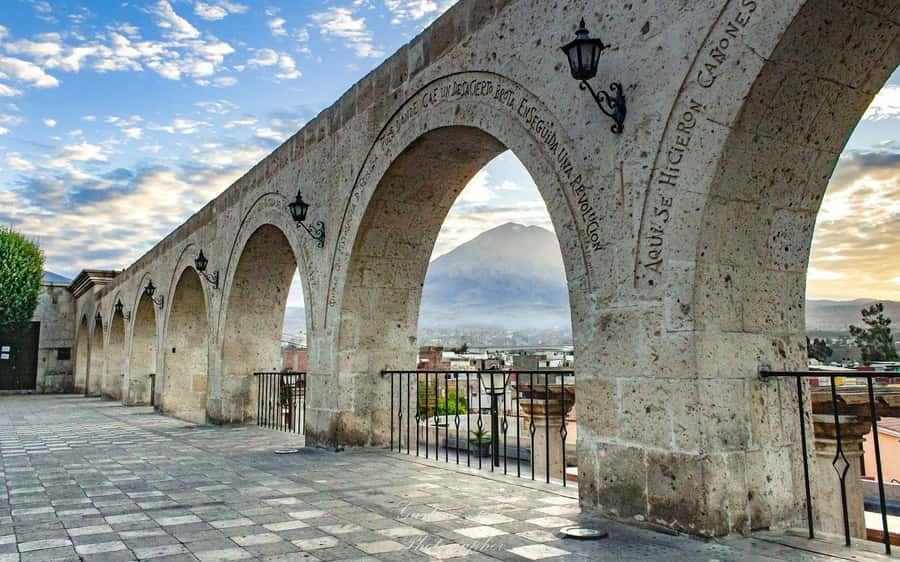
At the quarry, your guide explains the history and production side of sillar and ashlar. You’ll learn how the stone is made ready for use, and how it has been used over time. Even if you’re not a geology person, this is the part that helps you connect what you see to why Arequipa looks the way it does.
I like this approach because it keeps things grounded. Instead of stopping at a viewpoint and calling it culture, the tour points you to the actual source of the material. You come away with the feeling that Arequipa’s famous buildings are not just pretty, they’re built from something specific, from something local, shaped by people who have done the work for generations.
There’s also a practical angle: once you understand what sillar is and how it’s extracted, you’ll spot it later around the city with better eyes.
Other Andean routes worth the acclimatisation
Meet the Stonemasons: Hands-On Stone Cutting
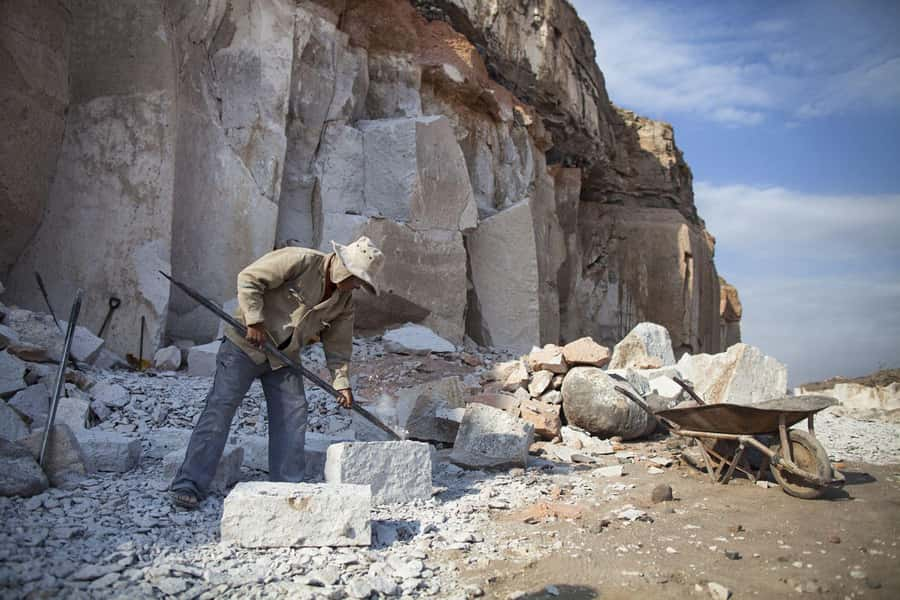
This is where the experience earns its value. In the quarry, you don’t just watch from a distance. You can visit a stonemason so they can explain their daily work and walk you through what’s involved. Then you get an experiment moment: you can cut one of the stone blocks yourself.
That might sound like a gimmick, but it’s actually a strong way to understand the craft. When you try even a small action, you realize the difference between raw material and shaped blocks. You also notice how much patience the work requires.
If you’re the type who likes learning by doing, this is the best reason to book. The rest of the day includes walking and viewpoints, but the stonemason interaction is the human center.
Quebrada de Culebrillas: Water-Made Canyon and a Short Hike
After the quarry, you ride in the van for around 30 minutes to Quebrada de Culebrillas. Here the tour gives you time for a break and photo stop, then you get a walk inside the small canyon.
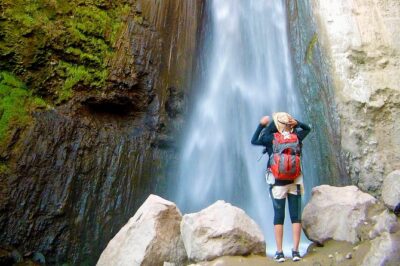
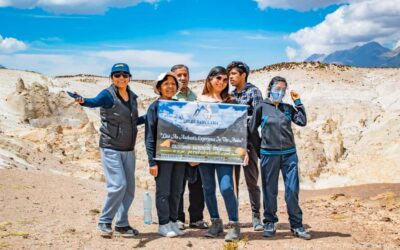
The hike is about 20 minutes inside the canyon, formed by the passage of water. That’s a different kind of geology than the quarry. Instead of human extraction shaping the walls, this place shows how water carved and chiseled over time, leaving a narrow corridor you can move through.
It’s a good contrast. Quarry first, canyon second. By the time you reach Culebrillas, you’ve already learned how to look at stone. Now you get to look at how stone gets shaped by natural forces.
Andenerías and Volcano Backdrop: Photo Timing That Works
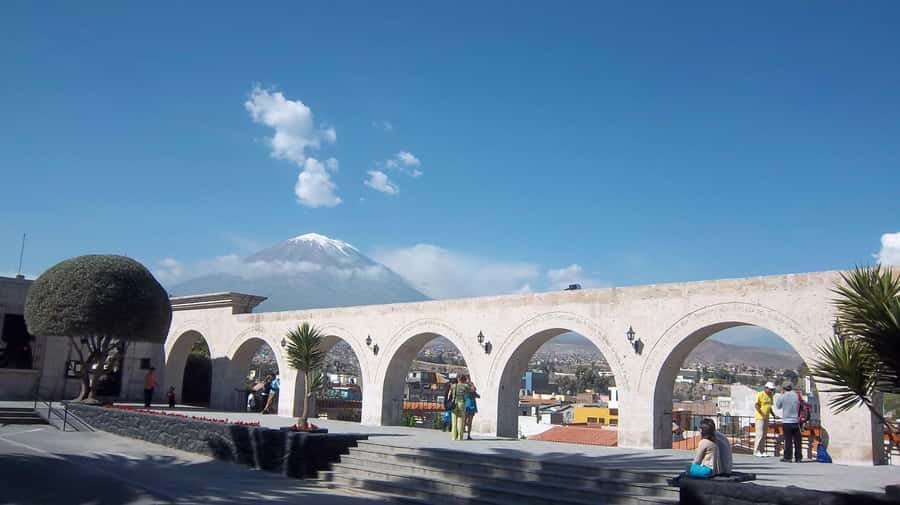
The tour includes volcano views and an Andenerías viewpoint component. The key detail is timing: the tour notes that viewpoints can vary depending on the season, including an alternate early viewpoint to see volcanoes.
So here’s the practical advice. Keep your camera ready during the viewpoint segments, and don’t treat the first scenic stop as optional. Morning light can change fast, and since the route can swap viewpoint locations seasonally, you want to capture what’s available that day.
Also, don’t wait until the last minute. During canyon and quarry time, you’ll be moving and focusing. For volcano photos, quick setup matters.
The Pace, the Walking, and Who This Tour Fits
Your total duration is 270 minutes, about 4.5 hours. That’s long enough to feel like a real outing, but short enough that you’re back in Arequipa without losing a whole day.
You do two main active sections:
- Quarry time with guided walking and a bit of hiking for about 1 hour
- Culebrillas canyon walk for about 20 minutes inside the canyon (with additional stop time)
This works well if you like hands-on learning, stone craft, and short hikes with clear payoffs. If you hate any kind of walking, this may feel like too much. But if you can handle a moderate walk and you enjoy learning, it’s a strong fit.
Price and Value: $13 Plus a Small Entrance Add-On
The price is $13 per person, and what you get for that matters:
- Touristic transport by van
- A professional guide in English or Spanish
- Quarry and canyon experiences with guided explanation
- A hands-on cutting experiment with stonemasons
On top of that, there’s an entrance ticket cost listed at 10 soles for the places, not included in the base price. So your true cost will be a bit higher than the headline number, but you’re still paying for guided access plus guided time in two meaningful sites.
In terms of value, I think this tour is strongest when you care about more than photos. You’re paying for context, craft, and the chance to interact with the people doing the work.
Group Guide Quality: What the Ratings Teach You
The overall rating is 4 out of 5 from 9 reviews, which is a decent sign that the experience lands well most of the time. The positive feedback pattern you’ll want to pay attention to is enthusiasm and strong impressions from the sculptures and quarry content. When your guide explains with energy, these sites feel vivid, not like a checklist.
There is at least one very negative note about a terrible guide experience. That’s rare compared to the overall rating, but it’s worth acknowledging. If you book, bring a flexible mindset, and if anything feels off, ask questions early in the day so you can get the value you’re paying for.
And one more practical reality: even when the tour is good, traffic can delay you. That means you should avoid arranging something critical immediately after the finish.
Finishing Up in Arequipa, Then Chivay Hot Springs as a Reward
The tour ends at Av La Marina, Arequipa. From there, you’re positioned well to keep your day simple and head out to your next activity.
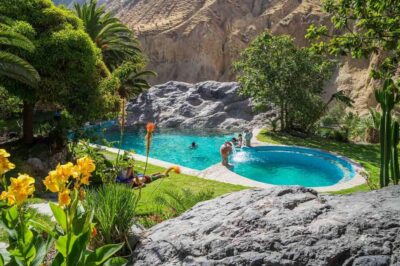
One of the highlights specifically calls out relaxing in the hot springs of Chivay after your trek. The tour doesn’t list hot springs as included in the provided details, but the idea is clear: the program is paced enough that you can turn the rest of your day into recovery and relaxation.
If you’re planning Chivay, try to protect time for rest, hydration, and a slow pace afterward. The trek gives you a lot of texture, then the hot springs can finish the day in the most enjoyable way.
Should You Book This Trek?
Yes, if you want a half-day Arequipa plan with real substance. This is not only about viewpoints. The quarry visit, the mega carving of the Church of the Company of Jesus, and the stonemason interaction with a hands-on cutting moment are the reasons to go. You’ll leave with a clearer understanding of what sillar is and why it shaped the look of the city.
I’d think twice if your schedule is fragile. Traffic delays can happen, and the day can feel faster when you hit those slowdowns. Also, be honest about your walking tolerance, since you’ll do quarry hiking time and a canyon walk.
If you like learning by seeing the source material, this tour is a smart value.
FAQ
Where does the tour start and where does it end?
The tour starts at C. Álvarez Thomas 115 and finishes at Av La Marina, Arequipa, Perú.
What is the duration of the trek?
The duration is 270 minutes.
How much does it cost?
The price is $13 per person. Entrance tickets to the places are 10 soles and are not included.
What does the tour include?
It includes touristic transport and a professional guide.
What languages are available?
The live tour guide is available in English and Spanish.
Is it possible to cancel for a full refund?
Yes. You can cancel up to 24 hours in advance for a full refund.
Can I reserve now and pay later?
Yes. The activity offers reserve now & pay later, so you can book without paying today.
Andean Routes Worth the Climb
- From Arequipa: Sillar Route Trek
★ 4.2 · 461 reviews - From Arequipa: 2-Day Colca Canyon Trekking Tour
★ 4.8 · 243 reviews - 2 Day 1 Night Trek / Colca Canyon
★ 4.5 · 92 reviews - 4 hours Tour: Route of Sillar with Trek in Culebrillas
★ 4.2 · 69 reviews - Private 3 Day Colca Canyon Trekking tour (superior Service)
★ 5.0 · 58 reviews
More Tour Reviews in Arequipa
- From Arequipa: Colca Canyon Full-Day Guided Tour with Meals
★ 4.5 · 982 reviews - Tour to the Salinas Lagoon and National Reserve in Arequipa
★ 4.5 · 548 reviews - From Arequipa: Sillar Route Trek
★ 4.2 · 461 reviews - Arequipa: Chili River White Water Rafting with Hotel Pickup
★ 4.8 · 329 reviews - From Arequipa: 2-Day Colca Canyon Trekking Tour
★ 4.8 · 243 reviews
Arequipa Under El Misti
- From Arequipa: Colca Canyon Full-Day Guided Tour with Meals
★ 4.5 · 982 reviews - Tour to the Salinas Lagoon and National Reserve in Arequipa
★ 4.5 · 548 reviews - From Arequipa: Sillar Route Trek
★ 4.2 · 461 reviews - Arequipa: Chili River White Water Rafting with Hotel Pickup
★ 4.8 · 329 reviews - From Arequipa: 2-Day Colca Canyon Trekking Tour
★ 4.8 · 243 reviews
Freshly reviewed across Arequipa
- Excursion Salinas Lagoon and National★ 5.0 · 3 reviews
- From Arequipa: Full Day Colca Canyon Tour★ 4.5 · 3 reviews
- Arequipa: Colca Canyon Trekking 2 days and 1 night + food★ 4.8 · 3 reviews
- Walking tour through the Historic Center of Arequipa★ 4.0 · 3 reviews
- Arequipa: Catarata de Pillones and Bosque de Piedras Tour★ 4.3 · 3 reviews
- Cooking Class Typical Food in Arequipa★ 3.9 · 3 reviews
Arequipa City Tours side by side.
 ★ 4.5From Arequipa: Colca Canyon Full-Day Guided Tour with MealsFrom $42982 reviews
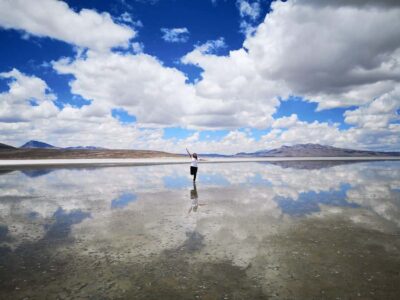 ★ 4.5Tour to the Salinas Lagoon and National Reserve in ArequipaFrom $27548 reviews
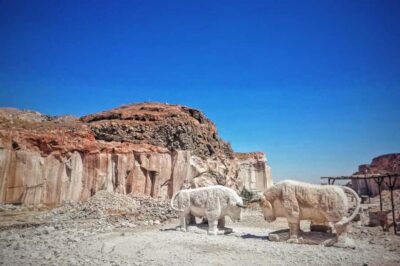 ★ 4.2From Arequipa: Sillar Route TrekFrom $12461 reviews
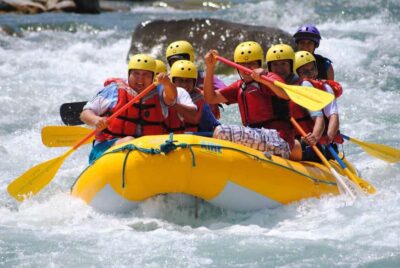 ★ 4.8Arequipa: Chili River White Water Rafting with Hotel PickupFrom $20329 reviews
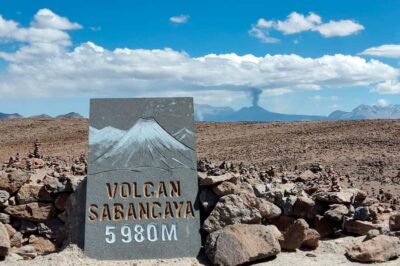 ★ 4.62-Day Tour Colca Canyon in Arequipa with end in PunoFrom $78248 reviews
 ★ 4.8From Arequipa: 2-Day Colca Canyon Trekking TourFrom $30243 reviews
 ★ 4.4Walking tour in the Historic Center of ArequipaFrom $10180 reviews
 ★ 4.4From Arequipa: Full Day Tour of Colca Canyon with MealsFrom $27146 reviews
Also on these Peru lists