
REVIEW · COLCA CANYON
2-Day Colca Canyon Tour to Puno with accommodation
The Colca Canyon is famous for a reason. This 2-day route mixes big views with real high-Andes wildlife, plus a smooth finish in Puno. I like how you get a proper stop at La Cruz del Condor, not just a quick drive by. I also like the second half of the trip, when the pace shifts to birds and salt flats at Pampa Cañahuas and Lagunillas. One thing to consider is altitude. You’ll hit high points like 4,800m and 4,950m, so you’ll want to move slowly and take water seriously.
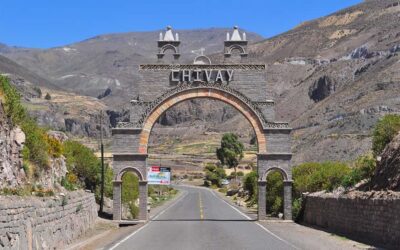
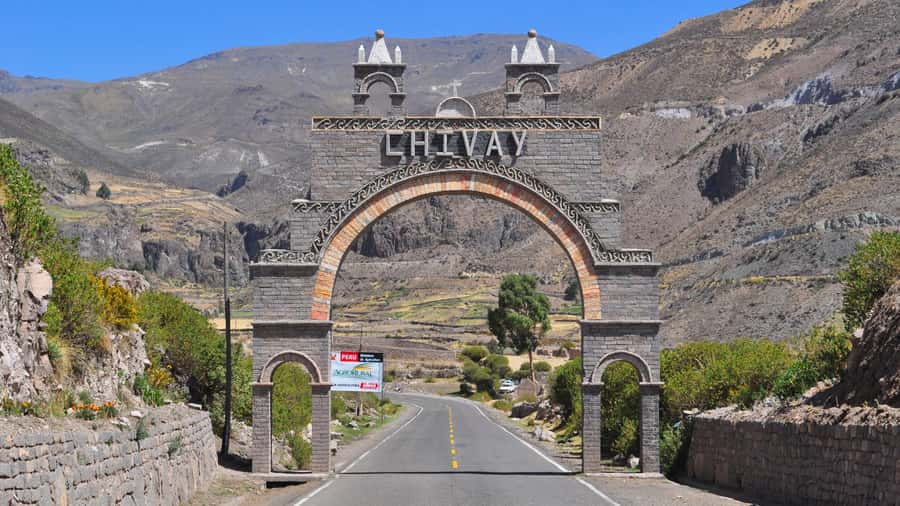
Day 1 starts with pickup from Arequipa city center around 8:00am, then heads out toward the Colca Valley. Along the way, you’ll watch for wild Andean camelids such as vicuñas, alpacas, and llamas, plus birds including flamingos, ibis, Andean geese, ducks, eagles, and the Andean bird called kara kara. You’ll also stop at scenic viewpoints before arriving in Chivay. The afternoon is yours to chill, and you can optionally soak in hot springs if you want.
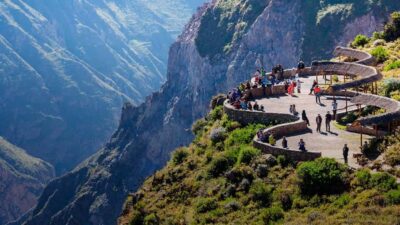
Day 2 begins early, around 6:00am, with a full day on the left side of the canyon. You’ll visit traditional towns like Yanque and Maca, learn how locals still use old terraces for crops like corn, quinoa, and amaranth, and then you’ll reach La Cruz del Condor for real canyon time. The main drawback? Lunch and canyon entrance fees are not included, so plan a little extra spending for meals and gate costs.
In This Review
- Key moments that make this tour worth your time
- From Arequipa pickup to Chivay, you start high and go straight to wildlife
- Pampa Cañahuas Reserve stops you up close to the real setting
- Patapampa viewpoints give you volcano scale without extra complexity
- Hot springs are optional, not required
- The Chivay night is part of the value, not just a stopover
- Day 2: the left side canyon day, Yanque and Maca, and the condor payoff
- Yanque and Maca: colonial churches and living embroidery
- La Cruz del Condor: where the canyon depth becomes real
- Back to Chivay for lunch time, then onward to Puno
- The Puno-bound bus stops: volcano views, camelid country, and Lagunillas birds
- Stop 1: Patahuasi, Mirador de Volcanes at 4,950m
- Stop 2: Pampa Cañahuas and the Salinas y Aguada Blanca National Reserve
- Stop 3: Lagunillas, panoramic lakes and flamingos
- What the $145 price gets you, and where you’ll spend a bit extra
- How to pack and plan for the altitude day after day
- Who this Colca to Puno tour suits best
- Should you book PVTravel’s 2-day Colca Canyon to Puno tour?
- FAQ
- What time is pickup in Arequipa?
- Where does the tour end in Puno?
- What is included in the price?
- Is breakfast included?
- Are hot springs included?
- Do I need to pay Colca Canyon entrance fees?
- What languages is the guide available in?
- Is the tour wheelchair accessible?
Key moments that make this tour worth your time
- Condors at La Cruz del Condor: you get time to watch, not just a photo stop
- Andean nature at Pampa Cañahuas: vicuñas, llamas, alpacas, and lots of birds
- Village stops in Yanque and Maca: churches, classic Andean embroidery, and terrace farming
- High viewpoint breaks: Patapampa at 4,800m and Patahuasi at 4,950m for volcano views
- Lagunillas on the way to Puno: panoramic lakes with flamingos and Andean gulls
- One night in Chivay: you split the journey into two manageable days
Colca departures from Arequipa and Chivay
- 2-Day Tour Colca Canyon in Arequipa with end in Puno
★ 4.6 · 248 reviews - Turist Bus Colca Canyon (Chivay) To Puno
★ 5.0 · 83 reviews - From Puno to Arequipa: 2 Days/1 Night Colca Canyon Tour
★ 3.6 · 83 reviews - From Arequipa Trek : 2-Days of Hiking in the Colca Canyon
★ 4.5 · 35 reviews
From Arequipa pickup to Chivay, you start high and go straight to wildlife
This is an active itinerary, but it’s organized. The morning begins with pickup from your Arequipa hotel if you’re in the city center, around 8:00am. If you’re staying outside that area, you’ll get a different meeting point, but the goal is the same: get moving early, before traffic and before the day gets too warm.
The drive takes you out from Arequipa’s altitude of about 2,325m toward the Colca region, with a scenic stop near the snowy mountain Chachani. If you’re lucky with the light and the weather, this stretch is one of those drives where you keep seeing more than you expected, especially for birds and Andean camelids.
Pampa Cañahuas Reserve stops you up close to the real setting
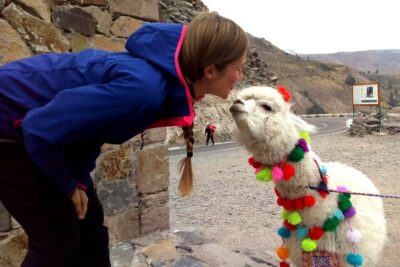
One of the best parts of Day 1 is the stop in the Pampa Cañahu area within the reserve. This is not a manicured zoo moment. You’ll look for vicuñas, alpacas, and llamas, and you may also spot birds such as flamingos, ibis, Andean geese, ducks, eagles, and the kara kara. It’s the kind of wildlife watching that feels tied to place, because you’re actually in the high Andean environment where these species make sense.
Practical tip: bring layers. At these elevations you can get cool air fast, and it’s easier to feel comfortable when you can add or remove a layer as the sun shifts.
Patapampa viewpoints give you volcano scale without extra complexity
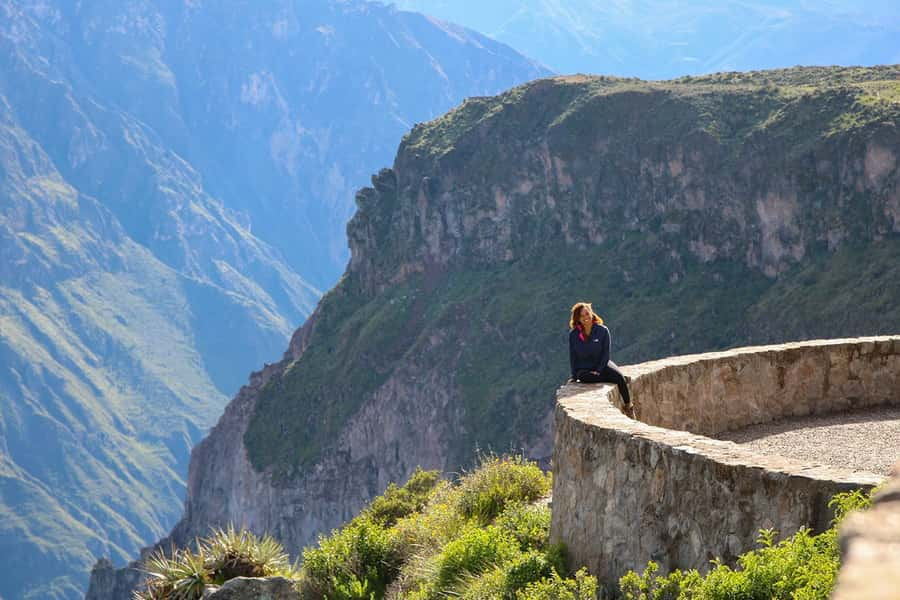
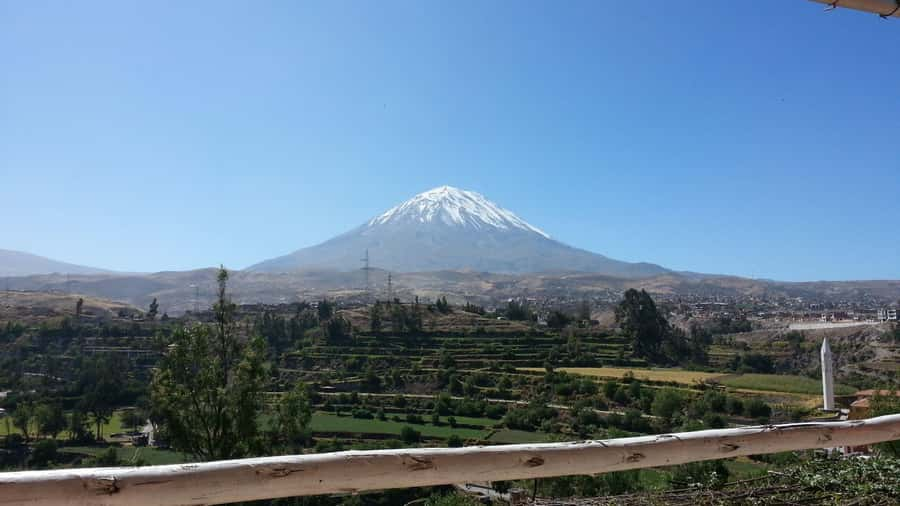
After the reserve, you’ll reach Patapampa at 4,800m. This is a viewpoint for snowy mountain and volcano drama, and it works because it’s simple. You pause, you look, you let your brain register the scale. If you’re prone to getting lightheaded, take it slow and sip water before you start photographing like you’re training for the Olympics.
When you finally arrive in Chivay (around 3,600m), the trip pivots from sightseeing to settling in. You’ll have lunch time (lunch is not included) and then a free afternoon. That free time matters. It gives you a chance to rest a bit and adapt to the altitude without feeling rushed.
Hot springs are optional, not required
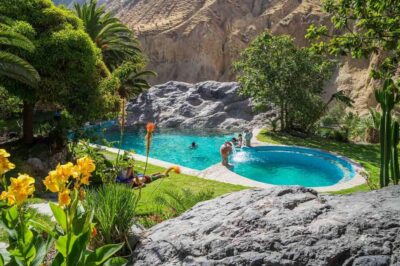
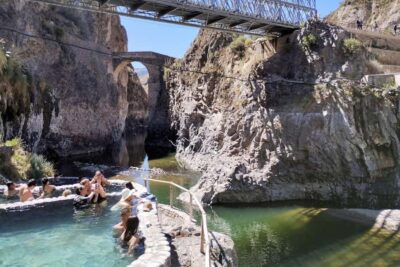
Chivay is where you can optionally visit hot springs. Entrance fees for the hot springs are not included, but if you’re trying to unwind after a high-altitude day, it’s a nice add-on. If you skip it, you’re still fine, since the main itinerary points are condors, villages, and reserve wildlife.
Uros, Taquile and Amantani, other crossings
The Chivay night is part of the value, not just a stopover
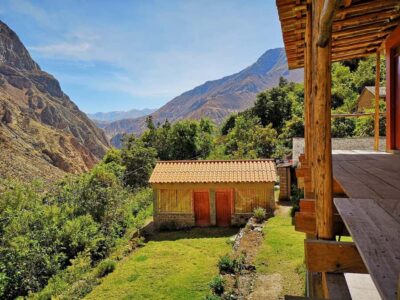
You get one night in a hotel in Chivay, plus breakfast the next morning. This is one of the reasons this tour feels manageable. If you tried to do this as a single day, you’d pay for it with exhaustion. Splitting it into two days also helps you actually enjoy the early morning canyon portion.
If you want to make the evening work for you, do the simple things: set your alarm, charge your phone, and plan what you’ll wear the next morning. Since you’ll be going from around Chivay into canyon viewpoints early, dressing for cold mornings is smart.
Day 2: the left side canyon day, Yanque and Maca, and the condor payoff
Day 2 starts early, around 6:00am after breakfast at your accommodation in Chivay. Then you head into the canyon region on the left side, with a full day of viewpoints and village time.
The best way to think about this day is balance. You get the dramatic natural show at La Cruz del Condor, but you also get human-scale stops in traditional Andean villages. That mix keeps the day from feeling like only ticketed scenery.
Yanque and Maca: colonial churches and living embroidery
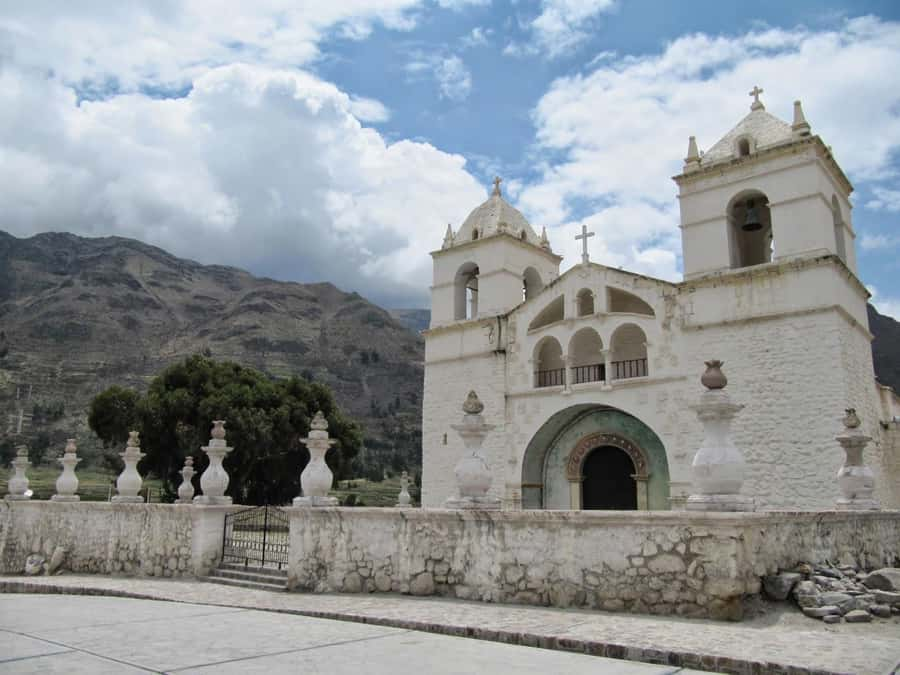
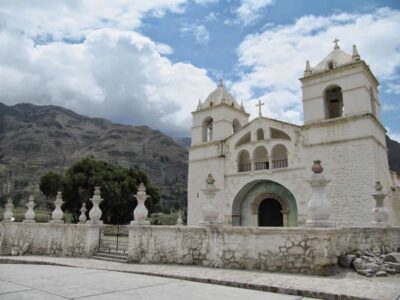
You’ll visit towns like Yanque and Maca, including colonial churches and time to meet friendly locals. One of the strongest details here is the emphasis on traditional embroidered clothing and how people are happy to show it. This is the part of the tour that tends to feel more memorable long after the photos. You’re not just looking at a canyon, you’re watching living culture.
Also, in these areas you’ll see hundreds of pre-Inca terraces still used for farming. Crops include corn, quinoa, amaranth, and others. That matters because terraces are not just an aesthetic feature. They’re a system for growing food in steep terrain, and they explain why farming has persisted here for so long.
Practical tip: wear comfortable shoes with grip. Village paths and uneven ground can make even a short walk feel longer than you planned.
La Cruz del Condor: where the canyon depth becomes real
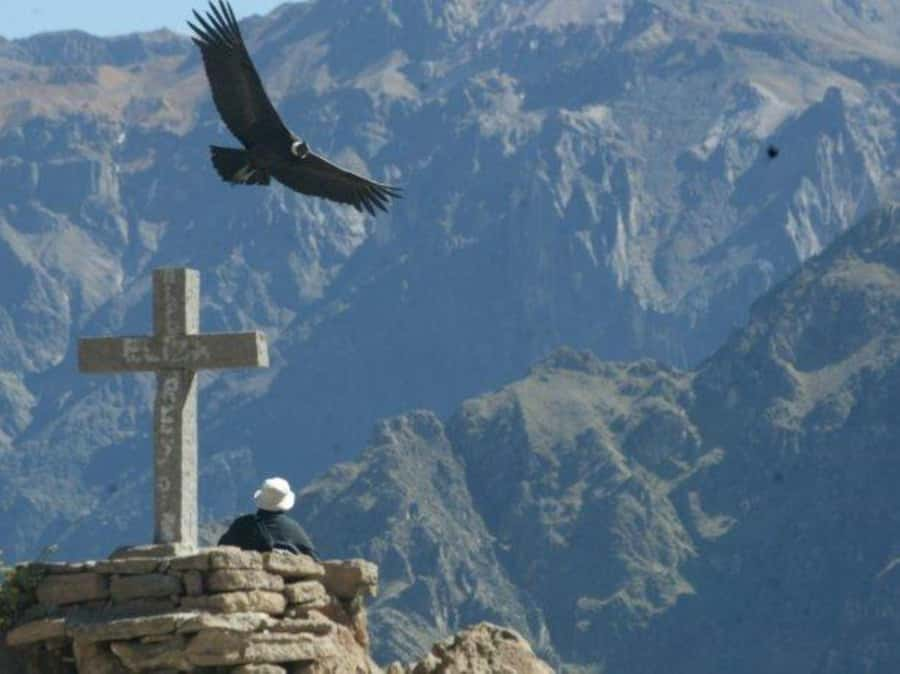
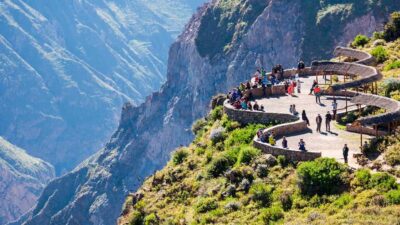
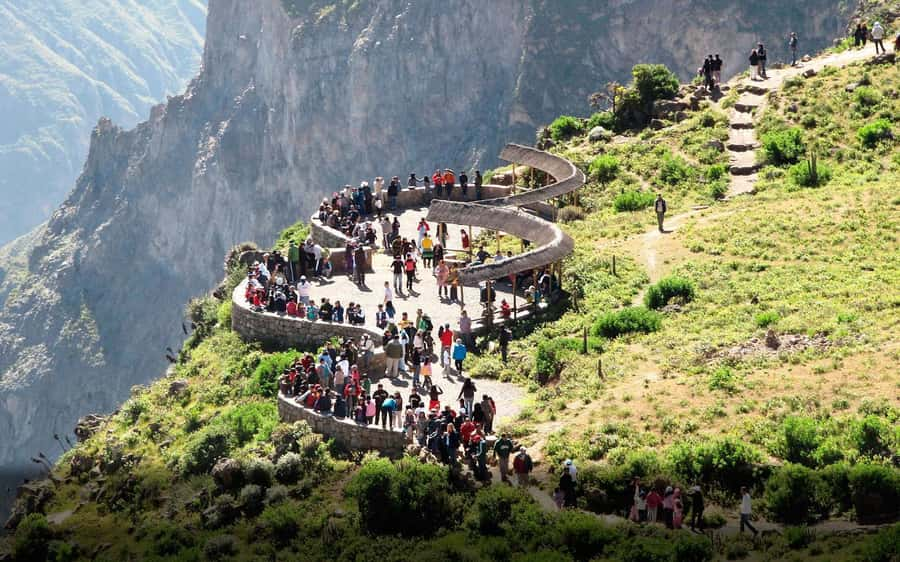
After about a two-hour drive from the towns, you reach La Cruz del Condor. This is the moment the itinerary is built around. The canyon suddenly feels huge, and the viewpoint is designed for watching.
You get free time to observe the condors and explore the lookout. This is key for me. Condor flying can be unpredictable. If you only stop for five minutes, you’re basically gambling. Here, you have time to settle your eyes, adjust your camera, and wait for a pass.
When condors ride the thermals here, the experience feels effortless, almost like the canyon itself is hosting the show. It’s also a great time to slow down, because your brain needs a moment to catch up with what you’re seeing.
Back to Chivay for lunch time, then onward to Puno
After the condor lookout, you return to Chivay and have time for lunch (lunch is not included). Then the tour transitions into the “moving day” toward Puno.
At 1:00pm, you board a touristic bus from Chivay to Puno. The tour ends in Puno at the Plaza de Armas, around 7:00pm to 7:30pm, and you are not dropped off at a hotel in Puno. In other words, you’ll arrive in the center, then you handle the last bit on your own.
The Puno-bound bus stops: volcano views, camelid country, and Lagunillas birds
What makes the Puno transfer section feel like more than transit is the number of stops built into it. You’re not just sitting in a seat for hours.
Stop 1: Patahuasi, Mirador de Volcanes at 4,950m
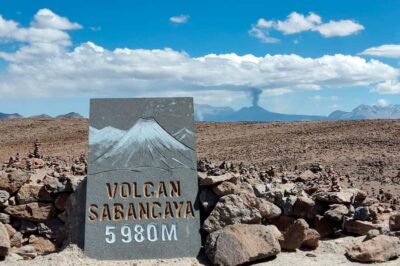
Your first stop is Patahuasi to drink mate and take in the Mirador de Volcanes at 4,950m. From here, you can see volcanoes including Misti, Chachani, and Ampato.
This is high enough that you should take it easy. If you’re traveling with a slower pace, this part is where you’ll feel the altitude most. It’s also where having sunglasses and sunscreen pays off, since brightness at elevation can surprise you.
Stop 2: Pampa Cañahuas and the Salinas y Aguada Blanca National Reserve
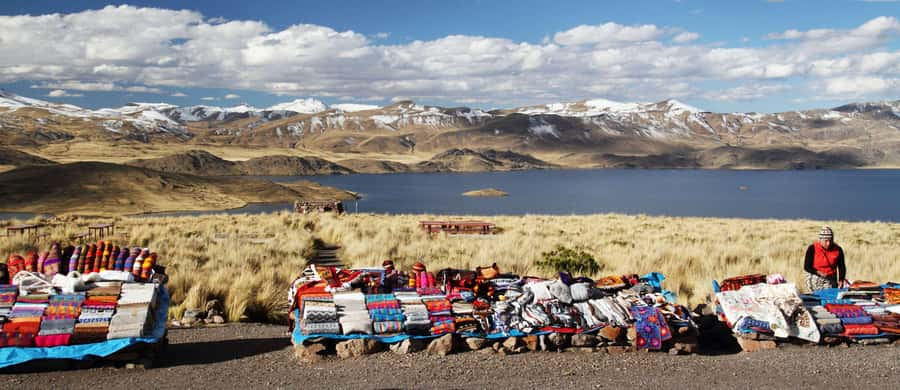
Next you go to Pampa Cañahuas or the Salinas and Aguada Blanca National Reserve. You’ll appreciate rock formations and look for vicuñas, llamas, and alpacas again. It’s a nice “second chapter” of the nature portion, with different scenery than earlier.
The practical value is this: it breaks up the long ride. It also gives you extra chances to spot wildlife, which is helpful because spotting depends on time of day and weather.
Stop 3: Lagunillas, panoramic lakes and flamingos
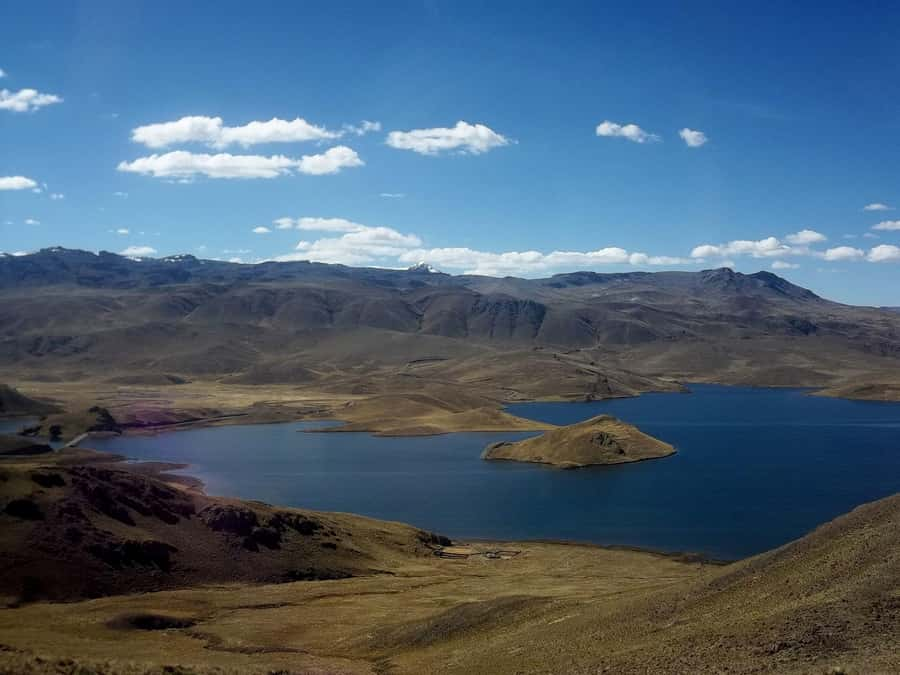
Your last stop is Lagunillas, where you get panoramic views of small lakes. This is where the bird watching gets extra exciting. The lakes are habitat for flamingos and Andean gulls, plus other birds. It’s a strong photo stop, but it’s also a chance to just watch quietly for a while.
If you’re the type who enjoys bird details, you’ll probably find this section especially satisfying, because it’s not one species. You may see flamingos, Andean gulls, ducks, and more depending on conditions.
Then you continue to Puno, arriving at the Plaza de Armas in the evening.
What the $145 price gets you, and where you’ll spend a bit extra
At $145 per person for a 2-day experience, the value is decent if you want structure. This price covers:
- Hotel pickup in Arequipa city center
- Transportation throughout the itinerary
- A professional guide in English or Spanish
- Breakfast in Chivay
- 1 night hotel in Chivay
That combination is usually what costs the most when booked separately: guide time, transport, and the Chivay overnight.
What’s not included is where you should plan your own budget:
- Colca Canyon entrance fees
- Lunch and dinner in Chivay
- Hot springs entrance (optional)
- Hotel drop off in Puno (you end at Plaza de Armas)
If you’re counting pennies, the best mindset is simple: this tour covers the big pieces, and you pay separately for meals and a couple optional or required fees.
How to pack and plan for the altitude day after day
This tour gives you multiple high stops. The itinerary includes elevations like 4,800m at Patapampa and 4,950m at Mirador de Volcanes, plus Chivay at 3,600m. That means you should plan for cold air, bright sun, and slower breathing.
Bring:
- Comfortable shoes
- Sunglasses
- Sunscreen
- Water
- Comfortable clothes for layering
Not allowed:
- Oversize luggage
A small but smart move: keep essentials easy to grab. When you’re at high elevations, you don’t want to dig for items while you’re already feeling winded.
Also, this is not suitable for wheelchair users, so if mobility access is a concern, you’ll need to choose a different format.
Who this Colca to Puno tour suits best
This route is best for you if you want:
- A classic condor viewing experience with real time at the lookout
- A nature-focused day that includes Pampa Cañahuas and bird watching at Lagunillas
- Village visits in Yanque and Maca, with a look at terrace farming and Andean textiles
- A structured way to go from Arequipa to Puno without arranging everything yourself
It’s not ideal if you hate early mornings or if altitude is already a struggle. If you’re comfortable with high elevations and want a guided, scenic push, you’ll likely enjoy how the itinerary flows.
Should you book PVTravel’s 2-day Colca Canyon to Puno tour?
I’d book this if you care about getting the condor moment right, plus you want the Puno arrival to feel like part of the adventure rather than a late-night chore. The built-in stops for wildlife and birds, especially at Pampa Cañahuas and Lagunillas, give this tour more variety than a basic “canyon only” trip.
I’d think twice if you’re very sensitive to altitude or you dislike cold mornings and high viewpoints at nearly 5,000m. Also, if you’re trying to keep every cost inside one number, remember lunch and certain entrance fees are separate.
Overall, this is a solid, well-paced two-day plan for seeing the Colca highlights and arriving in Puno with daylight still in the schedule.
FAQ
What time is pickup in Arequipa?
Pickup is around 8:00am from your hotel in Arequipa city center. If your accommodation is outside that area, you’ll be given a meeting point.
Where does the tour end in Puno?
The tour ends in Puno at the Plaza de Armas. You arrive around 7:00pm to 7:30pm.
What is included in the price?
Included are hotel pickup (Arequipa city center), transportation, a professional English or Spanish guide, breakfast in Chivay, and one night of hotel accommodation in Chivay.
Is breakfast included?
Yes. Breakfast is included at your accommodation in Chivay.
Are hot springs included?
Hot springs entrance fees are not included. You can visit them as an optional activity in Chivay.
Do I need to pay Colca Canyon entrance fees?
Yes. Entrance fees to the Colca Canyon are not included.
What languages is the guide available in?
The guide is available in English or Spanish.
Is the tour wheelchair accessible?
No. The tour is not suitable for wheelchair users.
More Tour Reviews in Chivay
- 2-Day Tour Colca Canyon in Arequipa with end in Puno
★ 4.6 · 248 reviews - Turist Bus Colca Canyon (Chivay) To Puno
★ 5.0 · 83 reviews - From Puno to Arequipa: 2 Days/1 Night Colca Canyon Tour
★ 3.6 · 83 reviews - From Arequipa Trek : 2-Days of Hiking in the Colca Canyon
★ 4.5 · 35 reviews - Tour Fullday Colca Canyon with Breakfast and Typical Lunch
★ 4.3 · 35 reviews
Island Time on Titicaca
- 2-Day Tour Colca Canyon in Arequipa with end in Puno
★ 4.6 · 248 reviews - Turist Bus Colca Canyon (Chivay) To Puno
★ 5.0 · 83 reviews - From Puno to Arequipa: 2 Days/1 Night Colca Canyon Tour
★ 3.6 · 83 reviews - From Arequipa: Fullday Tour Colca Canyon + Transfer To Puno
★ 4.4 · 17 reviews - From Arequipa: One Day Trip to Colca Canyon Ending in Puno
★ 4.0 · 14 reviews
Colca, Other Departures
- 2-Day Tour Colca Canyon in Arequipa with end in Puno
★ 4.6 · 248 reviews - Turist Bus Colca Canyon (Chivay) To Puno
★ 5.0 · 83 reviews - From Puno to Arequipa: 2 Days/1 Night Colca Canyon Tour
★ 3.6 · 83 reviews - From Arequipa Trek : 2-Days of Hiking in the Colca Canyon
★ 4.5 · 35 reviews - Tour Fullday Colca Canyon with Breakfast and Typical Lunch
★ 4.3 · 35 reviews
Freshly reviewed across Chivay
- Arequipa : Colca Canyon 2-Day Adventure★ 5.0 · 3 reviews
- 3-day trek to the Colca Canyon from Arequipa ending in Puno★ 4.2 · 3 reviews
- 2-Day Colca Canyon Tour to Puno with accommodation★ 3.9 · 3 reviews
- From Arequipa: 1 Day Tour to the Colca Canyon + Buffet lunch★ 4.2 · 3 reviews
- Colca Canyon Day Trip: From Arequipa to Puno★ 3.5 · 3 reviews
- From Arequipa: Colca Canyon and Condor Watching Day Trip★ 3.7 · 3 reviews
Colca Canyon Tours side by side.
 ★ 4.5From Arequipa: Colca Canyon Full-Day Guided Tour with MealsFrom $42982 reviews
 ★ 4.62-Day Tour Colca Canyon in Arequipa with end in PunoFrom $78248 reviews
 ★ 4.8From Arequipa: 2-Day Colca Canyon Trekking TourFrom $30243 reviews
 ★ 5.0Colca Canyon PlusFrom $103198 reviews
 ★ 4.4From Arequipa: Full Day Tour of Colca Canyon with MealsFrom $27146 reviews
 ★ 4.3Full-Day Colca Canyon Tour from ArequipaFrom $39112 reviews
 ★ 4.52 Day 1 Night Trek / Colca CanyonFrom $12492 reviews
 ★ 4.6From Arequipa: Colca Canyon Day Trip with Transfer to PunoFrom $6590 reviews
Also on these Peru lists