
REVIEW · COLCA CANYON
Turist Bus Colca Canyon (Chivay) To Puno
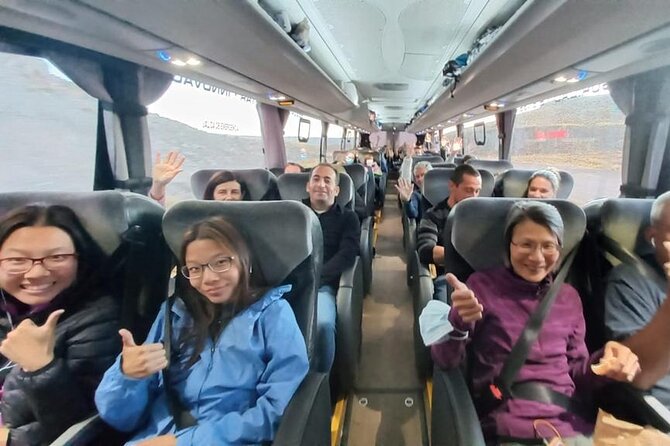
That first long ride across the Andes is anything but boring. This Chivay-to-Puno transfer swaps stress for four guided photo stops and big mountain views, with an air-conditioned bus that has Wi-Fi and an onboard toilet. I like that the guide explains what you are seeing in Spanish-English, and I also like the variety of stops, from volcano viewpoints to places for vicuñas and flamingos. The one thing to keep in mind is that the trip runs long, and if you care about onboard Wi-Fi, snacks, coffee, or water, it’s smart to plan a backup expectation.
You meet in central Chivay and roll out around 1:15 pm, then ease into Puno late afternoon to early evening. With a maximum group size of 40, it feels organized, not chaotic. It’s a solid value if your priority is getting to Puno while still seeing high-Andes sights along the way.
In This Review
- Key stops and what makes them worth your time
- Chivay to Puno, a long transfer with a purpose
- Meeting point and timing that keeps you from feeling rushed
- What you get onboard, and why it matters on high-altitude roads
- Stop 1: Abra Patapampa, the Andes viewpoint with volcano names you can remember
- Stop 1 backup: Tocrapampa for camélidos in their grazing rhythm
- Stop 2: Patahuasi and Pampa Cañahuas, the reserve behind Chachani
- Stop 3: Laguna Lagunillas, small lakes that reflect the sky
- The final ride into Puno, plus a potential hotel drop
- Value and who this transfer is best for
- Weather matters, and so does mental flexibility
- Should you book the Chivay to Puno bus?
- FAQ
- What is the departure time from Chivay?
- Where do I meet in Chivay?
- How long does the Chivay to Puno trip take?
- How many sightseeing stops are included?
- What stops are included on the route?
- Is Wi-Fi included on the bus?
- Is there an onboard toilet?
- Are admissions at the sightseeing stops included?
- What is included in the price besides transportation?
- Is the tour refundable if the weather is bad?
Key stops and what makes them worth your time
- Abra Patapampa viewpoints: volcanoes like Ampato, Sabancaya, Hualca Hualca, and Mismi, plus the Amazon river source area and apachetas
- Camélidos spotting at Tocrapampa: llamas and alpacas in their natural grazing habitat, with vicuñas possible
- Pampa Cañahuas at Patahuasi: vicuñas, llamas, and alpacas in the Aguada Blanca reserve, backed by the Chachani volcano
- Warm herb drinks and breaks: chachacoma and muña tea-style options at Patahuasi, plus restroom time
- Laguna Lagunillas photos: mirror-like small lakes and Andean flamingos depending on the season
Colca departures from Arequipa and Chivay
- 2-Day Tour Colca Canyon in Arequipa with end in Puno
★ 4.6 · 248 reviews - Turist Bus Colca Canyon (Chivay) To Puno
★ 5.0 · 83 reviews - From Puno to Arequipa: 2 Days/1 Night Colca Canyon Tour
★ 3.6 · 83 reviews - From Arequipa Trek : 2-Days of Hiking in the Colca Canyon
★ 4.5 · 35 reviews
Chivay to Puno, a long transfer with a purpose
This is not a quick jump. It is a 6 hours 30 minutes style ride, give or take, from Chivay to Puno, with a late afternoon arrival around 7:00 to 7:30 pm. The upside is that you are not just sitting. You get guided stops that break up the drive and make the journey itself part of the experience.
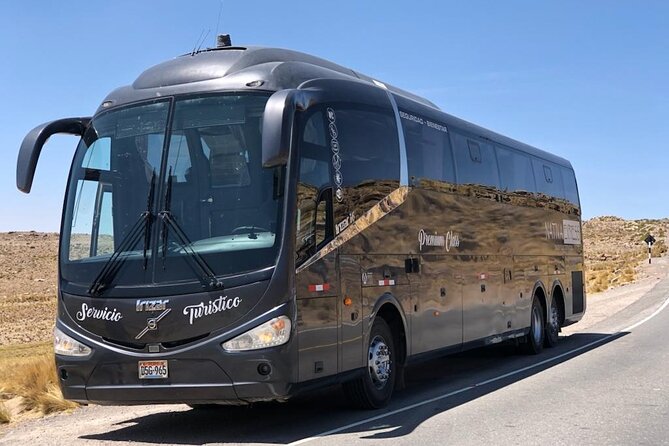
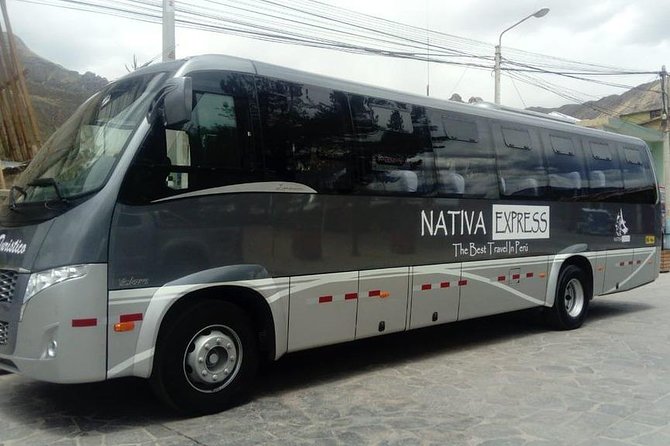
The bus is air-conditioned and fitted for comfort, including an onboard toilet and phone charging outlets. There is also Wi-Fi and an individual reading light, which helps on a route that can stretch when roads slow down or you hit traffic. If you tend to get restless on long transfers, this style of route makes the time feel useful.
One extra practical win: if your hotel sits in Puno’s Centro Histórico, they may coordinate to take you there. That matters because after hours on the road, you do not want a complicated hunt for transportation.
Meeting point and timing that keeps you from feeling rushed
In Chivay, you meet at the office located next to the church in the main plaza. The pickup window runs from 12:30 pm to 1:10 pm, and you depart around 1:15 pm. This is one of those trips where showing up even a little late can throw your whole plan off, because once the bus leaves, you are waiting for the next connection.
Also note the stated group size cap of 40. That keeps things calmer at the stops. You should still bring patience, because you will be stepping out, gathering, and reboarding multiple times.
If you are the type who likes to work or plan during rides, the onboard Wi-Fi is listed as included. In real life, that can vary by conditions, so treat Wi-Fi as helpful when it works, not as your only plan.
What you get onboard, and why it matters on high-altitude roads
This transfer is built for long-distance comfort. You are on an air-conditioned bus with Wi-Fi and a chemical toilet onboard, plus chargers for your devices. There are also reading lights, which sounds small until you are trying to read or organize your next day in Puno.
The trip also highlights complimentary water and snacks, and even coffee. One person was disappointed that those included items were not offered, and that Wi-Fi was not working as expected. I would not panic, but I would not bank 100% of your comfort on the freebies either. If you want total peace of mind, bring a backup snack or have an extra bottle ready to buy at a stop, just in case.
Stop 1: Abra Patapampa, the Andes viewpoint with volcano names you can remember
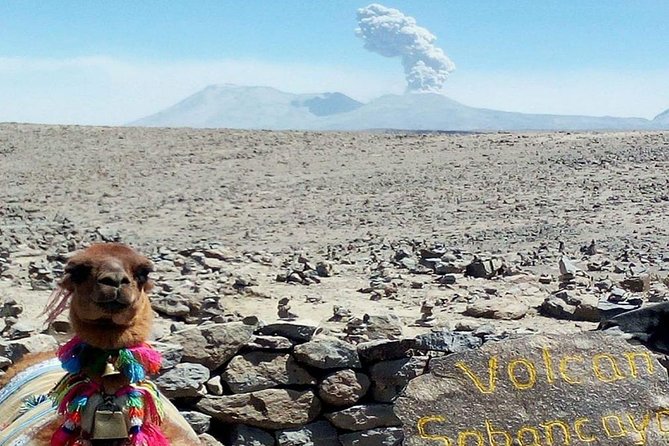
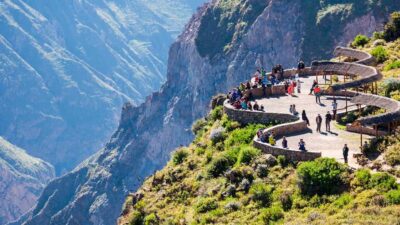
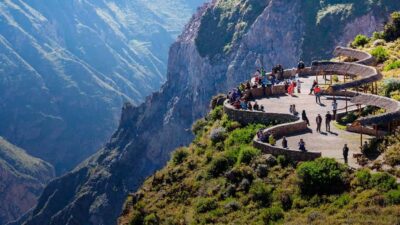
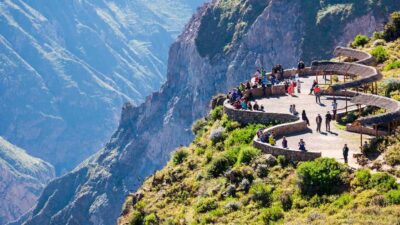
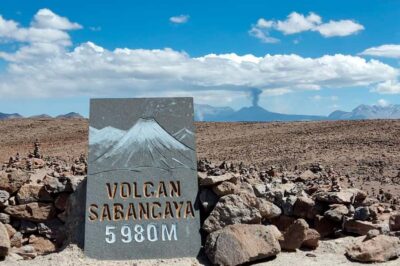
The first sightseeing stop is Abra Patapampa, often described as a mirador of the Andes. This is where the drive becomes a real mountain show. You pause to observe major volcanoes: Ampato, Sabancaya, Hualca Hualca, and Mismi. You also look across the Chila mountain range.
Here is a detail worth paying attention to, because it helps you connect the dots: the area points you to Mismi, described as the source area where the Amazon river begins. Even if you do not remember the exact geography later, it makes the view feel meaningful, not just scenic.
Another cultural touch at this stop is the presence of apachetas, small stone piles that, in the past, travelers left as offerings to the gods. On a windy ridge viewpoint like this, you start noticing these stone markers more than you expect.
Practical note: this stop is short, about 8 minutes. You will want your phone ready, and you might want to keep your walking quick and calm.
Uros, Taquile and Amantani, other crossings
Stop 1 backup: Tocrapampa for camélidos in their grazing rhythm
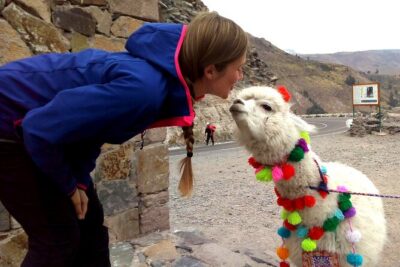
Right after Patapampa, the bus makes a technical stop at Tocrapampa. This one is less about architecture and more about wildlife behavior. You observe llamas and alpacas grazing in their natural habitat, and with luck you may spot vicuñas, which are valued for their fine, costly textile fiber.
Even if you only see llamas and alpacas, this stop still has value. It is a reminder that these animals are not zoo props here. They live on the puna-style terrain, and your short stop lets you see them in a more natural rhythm.
Because it is a technical stop, expect it to be quick. Think of it as a nature sidebar before the next bigger viewpoint.
Stop 2: Patahuasi and Pampa Cañahuas, the reserve behind Chachani
The next major stop is Patahuasi, also referred to as Pampa Cañahuas, and it is located in the Reserva Nacional de Aguada Blanca, behind Volcán Chachani.
This stop is especially good if you want animals. The area is known for vicuñas, llamas, and alpacas, and if conditions are right, you might even catch foxes and guanacos in the distance. You are not guaranteed every species, but the chances are there, and the setting feels intentionally protected.
What I like here is that the break is more than just standing on a viewpoint. You can also enjoy warm drinks made with natural herbs, specifically chachacoma and muña. That matters on a high-altitude route where you can go from warm bus to cooler air outside fast.
You also get some practical time: there are restrooms available, and you can browse artesanías and souvenirs. That’s the kind of controlled shopping stop that feels reasonable, not rushed.
This part of the trip is listed at 15 minutes, so take a moment to decide quickly if you want photos first, drink first, or animal first.
Stop 3: Laguna Lagunillas, small lakes that reflect the sky
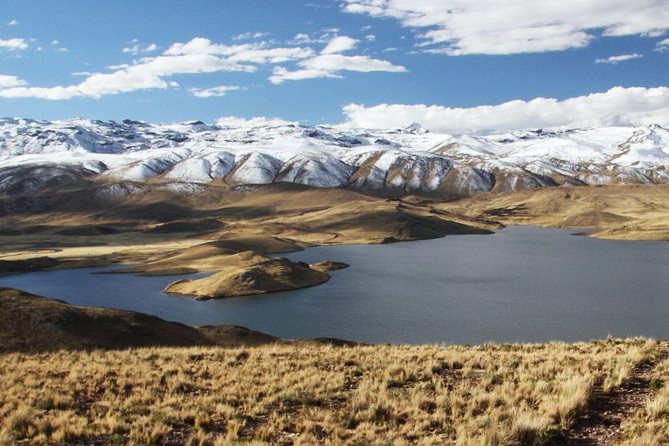
After Patahuasi, you head to Laguna Lagunillas for another short viewpoint pause. This is a classic Andes photo stop: you look for small lakes that appear like mirrors, reflecting the sky.
You also watch for Andean flamingos and other birds, depending on the season. Even if flamingos do not show up on your day, the reflective lake view is still worth the stop. The best photos here often come from stepping slightly to change your angle, not from frantic zooming.
Like the other sightseeing moments, the time is short, about 15 minutes. Treat it like a quick nature gallery visit.
The final ride into Puno, plus a potential hotel drop
Once the last viewpoint stop is done, the bus heads straight into Puno. You arrive around 7:00 to 7:30 pm. The key detail for planning is that the tour ends in a different location than where it starts, and if your hotel is in the Centro Histórico, they may take you to your hotel.
For your evening plans, keep things flexible. You will be tired from a long day plus multiple stops. If you are trying to organize dinner, tickets, or an early next-day pickup, I would avoid anything that requires you to be ultra punctual the moment you step off the bus.
Value and who this transfer is best for
At about $41.03 per person, this route is priced like a practical transport option, but with sightseeing value bundled in. You pay for a bus ride across the Andes, plus a licensed bilingual guide, plus four stops with free admission listed at those points.
It is a good fit if:
- you want to go from Chivay to Puno without losing the day to a boring seat-only ride
- you care about high-altitude viewpoints and want the story behind what you see
- you prefer guided breaks over driving yourself through unfamiliar roads
It is less ideal if:
- you need reliable onboard Wi-Fi for work, because Wi-Fi can be inconsistent in real conditions
- you want lots of time at each stop, because the stops are purposely short to keep the schedule moving
The best approach is to treat it as a guided sightseeing transfer, not a slow travel day with long walks.
Weather matters, and so does mental flexibility
The trip depends on good weather. If conditions are poor, you may be offered a different date or a full refund. That means you should keep your plans flexible if you are stacking multiple tours around this transfer.
Also, road conditions can stretch the timing. One experience described the ride running closer to 7.5 hours due to traffic and construction. When a route is crossing long distances in mountainous terrain, that extra time is not surprising.
Should you book the Chivay to Puno bus?
Book it if you want an organized, comfortable transfer that includes guided mountain stops like Abra Patapampa and Laguna Lagunillas. The combination of views, quick animal and lake spotting, and the fact that you end near or inside Puno’s historic center (when your hotel fits) makes it a practical way to travel.
Skip it or plan carefully if Wi-Fi, snacks, coffee, and onboard water are mission-critical for you. The comfort is there, but real-world service details can vary on specific departures. For a smoother day, bring a small backup snack and treat Wi-Fi as a bonus rather than a guarantee.
FAQ
What is the departure time from Chivay?
Pickup runs from 12:30 pm to 1:10 pm, and the bus leaves around 1:15 pm.
Where do I meet in Chivay?
You meet at the operator’s office next to the church in the main plaza of Chivay.
How long does the Chivay to Puno trip take?
The duration is about 6 hours 30 minutes, though travel time can vary.
How many sightseeing stops are included?
There are four sightseeing stops during the trip.
What stops are included on the route?
Stops include Abra Patapampa, Tocrapampa, Patahuasi (Pampa Cañahuas), and Laguna Lagunillas, followed by arrival in Puno.
Is Wi-Fi included on the bus?
Yes, free Wi-Fi is included.
Is there an onboard toilet?
Yes, the bus includes a chemical toilet (depending on the unit type).
Are admissions at the sightseeing stops included?
Admission is listed as free at the stops.
What is included in the price besides transportation?
The experience includes bottled water, free Wi-Fi, onboard toilet, a bilingual guide (Spanish-English), chargers for devices, and an air-conditioned bus. Complimentary snacks and coffee are also described.
Is the tour refundable if the weather is bad?
Yes, the experience requires good weather. If it is canceled due to poor weather, you will be offered a different date or a full refund. Cancellation up to 24 hours in advance is free for a full refund.
More Tour Reviews in Chivay
- 2-Day Tour Colca Canyon in Arequipa with end in Puno
★ 4.6 · 248 reviews - From Puno to Arequipa: 2 Days/1 Night Colca Canyon Tour
★ 3.6 · 83 reviews - From Arequipa Trek : 2-Days of Hiking in the Colca Canyon
★ 4.5 · 35 reviews - Tour Fullday Colca Canyon with Breakfast and Typical Lunch
★ 4.3 · 35 reviews - From Arequipa: Fullday Tour Colca Canyon + Transfer To Puno
★ 4.4 · 17 reviews
Island Time on Titicaca
- 2-Day Tour Colca Canyon in Arequipa with end in Puno
★ 4.6 · 248 reviews - From Puno to Arequipa: 2 Days/1 Night Colca Canyon Tour
★ 3.6 · 83 reviews - From Arequipa: Fullday Tour Colca Canyon + Transfer To Puno
★ 4.4 · 17 reviews - From Arequipa: One Day Trip to Colca Canyon Ending in Puno
★ 4.0 · 14 reviews - From Arequipa: Tour Colca Canyon 2 Days with End in Puno
★ 4.2 · 12 reviews
Colca, Other Departures
- 2-Day Tour Colca Canyon in Arequipa with end in Puno
★ 4.6 · 248 reviews - From Puno to Arequipa: 2 Days/1 Night Colca Canyon Tour
★ 3.6 · 83 reviews - From Arequipa Trek : 2-Days of Hiking in the Colca Canyon
★ 4.5 · 35 reviews - Tour Fullday Colca Canyon with Breakfast and Typical Lunch
★ 4.3 · 35 reviews - From Arequipa: Fullday Tour Colca Canyon + Transfer To Puno
★ 4.4 · 17 reviews
Freshly reviewed across Chivay
- Arequipa : Colca Canyon 2-Day Adventure★ 5.0 · 3 reviews
- 3-day trek to the Colca Canyon from Arequipa ending in Puno★ 4.2 · 3 reviews
- 2-Day Colca Canyon Tour to Puno with accommodation★ 3.9 · 3 reviews
- From Arequipa: 1 Day Tour to the Colca Canyon + Buffet lunch★ 4.2 · 3 reviews
- Colca Canyon Day Trip: From Arequipa to Puno★ 3.5 · 3 reviews
- From Arequipa: Colca Canyon and Condor Watching Day Trip★ 3.7 · 3 reviews
Colca Canyon Tours side by side.
 ★ 4.5From Arequipa: Colca Canyon Full-Day Guided Tour with MealsFrom $42982 reviews
 ★ 4.62-Day Tour Colca Canyon in Arequipa with end in PunoFrom $78248 reviews
 ★ 4.8From Arequipa: 2-Day Colca Canyon Trekking TourFrom $30243 reviews
 ★ 5.0Colca Canyon PlusFrom $103198 reviews
 ★ 4.4From Arequipa: Full Day Tour of Colca Canyon with MealsFrom $27146 reviews
 ★ 4.3Full-Day Colca Canyon Tour from ArequipaFrom $39112 reviews
 ★ 4.52 Day 1 Night Trek / Colca CanyonFrom $12492 reviews
 ★ 4.6From Arequipa: Colca Canyon Day Trip with Transfer to PunoFrom $6590 reviews
Also on these Peru lists