
REVIEW · AREQUIPA CITY
Colca Canyon Day Trip: From Arequipa to Puno
Waking up at 3 AM has rewards. This Colca Canyon day trip strings together Cruz del Cóndor viewpoint time and condor-area scenery, then sends you on toward Puno and Lake Titicaca by evening. I really like how the day is built around watching the canyon from the best-known angles, not just passing through.
My second big win is the mix of wildlife and relaxation, especially the stop at Chacapi hot springs for a break from the road. The only thing I’d flag is timing: the pickup window is very early (around 2:30 to 3:00 AM), and there can be real schedule friction if your guide runs late, plus the narration can feel nonstop.
In This Review
- Key things to know before you go
- How the Colca Canyon to Puno day actually feels
- Cruz del Cóndor: where the canyon scale clicks
- Breakfast, then the canyon-focused route
- Town stops, colonial churches, and small cultural moments
- The stops at Antahuilque and Choquetico
- Chivapi and Chacapi: timing your warm-water break
- Lunch in Chivay, then the push toward Puno
- Volcano viewpoint at 4,910 meters and what to watch there
- Tocrapampa wetlands, alpacas, llamas, and wild-bird watching
- Pampa Cañahuas, vicuñas, and the lagoons near Puno
- Arriving in Puno around 7:00 PM and visiting Lake Titicaca
- Price and logistics: is $80 good value?
- Practical tips that keep the day from getting annoying
- Who this tour is best for
- Should you book this Colca Canyon day trip to Puno?
- FAQ
- How long is the Colca Canyon day trip from Arequipa to Puno?
- What time does the pickup happen?
- What does the tour include in the base price?
- Is lunch included?
- Are entrance tickets to the Colca Canyon included?
- Are the hot springs included?
- What languages is the guide speaking?
- What time do you arrive in Puno?
- Does the tour include Lake Titicaca?
Key things to know before you go
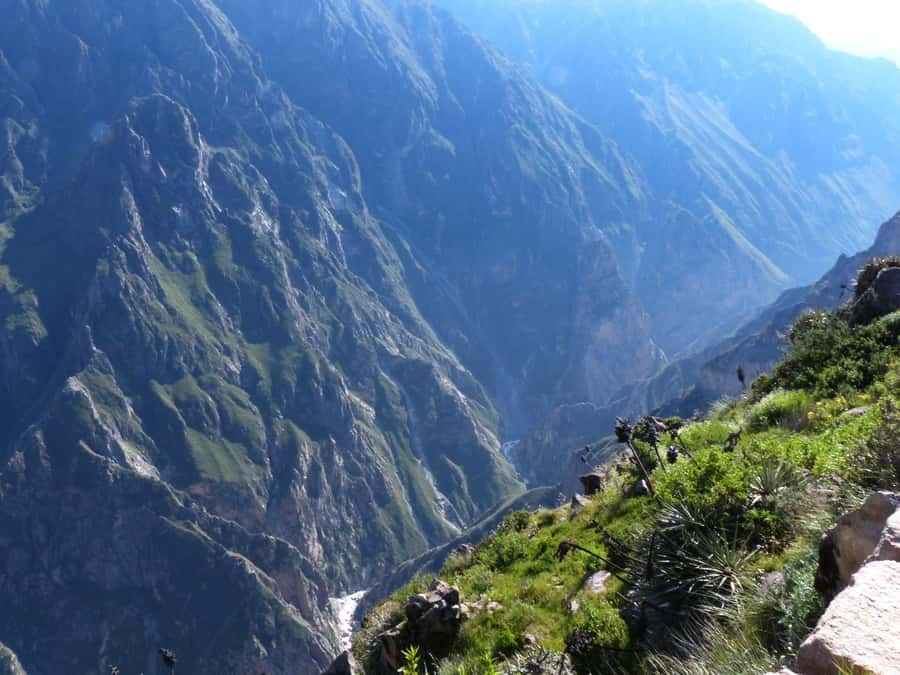
- Cruz del Cóndor timing: you reach the canyon early enough to make viewpoint time count.
- Chacapi hot springs option: natural pools with scenic views, but there’s an extra ticket.
- A full day of altitude: one viewpoint tops out around 4,910 meters.
- Culture on the route: colonial churches, pre-Incan tomb area stops, and local costume/camelid moments.
- You finish in Puno: you arrive around 7:00 PM and include Lake Titicaca time.
- Lunch is not included: you get a lunch hour in Chivay, and you’ll pay for your meal.
Colca departures from Arequipa and Chivay
- 2-Day Tour Colca Canyon in Arequipa with end in Puno
★ 4.6 · 248 reviews - Turist Bus Colca Canyon (Chivay) To Puno
★ 5.0 · 83 reviews - From Puno to Arequipa: 2 Days/1 Night Colca Canyon Tour
★ 3.6 · 83 reviews - From Arequipa Trek : 2-Days of Hiking in the Colca Canyon
★ 4.5 · 35 reviews
How the Colca Canyon to Puno day actually feels
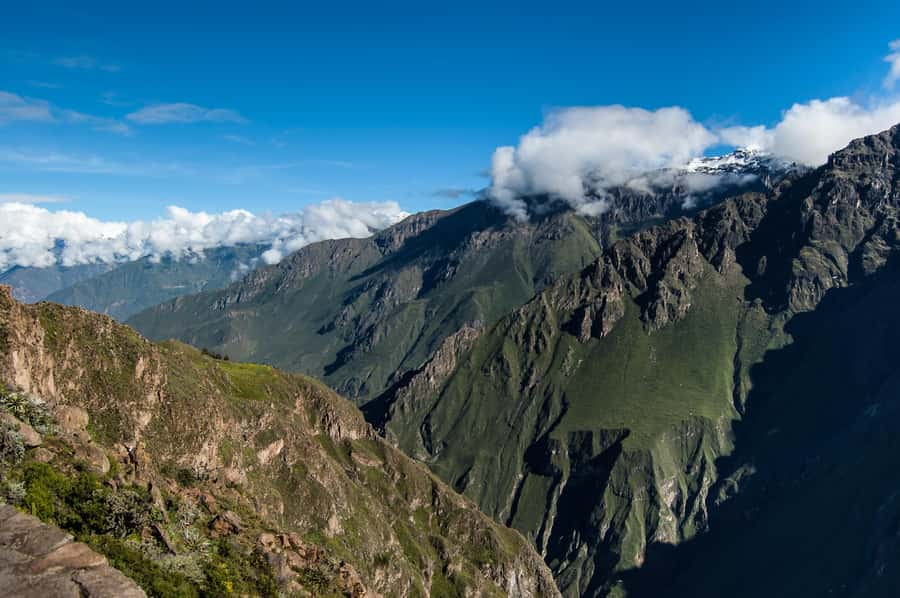
This is a 16-hour, long-drive kind of tour. You start with hotel pickup in the Arequipa area during the 2:30 to 3:00 AM window, then head straight out toward the canyon. You’ll get a breakfast stop on the way, and after that, the schedule concentrates on viewpoints, a few cultural stops, and then the road back toward Puno.
Why this makes sense for many people: you’re compressing two big experiences into one trip. You get the Colca Canyon’s dramatic viewpoint circuit in the morning, plus the high-Andes scenery and wildlife zones that lead into Puno. The trade-off is simple: you’ll spend most of the day in transit, and the early wake-up is not optional.
Cruz del Cóndor: where the canyon scale clicks
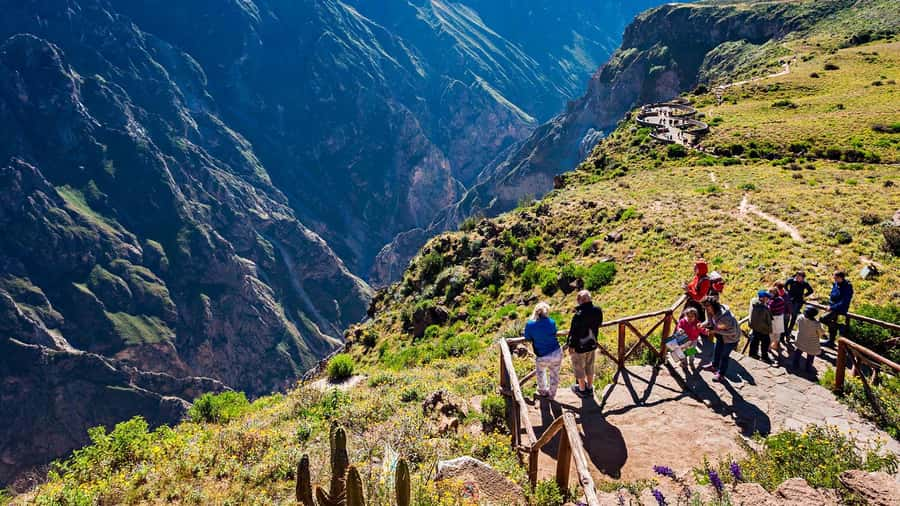
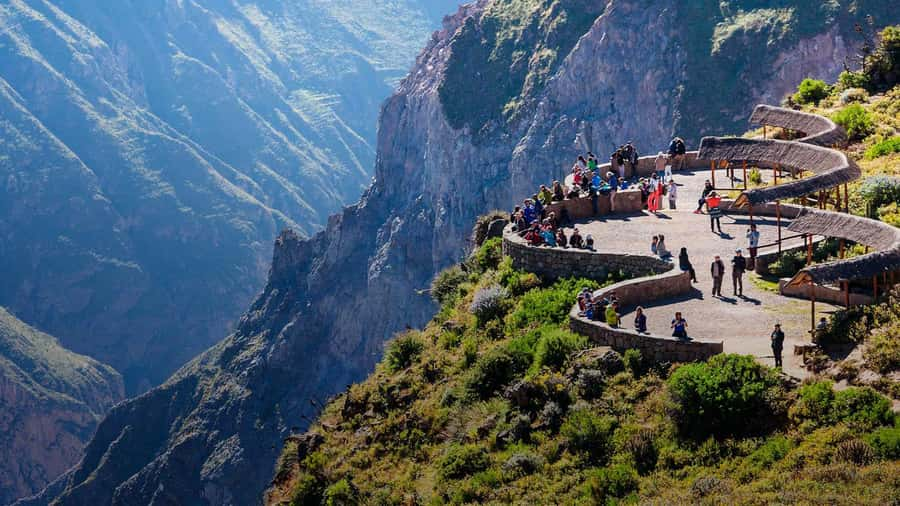
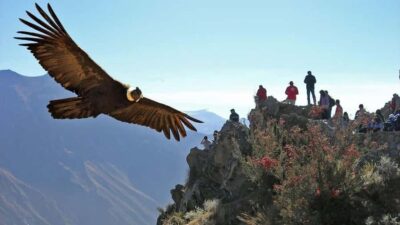
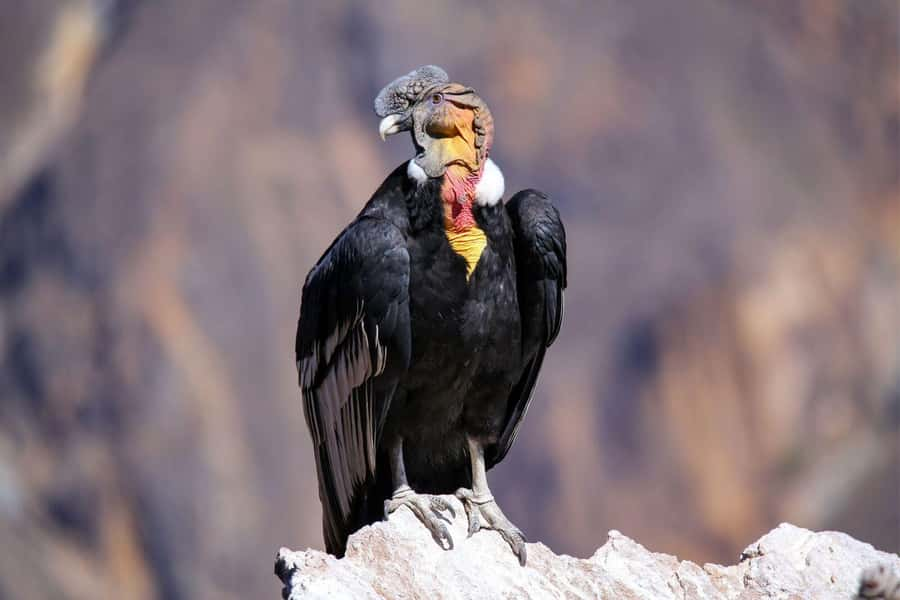
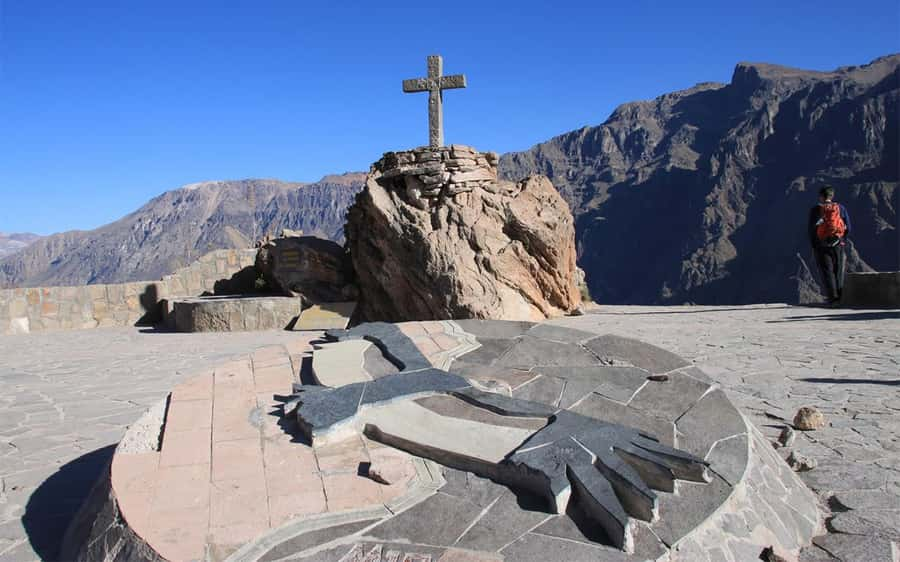
Around 8:30 AM, you reach Cruz del Cóndor, one of the most famous places to look into the Colca Canyon. This is the stop where the canyon’s depth becomes real, not just something you heard about. It’s also the area associated with condors, so you’re there to watch the canyon air and the birds moving above it.
What I like about this timing: you’re arriving before the day gets loud with heat and traffic, and you have enough time to watch slowly. If you bring a camera, this is the moment to use it like a tool, not a toy. Look around first, find your best angle, then frame shots. The canyon walls and the drop-offs are easier to understand once you’ve sat and watched for a few minutes.
Possible drawback: because the day is structured around viewpoints, you don’t get an all-day linger. It’s a great stop, but it’s still part of a tight schedule.
Breakfast, then the canyon-focused route
After pickup, the tour moves toward the canyon with minimal stops until the breakfast break. That choice matters because it keeps your canyon arrival earlier and helps you avoid feeling like you’re wasting the morning on traffic.
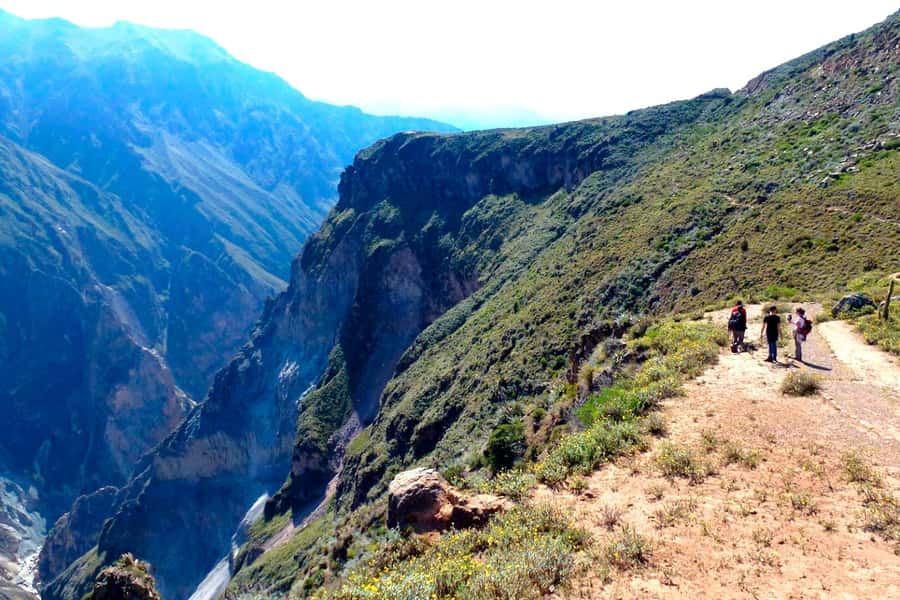
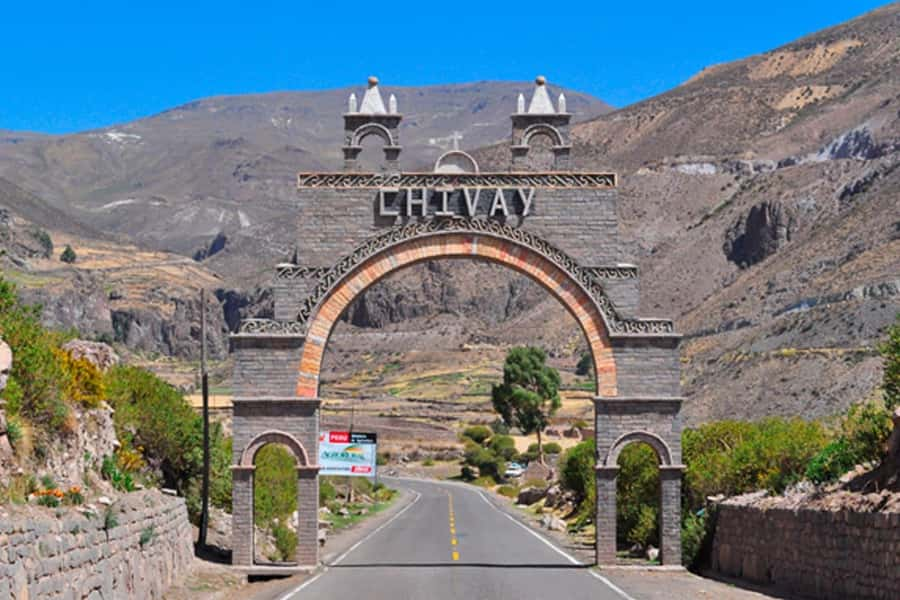
Once you’re leaving the canyon area, you loop through the towns along the Colca route, including Pinchollo, Maca, and Yanque. You’ll also stop at viewpoints called Antahuilque and Choquetico, where the focus is on pre-Incan tomb area themes and models, plus wide canyon views and terracing.
Here’s the practical mindset I recommend: treat these stops like “short chapters.” In a day this long, you’re not aiming to master every detail. You’re collecting impressions. If something grabs you, spend a minute longer taking it in, then move on so you don’t get stuck in the wrong place at the wrong time.
Town stops, colonial churches, and small cultural moments
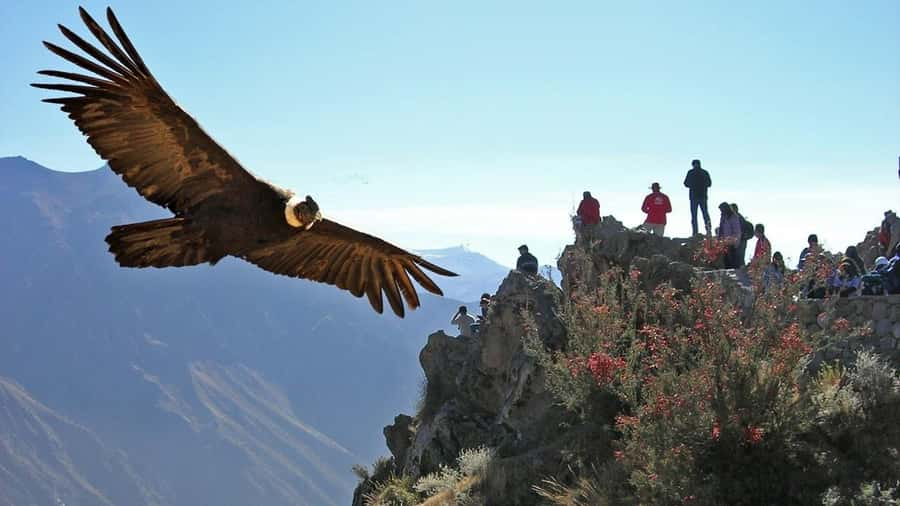
As the group heads back, you’ll pass through towns known for colonial churches and local scenery. Stops like Pinchollo, Maca, and Yanque give you a quick change from pure canyon viewing to the “human scale” side of the Colca. You’ll also encounter moments that highlight traditional life, including traditional costumes, camelids, and trained birds.
One extra detail that I actually think is useful: the day includes a taste-style stop for a local drink, with Colca Sour made in Sancayo. This isn’t a reason to book by itself, but it helps the day feel less like a checklist. It gives your brain a break from the constant driving and viewpoint scanning.
Consideration: these cultural stops are usually time-limited. If you want deep interaction, plan to come back on a slower, overnight-based itinerary. For a day trip, this route does a decent job of mixing scenery with quick cultural flavor.
Santa Catalina, Yanahuara and more Arequipa
The stops at Antahuilque and Choquetico
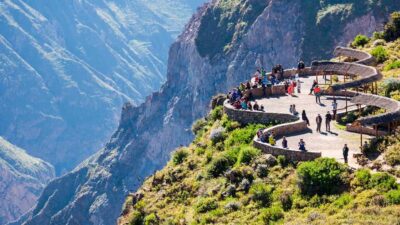
The viewpoints at Antahuilque and Choquetico are positioned for two things: big views and explanatory stops connected to pre-Incan tomb themes and models. If you’ve ever felt like canyon descriptions are too abstract, these stops help translate what you see into something more grounded.
What to do here: pause your photo routine. Look out first, then listen. Models and explanations work best when you already understand the shape of what they’re referencing. Even if you don’t catch every detail (English and Spanish are both used on the tour), the physical geography does a lot of the teaching.
Chivapi and Chacapi: timing your warm-water break
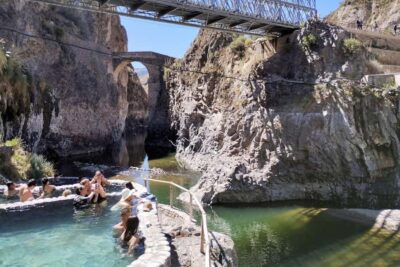
After the morning viewpoint sequence, you head toward the thermal area around 11:30 AM. The stop is at Chacapi, described as natural pools with scenic views. This is your mid-day reset button.
Should you pay the extra ticket? The tour notes that the thermal baths entrance is S/. 15, and it’s listed as optional. I recommend saying yes if you’re going to stay mentally fresh for the rest of the day. One reason: after a morning of cold air and canyon viewing, warm water can help your body feel human again before the later high-altitude stops.
Also, remember this is still a long day. Don’t plan to “soak like a spa day.” Aim for a practical reset, then get back in time for the next vehicle segment.
Lunch in Chivay, then the push toward Puno
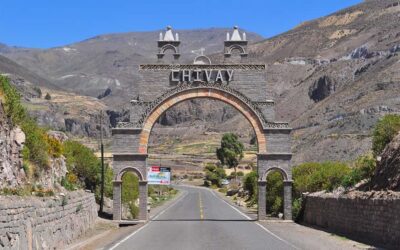
Around 12:30 PM, you head to Chivay for about one hour of lunch time. Lunch is not included, so budget for it. The good news is that you’re getting a full hour, which is enough to eat without feeling totally rushed.
At this point, the day shifts from canyon and town viewing to the final run toward Puno. You board another tourist vehicle toward Puno and start stacking the high-altitude and wildlife stops along the way.
Volcano viewpoint at 4,910 meters and what to watch there
On the return journey, you make a stop at a volcano viewpoint, described as the highest point at 4,910 meters above sea level. This is the stop where altitude becomes a real variable in how you feel.
Practical advice: dress for cold, move slowly when you step out, and take a few quiet breaths. Even if you’re fit, that altitude can make everything feel slightly harder, including walking to a viewpoint edge.
What I like about this stop in the itinerary logic: it’s not just a random height marker. It’s placed after lunch, so you’re not dealing with altitude while still running on an early-morning breakfast only. Still, you’ll want to take it easy and keep your energy for the later wildlife areas.
Tocrapampa wetlands, alpacas, llamas, and wild-bird watching
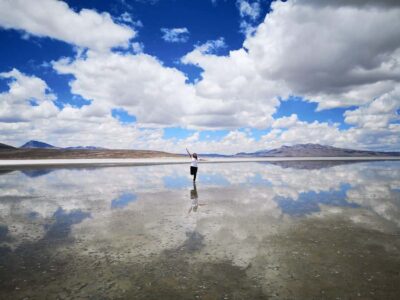
Next up is the Tocrapampa wetlands, where you can observe wild birds, plus herds of alpacas and llamas. This is a different kind of beauty than the canyon: lower-key scenery, more animal presence, and birdlife that changes by minute.
How to make the stop worthwhile: scan for movement. Birds can be hard to spot at first glance, so watch edges and open patches, then follow any sudden fluttering. If you see alpacas or llamas, don’t just snap and go. Notice how close they graze to the water and how the terrain shapes where they stand.
This is one of those times where your “slow down” habit pays off. The tour is fast overall, but this stop gives you a chance to observe.
Pampa Cañahuas, vicuñas, and the lagoons near Puno
You’ll also visit Pampa Cañahuas, where you can see herds of vicuñas. The route notes this area as part of the Aguada Blanca and Salinas National Reserve, so you’re in an important protected zone.
Why vicuña spotting is special: these are the high-Andes camelids people associate with fine fiber. Even if you’re not a fiber expert, it’s still a thrill to see them grazing in a landscape that feels built for them. And the itinerary doesn’t stop at animals. It also includes high Andean lagoons near Puno, giving you a broader sense of why the region draws bird and wildlife attention.
Practical note: at this stage of the day, your body is likely tired. Keep your focus on what’s in front of you. If you’re cold, prioritize warmth over pictures. A good photo is still a photo you can take while standing comfortably.
Arriving in Puno around 7:00 PM and visiting Lake Titicaca
You arrive in Puno at approximately 7:00 PM, and the tour includes a visit to Lake Titicaca at the end. That means Lake Titicaca time is part of the closing stretch, not a slow morning on the water.
Here’s how I’d frame it: if your main goal is a relaxed Lake Titicaca experience, you might find this day trip version a bit compressed. But if you want a taste of Titicaca and you’re already making the long drive anyway, getting it in the same day can be a smart value play.
Price and logistics: is $80 good value?
The price is listed as $80 per person for a full day of transport, hotel pickup, an official tour guide, breakfast, and the transfer from Colca to Puno. That’s a lot of driving and staffing for one booked price.
What’s not included matters more than the base fare:
- Lunch is not included.
- Colca Canyon entrance ticket is extra: S/. 70 for foreigners, S/. 20 for nationals, S/. 40 for Latinos.
- Thermal baths ticket is S/. 15 and optional.
So how do you judge value? If you plan to eat one lunch in Chivay and possibly pay for the thermal pools, this tour can land in a reasonable total range for a day trip that covers both Colca Canyon viewpoints and your approach into Puno. If you’re trying to minimize all extra spending, your total will feel higher the moment you add canyon entry, because that fee is separate.
One more logistics reality check: pickup is early and the tour runs long. Even if the ride segments are smooth, you should treat this as a day that needs a good night’s sleep before the start.
Practical tips that keep the day from getting annoying
A day this long rewards preparation.
Bring layers. Early starts are cold, and the viewpoint at 4,910 meters is colder than you expect. A hat and gloves can be the difference between tolerable and miserable.
Plan for cash for tickets. Canyon entrance fees and optional baths cost extra, and you’ll want to pay quickly when it’s time.
Eat smart. You get breakfast included before reaching Cruz del Cóndor, but lunch is extra and you only have a one-hour window in Chivay. If you tend to get hungry quickly, you may want a small snack for the long stretches.
Be realistic about timing. The pickup window is 2:30 to 3:00 AM, and there have been cases where the guide ran late or contact details could be clearer. Give yourself some patience, and if you’re picky about meeting points, double-check where your pickup happens the night before.
Who this tour is best for
This is a good fit if you want a high-impact day with clear landmarks:
- You have limited time in southern Peru and want Colca Canyon plus Puno in one go.
- You enjoy viewpoint travel and don’t mind sitting on vehicles for hours.
- You’re okay with a compressed Lake Titicaca visit at the end of the day.
It may not be the best fit if you:
- Get altitude-symptom easily and want more time to acclimatize.
- Prefer slow travel with longer stays at fewer sites.
- Hate very early wake-ups. The 2:30 to 3:00 AM start is a real commitment.
Should you book this Colca Canyon day trip to Puno?
I’d book it if your priorities are Cruz del Cóndor canyon views, a warm-water break at Chacapi (if you choose it), and getting to Puno with Lake Titicaca included the same day. The route also scores points for ending cleanly in Puno around 7:00 PM, which helps you avoid a stressful scramble at the finish.
I would pause and rethink if you’re trying to avoid extra ticket costs, you’re sensitive to altitude, or you know you will struggle with the very early pickup window. In those cases, a slower Colca itinerary that includes overnight time may feel more comfortable.
If you want, tell me your travel dates and whether you’re more into condors and canyon photos or wildlife and lagoons. I can suggest how to plan the rest of your Arequipa and Puno days around this 16-hour schedule.
FAQ
How long is the Colca Canyon day trip from Arequipa to Puno?
The tour duration is 16 hours.
What time does the pickup happen?
Pickup starts in the 2:30 to 3:00 AM window from various hotels.
What does the tour include in the base price?
It includes tourist mobility, hotel pickup, an official tour guide, breakfast, and the transfer from Colca to Puno.
Is lunch included?
No. Lunch is not included, but you do get about one hour in Chivay for lunch.
Are entrance tickets to the Colca Canyon included?
No. The canyon entrance ticket is extra: S/. 70 for foreigners, S/. 20 for nationals, and S/. 40 for Latinos.
Are the hot springs included?
The thermal baths entrance is S/. 15 and is listed as optional.
What languages is the guide speaking?
The live tour guide works in Spanish and English.
What time do you arrive in Puno?
You arrive in Puno at approximately 7:00 PM.
Does the tour include Lake Titicaca?
Yes, Lake Titicaca is part of the end-of-tour experience in Puno.
Island Time on Titicaca
- 2-Day Tour Colca Canyon in Arequipa with end in Puno
★ 4.6 · 248 reviews - Turist Bus Colca Canyon (Chivay) To Puno
★ 5.0 · 83 reviews - From Puno to Arequipa: 2 Days/1 Night Colca Canyon Tour
★ 3.6 · 83 reviews - From Arequipa: Fullday Tour Colca Canyon + Transfer To Puno
★ 4.4 · 17 reviews - From Arequipa: One Day Trip to Colca Canyon Ending in Puno
★ 4.0 · 14 reviews
Arequipa Under El Misti
- 2-Day Tour Colca Canyon in Arequipa with end in Puno
★ 4.6 · 248 reviews - From Puno to Arequipa: 2 Days/1 Night Colca Canyon Tour
★ 3.6 · 83 reviews - From Arequipa Trek : 2-Days of Hiking in the Colca Canyon
★ 4.5 · 35 reviews - From Arequipa: Fullday Tour Colca Canyon + Transfer To Puno
★ 4.4 · 17 reviews - From Arequipa: One Day Trip to Colca Canyon Ending in Puno
★ 4.0 · 14 reviews
Colca, Other Departures
- 2-Day Tour Colca Canyon in Arequipa with end in Puno
★ 4.6 · 248 reviews - Turist Bus Colca Canyon (Chivay) To Puno
★ 5.0 · 83 reviews - From Puno to Arequipa: 2 Days/1 Night Colca Canyon Tour
★ 3.6 · 83 reviews - From Arequipa Trek : 2-Days of Hiking in the Colca Canyon
★ 4.5 · 35 reviews - Tour Fullday Colca Canyon with Breakfast and Typical Lunch
★ 4.3 · 35 reviews
Freshly reviewed across Chivay
- Arequipa : Colca Canyon 2-Day Adventure★ 5.0 · 3 reviews
- 3-day trek to the Colca Canyon from Arequipa ending in Puno★ 4.2 · 3 reviews
- 2-Day Colca Canyon Tour to Puno with accommodation★ 3.9 · 3 reviews
- From Arequipa: 1 Day Tour to the Colca Canyon + Buffet lunch★ 4.2 · 3 reviews
- Colca Canyon Day Trip: From Arequipa to Puno★ 3.5 · 3 reviews
- From Arequipa: Colca Canyon and Condor Watching Day Trip★ 3.7 · 3 reviews
Arequipa City Tours side by side.
 ★ 4.5From Arequipa: Colca Canyon Full-Day Guided Tour with MealsFrom $42982 reviews
 ★ 4.5Tour to the Salinas Lagoon and National Reserve in ArequipaFrom $27548 reviews
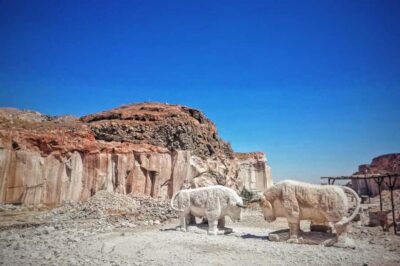 ★ 4.2From Arequipa: Sillar Route TrekFrom $12461 reviews
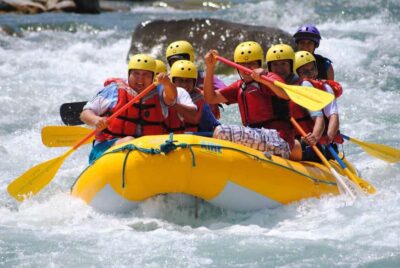 ★ 4.8Arequipa: Chili River White Water Rafting with Hotel PickupFrom $20329 reviews
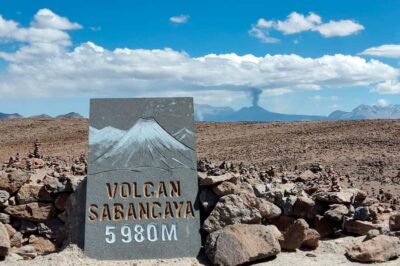 ★ 4.62-Day Tour Colca Canyon in Arequipa with end in PunoFrom $78248 reviews
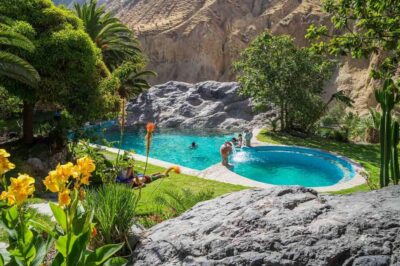 ★ 4.8From Arequipa: 2-Day Colca Canyon Trekking TourFrom $30243 reviews
 ★ 4.4Walking tour in the Historic Center of ArequipaFrom $10180 reviews
 ★ 4.4From Arequipa: Full Day Tour of Colca Canyon with MealsFrom $27146 reviews
Also on these Peru lists