
REVIEW · AREQUIPA CITY
Arequipa: 2-day Colca Canyon Trekking, Ending in Puno
Condors above the canyon pull you into Colca. I love the early stop at Cruz del Cóndor for the famous flight views, and I love how the hike ends at Sangalle Oasis with pools waiting for you. The combo of hiking, canyon drama, and then a seamless finish in Puno is a smart use of your time.
The main thing to consider is that this is a serious hike, with a dark, uphill finish on Day 2. If your kit is light, bring a headlamp and trekking poles, because the plan moves early and the uphill is steep.
In This Review
- Key takeaways at a glance
- Colca Canyon in 2 days, with the finish in Puno
- Arequipa pickup and the morning rush to Chivay
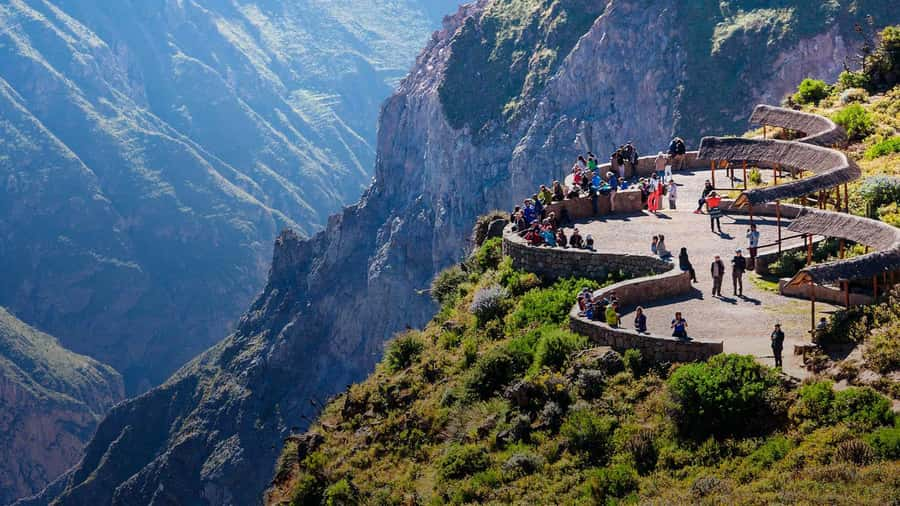
- Cruz del Cóndor: condor flight viewing with real canyon scale
- Descent day one: Pampas de San Miguel, the river rest, and the first suspension bridge
- San Juan de Chuccho, Malata, and Cosñirhua: villages that break up the trek
- Sangalle Oasis: pools, adobe bungalows, and a well-earned night
- Day 2: the 4:30 am start, the climb to Cabanaconde, and a recovery breakfast
- Terraces viewpoint and the Maca traditional village stop
- Chivay, optional hot springs (Chacapi or Yanque), and the handoff to Puno
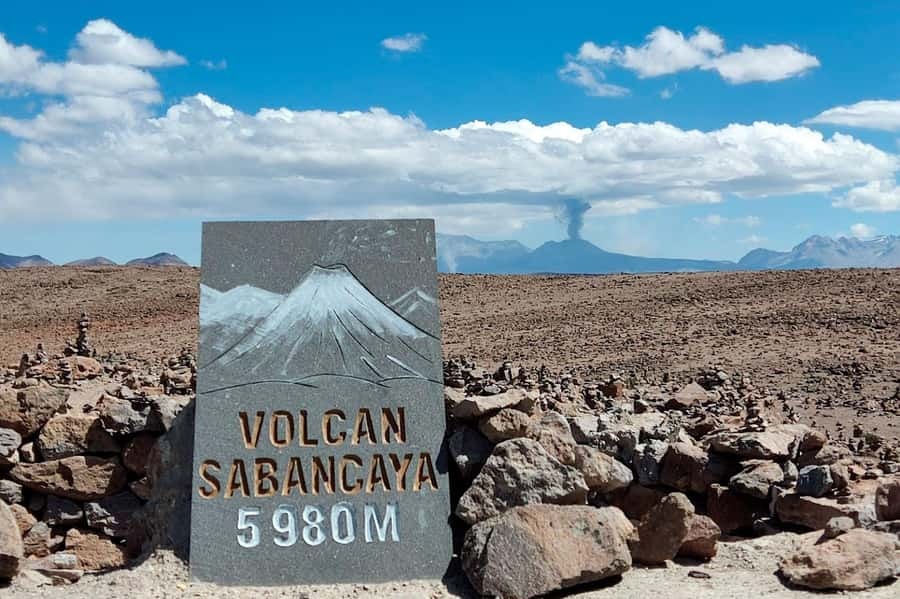
- On the road to Puno: volcano viewpoint, llamas, and Lagunillas birds
- Price and value: what you get for $139, and what to budget extra
- What to pack for a steep 2-day hike
- Who this trek suits, and who might want a gentler option
- Should you book this Arequipa to Puno Colca trek?
- FAQ
- What is the duration of the Colca Canyon trekking tour?
- Where does the tour start and where does it end?
- How big is the group?
- What is included in the price?
- Are meals on the second day included?
- Do I need to pay for the Colca Canyon entrance ticket?
- Is the hot spring visit included?
- What time does the tour start on Day 2?
- What languages are the guides available in?
- Is free cancellation available?
Key takeaways at a glance
- Small group, capped at 18 with pickup near Arequipa’s historic center
- Cruz del Cóndor viewpoint timing gives you about 40 minutes for condor watching
- Sangalle Oasis stay includes pool time plus a night in adobe-style bungalows
- Day 1 is long and steep including the descent to the Colca River area
- Day 2 is the climb back up to Cabanaconde before heading toward Puno
- You also get scenic stops on the drive to Puno, including volcano and Lagunillas sights
Colca departures from Arequipa and Chivay
- 2-Day Tour Colca Canyon in Arequipa with end in Puno
★ 4.6 · 248 reviews - Turist Bus Colca Canyon (Chivay) To Puno
★ 5.0 · 83 reviews - From Puno to Arequipa: 2 Days/1 Night Colca Canyon Tour
★ 3.6 · 83 reviews - From Arequipa Trek : 2-Days of Hiking in the Colca Canyon
★ 4.5 · 35 reviews
Colca Canyon in 2 days, with the finish in Puno
This is a practical trek format: you start in Arequipa, spend Day 1 and overnight in the canyon area, then return up on Day 2 and keep moving until you land in Puno. That matters because it saves you from extra transfers and hotel nights. It also means your trip has a clear “before and after,” from canyon walking to Titicaca country.
The structure is hiking-first. You’re not just driving viewpoints, then adding a short walk. Day 1 includes a major descent, a mix of canyon paths and village areas, and then a calm end at Sangalle Oasis. Day 2 flips that effort, starting with an early climb and finishing with a long scenic transfer into Puno.
Group size stays small, limited to 18, which usually helps with getting to the right spots on time. The tour runs with a professional guide (English or Spanish), and that is a big deal on a route like this, where timing and pacing matter.
Arequipa pickup and the morning rush to Chivay
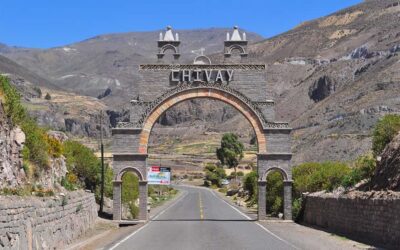
The day begins with hotel pickup in Arequipa, specifically near the historic center. You’re picked up around 3:00 to 3:30 am, then travel to the Colca area for about three hours.
You arrive in Chivay around 6:30 am for breakfast. That early meal helps because the next steps are time-sensitive. The rest of the morning is about getting you to the condor viewpoint in the window where it’s actually worth going.
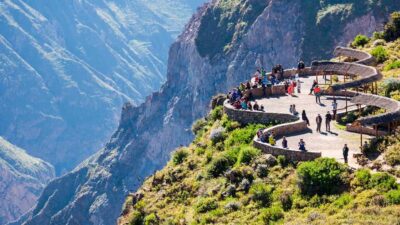
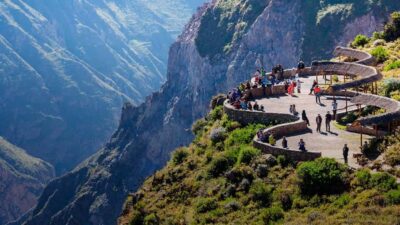
Then you drive about an hour to Cruz del Cóndor. You have roughly 40 minutes there, which is not a long hangout, but it’s enough time to settle in and watch for birds. The tour also gives you the canyon context: the depth here is over 3,400 meters, and that kind of scale changes how you perceive the views when you’re standing at the edge.
Cruz del Cóndor: condor flight viewing with real canyon scale
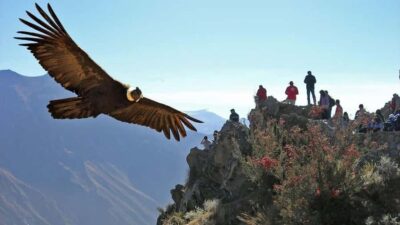
This is the headliner stop, and it’s set up like a pro. The plan gets you there early, keeps your time focused, and places you at one of the most famous lookout points for condors.
What I like about the way this is done is that it’s not rushed in a chaotic way. You get a dedicated window, around 40 minutes, so you can watch, step back if you need a breath of air, and then watch again. Condors don’t perform on schedule, but the timing matters, and this itinerary builds around that reality.
If you want the best odds, dress for cool morning air and keep your hands free. This is one of those moments where you don’t want to be fiddling with layers or camera straps when the birds appear.
Descent day one: Pampas de San Miguel, the river rest, and the first suspension bridge
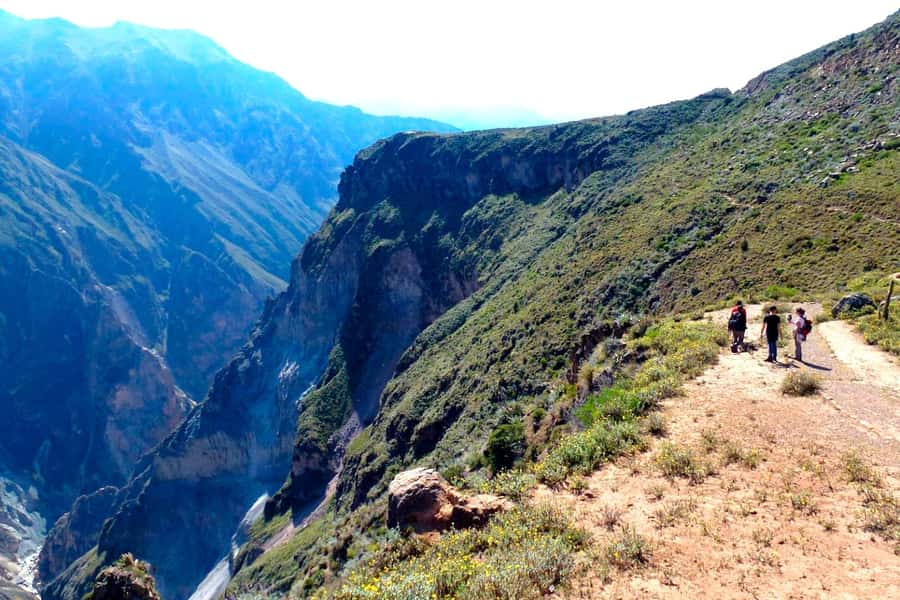
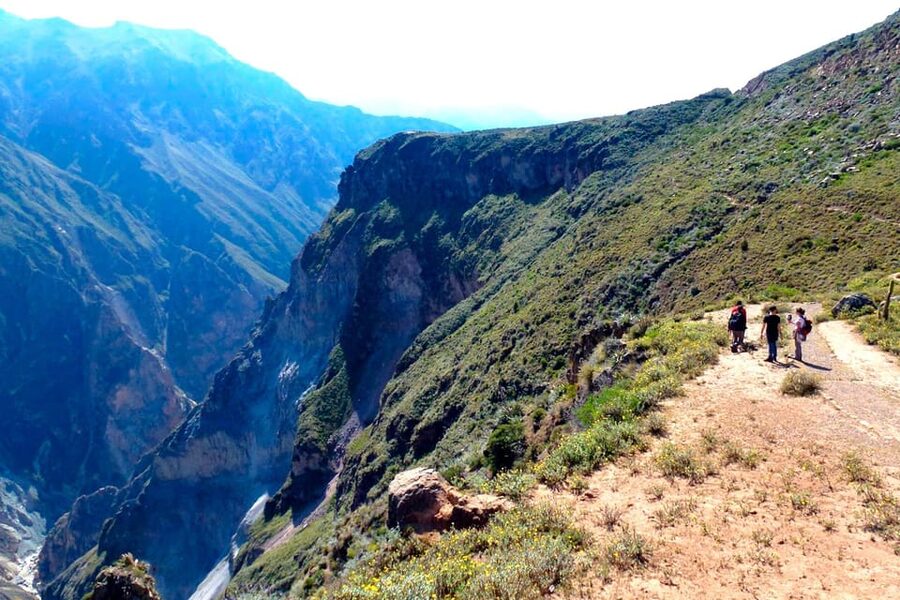
After the viewpoint, you head to Pampas de San Miguel in the town of Cabanaconde. From there, the hike starts with a major descent into the canyon.
You’ll descend until you reach the Colca River area, where you can rest. The route includes crossing the first suspension bridge in the area, which adds a real change in rhythm from footpath walking. It’s also where you start to feel the practical side of trekking: your legs get tested, your footing matters, and you’re very aware you’re going downward.
This is also a long day. The itinerary shows you moving from the canyon descent into lunch at San Juan de Chuccho and then continuing on to village areas including Malata and Cosñirhua. That sequence matters because it’s not only about the canyon floor, it’s also about the human scale of life around it.
One thing to know for planning: you’ll start early, but you don’t get a short day. The rhythm is steady, and the long descent is a big portion of the Day 1 effort.
Santa Catalina, Yanahuara and more Arequipa
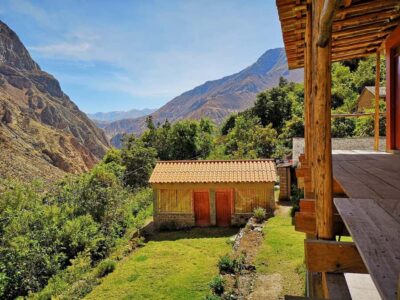
San Juan de Chuccho, Malata, and Cosñirhua: villages that break up the trek
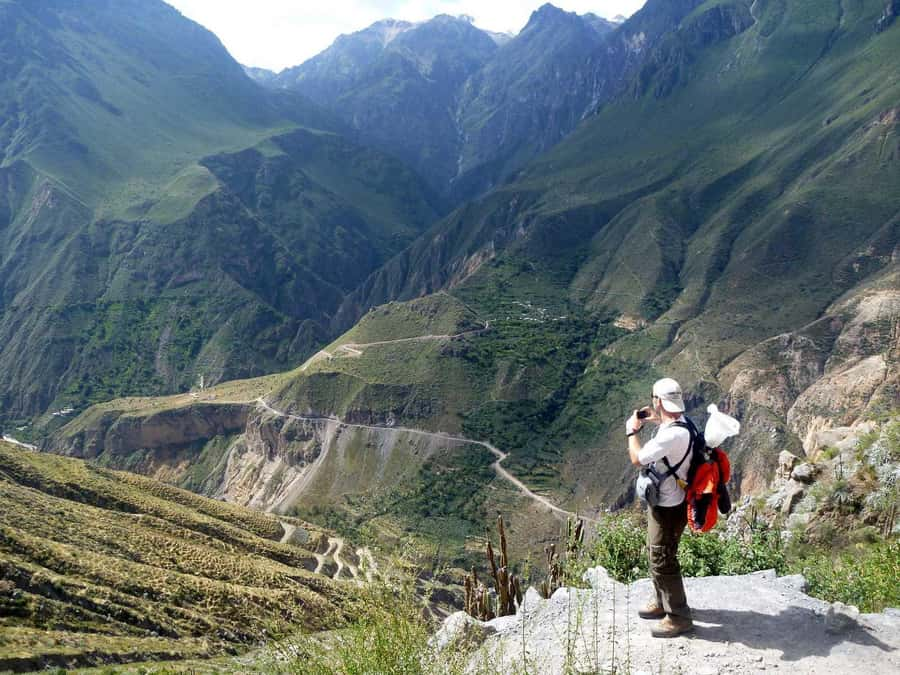
Once you reach San Juan de Chuccho, you get lunch and some rest. That stop is more than a meal break. It gives your body time to reset before you continue through the next village areas.
Then the hike continues toward Malata and Cosñirhua. These stops help the day feel less like an uninterrupted trek and more like a route through a working canyon region. Even if your main goal is the dramatic views, these community moments add depth because you’re seeing how the path connects daily life to the landscape.
For many people, this is where the trek shifts from “tired hiking” into “oh, this is actually special.” The views are still there, but you’re also seeing how the canyon is used and lived in.
Sangalle Oasis: pools, adobe bungalows, and a well-earned night
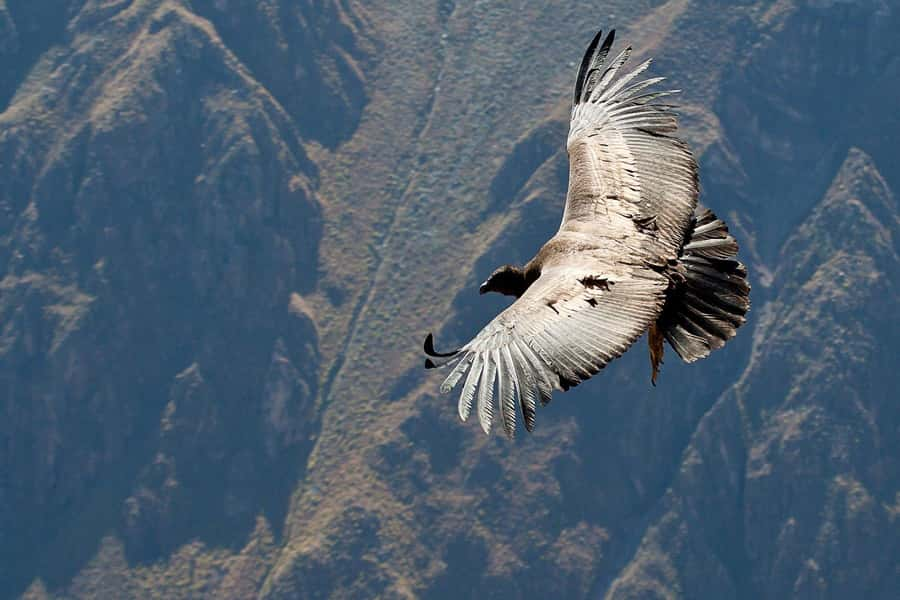
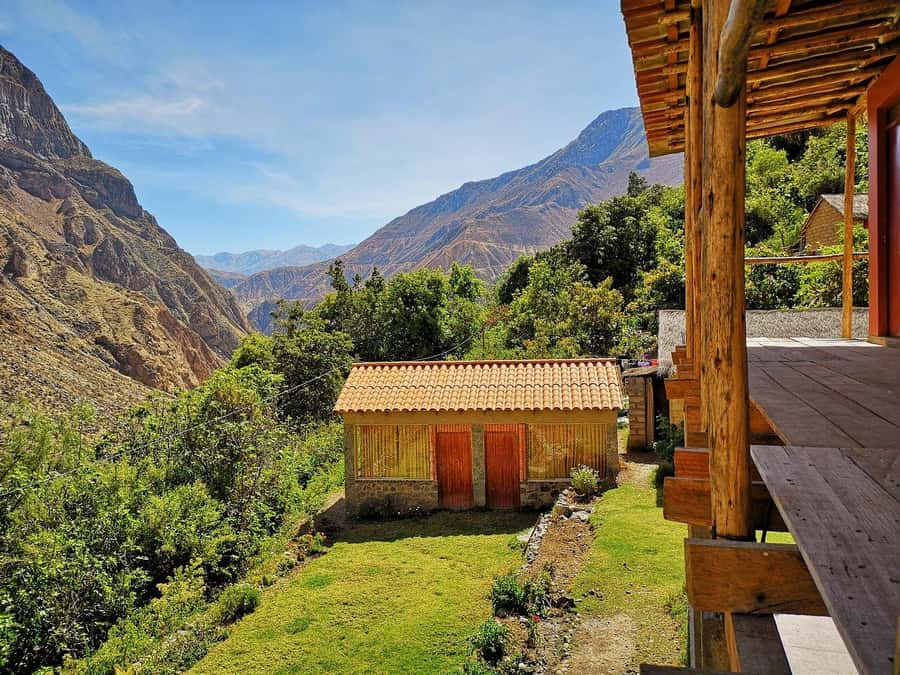
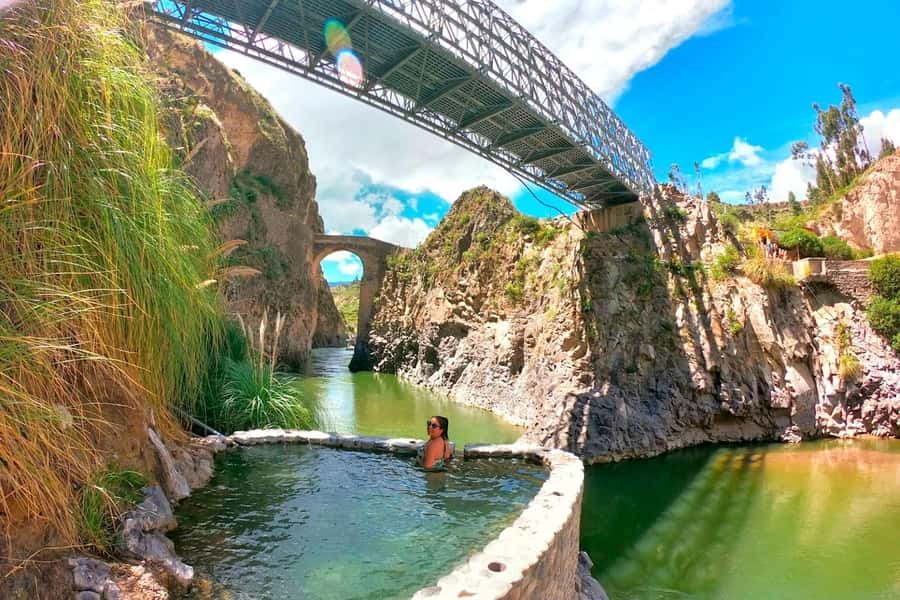
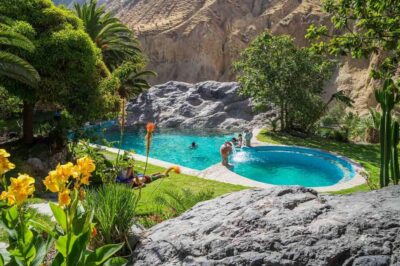
Around 5:00 pm, you arrive at Sangalle Oasis. This part of the itinerary is built for recovery. Sangalle is described as peaceful and charming, with pools surrounded by palm trees and a hostel setting.
You also get entry to the waterpools included in the tour. That means you’re not guessing if there’s time to do it, or paying extra at the last minute. It’s a simple, effective reward after a steep day.
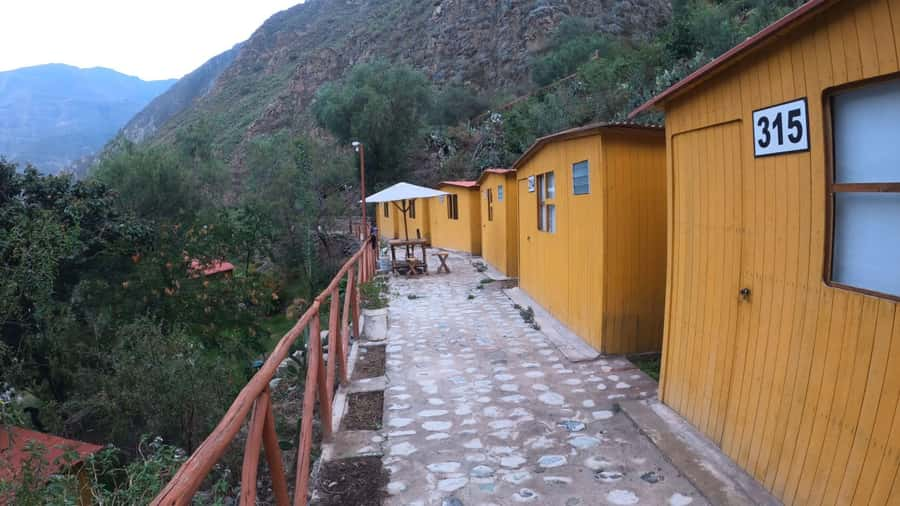
Then comes the night in typical adobe bungalow accommodations in the oasis area. Comfort level is not luxury, but it’s practical and close to where you finish walking. In the same setting, you might find basic extras like WiFi, and there can be cold shower realities depending on the setup. Plan for it, and you won’t be surprised.
If you’re smart about pacing, you’ll arrive hungry and ready for downtime, not stressed. The oasis stop is what keeps this trek from feeling like nonstop suffering.
Also, think about light. Because Day 2 begins early at 4:30 am, you’ll want to know where your headlamp or small light is. That small item can make the difference between organized movement and fumbling in the dark.
Day 2: the 4:30 am start, the climb to Cabanaconde, and a recovery breakfast
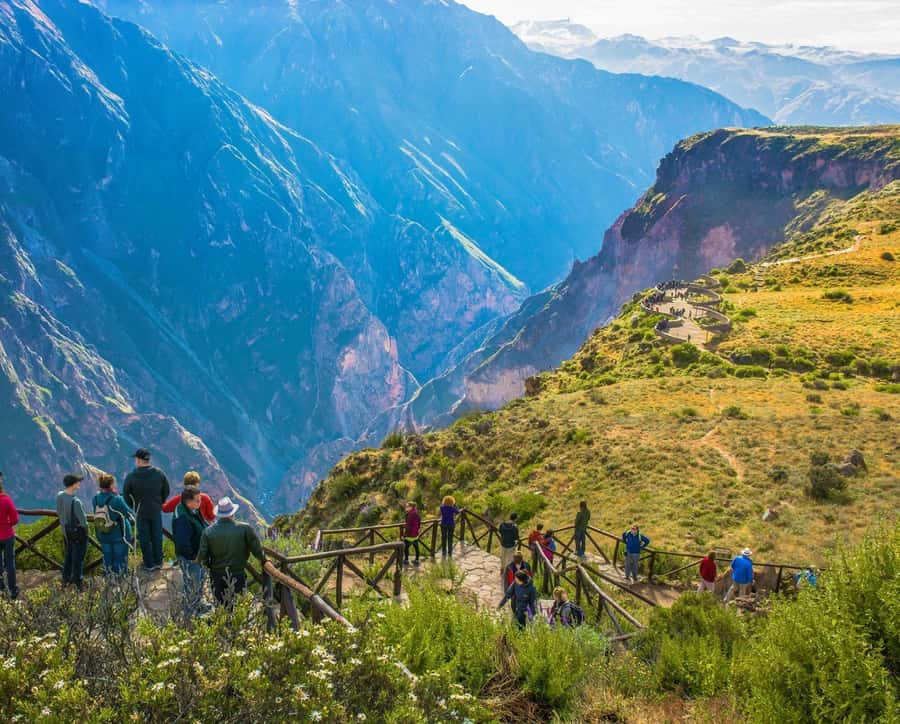
You start again at 4:30 am with a hike that climbs for about three hours from Sangalle back to Cabanaconde. This is where the trek turns demanding. Day 2 is essentially the uphill payoff for Day 1’s descent.
You’ll grab breakfast in Cabanaconde after reaching town. This meal is important because you’ll then shift from hiking mode to transport mode. Your body is tired, and the schedule keeps moving.
If you come with trekking poles, this climb gets easier to manage. Even if you already feel strong, poles reduce the load on knees and help you keep rhythm on uneven steps.
Terraces viewpoint and the Maca traditional village stop
After breakfast, you board transport back toward Chivay. The itinerary includes a tourist stop at a natural viewpoint to appreciate pre-Inca terraces, which gives you a different kind of connection to the canyon. Instead of only looking down at the scale, you’re also seeing how people shaped the slopes long ago.
Then you visit the traditional village of Maca. This stop adds cultural context to what you’ve been walking through. You’re not just collecting views for photos. You’re learning why terracing and settlement patterns make sense in steep canyon country.
The tour keeps the pace moving, but it doesn’t treat these stops like rushed photo stops only. They’re placed between the major hiking effort and the later long transfer to Puno.
Chivay, optional hot springs (Chacapi or Yanque), and the handoff to Puno
You arrive in Chivay around 12:00 pm. You get about an hour for eating. Lunch is optional, and it’s not included, so you should plan for that cost if you want a full sit-down meal.
After that, transport coordination changes hands. The guide coordinates your boarding for the next transfer with destination Puno. That handoff is a practical thing: it prevents you from having to figure out the next step while you’re tired from walking.
Around 11:00 am, there’s an optional hot spring stop, generally in Yanque, but it could be Chacapi Hot Spring. The hot spring ticket is optional and costs 15 soles, so you decide based on your energy and budget. If you’re the type who wants to soak sore muscles, this is the easiest moment to do it because it’s built into the schedule.
Then you move onward toward Puno, with additional guided stops along the way.
On the road to Puno: volcano viewpoint, llamas, and Lagunillas birds
The transfer toward Puno includes three scenic stops with other professional guides. This is one of the smart parts of the itinerary because it keeps Day 2 from feeling like only a long ride.
You’ll stop first for views of volcanoes. Then you’ll stop to see llamas of different varieties. This isn’t just a quick roadside moment. It gives you a chance to look at local livestock in a context where it actually fits the region you’re passing through.
The last stop is Lagunillas, where you can see Andean birds and enjoy beautiful scenery. It’s a fitting ending before the bigger destination shift into Puno country.
Finally, around 7:30 pm, you finish the tour with drop-off in Puno near the Main Square, generally about one block from Plaza de Armas.
Price and value: what you get for $139, and what to budget extra
At $139 per person for a 2-day trek, the key value is what’s bundled. You get tourist transport, a professional guide, two breakfasts, one lunch, and one dinner. You also get a private room for one night in the oasis bungalows and entry to the waterpools in Sangalle.
You also get pickup in Arequipa near the historic center. And critically, you get transport from the Colca area (Chivay) onward to Puno, so you are not piecing together that last transfer alone.
What costs extra is important to budget early:
- Colca Canyon entrance ticket is mandatory. Prices are listed as 20 soles for Peruvians, 40 soles for South Americans, and 70 soles for others.
- Hot spring ticket is optional, 15 soles.
- Lunch on the second day is not included.
When you add up the extra items, the trek still often holds up as good value because of the guide time and the fact that you’re hiking across a route with a real overnight stay, plus meals and the included pool entry.
If you prefer to control costs tightly, you can skip the optional hot spring and plan to eat on your own in Chivay where the hour is allotted.
What to pack for a steep 2-day hike
This tour rewards good prep. The route includes steep descending on Day 1 and steep ascending on Day 2. Plan for traction, layers, and light.
Here’s the practical packing list I would not skip:
- Walking sticks or trekking poles (help a lot on the uphill and downhill)
- A headlamp for the early morning start and dark uphill walking
- Good grip shoes that handle rocky, uneven footing
- Layers for cool early starts, plus something warm for the canyon mornings
- Water and snacks for your own comfort, even though meals are included
The itinerary does provide meal stops and breaks, but it also moves early and keeps a steady hiking pace. Your best strategy is to remove little “friction points” from the day. The headlamp and poles are two of the biggest.
Who this trek suits, and who might want a gentler option
This is ideal for you if you want:
- A real canyon hiking experience over two days
- Condor viewing at Cruz del Cóndor
- An overnight in the canyon area with pools to recover
- A transfer that ends in Puno instead of returning only to Arequipa
It’s also a strong match for people who like guides who can explain what you’re seeing and keep the group moving. Some experiences come with standout guidance and humor, and you may be assigned a guide who’s strong in English and comfortable with the job, including advice that makes the hike feel more manageable.
You might want a different option if:
- You dislike steep stairs and uneven footing
- You are not comfortable with an early 4:30 am start and a dark return climb
- You don’t want to think about packing essential gear like a headlamp
Should you book this Arequipa to Puno Colca trek?
I’d book it if you want a high-effort, high-reward canyon walk that connects directly to Puno. The condor stop plus Sangalle Oasis pools makes it more than a transit day. And the included meals and guided transfers take a lot of stress out of planning.
I’d hesitate only if you’re missing key hiking gear or you’re chasing something gentle and easy. This is a route with real climbing and descending, and it deserves respect.
If you do decide to go, come ready. Bring the poles, bring the headlamp, and keep your mindset set for a tough Day 2. Then you can walk away with canyon scale, condor flights, and a clean handoff to Puno without wasting time on extra lodging or transfers.
FAQ
What is the duration of the Colca Canyon trekking tour?
The tour is 2 days.
Where does the tour start and where does it end?
It starts with pickup in hotels near the historic center in Arequipa and ends with drop-off in Puno near the Main Square, generally about one block from Plaza de Armas.
How big is the group?
The group is limited to 18 participants.
What is included in the price?
Included are tourist transport, a professional guide, private room for 1 night in bungalows in the Oasis, 2 breakfasts, 1 lunch, and 1 dinner, pick up in Arequipa near the historic center, entry to the waterpools in the Oasis, and tourist transport from Chivay to Puno.
Are meals on the second day included?
Breakfasts are included, as well as 1 lunch and 1 dinner overall. Lunch on the second day is not included.
Do I need to pay for the Colca Canyon entrance ticket?
Yes, the Colca Canyon entrance ticket is mandatory and not included. The listed cost is 20 soles for Peruvians, 40 soles for South Americans, and 70 soles for others.
Is the hot spring visit included?
The hot spring is optional. The ticket is not included. It is generally in Yanque, and it could be Chacapi Hot Spring.
What time does the tour start on Day 2?
Day 2 starts at 4:30 am with the hike back up to Cabanaconde.
What languages are the guides available in?
The tour guide is available in English and Spanish.
Is free cancellation available?
Yes. You can cancel up to 24 hours in advance for a full refund.
Island Time on Titicaca
- 2-Day Tour Colca Canyon in Arequipa with end in Puno
★ 4.6 · 248 reviews - Turist Bus Colca Canyon (Chivay) To Puno
★ 5.0 · 83 reviews - From Puno to Arequipa: 2 Days/1 Night Colca Canyon Tour
★ 3.6 · 83 reviews - From Arequipa: Fullday Tour Colca Canyon + Transfer To Puno
★ 4.4 · 17 reviews - From Arequipa: One Day Trip to Colca Canyon Ending in Puno
★ 4.0 · 14 reviews
Arequipa Under El Misti
- 2-Day Tour Colca Canyon in Arequipa with end in Puno
★ 4.6 · 248 reviews - From Puno to Arequipa: 2 Days/1 Night Colca Canyon Tour
★ 3.6 · 83 reviews - From Arequipa Trek : 2-Days of Hiking in the Colca Canyon
★ 4.5 · 35 reviews - From Arequipa: Fullday Tour Colca Canyon + Transfer To Puno
★ 4.4 · 17 reviews - From Arequipa: One Day Trip to Colca Canyon Ending in Puno
★ 4.0 · 14 reviews
Colca, Other Departures
- 2-Day Tour Colca Canyon in Arequipa with end in Puno
★ 4.6 · 248 reviews - Turist Bus Colca Canyon (Chivay) To Puno
★ 5.0 · 83 reviews - From Puno to Arequipa: 2 Days/1 Night Colca Canyon Tour
★ 3.6 · 83 reviews - From Arequipa Trek : 2-Days of Hiking in the Colca Canyon
★ 4.5 · 35 reviews - Tour Fullday Colca Canyon with Breakfast and Typical Lunch
★ 4.3 · 35 reviews
Freshly reviewed across Chivay
- Arequipa : Colca Canyon 2-Day Adventure★ 5.0 · 3 reviews
- 3-day trek to the Colca Canyon from Arequipa ending in Puno★ 4.2 · 3 reviews
- 2-Day Colca Canyon Tour to Puno with accommodation★ 3.9 · 3 reviews
- From Arequipa: 1 Day Tour to the Colca Canyon + Buffet lunch★ 4.2 · 3 reviews
- Colca Canyon Day Trip: From Arequipa to Puno★ 3.5 · 3 reviews
- From Arequipa: Colca Canyon and Condor Watching Day Trip★ 3.7 · 3 reviews
Arequipa City Tours side by side.
 ★ 4.5From Arequipa: Colca Canyon Full-Day Guided Tour with MealsFrom $42982 reviews
 ★ 4.5Tour to the Salinas Lagoon and National Reserve in ArequipaFrom $27548 reviews
 ★ 4.2From Arequipa: Sillar Route TrekFrom $12461 reviews
 ★ 4.8Arequipa: Chili River White Water Rafting with Hotel PickupFrom $20329 reviews
 ★ 4.62-Day Tour Colca Canyon in Arequipa with end in PunoFrom $78248 reviews
 ★ 4.8From Arequipa: 2-Day Colca Canyon Trekking TourFrom $30243 reviews
 ★ 4.4Walking tour in the Historic Center of ArequipaFrom $10180 reviews
 ★ 4.4From Arequipa: Full Day Tour of Colca Canyon with MealsFrom $27146 reviews