
REVIEW · AREQUIPA CITY
3-day trek to the Colca Canyon from Arequipa ending in Puno
Walking the Colca makes Peru feel real. This 3-day trek links the Colca Canyon to Puno, starting with early condors at Cruz del Cóndor and ending with high-altitude scenery stops on the way south. I love the way the route gives you actual canyon time, not just quick photo stops, and I also love the hands-on village nights, including sleeping with a local family in San Juan de Chuccho. The main drawback to plan for is simple lodging and a tight schedule, plus a mandatory Colca entrance ticket that is not included.
For the right kind of traveler, this is one of those trips where each day has a different feel, and you can still move at a human pace. You start in the early morning, then you walk, rest, eat, and repeat, with enough downtime to enjoy the villages and the Sangalle oasis pools before the climb back out.
In This Review
- Quick takes before you go
- Colca Canyon trek, Arequipa to Puno: what kind of trip is this?
- Day 1: Arequipa to San Juan de Chuccho, condors and first descent
- Day 2: San Juan de Chuccho to Sangalle oasis, towns and the pool reward
- Day 3: Sangalle back to Cabanaconde, then viewpoints, alpacas, birds, and Puno
- What makes the best version of this tour work
- Price and value: is $175 a fair deal?
- Lodging and meals: what “basic” really means on this trek
- Timing, delays, and how to protect your schedule
- What to pack for this specific Colca to Puno route
- Who this trek is for, and who should skip it
- Should you book this Colca Canyon trek ending in Puno?
Quick takes before you go
- Cruz del Cóndor timing: You start early enough to watch condors in flight.
- Village-to-village hiking: San Juan de Chuccho down into the canyon, then out again.
- Sangalle oasis pools: A real reward day 2, with about 3 hours to enjoy the area.
- Local lodging style: Basic dorms with dinner and community atmosphere.
- Optional thermal baths: Chacapi hot springs are quick, with fees on top.
- Budget for the mandatory ticket: Colca ticket is required and not included in the base price.
Colca departures from Arequipa and Chivay
- 2-Day Tour Colca Canyon in Arequipa with end in Puno
★ 4.6 · 248 reviews - Turist Bus Colca Canyon (Chivay) To Puno
★ 5.0 · 83 reviews - From Puno to Arequipa: 2 Days/1 Night Colca Canyon Tour
★ 3.6 · 83 reviews - From Arequipa Trek : 2-Days of Hiking in the Colca Canyon
★ 4.5 · 35 reviews
Colca Canyon trek, Arequipa to Puno: what kind of trip is this?
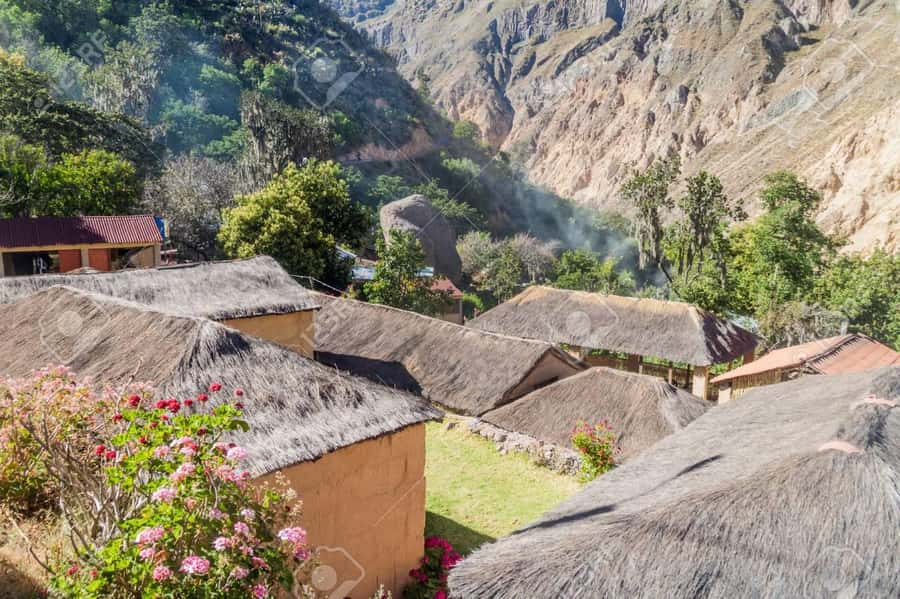
This is not a stay-in-a-hotel-and-tour-by-bus kind of Peru day. It’s a hike-through-a-real-place journey: you move between small canyon towns, sleep in community-run lodging, and spend enough time at each stop to feel like more than a checklist.
The itinerary is also built around a full travel day at the end. You finish the canyon portion and then continue by transport to Chivay, pass scenic viewpoints, and reach Puno around 7:00 p.m. That means you do get a big payoff in terms of itinerary value: you’re getting both the trek and the route south to the Lake Titicaca region.
Day 1: Arequipa to San Juan de Chuccho, condors and first descent
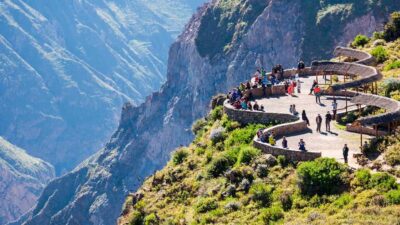
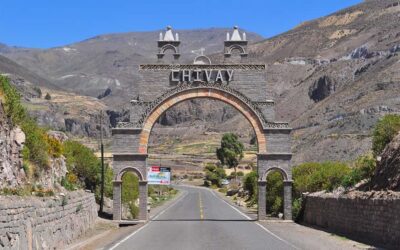
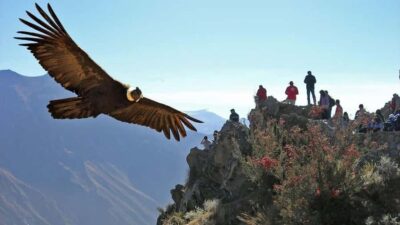
Day 1 starts with an early pickup at 3:00 a.m. from your Arequipa hotel. Then you head toward the canyon area, stop in Chivay for breakfast, and continue to Cruz del Cóndor for condor viewing. This viewpoint is famous for a reason. Watching the birds glide here gives you a sense of scale, because the canyon is so deep that even a simple loop of air can look dramatic.
Next comes the “now you hike” moment. You take transportation to Cabanaconde, then begin walking into the canyon toward San Juan de Chuccho. The tour doesn’t present this as a casual stroll, but it also doesn’t pretend it’s an ultra-trail challenge. You’re given downtime after arrival, including about 3.5 hours of free time to explore, see terraces, and get a feel for local life.
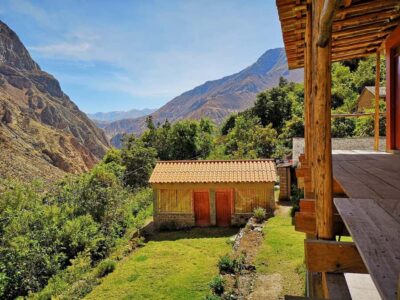
That night is a standout for many people: you spend the evening at a local family home, with basic dormitories, dinner included, and time to settle in. If you’re comfortable with simple, community-based lodging and you like meeting people in everyday settings, this part is a big reason the trek lands well.
Day 1 drawback to watch: the day is long and starts very early, so you’ll want to protect your energy. Also, conditions can be cold in the early hours, even if the sun later feels strong.
Day 2: San Juan de Chuccho to Sangalle oasis, towns and the pool reward
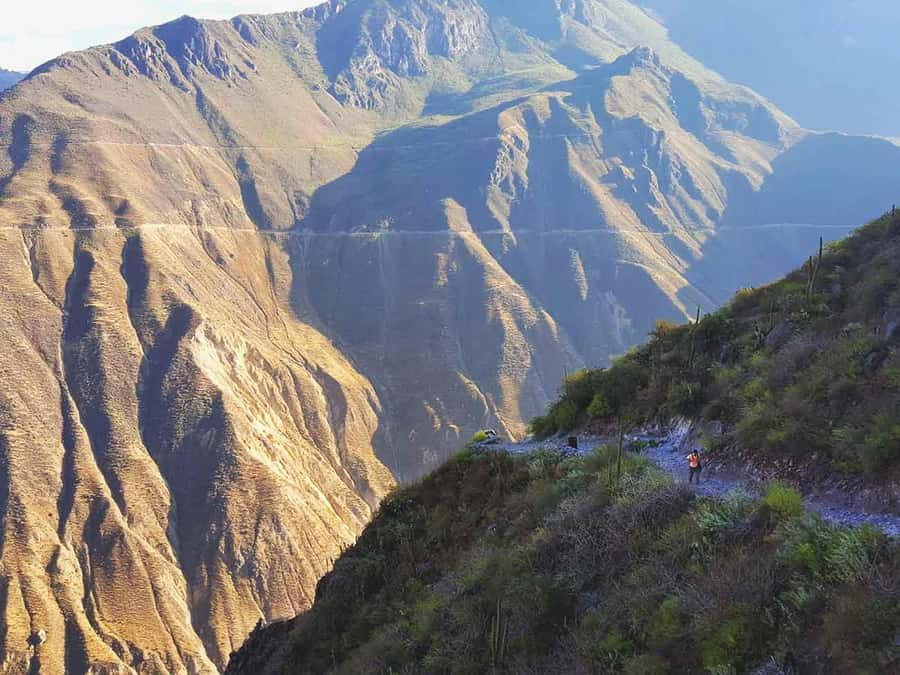
After breakfast, you start walking toward Sangalle (the oasis). Along the way, you visit towns including Cosñirhua and Malata, then continue until you arrive at Sangalle. You get about 3 hours in the oasis area, with lunch included and time to enjoy the pools.
This is where the trek feels like it changes gears. Day 1 is about canyon scale and descent, and day 2 is about rhythm: smaller communities, gentle variety in the path, and then a very real decompression moment at Sangalle.
A practical note: the itinerary includes an afternoon block with free time after lunch and pools. That’s ideal if you want to linger, chat with people around the oasis, or just sit and let your legs cool off.
Day 2 value: you’re not rushing through the canyon. You get a chance to actually enjoy Sangalle, not just “pass through and go.”
Day 3: Sangalle back to Cabanaconde, then viewpoints, alpacas, birds, and Puno
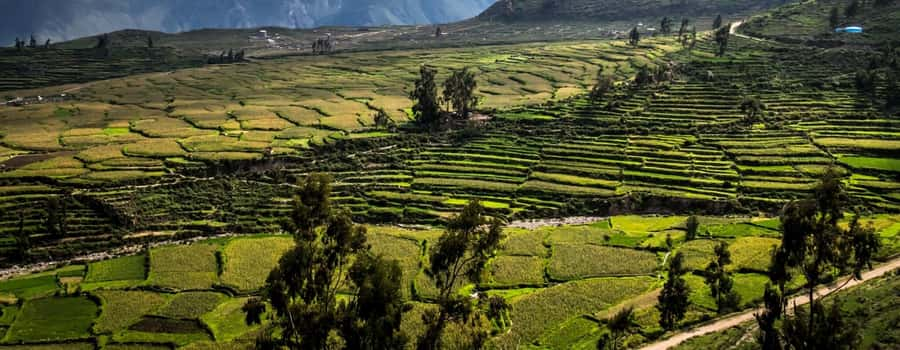
Day 3 is the turnaround day. You begin walking at 5:00 a.m. from the oasis area back toward Cabanaconde, and the ascent walk lasts around 3 hours. After arriving, you have breakfast, then you shift from walking mode to scenic route mode.
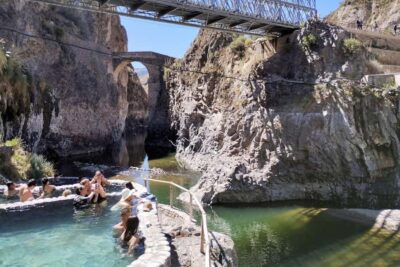
From there, the tour returns by transport and stacks in multiple stops, including Chacapi Thermal Baths with about 40 minutes of time on-site. The entrance fee is not included, and the tour notes list it as 15 soles (it also mentions about 5 USD). Bring cash and plan to pay on the spot if you want the soak.
You’ll also get viewpoint and wildlife-style stops that make the long ride to Puno more interesting:
- Patapampa high point (Pampas Apachetas area) for mountains and volcano views
- Toccra Pampa where you can see alpacas and vicuñas in their natural setting
- Patahuasi as a health facilities stop
- Lagunillas Lagoon for migratory birds
Finally, you reach Chivay for lunch, and then continue onward to Puno, arriving about 7:00 p.m.
Day 3 consideration: this is a lot packed into one day. If you’re easily worn down by early mornings and long transfers, you’ll want to pace yourself after the ascent and keep snacks handy for the drive, especially because the last lunch is listed as not included in the base price.
Santa Catalina, Yanahuara and more Arequipa
What makes the best version of this tour work
This trek works best when you treat it like a hike with cultural stops, not like a “race to the next photo.” The itinerary gives you the right ingredients:
- Condors at Cruz del Cóndor early in the day, when they’re most visible
- Real canyon village time, including San Juan de Chuccho terraces and local life
- Sangalle pools as a planned recovery moment
- Multiple scenic stops on the route to Puno, so the journey south feels purposeful
A guide can also make a big difference. One guide named José is specifically praised for explaining Peru’s fauna and flora, which is exactly the kind of detail that makes you look at what’s around you instead of just watching your feet.
Price and value: is $175 a fair deal?
The listed price is $175 per person for 3 days. For that amount, you’re getting a lot that is usually expensive or stressful to organize yourself: round-trip transport, a professional official guide (Spanish and English), pickup from your hotel, meals, and two nights of lodging in the canyon towns.
What’s included:
- 3 breakfasts, 2 lunches, 2 dinners
- 2 nights (San Juan de Chuccho and Oasis Sangalle)
- Transfer to Puno
- Pick-up from your hotel (plus a meeting point rule)
What’s not included:
- The Colca tourist ticket (70 soles), which is described as mandatory
- Lunch in Chivay on the last day (not included)
- Hot springs entrance (optional), listed at 15 soles
So the real budget calculation is simple: the trek price covers the core experience, but you still need to add the Colca ticket and decide on the thermal baths and Chivay lunch.
If you compare it to booking each piece separately, the value is strongest for people who don’t want to manage logistics while also walking a multi-day canyon route. If you already know your way around and you want maximum freedom, then a self-arranged hike might be cheaper, but it’s also more work.
Lodging and meals: what “basic” really means on this trek
The lodging details are straightforward. You stay in basic dormitories at San Juan de Chuccho, and then you stay at accommodation in Sangalle. This is not the place to expect private rooms or hot showers on demand.
Meals are included for specific counts. You get enough food to keep going, but you should still think like a hiker. The tour includes breakfast and some meals at set times, and it’s not designed as a flexible snack buffet.
One practical tip: bring extra snacks and water, especially for the final ascent and long travel day. The canyon and early starts can squeeze your appetite timing, and small things like that make the last day feel easier.
Timing, delays, and how to protect your schedule
The early departures are part of the magic, especially for condors. But the downside of any shared group trek is that delays can shrink your time at key viewpoints.
The itinerary is built with morning starts and travel segments that depend on arriving on time. If pickup runs late, you can end up losing some buffer at stops that are time-sensitive, like the condor viewpoint or high-altitude viewpoint timing.
Your best protection:
- Be at the meeting point on time, because the pickup rule says you should wait half an hour before the tour begins
- Keep a light, flexible mindset about timing, and focus on the canyon experience rather than one single photo moment
- Pack snacks so a delayed schedule does not turn into a hunger problem
What to pack for this specific Colca to Puno route
You’ll walk, then sit in transport for long stretches, then walk again in the morning. So think layers, not just one outfit.
Bring:
- Hiking shoes you trust for uneven ground
- A warm layer for early morning starts
- Sun protection, because midday can hit hard at altitude
- A small amount of cash for the mandatory Colca ticket and optional hot springs
- Snacks and water, especially for the last day hike and the ride into Puno
If you’re planning the hot springs, check your payment readiness. The tour lists the entrance as optional and priced separately.
Who this trek is for, and who should skip it
This trip is a great fit if you want:
- A multi-day canyon experience with real village stops
- To sleep in community-run lodging rather than a hotel bubble
- A route that ends in Puno without you needing extra transport planning
It may not be ideal if you:
- Need private, high-comfort lodging
- Get stressed by early starts and tight scheduling
- Prefer to hike independently with maximum flexibility
The canyon is the star, but the pacing matters. The route gives you enough time to enjoy, but it still runs on a schedule.
Should you book this Colca Canyon trek ending in Puno?
Book it if you want the Colca Canyon in a way that actually feels like you walked through it, not around it. The combo of condors at Cruz del Cóndor, San Juan de Chuccho village time, Sangalle oasis pools, and then the scenic transition into Puno is strong value for the price, as long as you budget for the mandatory Colca ticket.
Skip or consider alternatives if you know you don’t handle early-morning hikes well, or if you want more leisurely time with zero schedule pressure. In that case, you might prefer a shorter route focused only on the canyon core.
If you book, go in with one mindset: enjoy the walk and the stop-to-stop rhythm. That is where this tour shines.
Island Time on Titicaca
- 2-Day Tour Colca Canyon in Arequipa with end in Puno
★ 4.6 · 248 reviews - Turist Bus Colca Canyon (Chivay) To Puno
★ 5.0 · 83 reviews - From Puno to Arequipa: 2 Days/1 Night Colca Canyon Tour
★ 3.6 · 83 reviews - From Arequipa: Fullday Tour Colca Canyon + Transfer To Puno
★ 4.4 · 17 reviews - From Arequipa: One Day Trip to Colca Canyon Ending in Puno
★ 4.0 · 14 reviews
Arequipa Under El Misti
- 2-Day Tour Colca Canyon in Arequipa with end in Puno
★ 4.6 · 248 reviews - From Puno to Arequipa: 2 Days/1 Night Colca Canyon Tour
★ 3.6 · 83 reviews - From Arequipa Trek : 2-Days of Hiking in the Colca Canyon
★ 4.5 · 35 reviews - From Arequipa: Fullday Tour Colca Canyon + Transfer To Puno
★ 4.4 · 17 reviews - From Arequipa: One Day Trip to Colca Canyon Ending in Puno
★ 4.0 · 14 reviews
Colca, Other Departures
- 2-Day Tour Colca Canyon in Arequipa with end in Puno
★ 4.6 · 248 reviews - Turist Bus Colca Canyon (Chivay) To Puno
★ 5.0 · 83 reviews - From Puno to Arequipa: 2 Days/1 Night Colca Canyon Tour
★ 3.6 · 83 reviews - From Arequipa Trek : 2-Days of Hiking in the Colca Canyon
★ 4.5 · 35 reviews - Tour Fullday Colca Canyon with Breakfast and Typical Lunch
★ 4.3 · 35 reviews
Freshly reviewed across Chivay
- Arequipa : Colca Canyon 2-Day Adventure★ 5.0 · 3 reviews
- 3-day trek to the Colca Canyon from Arequipa ending in Puno★ 4.2 · 3 reviews
- 2-Day Colca Canyon Tour to Puno with accommodation★ 3.9 · 3 reviews
- From Arequipa: 1 Day Tour to the Colca Canyon + Buffet lunch★ 4.2 · 3 reviews
- Colca Canyon Day Trip: From Arequipa to Puno★ 3.5 · 3 reviews
- 2 day 1 night trek / Colca Canyon★ 3.0 · 3 reviews
Arequipa City Tours side by side.
 ★ 4.5From Arequipa: Colca Canyon Full-Day Guided Tour with MealsFrom $42982 reviews
 ★ 4.5Tour to the Salinas Lagoon and National Reserve in ArequipaFrom $27548 reviews
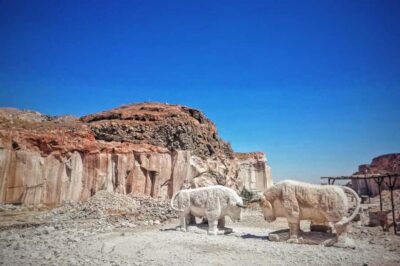 ★ 4.2From Arequipa: Sillar Route TrekFrom $12461 reviews
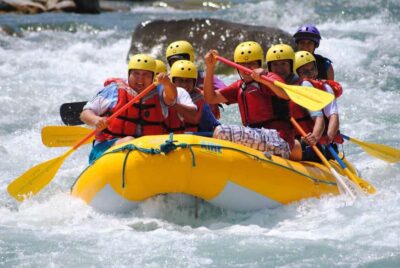 ★ 4.8Arequipa: Chili River White Water Rafting with Hotel PickupFrom $20329 reviews
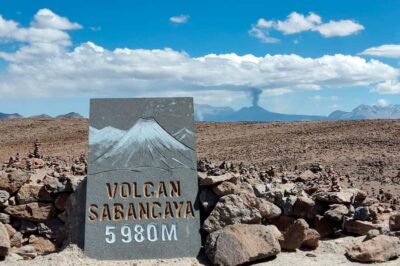 ★ 4.62-Day Tour Colca Canyon in Arequipa with end in PunoFrom $78248 reviews
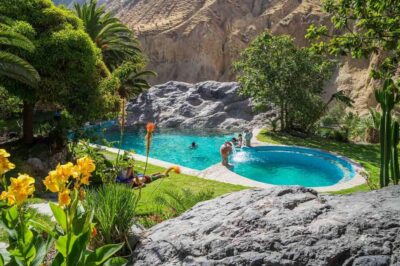 ★ 4.8From Arequipa: 2-Day Colca Canyon Trekking TourFrom $30243 reviews
 ★ 4.4Walking tour in the Historic Center of ArequipaFrom $10180 reviews
 ★ 4.4From Arequipa: Full Day Tour of Colca Canyon with MealsFrom $27146 reviews