
REVIEW · MACHU PICCHU
4-Day Lares Trek to Machu Picchu from Cusco
Machu Picchu feels far away, until the trail earns it. This 4-day Lares Trek routes you through high passes and local communities, then delivers a very early morning visit to the ruins.
I love the small-group size (max 15, average 4) because the pace feels human, and the guide keeps things clear and friendly. I also love the practical logistics built around your time, with a full Machu Picchu guided tour plus a plan for the Huayna Picchu add-on when you want it.
The main drawback to think about up front is the altitude and physical demand. You’ll be trekking mostly around 4,000 meters, so you need good conditioning and warm gear, especially in the mornings.
In This Review
- Key Things That Make This Lares Trek Worth It
- Lares Trek to Machu Picchu: What You Get for the Price
- Day 1: Cusco Pick-Up, Lares Town Hot Springs, and the Wakawasi Camp
- Day 2: Ipsayccocha Pass (4,400m) to Patacancha, Camping Among Llamas
- Day 3: Ollantaytambo, Train to Aguas Calientes, and Your Machu Picchu Morning Plan
- Day 4: First Bus to Machu Picchu, 2-Hour Guided Walk, Huayna Picchu Rules
- Camping Setup and Packing: How the Trek Keeps Moving
- Food on the Mountain: Vegetarian Option and a Real Chef Workflow
- Guides and Small Group Timing: Why the Days Feel Manageable
- Price and Logistics: What’s Included, What’s Extra, and Planning Pressure
- Who This Trek Fits Best (and Who Might Rethink)
- Final Call: Should You Book This 4-Day Lares Trek to Machu Picchu?
- FAQ
- What time is the Cusco pick-up?
- How big is the group?
- Are vegetarian meals available?
- Do I need to bring a sleeping bag?
- What time do you go to Machu Picchu on day 4?
- Is Huayna Picchu included?
- What costs extra besides the tour price?
Key Things That Make This Lares Trek Worth It
- Small group experience (max 15, average 4), so you are not swallowed by crowds
- Local bilingual guidance on the trek and on your Machu Picchu walking tour
- Camping setup that actually helps (tent and basic sleeping mattress for 2 people)
- High-altitude scenery and passes like Ipsayccocha Pass at 4,400m
- A chef-run food routine with a vegetarian option at every meal
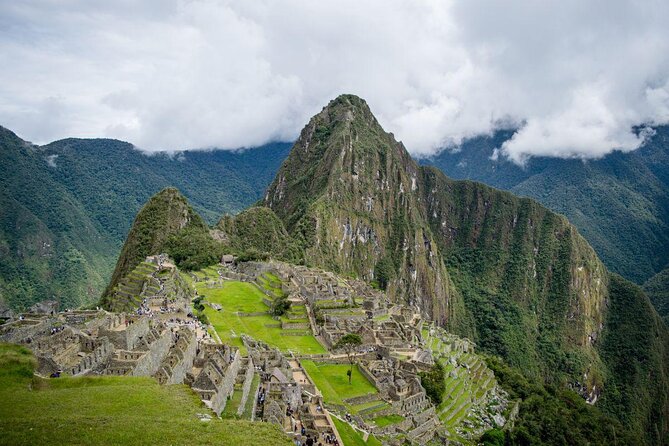
- A first-bus Machu Picchu entry (around 05:30) to catch the mist lift
Other citadel visits, ticket types and start times
- From Cusco: Full-Day Group Tour of Machu Picchu
★ 4.7 · 1,767 reviews - Machu Picchu Day Trip from Cusco
★ 4.5 · 1,644 reviews - Machu Picchu: Full-Day Tour from Cusco with Optional Lunch
★ 4.6 · 927 reviews - Cusco: 4-Day Inca Trail to Machu Picchu with Accommodation
★ 4.8 · 432 reviews
Lares Trek to Machu Picchu: What You Get for the Price
This trip is priced at $847 per person, and the value comes from what is bundled in. You are paying for the full chain: pick-up from Cusco, transport to the trek start, guided trek with camping, train to Aguas Calientes, the early bus to Machu Picchu, and then the bus back to Cusco.
What matters for your decision is not just the ticket price. It is that the basics are handled for you: meals on the trail, a cook, a guide, camping gear, and the Machu Picchu site visit. You still handle a few pieces solo, like your bus and train transfers from the operator’s side not being accompanied by a guide, plus your own Cusco lodging.
You can also see good signs in how the trip is staffed. In one run, the trek guide was Percy, described as experienced and considerate, with strong English. A separate group noted excellent organization, great food, and a very good guide (spelled Percey), plus the chef’s work. That is the kind of consistency you want on a multi-day hike.
Day 1: Cusco Pick-Up, Lares Town Hot Springs, and the Wakawasi Camp
You start early, with pick-up from Cusco around 6:00 am. The transfer takes you to Lares Town at about 2,900m, where you have time for the optional hot springs if you want them. The Lares hot springs cost 10 soles extra, so treat it as a bonus, not a guarantee.
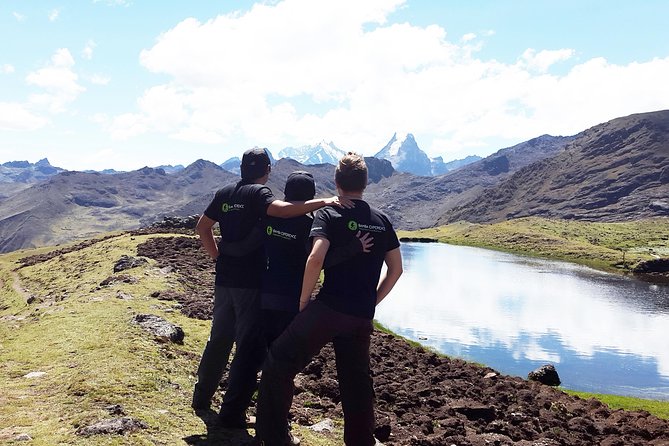
Then the trek begins with a zigzag climb. You are headed toward Wakawasi at 3,850m, and the day is about 14 km for roughly 6 hours. Expect big views, wildlife, and local communities along the way. This is not a straight grind. It is a steady uphill day with the kind of switchback rhythm that helps your breathing feel manageable.
The camp at the Wakawasi community is a highlight for how it changes your perspective. You get the chance to meet families living there and learn how daily life connects to the land. Camps also bring practical comfort. You get tent accommodation and a basic sleeping mattress, and your meals for the day include one lunch and one dinner.
What to watch for: Day 1 hits altitude fast. You start the trek after reaching the 2,900m town, then climb toward 3,850m. If you are prone to headaches or nausea at elevation, go slow in the first hour and do not try to “prove fitness” on day one.
Day 2: Ipsayccocha Pass (4,400m) to Patacancha, Camping Among Llamas
Day 2 is the longest-feeling day because it layers elevation changes. You begin with an uphill 4-hour trek that takes you over Ipsayccocha Pass at 4,400m. Then you walk downhill for about 40 minutes to your lunch stop beside the lake.
From there it continues for around 3 more hours to Patacancha town at 3,800m, where you camp. The day’s total is about 15 km for roughly 8 hours. The campsite is surrounded by llamas, alpacas, and local crop plantations, so you get that real working landscape, not just scenery.
This is also the day where your comfort logistics matter. The operator includes camping accommodation (basic mattress and tents) and runs a cook who prepares all meals. You get breakfast, lunch, and dinner on this day, plus snacks as part of the trek routine.
Here is the practical takeaway: plan your effort for the pass. Ipsayccocha Pass is the day’s peak at 4,400m, so save energy for that section. If you arrive at the lunch lake slightly “worked,” that is normal. Then you can regain your stride during the final stretch into Patacancha.
Day 3: Ollantaytambo, Train to Aguas Calientes, and Your Machu Picchu Morning Plan
After two trekking days, day 3 turns into a transition day. You start from the mountain community around 3,800m and trek for about 4 hours to Ollantaytambo. You also have lunch there.
Then comes the iconic part: you hop on the train from Ollantaytambo to Aguas Calientes, reaching the town where you spend the night. This matters because it sets up your Machu Picchu morning. You do not want to gamble with late arrival.
Once you reach Aguas Calientes, your guide meets you with instructions for the next day. That brief guidance is underrated. It helps you know where to go and what the morning flow will look like, especially if you plan to move through the site early.
In the evening, the town is set up for traveler downtime. You can wander, find internet cafes, relax in cafes, and even pass time with shops and board-game style entertainment. You also get a 3-star hotel night in Aguas Calientes.
What might surprise you: day 3 includes both a trek segment and then train travel. So the day is not relaxing in a “vacation” way, but it is a mental reset before Machu Picchu.
Lares, Choquequirao and quieter approaches
Day 4: First Bus to Machu Picchu, 2-Hour Guided Walk, Huayna Picchu Rules
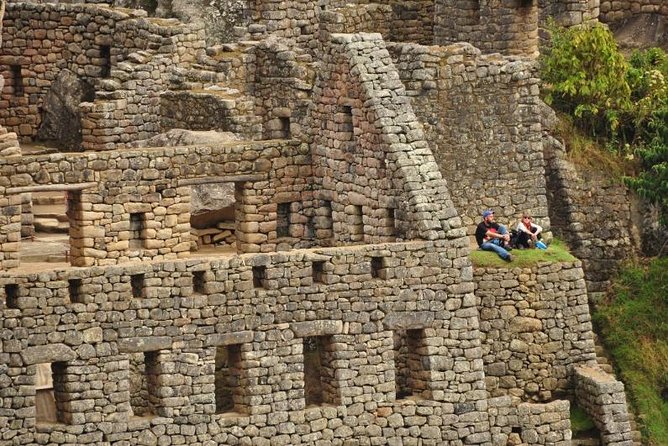
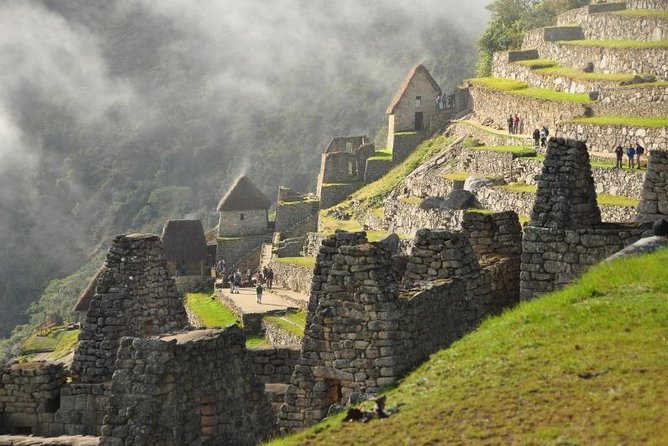
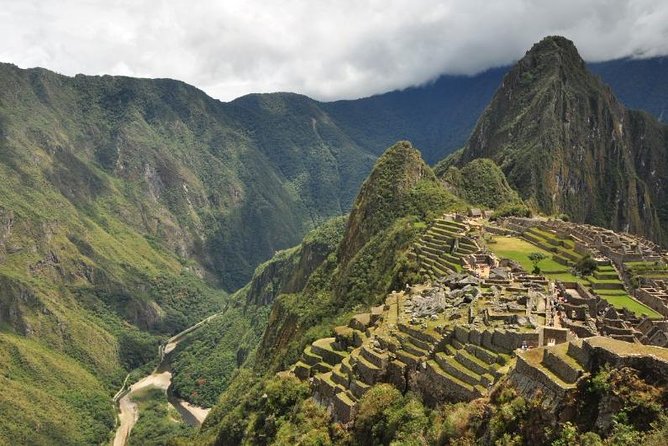
Day 4 is where the “big payoff” happens. You catch one of the first buses to Machu Picchu, leaving around 05:30 am. The ride is about 25 minutes, and you aim to experience the ruins as the mist dissipates in early light.
Your guided site visit lasts about 2 hours. The guide walks you through the most important areas and covers key context so you are not just walking in circles taking photos. After that, you get time to explore on your own, with freedom for pictures at your pace.
If you want the extra challenge, there is an optional climb to Huayna Picchu. This hike is inside the Machu Picchu archaeological site and takes about 45 to 60 minutes up. It can be muddy, so bring your best footing skills.
Ticketing for Huayna Picchu is the part you must plan ahead. You need to purchase an additional ticket at least 2 weeks in advance, because only 400 passes are available, split into 200 people at 7:00 am and 200 more at 10:00 am. The operator notes you should email directly to request the extra ticket. If you wait until the last minute, this is exactly how you end up missing the option.
After your time on site, you take the bus back down to Aguas Calientes. You can visit the local marketplace next to the train station, then wait for the train whistle that signals your return to Ollantaytambo. Finally, you travel by bus back to Cusco, arriving around 08:00 pm, with drop-off at Plaza San Francisco. You’ll make your own way from there to your hotel.
The morning tip: start with warm layers. Even if the sun pops through, the early bus and early ruins time can be chilly.
Camping Setup and Packing: How the Trek Keeps Moving
One reason this trek works is the balance between “bring your life” and “let us handle the heavy parts.” Horses carry cooking and camping equipment, plus a total of 7 kilos per trekker for the first 3 days. That allocation includes 2.5 kilos for your sleeping bag and mattress and 2.5 kilos of personal items.
That means you should pack like a minimalist but not like a robot. You can rent a sleeping bag in Cusco for $15 USD if you do not have one. Your recommended packing list also includes rain pants, rain poncho, trekking boots, warm socks, thermals, a hat, gloves, and hiking poles.
Also note the reality of power during the trek. There is limited to no electricity available during the mountain days, so it is smart to charge your devices ahead of time, and bring extra batteries if you rely on them.
Accommodation is included and it is practical:
- Days 1 to 2: single travelers share a tent with another traveler, couples get a tent to themselves
- Day 3: single travelers share a room with another traveler, couples get a private room
What to consider: if you hate sharing space, this matters. Plan for it before you book so day-to-day comfort does not become a distraction.
Food on the Mountain: Vegetarian Option and a Real Chef Workflow
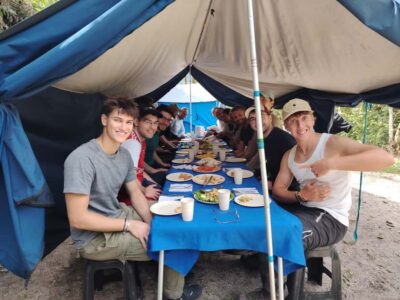
Food is one of the strongest parts of this experience, and it shows up in how people describe the trip. One group highlighted the chef directly, saying the food was awesome. Another called out excellent cooking and super food.
The meal structure is consistent: you get 3 breakfasts, 3 lunches, 3 dinners, plus snacks across the 3 trekking days and the transition day. Meals for each day are included, and vegetarian options are available if you advise ahead of time.
You will see familiar Peruvian flavors and quinoa-friendly meals on the menu. The trek breakfasts might include hot porridge, quinoa or oats, and options like fried eggs, omelets, or pancakes, plus bread and tea. Lunch and dinner often start with soups like quinoa and vegetable soups, then move to hearty main dishes such as chicken or beef stews, quinoa or fried rice, spaghetti bolognese, and local classics like aji de gallina or ajiaco de olluco.
Desserts show up too, including chocolate pudding or cake, plus fried plantains. Snacks can include coca tea, coffee, chocolate, and popcorn or cookies.
Practical advice: if you are vegetarian, confirm your preference when booking, and do it early. The operator asks you to advise prior to departure, so you are not rolling dice at the last minute.
Also, bottled water is not included, so plan for that cost. Bring your own water bottle (or plan to buy along the way where you can).
Guides and Small Group Timing: Why the Days Feel Manageable
This trip is small by design, max 15 travelers and average 4. That difference matters when you are hiking at altitude, because you do not want to spend half your day waiting or constantly getting split up.
Your guide is with you during the trek and during the Machu Picchu guided walk. During train and bus transfers, the itinerary notes you will not have a guide, which is normal for these routes. Still, the operator keeps things structured enough that you are not wandering blind.
Guide quality is a major theme from real-world feedback. Percy was described as experienced, funny, helpful, and considerate, with very good English. That kind of vibe is what turns a hard day into a “this is happening” story you remember later.
What I like about this style: the trip balances route efficiency with guidance. You are not stuck in a lecture. You get explanations when it counts, then you have time to move at your own pace for photos and small breaks.
Price and Logistics: What’s Included, What’s Extra, and Planning Pressure
Here is the value picture, in plain terms. Your $847 includes pick-up from Cusco, the van to Lares Town, camping for day 1 and day 2 nights, a 3-star hotel night in Aguas Calientes, train tickets Ollantaytambo to Aguas Calientes, and buses back down from Machu Picchu plus the bus back to Cusco. It also includes a bilingual guide on trek and Machu Picchu, your meals during the tour, first aid kit and emergency oxygen, and horse support for equipment.
What is not included (and can affect your final budget):
- Sleeping bag rental in Cusco (listed as $15 USD)
- Day 1 breakfast, and day 4 lunch
- Bottled water
- Hot springs at Lares town (10 soles)
- Optional Huayna Picchu hike, plus an optional Machu Picchu mountain hike add-on mentioned as extra
- Tips for guide, assistant guide, horsemen, and cook (tipping is optional)
- Your Cusco accommodation
- Airport pick-up
- Hot springs cost and meals that are not covered (like bottled water)
There is also planning pressure for optional climbs. Huayna Picchu requires extra ticketing in advance, and limited pass counts mean you should not treat it casually.
One more practical note: this experience is described as non-refundable and not changeable for any reason. That makes travel insurance a smart idea if your plans are uncertain.
Departure timing is also something you can work with. Treks run Monday, Wednesday, and Saturday. There are also mentions of daily departures if enough people join (group size of 4 or more).
Who This Trek Fits Best (and Who Might Rethink)
This Lares trek is for you if you want a high-altitude, community-facing trek that ends at Machu Picchu without sacrificing guided context. You get both the physical achievement and the explanation piece, especially on the 2-hour Machu Picchu tour.
It is also a good fit if you like small-group travel and want a professional bilingual guide on the trail. The camp days plus the early bus schedule are built for people who want the best chance to see the ruins in softer light.
You might want to rethink it if you do not handle altitude well or you are looking for an easy walk. The trip calls it difficult, with good physical conditions needed due to most hiking around 4,000 meters. Warm clothes are essential.
Minimum age is listed as 7 years, so families can consider it, but you should be honest about pace and comfort.
Final Call: Should You Book This 4-Day Lares Trek to Machu Picchu?
I would book this if your priorities are a small-group trek, strong guidance, and meals that keep you fueled. The trail route through Lares and Patacancha adds variety before the day 4 payoff, and the early Machu Picchu start plus guided tour is a smart combination.
I would hesitate only if you are unprepared for altitude and cold mornings, or if you know you want Huayna Picchu and you cannot commit to the advance ticket timeline. If you want Huayna Picchu, treat the booking window like a mission, not a suggestion.
If you are ready to work for it a little, you will likely love the way this trip stitches together trek, local life, and one of the world’s most famous ruins into a single flow.
FAQ
What time is the Cusco pick-up?
Pick-up from Cusco is around 6:00 am before the transfer to Lares Town.
How big is the group?
This is a small-group tour, with a maximum of 15 travelers and an average group size of about 4.
Are vegetarian meals available?
Yes. A vegetarian option is available if you advise prior to departure.
Do I need to bring a sleeping bag?
A sleeping bag is not included. You can rent one in Cusco for $15 USD.
What time do you go to Machu Picchu on day 4?
You catch one of the first buses around 05:30 am.
Is Huayna Picchu included?
No. Huayna Picchu is optional and requires an additional ticket booked in advance.
What costs extra besides the tour price?
Hot springs in Lares town (10 soles), bottled water, optional hikes, tips, and your accommodation in Cusco are not included. Day 1 breakfast and day 4 lunch are also not included.
More Tour Reviews in Cusco
- Cusco: Humantay Lake Tour with Breakfast and Buffet Lunch
★ 4.9 · 2,976 reviews - From Cusco: Moray, Maras Salt Mines & Chinchero Weavers Tour
★ 4.8 · 1,925 reviews - From Cusco: Full-Day Group Tour of Machu Picchu
★ 4.7 · 1,767 reviews - Machu Picchu Day Trip from Cusco
★ 4.5 · 1,644 reviews - Cusco: Half-Day City Tour with Sacsayhuaman and Q’enco
★ 4.6 · 1,129 reviews
Lares, Choquequirao and Beyond
- Choquequirao Trek 4 days and 3 nights
★ 5.0 · 81 reviews - Ancascocha Trek To Machu Picchu 4 Days And 3 Nights
★ 5.0 · 77 reviews - 4-Day Inca Jungle Adventure, Mountain Biking, Rafting and Zipline
★ 5.0 · 60 reviews - Classic Choquequirao Trek – 5 Days / 4 Nights
★ 5.0 · 52 reviews - 4 Days Inca Jungle to Machu Picchu Standard
★ 4.5 · 48 reviews
Reaching the Citadel, Other Options
- From Cusco: Full-Day Group Tour of Machu Picchu
★ 4.7 · 1,767 reviews - Machu Picchu Day Trip from Cusco
★ 4.5 · 1,644 reviews - Machu Picchu: Full-Day Tour from Cusco with Optional Lunch
★ 4.6 · 927 reviews - Cusco: 4-Day Inca Trail to Machu Picchu with Accommodation
★ 4.8 · 432 reviews - From Cusco: 2-Day Trip to the Sacred Valley and Machu Picchu
★ 4.6 · 265 reviews
Freshly reviewed across Cusco
- Excursion Cusco – Puno – Titicaca Observatory Train★ 5.0 · 3 reviews
- Sacred Valley Vip Cusco★ 4.7 · 3 reviews
- Cusco | Humantay Lake 1-Day Tour with Breakfast and Lunch★ 5.0 · 3 reviews
- Full-Day Condor Viewpoint & Inca Sites Tour★ 5.0 · 3 reviews
- Best of Cusco: Private Walking Tour with a Local★ 3.6 · 3 reviews
- From Cusco: Full-Day Private Sacred Valley Tour★ 5.0 · 3 reviews
Machu Picchu Tours side by side.
 ★ 4.7From Cusco: Full-Day Group Tour of Machu PicchuFrom $3211,767 reviews
 ★ 4.5Machu Picchu Day Trip from CuscoFrom $3361,644 reviews
 ★ 4.6Machu Picchu: Full-Day Tour from Cusco with Optional LunchFrom $283927 reviews
 ★ 4.8Cusco: 4-Day Inca Trail to Machu Picchu with AccommodationFrom $470432 reviews
 ★ 4.6From Cusco: 2-Day Trip to the Sacred Valley and Machu PicchuFrom $370265 reviews
 ★ 4.9Cusco: Machu Picchu 2-Day Inca Trail with Panoramic TrainFrom $582260 reviews
 ★ 4.2From Cusco: 2-Day Inca Trail to Machu PicchuFrom $290244 reviews
 ★ 4.9Machu Picchu: Inca Trail 2-Day Overnight Guided TourFrom $585203 reviews
Also on these Peru lists