
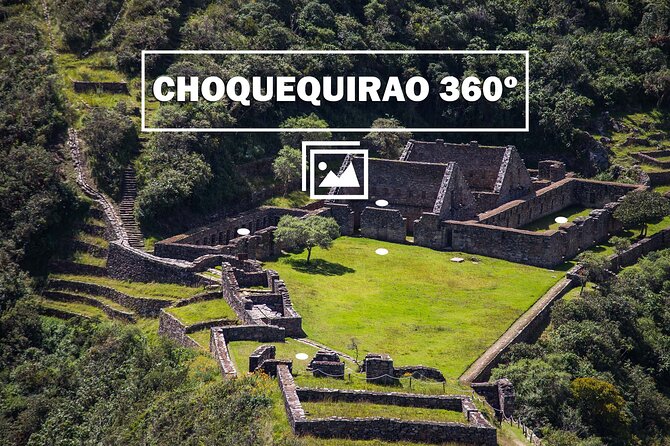
REVIEW · ALTERNATIVE TREKS TO MACHU PICCHU
Choquequirao Trek 4 days and 3 nights
This trek feels like a secret route into the Incas. You start early in Cusco and spend days hiking down through deep canyon views toward Choquequirao, with round-trip transfers that keep you from wrestling logistics. Two big reasons this works so well are the small group size and the way the team handles the hard parts so you can focus on the walk. The main catch is that it’s a long, steep, high-altitude trek, with some of the highest points around 3,100 m.
I especially like how this route builds in quiet time at the ruins, since you reach Choquequirao by trekking rather than a quick bus-and-wander day. You’ll also get those jaw-dropping Apurimac canyon lookouts, then shift into cloud-forest terrain as the days go on. If you hate early mornings or steep hiking, this might feel like too much.
In This Review
- Key highlights at a glance
- Why Choquequirao feels quieter than the famous ones
- Cusco pickup and the early drive to Capuliyoc
- Day 1: Capuliyoc downhill, Chiquiska lunch, Santa Rosa camp
- Day 2: Marampata day and the steady walk toward the next camp
- Day 3: Sunrise at Choquequirao, downhill then uphill to Chiquiska
- Day 4: Climb back to Capuliyoc, then Saywite’s mysterious rock
- The crew experience: guides, chef, porters, and horseman support
- Meals on the trail: what you actually get each day
- Hiking difficulty: moderate on paper, serious in real altitude
- Transfers, tickets, and the real value of the $698 price
- Practical planning: fitness, sleep gear, and the 7 kg porter rule
- Should you book this Choquequirao trek?
- FAQ
- What time do departures start from Cusco?
- How high will I hike on this trek?
- What’s included in the $698 price?
- Is there a vegetarian option?
- Do I need to bring a sleeping bag and trekking poles?
- Do I need a passport, and what details are required?
- Is there free cancellation?
Key highlights at a glance
- Small group experience: capped at 12 in the tour notes, with an overall maximum listed as 16
- Transfers without stress: pickup from your hotel (or the airport) and private ride at the end
- Inca citadel time that feels quieter: sunrise at the site for a calmer approach
- Chef-prepared meals: multi-day trekking food that stays fresh and varied
- Porter support for up to 7 kg: you carry less, and the team still keeps moving efficiently
Lares, Choquequirao and quieter approaches
- Choquequirao Trek 4 days and 3 nights
★ 5.0 · 81 reviews - Ancascocha Trek To Machu Picchu 4 Days And 3 Nights
★ 5.0 · 77 reviews - 4-Day Inca Jungle Adventure, Mountain Biking, Rafting and Zipline
★ 5.0 · 60 reviews - Classic Choquequirao Trek – 5 Days / 4 Nights
★ 5.0 · 52 reviews
Why Choquequirao feels quieter than the famous ones
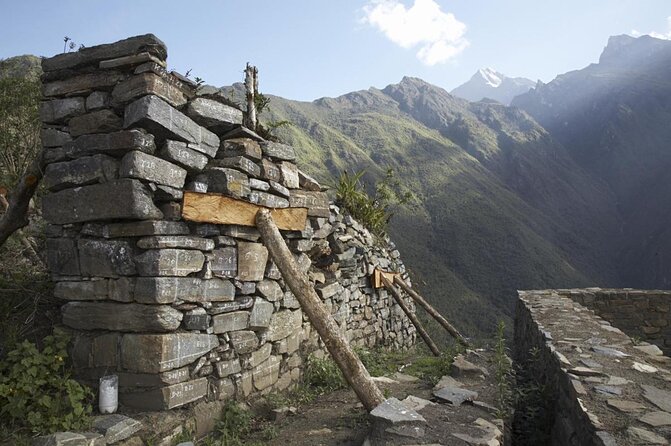
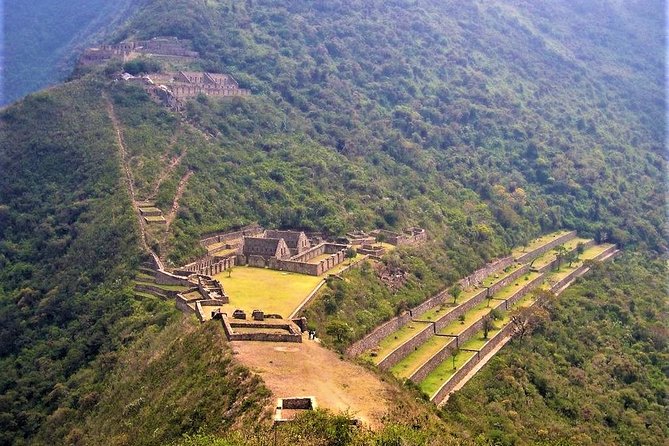
Choquequirao is often described as a lost Inca city, and the real magic is how you arrive. Instead of dropping in and out quickly, you earn the approach with long descents and climbs, so when you finally reach the citadel, it feels like you belong there for a while.
The trek also places you in a big geologic story. Early on, you look out toward the Apurimac canyon, one of Peru’s deepest cuts, and you can literally feel the terrain change as the trek progresses. One day you’re in high Andean conditions, and the next you’re surrounded by cloud-forest vibes where birds and waterfalls show up in the distance.
This is the type of trip where the details matter. A good guide and a solid camp system change the whole experience, because your body is doing the work and your mind deserves to enjoy the views.
Cusco pickup and the early drive to Capuliyoc
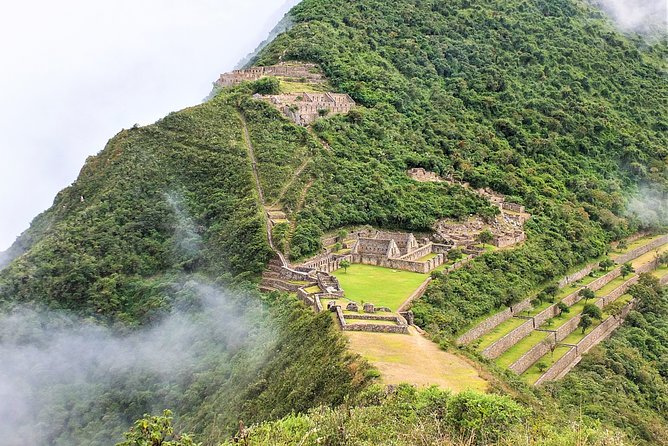
You’ll get moving fast. Departures from Cusco are scheduled between 4:30 am and 5:00 am, then you drive across the Andes and arrive around 8:30 am in Capuliyoc. Breakfast comes soon after arrival, which is a big deal when your day starts before the sun is fully up.
Why this matters: the early start gives you daylight for the hiking that follows, and it also helps you keep the pace realistic across 4 long days. If you’re worried about getting enough acclimation time, don’t assume you’ll feel perfect just because it’s “only moderate” on paper. At these elevations, even a smooth day can still make your breath work harder.
This is also where the round-trip planning earns points. You’re not trying to coordinate rides at the last minute or figure out how to get yourself back out after the trek. That is real value, especially if it’s your first time trekking in Peru.
Day 1: Capuliyoc downhill, Chiquiska lunch, Santa Rosa camp
Day 1 sets the tone with a downhill start and the first big canyon moments. From Capuliyoc (listed around 2,911 m / 9,550 ft), you hike downhill about 4 hours to your lunch stop at Chiquiska (listed around 1,893 m). You’ll gradually start seeing the Apurimac canyon, and the view is not one single postcard scene. It’s layers, different elevations, different vegetation, and that sense that you’re walking into a giant valley.
After lunch, you continue down for about 2 more hours to Santa Rosa, where you camp for the night. The walking totals about 10.8 km (6.7 miles) and roughly 6 hours of hiking.
One practical thing I like about this day: it gives your legs a chance to learn the route without starting with a brutal uphill right away. Still, don’t underestimate downhill hiking. Your knees will feel it if you’re not used to long descents, and the altitude shift still makes your body work.
Day 2: Marampata day and the steady walk toward the next camp
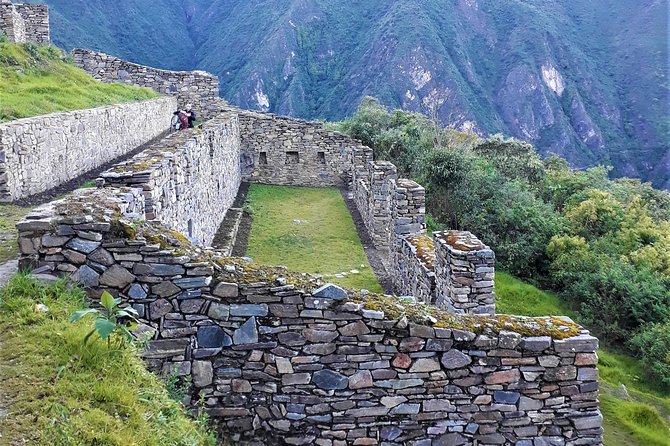
Day 2 keeps the momentum going with another long day of hiking and canyon-to-forest transitions. The trek day is paced for about 6 hours of hiking, covering 10.8 km (6.7 miles), and it centers again on the key points of lunch at Chiquiska (around 1,893 m) and camping at Santa Rosa (around 1,478 m).
The tour highlights frame Day 2 as Marampata to the Choquequirao approach. Even if the terrain details shift day to day, the purpose stays clear: you’re gradually moving into the zone where the air feels cooler, the vegetation changes, and the route begins to feel more wild and remote.
This is the day where the small-group setup pays off. When you’re not stuck in a big line, it’s easier for your guide to adjust pacing, answer questions, and help the group stay comfortable. And since your team includes guide, chef, and porter support, you spend your energy on walking, not problem-solving.
Also, entry tickets are included for the trek experience on the provided days, so you’re not scrambling for paperwork once you’re already out there hiking.
Other Andean routes worth the acclimatisation

Day 3: Sunrise at Choquequirao, downhill then uphill to Chiquiska
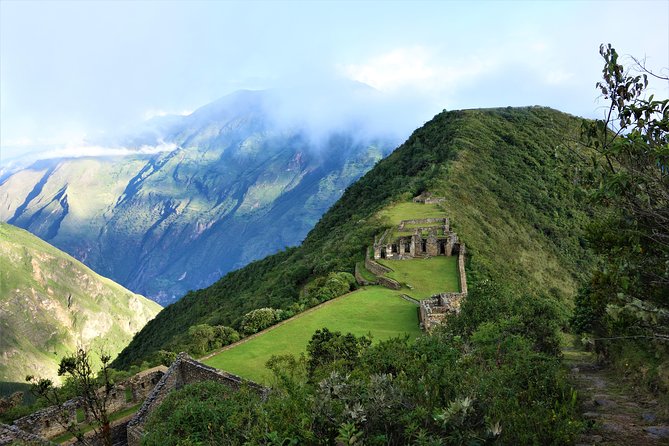
Day 3 is the big one. You wake up to sunrise at the citadel, then after breakfast you start with a downhill segment toward Santa Rosa for lunch (listed around 2,230 m). That downhill portion is about 3 hours, and then you continue with another downhill stretch before switching back to uphill for about 2 hours to reach your campsite near Chiquiska.
The total walking time is about 8 hours over 8 km (11.32 miles). That mix tells you something important: the distance is shorter, but the route has more varied climbing. Highest elevation crossed is listed around 3,100 m (9,300 ft), which explains why this day can feel harder even when the kilometers look friendly.
This is also the day where your senses get busy in a good way. The area around the route is described as rich with birds and flowers, and there can be waterfalls in the distance. It’s not just about reaching the ruins, it’s about how the approach changes your attention.
If you like archaeology but also like nature, this day hits both. And because you’re already at Choquequirao in the early light, the citadel experience has room to breathe.
Day 4: Climb back to Capuliyoc, then Saywite’s mysterious rock
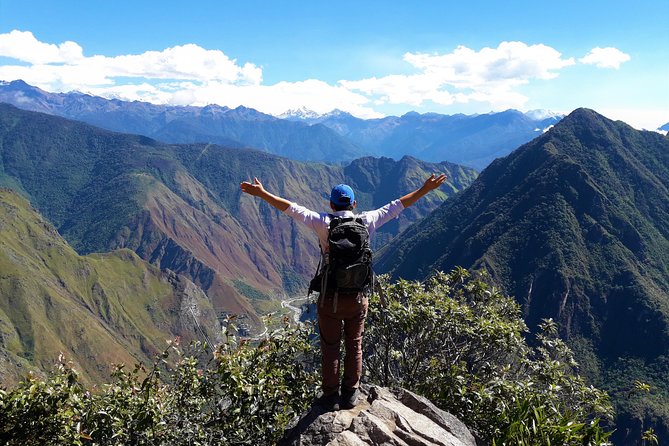
On the final day, you start with breakfast and then tackle the last main hike: about 4 hours uphill back to Capuliyoc, where you have lunch and say goodbye to the team that carried the logistics. Expect a full hiking day in the 8-hour range overall.
After lunch and goodbyes, you take a private transportation ride to Saywite, an archaeological site centered on a rock formation the tour describes as mysterious. You’ll have time to explore Saywite before drop-off back around 5 pm.
Why I like this ending: it gives you a final cultural stop without turning Day 4 into another marathon. You finish the big trek effort, then get a bonus site that feels like part of the same region’s Inca story.
If you’ve been thinking about “How do I keep the last day from feeling like a chore?” this structure helps.
The crew experience: guides, chef, porters, and horseman support
This trek is not just a walking route. It’s a moving camp with a real team behind it.
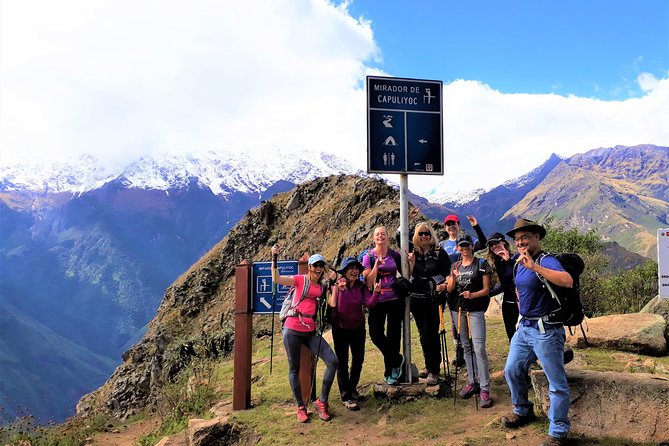
From names shared in the tour experience, you might be guided by people such as Elias, Sebastian, Abelardo, Eddie, Gary, Renato, and others. The guides are consistently described as patient, positive, and supportive, and they tend to connect what you see on the trail to Inca and regional culture.
Food is where the team really flexes. Chefs mentioned include Leandro, Oscar, Lucio, Valvino, Julio Cesar, and Balbino, who got a fun nickname in the group. The point you should care about is practical: you’re eating several times a day for multiple days at altitude, and it’s handled well enough that people feel taken care of.
Porters also matter. You get a personal porter for your staff weight up to 7 kg, and horseman support is part of how the camp system moves from place to place. That usually means less for you to carry and more time for your legs and lungs to focus on the trek.
Meals on the trail: what you actually get each day
The tour includes meals with 4 breakfasts, 4 lunches, and 3 dinners. A chef prepares everything, and there’s a vegetarian option available if you request it at booking.
What stands out from the way this gets described is not just that food exists, it’s that it’s varied and arrives in a way that makes sense for trekking life. Over 4 days, people talk about meals that don’t feel like repeats, and about meals that stay clean and well handled even while the trek continues.
Practical note: if you have dietary needs, tell the operator at booking. The tour data explicitly says vegetarian options are available and that you should advise specific dietary requirements in advance.
Hiking difficulty: moderate on paper, serious in real altitude
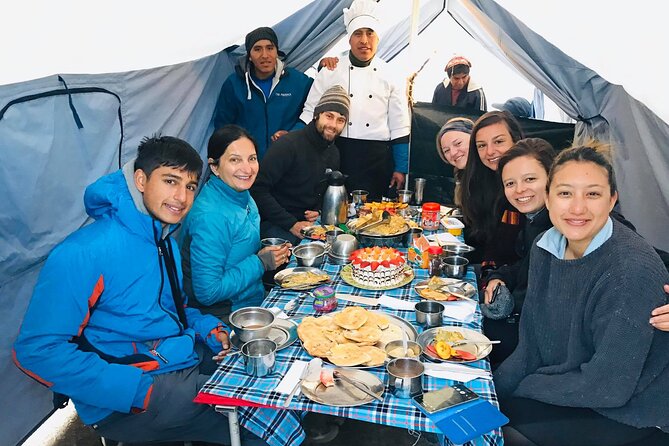
The trek is labeled moderate across the days, but “moderate” in Peru can still mean tough days. You’re hiking roughly 6 to 8 hours on multiple days, and you’re moving through high elevations.
Here are the elevation signals that matter:
- Day 1: highest point listed around 2,911 m
- Day 3: highest point listed around 3,100 m
- Day 4: highest point listed around 2,850 m
That means you should plan for breath work and slower pacing, especially early on. It’s also why the early start time matters. Starting at 4:30 am helps you use stable morning conditions and keeps you from being caught in late-day weather changes.
Also, remember the porter limit: your personal staff up to 7 kg is supported, but you still need to carry what’s essential for yourself. Pack with that in mind. If you bring too much, you’ll end up carrying more than you want.
Transfers, tickets, and the real value of the $698 price
At $698 per person, this is not a budget hike. But when you break down what’s included, the price starts to make sense.
You get:
- Round-trip transfers from your hotel (or the airport) and private transport at the end
- A pre-departure briefing the night before at 6:00 pm
- Professional English speaking tour guides
- A chef preparing all meals
- Personal porter support up to 7 kg
- Entry tickets included on the trek days
So you’re paying for a full system: guides, camp support, food, and logistics. That’s often where group treks justify their cost. If you had to replicate this on your own, you’d spend time coordinating guides, cooks, permits or tickets, and transport.
What’s not included is also clear, and it helps you plan: mattress, sleeping bag, and trekking poles are optional. The operator says they can offer guidance, but you’ll likely need to bring or rent what you prefer.
If you want the convenience of a team doing the coordination, and you want to reach Choquequirao without turning your trip into a project, this price structure is pretty fair.
Practical planning: fitness, sleep gear, and the 7 kg porter rule
The tour asks for a moderate physical fitness level, and the schedule suggests you’ll be hiking multiple full days in the 6 to 8 hour range. If your training is mostly casual walks, you may still finish, but it will likely feel grindy. If you already hike with some steep elevation and can handle 1 to 2 hours at a time without stopping too often, you’re in a better spot.
For gear, the key line is that sleeping bag, trekking poles, and mattress are optional and not included by default. If you don’t want to worry about what to bring, confirm what’s available for your specific departure date and ask for guidance.
Finally, bring your paperwork. A current valid passport is required on the day of travel, and passport details are needed at booking for all participants. This is one of those small details that can derail your start if you wait too long.
Should you book this Choquequirao trek?
Book it if you want:
- Small-group trekking with a team handling meals and camp support
- A full-day approach to Choquequirao, including sunrise at the citadel
- Big Apurimac canyon viewpoints plus cloud-forest feeling in the later parts of the hike
- Less carrying than you’d expect, thanks to porter support up to 7 kg
Skip it (or choose a different style) if you:
- Want a short, easy walk with minimal elevation
- Struggle with early mornings, steep hiking, or being at higher elevations
- Don’t want to plan for optional trekking and sleeping gear (sleeping bag and trekking poles are not included)
If you’re choosing between a quick tour and a real trekking experience, this one leans into the real part in a good way. You’ll work for it, then you’ll get time in a place that feels earned.
FAQ
What time do departures start from Cusco?
Departures from Cusco are scheduled between 4:30 am and 5:00 am.
How high will I hike on this trek?
The highest elevation listed includes about 2,911 m (Day 1) and up to about 3,100 m (Day 3). Camp elevations are also provided per day.
What’s included in the $698 price?
Transportation is included from start to finish, plus an overnight briefing at 6:00 pm, a chef for all meals, an English speaking guide, and personal porter support for up to 7 kg. Meals are included as 4 breakfasts, 4 lunches, and 3 dinners, and admission tickets are included for the trek days listed.
Is there a vegetarian option?
Yes. Vegetarian options are available if you advise at the time of booking. You should also share any specific dietary requirements when you book.
Do I need to bring a sleeping bag and trekking poles?
Mattress, sleeping bag, and trekking poles are not included, but the provider says they can offer guidance on what to bring.
Do I need a passport, and what details are required?
A current valid passport is required on the day of travel. Passport name, number, expiry, and country must be provided at the time of booking.
Is there free cancellation?
Yes. You can cancel for a full refund up to 24 hours before the experience’s start time, and the experience offers free cancellation under that rule.
Andean Routes Worth the Climb
- From Cusco: 7 Lakes Ausangate Trek with Breakfast and Lunch
★ 4.8 · 360 reviews - Cusco: Rainbow Mountain Tour and Red Valley Hike (Optional)
★ 4.7 · 149 reviews - Cusco: Full-Day Rainbow Mountain & Red Valley Trekking Tour
★ 4.5 · 121 reviews - Salkantay Trek Challenge – 3 Days / 2 Nights
★ 5.0 · 101 reviews - From Cusco: Rainbow Mountain Trek
★ 4.5 · 98 reviews
More Tour Reviews in Cusco
- Cusco: Humantay Lake Tour with Breakfast and Buffet Lunch
★ 4.9 · 2,976 reviews - From Cusco: Moray, Maras Salt Mines & Chinchero Weavers Tour
★ 4.8 · 1,925 reviews - From Cusco: Full-Day Group Tour of Machu Picchu
★ 4.7 · 1,767 reviews - Machu Picchu Day Trip from Cusco
★ 4.5 · 1,644 reviews - Cusco: Half-Day City Tour with Sacsayhuaman and Q’enco
★ 4.6 · 1,129 reviews
Lares, Choquequirao and Beyond
- Ancascocha Trek To Machu Picchu 4 Days And 3 Nights
★ 5.0 · 77 reviews - 4-Day Inca Jungle Adventure, Mountain Biking, Rafting and Zipline
★ 5.0 · 60 reviews - Classic Choquequirao Trek – 5 Days / 4 Nights
★ 5.0 · 52 reviews - 4 Days Inca Jungle to Machu Picchu Standard
★ 4.5 · 48 reviews - 4-Day Lares Trek to Machu Picchu from Cusco
★ 5.0 · 47 reviews
Freshly reviewed across Cusco
- Excursion Cusco – Puno – Titicaca Observatory Train★ 5.0 · 3 reviews
- Sacred Valley Vip Cusco★ 4.7 · 3 reviews
- Cusco | Humantay Lake 1-Day Tour with Breakfast and Lunch★ 5.0 · 3 reviews
- Full-Day Condor Viewpoint & Inca Sites Tour★ 5.0 · 3 reviews
- Best of Cusco: Private Walking Tour with a Local★ 3.6 · 3 reviews
- From Cusco: Full-Day Private Sacred Valley Tour★ 5.0 · 3 reviews
Alternative Treks to Machu Picchu side by side.
 ★ 5.0Ancascocha Trek To Machu Picchu 4 Days And 3 NightsFrom $73077 reviews
 ★ 5.04-Day Inca Jungle Adventure, Mountain Biking, Rafting and ZiplineFrom $37860 reviews
 ★ 5.0Classic Choquequirao Trek – 5 Days / 4 NightsFrom $73552 reviews
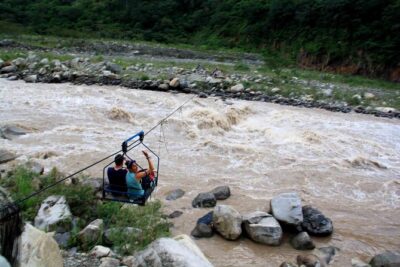 ★ 4.54 Days Inca Jungle to Machu Picchu StandardFrom $45548 reviews
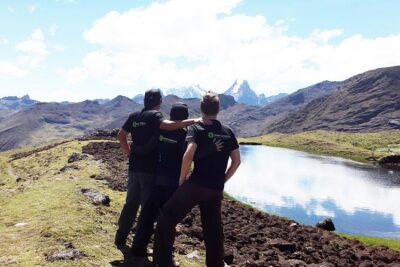 ★ 5.04-Day Lares Trek to Machu Picchu from CuscoFrom $84747 reviews
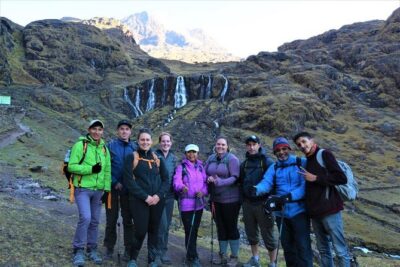 ★ 5.0Ultimate Lares Trek & Inca Trail 5 daysFrom $98047 reviews
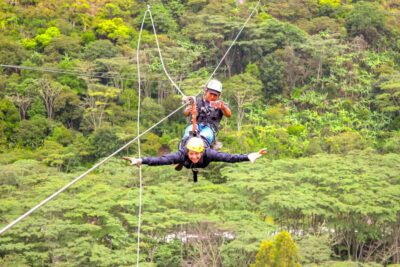 ★ 4.8From Cusco: 4-Day Inca Jungle Adventure to Machu PicchuFrom $51945 reviews
 ★ 5.0Inca Jungle Premium to Machu Picchu 4-Day and 3-NightsFrom $55040 reviews
Also on these Peru lists