
REVIEW · ALTERNATIVE TREKS TO MACHU PICCHU
Classic Choquequirao Trek – 5 Days / 4 Nights
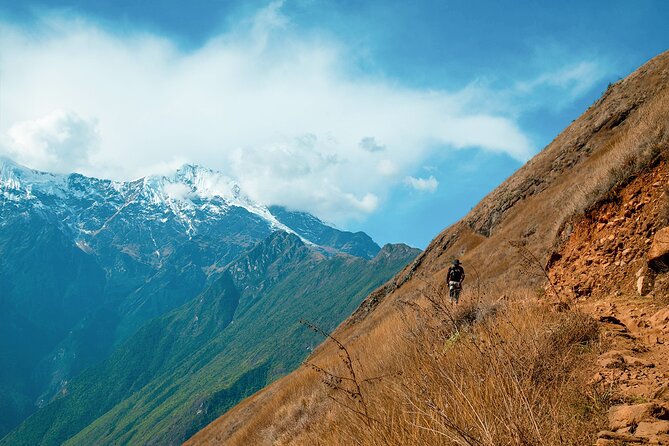
Choquequirao feels like a secret in motion. This Classic Choquequirao Trek turns a very early start into a full-on journey through the Apurímac Valley, with glacier views near the top and big canyon light as you go. I especially like how the first day funnels you toward Chiquisca with dramatic drops and mountain scenery.
The second thing I really like is how much the logistics are handled for you. Your mule team and cooks do the heavy lifting, and you get set up in camp with high-quality tents, daily snacks, and real meals after long hiking days. In reviews, guides such as Guido, George, and Caesar are praised for keeping the group motivated, plus a chef setup that goes beyond basic trail food.
One possible drawback: this is a challenging trek. You’ll be hiking long days at high altitude, and you need to come fit and acclimated for it to feel rewarding instead of miserable.
In This Review
- Key Highlights You’ll Actually Care About
- Why the Classic Choquequirao Trek Starts Before Most People Wake Up
- Cachora and Capuliyoc: Glacier Views and a Team That Handles the Work
- Chiquisca Descent Day: Fruit Crops, Canyon Views, and a Warm Camp
- Marampata and Playa Rosalina: The Trek’s Tough Middle
- Choquequirao Inca Citadel: The Main Event at 3,050 m
- The Return Route: Santa Rosa Alta, Cold River Time, and a Home Visit
- Saywite Monolith and Conoc Hot Springs: Finishing With Meaning, Not Just Mileage
- What $735 Buys You, From Tents and Meals to Satellite Phones
- Who This Trek Fits Best, and Who Should Rethink It
- Should You Book This Classic Choquequirao Trek?
- FAQ
- What time do you start the Classic Choquequirao Trek?
- Is the group size small?
- How many nights are you camping, and what’s included?
- Do porters carry my luggage?
- Do I need to bring a sleeping bag and trekking poles?
- Is Choquequirao entrance and guiding included?
- What safety and communication items are provided?
- What happens if the trek is canceled due to poor weather or too few travelers?
Key Highlights You’ll Actually Care About
- Start time that beats the heat, with hotel pickup and early departure from Cusco
- Apurímac canyon viewpoints at golden hour, plus time to enjoy stargazing from camp
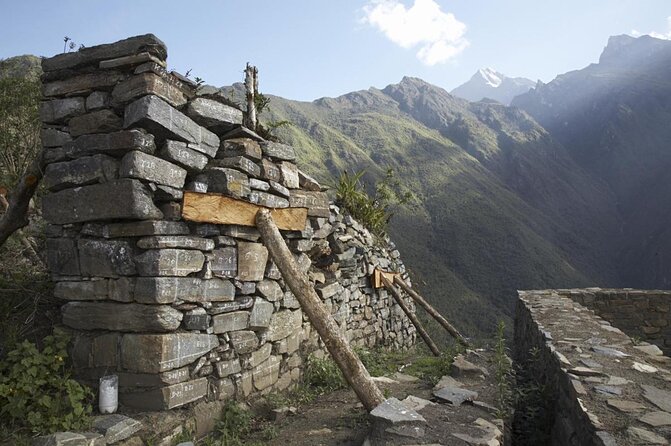
- Choquequirao guided day at about 3,050 m, with terraces, temples, plazas, and the famous white llama stone carvings
- Camp comfort that matters after hard climbs, including inflatable mattress options and tent setup
- Strong safety and comms with walkie-talkies, emergency satellite phones, first aid kit, and oxygen supply
- Cultural stop back on the return route, including a family visit at Chiquisca and a sacred-site finale at Saywite
Lares, Choquequirao and quieter approaches
- Choquequirao Trek 4 days and 3 nights
★ 5.0 · 81 reviews - Ancascocha Trek To Machu Picchu 4 Days And 3 Nights
★ 5.0 · 77 reviews - 4-Day Inca Jungle Adventure, Mountain Biking, Rafting and Zipline
★ 5.0 · 60 reviews - Classic Choquequirao Trek – 5 Days / 4 Nights
★ 5.0 · 52 reviews
Why the Classic Choquequirao Trek Starts Before Most People Wake Up
The trek begins at an early 4:00 am meeting time, with transport starting around 4:30 am from your Cusco hotel. That early push sounds like a lot until you realize what it does for the whole experience: cooler air for your first hiking efforts, less time fighting midday sun, and smoother timing for getting into the canyon rhythm of the days ahead.
You’ll spend that first morning moving toward Cachora, where you catch sweeping views connected to Peru’s glacier scenery, including Salkantay and Humantay. It’s a smart way to start the journey because it gives you perspective fast. You’re not just starting a hike, you’re being placed into a region of extreme elevation and dramatic geography.
If you’ve never done high-altitude trekking before, plan your body carefully. The trip explicitly recommends arriving in Cusco at least two days early to adjust to altitude. That’s not overkill. With a route that includes big ascents and descents, acclimatization can be the difference between enjoying the views and feeling wrecked.
Cachora and Capuliyoc: Glacier Views and a Team That Handles the Work
Day 1 does two important jobs for you. First, it connects the altitude story to real scenery, with those early views near Cachora. Second, it brings you to Capuliyoc, where you’ll meet the cooks and muleteers.
That matters more than it sounds. Once the porters and mule team take care of the camping equipment and your personal belongings, your hike becomes about your legs, not logistics. You also get a duffel bag for personal items up to 5 kg (11 lb) carried by the porters. Pack this like a pro: the items you’ll want access to during the day, not everything you own.
You’ll also see how the small-group vibe works. The tour is described as a small-group experience, up to 10 people, with a stated maximum of 12 travelers. That’s big enough to feel social, but small enough that you can usually keep your pace and get attention when you need it.
Chiquisca Descent Day: Fruit Crops, Canyon Views, and a Warm Camp
After breakfast, the day’s hiking begins with a long descent toward Chiquisca. This section is described as about a 3-hour descent, and it’s the kind of trail that teaches you a key trek skill quickly: controlling your pace on the way down.
Chiquisca sits in a valley with fruit crops, which is a nice contrast to the harsher mountain slopes you’ll see later. Along the trail, you can admire the Apurímac Valley, plus mountains such as Padreyoc and Qoriwayrachina. If you’re lucky, you might even see condors circling above the valley. Even when you do not, the valley feel is real, wide, and dramatic.
In the afternoon, you arrive at the warm Chiquisca camp. That part is underrated. The trek isn’t just about “making it.” It’s about getting to a camp where you can eat, sleep, and reset. With dinner included on 4 of the 5 days, you’ll have a real routine instead of living on snacks and willpower.
Marampata and Playa Rosalina: The Trek’s Tough Middle
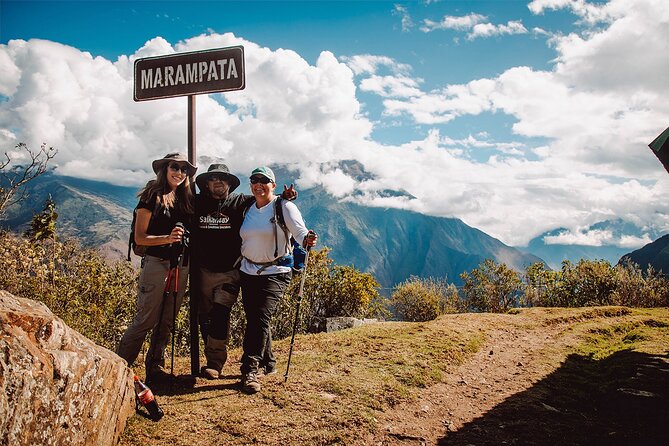
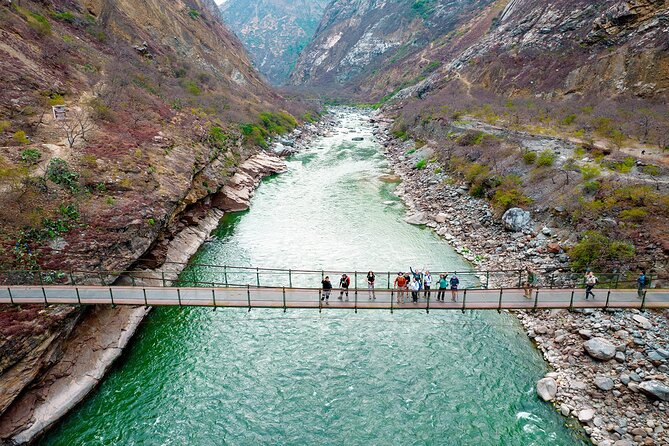
Day 2 is where the trek turns from a strong start into the hardest work. You’ll head toward Marampata, with an ascent of about 1 hour early on. Then comes a one-hour descent to Playa Rosalina, described as the lowest point in the valley.
Crossing the footbridge is part of the shift from “descending” to “the challenging section.” The itinerary notes that after the footbridge, this is the toughest part of the trek that day. Translation: don’t treat Day 2 like a stroll. This is where trekking poles can help (even though trekking poles aren’t included, you may want to bring or rent them elsewhere), and where pacing matters.
You’ll lunch in the village of Santa Rosa, then keep going for about 3 more hours zigzagging uphill to Marampata camp. It’s a brutal geometry of trails, but it also gives you time to breathe and look. In late afternoon, the sun paints the mountains and the Apurímac Valley in orange tones. When day ends, dinner and a starry sky finish the day off the way Peru’s high country often does.
Other Andean routes worth the acclimatisation
Choquequirao Inca Citadel: The Main Event at 3,050 m
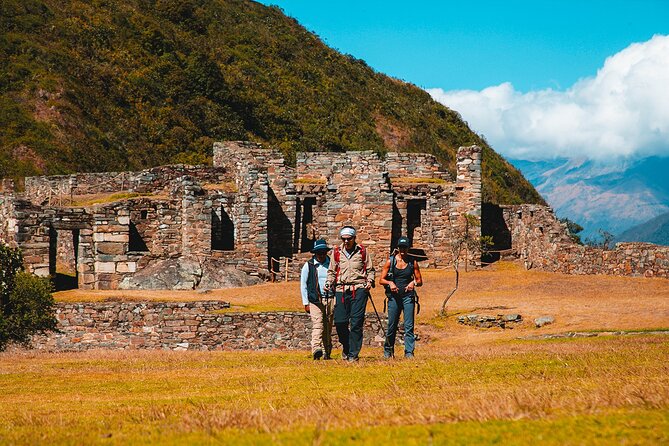
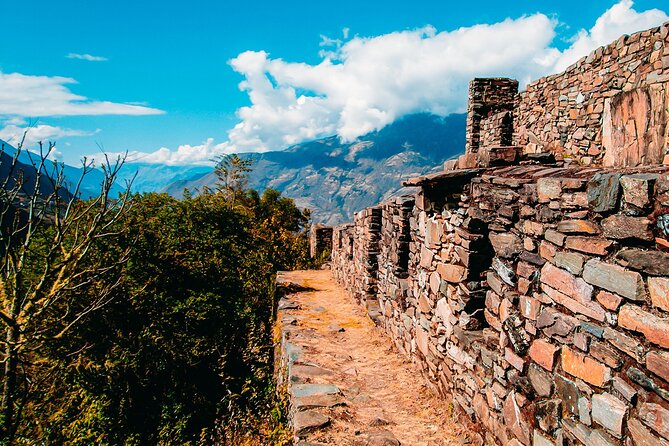
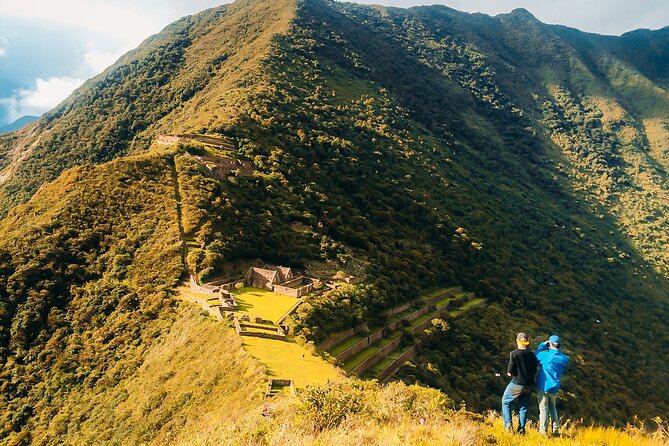
On Day 3, you get the full Choquequirao experience with a guided exploration. You’ll start with breakfast, then travel about an hour from Marampata to the site area. After that, you have the day to explore Choquequirao, which sits around 3,050 m (10,007 ft).
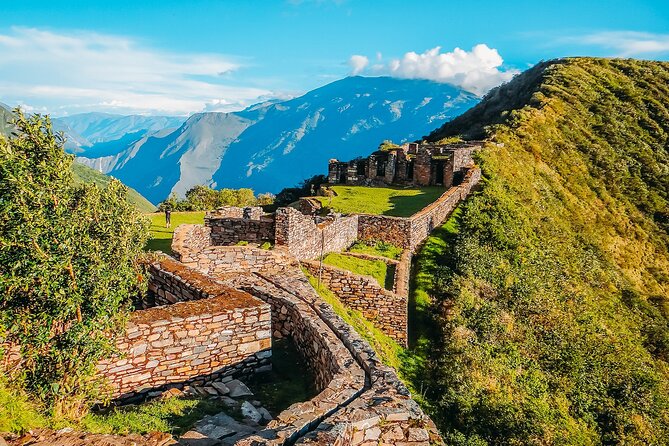
Here’s what makes Choquequirao special for your trip planning. It’s described as being even larger than Machu Picchu, and it’s tucked among mountains near the deepest canyon in South America. You’re seeing Inca building in a place where the setting is half the story.
Your guide walks you through plazas, temples, and agricultural terraces, with context on how the Inca engineered farming on difficult terrain. There’s also a famous detail: white llama carvings in stone on the platforms. The tour notes an estimated only 40% of the site is visible, which helps explain why the complex can feel big even when you’re seeing the most accessible parts.
Lunch is part of the day too, with a picnic included. This is valuable because it keeps you from having to manage time while you’re trying to absorb a site like this.
In reviews, guides such as Roman and Guido are highlighted for motivation and for making the route and the history land in a way that stays with you. You can expect a day that feels like more than walking, it’s interpretation plus time to look.
The Return Route: Santa Rosa Alta, Cold River Time, and a Home Visit
Day 4 is both a goodbye and a new kind of challenge because you’re moving away from Choquequirao while still carrying tired legs. You begin your return from Choquequirao, and you’re also given a last view of the canyon from Marampata.
Then the trail becomes more than “go back the way you came.” You walk about 2 hours to Santa Rosa through lush vegetation, with lunch there. This shift into more vegetation is a real morale booster if you’re starting to feel the days stacking up.
Next comes Rosalina Beach and the Apurímac River. The itinerary says you can cool off in the cold waters, before ascending to Chiquisca. That cold water stop is the kind of simple perk you’ll remember later. It’s not luxury, but it helps your body recover and your brain reset.
The most human moment on Day 4 is the Chiquisca home visit. A local family welcomes you, and you get a chance to learn about Andean customs and the deep connection to Pachamama. That cultural stop can be the part that makes the trek feel grounded in real community, not just scenery.
Dinner and rest at camp end the day, and you go into Day 5 with enough time to still feel proud, not destroyed.
Saywite Monolith and Conoc Hot Springs: Finishing With Meaning, Not Just Mileage
On the last day, you start early again to avoid intense sun. You’ll hike for about 2 hours from Chiquisca, then continue roughly 4 hours to Capuliyoc, where you say goodbye to the trekking team.
This is a good time to appreciate what you got from the support staff. Multiple reviews praise guides for constant check-ins, plus the cook team and mulemen for carrying everything. One reviewer also specifically credits support and humor for keeping spirits up, which is exactly what you want on the final push.
After Capuliyoc, private transport brings you to Saywite Monolith. This sacred site has more than 200 carved figures, valued by the Incas. It’s a fitting contrast to Choquequirao, because it’s less about walking a whole complex and more about seeing a concentrated sacred statement.
Then you hit Baños Termales de Cconoc, hot springs on the way back to Cusco. The hot springs stop is included, and it’s a practical reward. Cold river water earlier in the trek and warm water here later can help your body feel human again.
You arrive in Cusco around 6:00 pm and get transferred to your accommodation.
What $735 Buys You, From Tents and Meals to Satellite Phones
At $735 per person, this trek is not cheap for Peru. The key is what the price includes, because this tour builds value into the parts people often underestimate.
You get:
- Entrance to the Choquequirao archaeological site
- A licensed bilingual guide
- Private transport and transfers around the route
- All camping accommodation and equipment for 3 nights in high-quality tents for 2 people
- Porters to carry camping equipment
- Transportation of personal belongings, plus a duffel bag system for up to 5 kg
- Water, tea time, and daily snacks on the trail
- Walkie-talkies and emergency satellite phones
- A first aid kit and oxygen supply
- A portable travel toilet
- Meals: breakfast (5), lunch (5), dinner (4)
The safety package is worth pausing on. Walkie-talkies plus emergency satellite phones, plus oxygen supply, is the kind of detail that matters when you’re hours away from a road. You’re also getting first aid support and daily structure via briefings.
From the reviews, the other big value is food. People repeatedly describe meals as beyond expectations, and guides like George and Anthony are praised for supportive briefings and motivation. One review even mentions fresh cakes and very attentive support for a gluten-free diet. That tells you the kitchen is not just reheating stuff and hoping for the best.
What’s not included is also important for budgeting. You’ll need to bring your sleeping bag and trekking poles. Personal hiking clothing and equipment are on you too, and travel insurance is recommended. Day 5 dinner in Cusco is not included.
Who This Trek Fits Best, and Who Should Rethink It
This tour fits you best if:
- You have strong physical fitness and can handle long hiking days with big elevation changes
- You’re coming to experience a high-altitude trek with real camp life, not just a sightseeing walk
- You appreciate guided context at Choquequirao, including architecture and Inca terrace systems
- You want a small group with steady support, including guides who focus on motivation
You should rethink it if:
- You’re not comfortable with intense trekking at altitude
- You’re expecting easy hiking or short days
- You want a fully all-inclusive gear list (sleeping bag and trekking poles are not included)
Also note the tour advises arriving in Cusco at least 2 days early to acclimate. Don’t skip that if you can help it. Altitude can turn even good weather into a bad day.
If you have dietary needs, plan ahead. Vegetarian or vegan options are available if you advise at booking. One review highlights excellent gluten-free attention, which is a promising sign that the kitchen can handle more than just vegetarian meals.
Should You Book This Classic Choquequirao Trek?
Book it if you want a tough, rewarding trek where Choquequirao is the main star and the support is strong. The combination of guided site time, a well-run camping setup, and real safety gear makes it a serious adventure you can actually enjoy instead of just survive.
Hold off if you’re unsure about your altitude and hiking readiness. This trek asks a lot from your body. If you come prepared, the scenery, the canyon light, the condor chance, the home visit in Chiquisca, and the final soak in Conoc hot springs can feel like one long, unforgettable loop.
If you’re ready for a physically demanding Andes experience with solid organization, this is a strong choice.
FAQ
What time do you start the Classic Choquequirao Trek?
You’ll have a 4:00 am start time, with transport beginning from your Cusco hotel around 4:30 am.
Is the group size small?
Yes. It’s listed as a small-group tour for up to 10 people, with a maximum of 12 travelers.
How many nights are you camping, and what’s included?
You spend 3 nights in tents. Camping accommodation and equipment are included, and you also get porters, a dining setup, daily snacks, and meals.
Do porters carry my luggage?
Yes. Porters carry all camping equipment, and your personal items go in a duffel bag (up to 5 kg / 11 lb).
Do I need to bring a sleeping bag and trekking poles?
Sleeping bag and trekking poles are not included, so you’ll need to bring or arrange them separately.
Is Choquequirao entrance and guiding included?
Yes. Entrance to the Choquequirao archaeological site is included, and you’ll tour the complex with a licensed bilingual guide.
What safety and communication items are provided?
The tour includes walkie-talkies, emergency satellite phones, a first aid kit, and an oxygen supply.
What happens if the trek is canceled due to poor weather or too few travelers?
The experience requires good weather, and if it’s canceled due to poor weather, you’ll be offered a different date or a full refund. If it’s canceled because the minimum number of travelers isn’t met, you’ll be offered a different date or a full refund.
Andean Routes Worth the Climb
- From Cusco: 7 Lakes Ausangate Trek with Breakfast and Lunch
★ 4.8 · 360 reviews - Cusco: Rainbow Mountain Tour and Red Valley Hike (Optional)
★ 4.7 · 149 reviews - Cusco: Full-Day Rainbow Mountain & Red Valley Trekking Tour
★ 4.5 · 121 reviews - Salkantay Trek Challenge – 3 Days / 2 Nights
★ 5.0 · 101 reviews - From Cusco: Rainbow Mountain Trek
★ 4.5 · 98 reviews
More Tour Reviews in Cusco
- Cusco: Humantay Lake Tour with Breakfast and Buffet Lunch
★ 4.9 · 2,976 reviews - From Cusco: Moray, Maras Salt Mines & Chinchero Weavers Tour
★ 4.8 · 1,925 reviews - From Cusco: Full-Day Group Tour of Machu Picchu
★ 4.7 · 1,767 reviews - Machu Picchu Day Trip from Cusco
★ 4.5 · 1,644 reviews - Cusco: Half-Day City Tour with Sacsayhuaman and Q’enco
★ 4.6 · 1,129 reviews
Lares, Choquequirao and Beyond
- Choquequirao Trek 4 days and 3 nights
★ 5.0 · 81 reviews - Ancascocha Trek To Machu Picchu 4 Days And 3 Nights
★ 5.0 · 77 reviews - 4-Day Inca Jungle Adventure, Mountain Biking, Rafting and Zipline
★ 5.0 · 60 reviews - 4 Days Inca Jungle to Machu Picchu Standard
★ 4.5 · 48 reviews - 4-Day Lares Trek to Machu Picchu from Cusco
★ 5.0 · 47 reviews
Freshly reviewed across Cusco
- Excursion Cusco – Puno – Titicaca Observatory Train★ 5.0 · 3 reviews
- Sacred Valley Vip Cusco★ 4.7 · 3 reviews
- Cusco | Humantay Lake 1-Day Tour with Breakfast and Lunch★ 5.0 · 3 reviews
- Full-Day Condor Viewpoint & Inca Sites Tour★ 5.0 · 3 reviews
- Best of Cusco: Private Walking Tour with a Local★ 3.6 · 3 reviews
- From Cusco: Full-Day Private Sacred Valley Tour★ 5.0 · 3 reviews
Alternative Treks to Machu Picchu side by side.
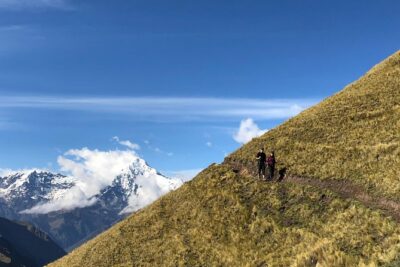 ★ 5.0Ancascocha Trek To Machu Picchu 4 Days And 3 NightsFrom $73077 reviews
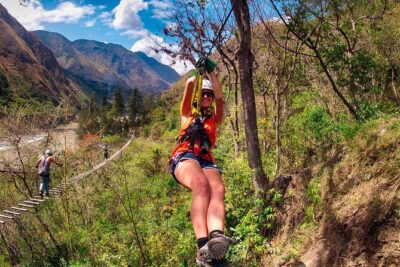 ★ 5.04-Day Inca Jungle Adventure, Mountain Biking, Rafting and ZiplineFrom $37860 reviews
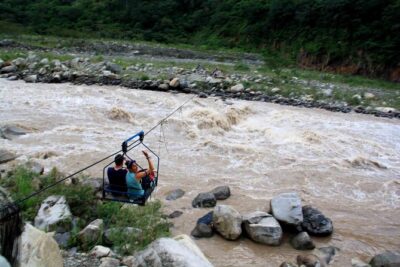 ★ 4.54 Days Inca Jungle to Machu Picchu StandardFrom $45548 reviews
 ★ 5.04-Day Lares Trek to Machu Picchu from CuscoFrom $84747 reviews
 ★ 5.0Ultimate Lares Trek & Inca Trail 5 daysFrom $98047 reviews
 ★ 4.8From Cusco: 4-Day Inca Jungle Adventure to Machu PicchuFrom $51945 reviews
 ★ 5.0Inca Jungle Premium to Machu Picchu 4-Day and 3-NightsFrom $55040 reviews
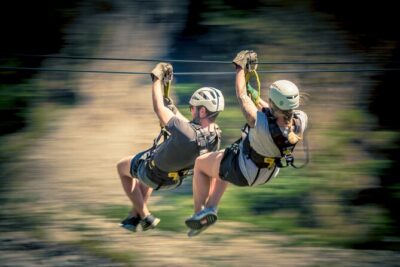 ★ 5.0Inca Jungle 4-Day Tour: Full Adventure to Machu Picchu IncludedFrom $63038 reviews
Also on these Peru lists