
REVIEW · MACHU PICCHU
4-Day Lares Trek to Machu Picchu
Four days of hiking, with far fewer people. This Lares Trek to Machu Picchu swaps the busiest route for the Lares trail, with small Quechua mountain villages, alpine lakes, and serious high passes. I especially like how the itinerary builds in breathing room, so the views and the people you meet actually land, not just rush past.
You’ll also get an organized, high-comfort payoff at the end, with a guided Machu Picchu tour plus solo time to wander at your pace. The one real consideration is altitude plus effort, with passes reaching nearly 14,000 feet (4,400m), so you’ll want strong fitness and the right layers, not just good intentions.
In This Review
- Key reasons this trek earns its 4.9 rating
- Why the Lares Route Feels Like Peru, Not a Conveyor Belt
- Day 1: Cusco to Pumahuanca via the Sacred Valley and an Inca site
- Day 2: The highest pass near 14,000 feet, plus Yanacocha Black Water Lake
- Day 3: A Quechua home visit, alpaca textiles, and Lares hot springs
- Day 4: Guided Machu Picchu early entry, plus solo time and optional peaks
- The train ride, the hotel night, and what you really get to rest from
- What’s included, and how it lowers the stress of planning
- Altitude, fitness, and your real packing list for this trek
- Price and value for a 4-day Lares Trek to Machu Picchu
- Who should book this Lares trek, and who should rethink it
- Should you book this 4-Day Lares Trek to Machu Picchu?
- FAQ
- What time do I need to be ready for pickup?
- How many people are in the group?
- What kind of lodging and sleeping setup is included?
- Are vegetarian meals available?
- Can I visit Huayna Picchu or Machu Picchu Mountain?
- How much personal luggage can I bring?
- Is travel insurance included?
Key reasons this trek earns its 4.9 rating
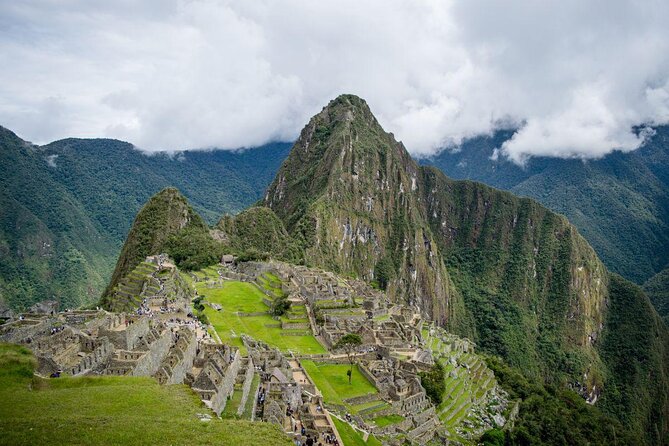
- Lares over the tourist trail, with quieter villages and big mountain scenery
- Nearly 14,000 feet pass, plus a strong mix of uphill, downhill, and lake views
- Ollantaytambo context built in, including Inca agricultural terraces
- Machu Picchu early start, with bus timing designed to help you beat the biggest crowd wave
- Comfort where it counts, like mules carrying gear (including 7 kg of your items), Thermarest mattresses, and an Aguas Calientes hotel night
Other citadel visits, ticket types and start times
- From Cusco: Full-Day Group Tour of Machu Picchu
★ 4.7 · 1,767 reviews - Machu Picchu Day Trip from Cusco
★ 4.5 · 1,644 reviews - Machu Picchu: Full-Day Tour from Cusco with Optional Lunch
★ 4.6 · 927 reviews - Cusco: 4-Day Inca Trail to Machu Picchu with Accommodation
★ 4.8 · 432 reviews
Why the Lares Route Feels Like Peru, Not a Conveyor Belt
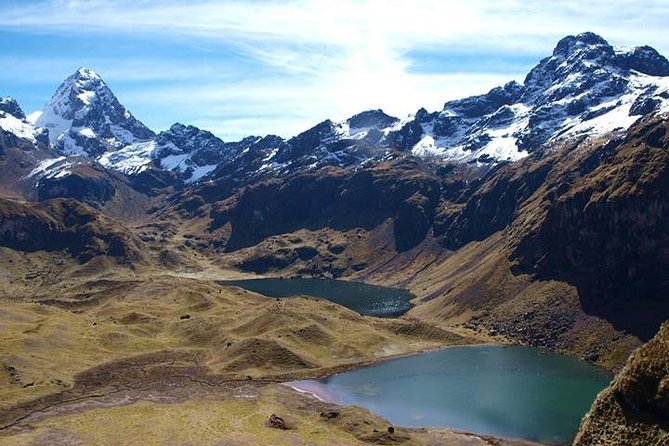
This trek is for you if you want Machu Picchu, but you also want the route to feel human. The Lares approach trades the most crowded corridors for smaller communities, quieter footpaths, and mountain lakes that look like they belong on postcards.
What makes it work is the rhythm. You’re not only walking to a single destination, you’re moving through the Sacred Valley area first, then into higher country where daily life continues in the background, with fields, homes, and local crafts. Even the way the trek is paced across four days helps, because you get big altitude moments, then recovery time built into the next day’s walking.
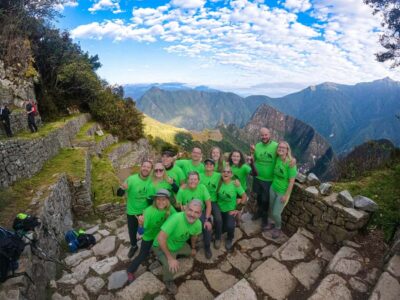
One nice touch for real-life travelers: group size is capped at 15, so it tends to feel controlled and personal rather than chaotic. And when you do see other hikers, you’re usually in a different pocket of the Andes than the main tourist streams.
Day 1: Cusco to Pumahuanca via the Sacred Valley and an Inca site
Your day starts with an early Cusco hotel pickup, with a stated start time of 5:00 am. You’ll ride privately through the Sacred Valley, taking in snow-capped peaks and Andean villages before reaching Pumahuanca (2,950 masl / 9,678 ft.), the trek starting point.
Then comes a steady climb. You’ll hike about 14 km (8.7 mi) and gain around 1,150 m (3,773 ft), moving through native forests, streams, and valley views. This is the day that sets your pace for the rest of the trek, so I recommend keeping effort smooth rather than trying to “win” the first big ascent.
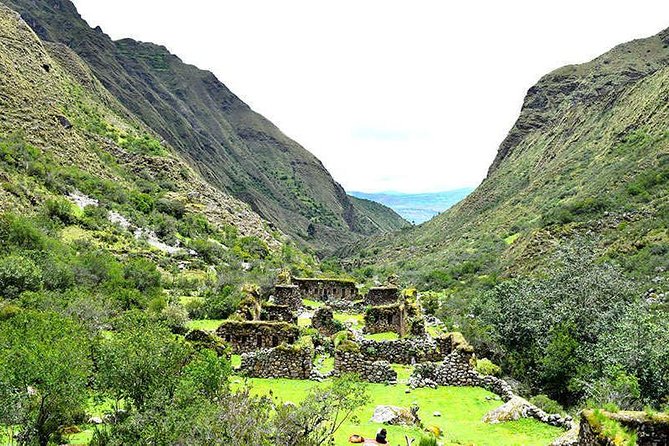
You also visit the Inca site of Pumahuanca, where your guide explains local history, plus flora and birdlife. That added context matters because otherwise the mountains can feel like scenery only. Here, you get a lens for what you’re seeing and why it mattered to people long ago.
Practical note: water is included, but the tour says you’ll need to bring your own for the first 4 hours. I’d plan for that from the start, so you’re not trying to figure it out while you’re still acclimating.
Day 2: The highest pass near 14,000 feet, plus Yanacocha Black Water Lake
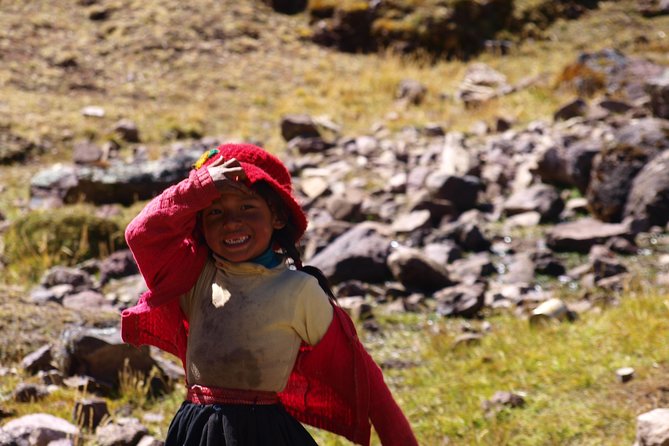
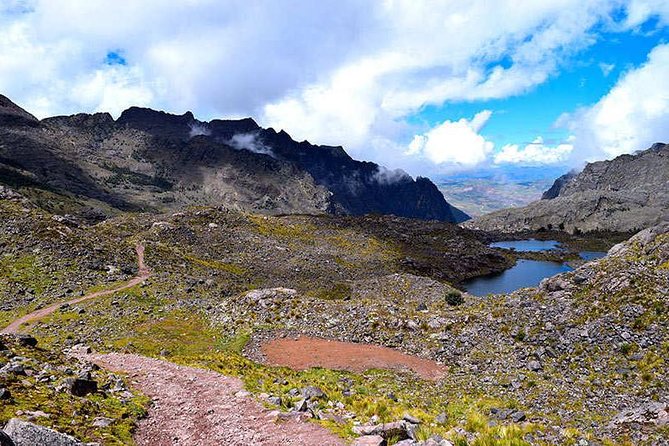
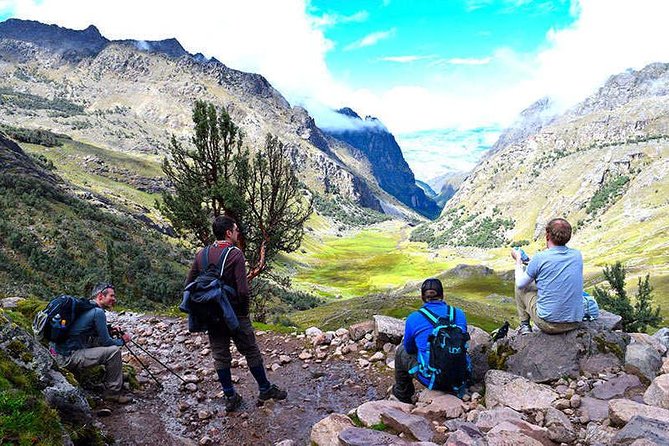
Day 2 is where the trek reminds you you’re in high altitude country. After setting out from the high campsite at Puyoc, you hike about 13 km (8 mi) toward Cuncani (3,900 masl / 12,795 ft.), and most of the day is described as a gentle downhill descent after your key effort.
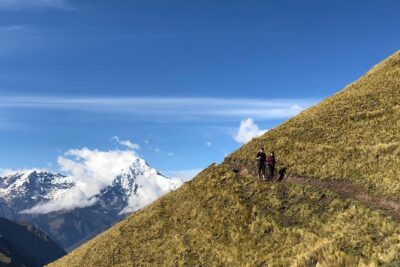
The big moment is the climb to the highest pass. You’ll face roughly a two-hour climb to reach the pass, then enjoy the long stretch down with wide views of snow-capped peaks and remote valleys. This is the day you’ll likely remember for the “now we’re really up here” feeling.
Along the way, you pass mountain lakes, including Yanacocha (Black Water Lake). It’s one of those spots where the scenery feels quiet and heavy at the same time, and it’s exactly the kind of pause that makes a less-crowded trek worth it. You’ll get time to look back and see how far you’ve come, which is motivational on a route that can feel steep.
If you’re someone who gets nervous on steep grades, this day can still be manageable because the route includes downhill travel after the pass. The trick is to take the climb slow, use short breaks, and treat your breathing like a guide for pace, not a personal challenge.
Day 3: A Quechua home visit, alpaca textiles, and Lares hot springs
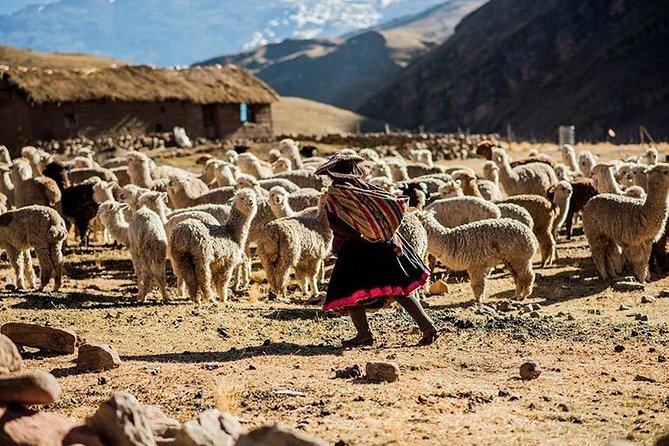
Day 3 is the most “people-forward” day on this itinerary. After an early wake-up, you visit a local home where an Andean family shares traditions. This is the kind of moment that turns a trek from a checklist into a real memory, because you see how culture lives in the same mountain spaces you’re walking through.
You’ll also get a chance to browse handwoven alpaca textiles, known for quality and craftsmanship. The best part is that the visit isn’t presented as a performance. It’s a learning moment, and the tour gives you space to ask questions and interact respectfully. If you pick up a few Quechua phrases, expect to use them and laugh a little in the process, which makes the whole day feel lighter.
After leaving Cuncani, you hike about 6 km (3.7 mi), described as a gentle descent toward Lares hot springs (3,150 masl / 10,334 ft.). The route passes quinoa and tarwi fields, so you’re not just walking through empty high country. You’re moving through a working landscape.
Then you reach the hot springs area, which is the mental reset button you need after altitude and hiking days. Even if you keep it simple, your body will appreciate the change of pace.
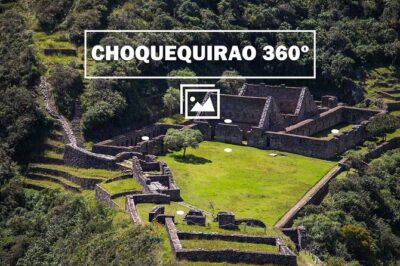
Lares, Choquequirao and quieter approaches
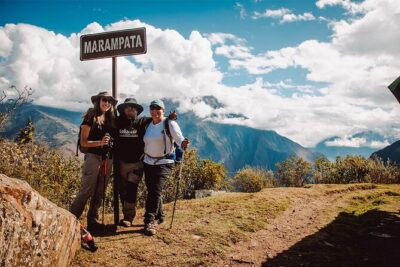
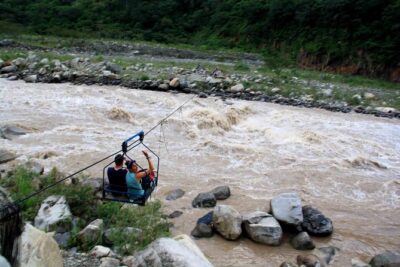
Day 4: Guided Machu Picchu early entry, plus solo time and optional peaks
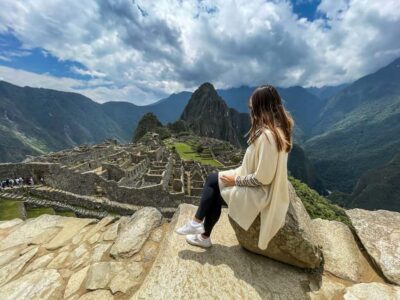
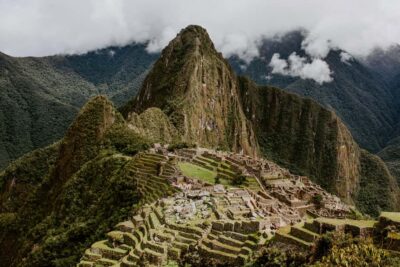
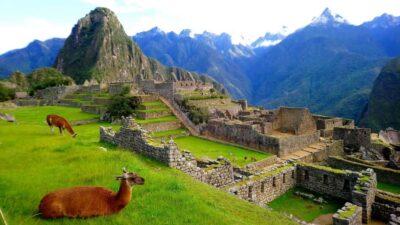
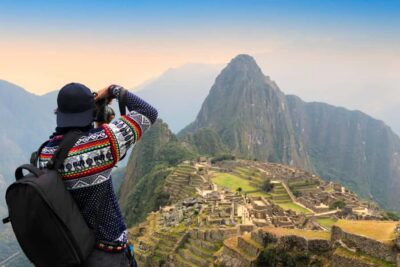
This is your payoff day. You start with breakfast, then board a morning bus to Machu Picchu from Aguas Calientes. Your guide leads an in-depth tour covering temples, ceremonial areas, terraces, and storage structures, with clear explanations to help you connect the dots.
The standout value here is timing. The tour is designed so you’re at Machu Picchu in the morning, when crowds are usually lower than later in the day. That gives you breathing room on the stone paths and makes it easier to enjoy guided explanations without constantly weaving around streams of people.
After the guided portion, you’ll have time to explore on your own. I like this structure a lot because it lets you slow down for your own favorite angles, and it gives you control over your pace if you’re winded.
If you secured an extra ticket in advance, you can add a climb to Huayna Picchu or Machu Picchu Mountain for a different perspective on the ruins. Entrance to Huayna Picchu is not included in the standard tour ticket, so treat this as an add-on plan you need to book early.
The train ride, the hotel night, and what you really get to rest from
Between the trek and Machu Picchu, you get a scenic train ride to Aguas Calientes. That’s more than a transfer, it’s part of the pacing strategy. You trade a long hiking day for a comfortable ride, and you land where you can soak up the hot springs atmosphere and then sleep like a normal human.
The tour includes a hotel in Aguas Calientes for Day 3, which matters because trekking nights and comfort are not the same thing. You’ll still earn your rest, but you won’t be starting Day 4 exhausted from another camp night.
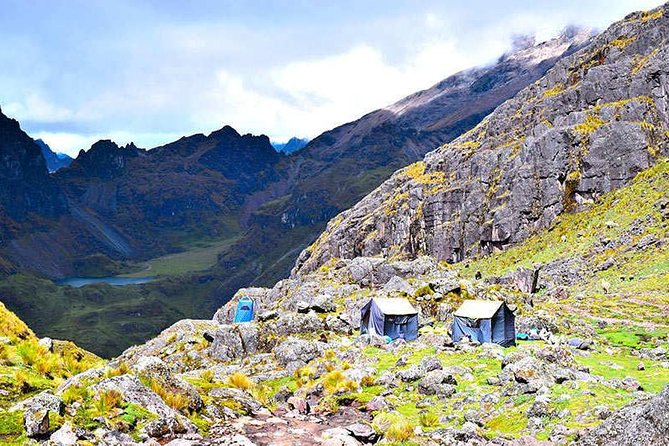
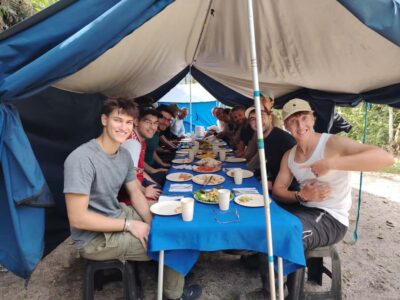
On the trek itself, the included camping setup is practical. You get 4-man tents for every 2 trekkers, plus inflatable sleeping mattress (Therarest), and the tour provides a dining tent with tables and chairs for meals. That means you’re not eating off a tarp in the mud, and the small comfort upgrades add up when you’re tired.
One item to plan: a sleeping bag is not included, but you can hire one. If you’re the type who runs cold, that’s worth thinking through before you go.
What’s included, and how it lowers the stress of planning
This tour includes a lot of the hard work behind the scenes, which is why the per-person price feels reasonable for a 4-day trekking trip. You get a professional bilingual guide, plus an assistant guide for groups of 9+, and a chef. There are mules to carry cooking and camping equipment, and also 7 kg of your personal items, which is huge for reducing weight on the trail.
Transfers are also handled. You get pickup from your Cusco hotel and transport from your hotel to the trail start. At the end, you get return transportation by train and bus to Cusco, plus round-trip bus service from Aguas Calientes to Machu Picchu.
In the support category, you’re not going in blind. The tour includes an oxygen bottle, a first aid kit, and water after that initial early stretch. You’ll feel safer knowing there’s real contingency equipment available, especially at altitude.
Meals are included for most of the trip: the listing shows 3 breakfasts, 3 lunches, and 3 dinners, and it also states that Day 1 breakfast and Day 4 lunch are not included. That’s normal for trekking itineraries, but it’s good to know so you can budget for those meals.
Entrance fees are included too, which helps you avoid surprise costs once you’re in Peru.
Altitude, fitness, and your real packing list for this trek
This is not a casual walk. You’re dealing with high altitude, including passes reaching nearly 14,000 feet (4,400m). The tour says you should have strong physical fitness, and I’d take that seriously. If you have altitude anxiety, you’ll want to prepare mentally, not just physically.
The good news is that the trekking days are described with varying terrain. Day 1 is a gradual ascent that builds steadily. Day 2 includes a key climb, then a longer downhill. Day 3 adds a gentle descent, plus hot springs. That structure can help you manage your energy if you pace well.
Packing is straightforward and specific:
- Walking boots, plus a waterproof jacket or rain poncho
- Warm jacket, hat, gloves
- Sunscreen (factor 35 or higher) and insect repellent
- Toiletries, hand sanitizer, personal medication
- Camera gear as you like, and a torch with spare batteries
- Bring your original passport, and ISIC card if you’re a student aiming for the discount
Also, plan for weather swings. Even if you’re lucky with conditions, the tour expects you to have warm layers.
Price and value for a 4-day Lares Trek to Machu Picchu
At $656.42 per person, the value is strongest when you compare what you get for that money: a professional guide, camp and tent setup with Thermarest mattresses, mules carrying equipment and 7 kg of your personal items, a hotel night in Aguas Calientes, plus train and bus transportation back and forth.
Most importantly, it’s not just the trek. You also get an included Machu Picchu guided tour, with structure and explanation, and you’re brought to the site by morning bus.
Things that are not included are also clearly stated:
- Sleeping bag (available to hire)
- Huayna Picchu entrance (requires additional ticket)
- Tips
- Travel insurance (strongly recommended)
If you already planned to hire a guide, secure the right transport, and handle most logistics for camping and admissions, this price starts to look fair rather than “budget.” The trek is also capped at 15 people, which keeps it from feeling like a moving stadium.
Who should book this Lares trek, and who should rethink it
This trek is a great fit if you want:
- A quieter route to Machu Picchu via the Lares trekking route
- Village and culture moments, including an Andean family home visit and alpaca textile browsing
- The chance to see mountain lakes like Yanacocha
- A structured, early-arrival Machu Picchu experience with time to wander alone
It may not be ideal if:
- You struggle significantly with altitude climbs, because you’re going up to nearly 14,000 feet
- You don’t want to commit to the packing list and layered clothing required for trekking days
- You prefer full flexibility, because this tour is listed as non-refundable and not changeable once booked
One review note that stands out: Edgar was praised as supportive when altitude made walking tough. If you’re worried about stamina, that kind of guidance matters more than you might think.
Should you book this 4-Day Lares Trek to Machu Picchu?
If you want Machu Picchu and you care about how you get there, I’d book this. The Lares route is built for people who like fewer crowds, meaningful stops, and a guided experience that still leaves room for your own exploring.
Go for it if you can handle altitude and a real hike. Consider it carefully if you’re not confident in your fitness, because the mountains here ask for effort, not just time and good intentions.
FAQ
What time do I need to be ready for pickup?
The stated start time is 5:00 am, with pickup from your Cusco hotel.
How many people are in the group?
The tour has a maximum of 15 travelers.
What kind of lodging and sleeping setup is included?
You’ll have a hotel in Aguas Calientes for Day 3, and on the trek you’ll use tents plus an inflatable sleeping mattress (Therarest). A sleeping bag is not included, but it can be hired from the tour.
Are vegetarian meals available?
Yes. Vegetarian meals are available if you advise the provider at booking, with no extra cost. If you have life-threatening allergies, the booking is not accepted, and you should make sure allergies are clearly written on your trek voucher and reminded to the guide and cook.
Can I visit Huayna Picchu or Machu Picchu Mountain?
You can add either Huayna Picchu or Machu Picchu Mountain if you have an additional ticket secured in advance. Entrance to Huayna Picchu Mountain is not included.
How much personal luggage can I bring?
Mules carry cooking and camping equipment, plus up to 7 kg of your personal items.
Is travel insurance included?
No. Travel insurance is not included, and the tour strongly recommends getting it for the duration of your trip.
More Tour Reviews in Cusco
- Cusco: Humantay Lake Tour with Breakfast and Buffet Lunch
★ 4.9 · 2,976 reviews - From Cusco: Moray, Maras Salt Mines & Chinchero Weavers Tour
★ 4.8 · 1,925 reviews - From Cusco: Full-Day Group Tour of Machu Picchu
★ 4.7 · 1,767 reviews - Machu Picchu Day Trip from Cusco
★ 4.5 · 1,644 reviews - Cusco: Half-Day City Tour with Sacsayhuaman and Q’enco
★ 4.6 · 1,129 reviews
Lares, Choquequirao and Beyond
- Choquequirao Trek 4 days and 3 nights
★ 5.0 · 81 reviews - Ancascocha Trek To Machu Picchu 4 Days And 3 Nights
★ 5.0 · 77 reviews - 4-Day Inca Jungle Adventure, Mountain Biking, Rafting and Zipline
★ 5.0 · 60 reviews - Classic Choquequirao Trek – 5 Days / 4 Nights
★ 5.0 · 52 reviews - 4 Days Inca Jungle to Machu Picchu Standard
★ 4.5 · 48 reviews
Reaching the Citadel, Other Options
- From Cusco: Full-Day Group Tour of Machu Picchu
★ 4.7 · 1,767 reviews - Machu Picchu Day Trip from Cusco
★ 4.5 · 1,644 reviews - Machu Picchu: Full-Day Tour from Cusco with Optional Lunch
★ 4.6 · 927 reviews - Cusco: 4-Day Inca Trail to Machu Picchu with Accommodation
★ 4.8 · 432 reviews - From Cusco: 2-Day Trip to the Sacred Valley and Machu Picchu
★ 4.6 · 265 reviews
Freshly reviewed across Cusco
- Excursion Cusco – Puno – Titicaca Observatory Train★ 5.0 · 3 reviews
- Sacred Valley Vip Cusco★ 4.7 · 3 reviews
- Cusco | Humantay Lake 1-Day Tour with Breakfast and Lunch★ 5.0 · 3 reviews
- Full-Day Condor Viewpoint & Inca Sites Tour★ 5.0 · 3 reviews
- Best of Cusco: Private Walking Tour with a Local★ 3.6 · 3 reviews
- From Cusco: Full-Day Private Sacred Valley Tour★ 5.0 · 3 reviews
Machu Picchu Tours side by side.
 ★ 4.7From Cusco: Full-Day Group Tour of Machu PicchuFrom $3211,767 reviews
 ★ 4.5Machu Picchu Day Trip from CuscoFrom $3361,644 reviews
 ★ 4.6Machu Picchu: Full-Day Tour from Cusco with Optional LunchFrom $283927 reviews
 ★ 4.8Cusco: 4-Day Inca Trail to Machu Picchu with AccommodationFrom $470432 reviews
 ★ 4.6From Cusco: 2-Day Trip to the Sacred Valley and Machu PicchuFrom $370265 reviews
 ★ 4.9Cusco: Machu Picchu 2-Day Inca Trail with Panoramic TrainFrom $582260 reviews
 ★ 4.2From Cusco: 2-Day Inca Trail to Machu PicchuFrom $290244 reviews
 ★ 4.9Machu Picchu: Inca Trail 2-Day Overnight Guided TourFrom $585203 reviews
Also on these Peru lists