
REVIEW · ALPACA FARMS
City Tour in Cusco & visit Museum South American Camelid
Cusco makes more sense after a good route. This half-day tour links Inca and Spanish influence with a practical loop that starts at Plaza de Armas and works through major archaeological stops. I like that the pacing is short and manageable, so you can see a lot without getting wrecked by Cusco altitude.
One possible drawback to plan for is smoothness. The tour is bilingual (English and Spanish), but clarity can vary by guide, and the group may not always move like a clock. If you are easygoing, you will still get a lot out of it, especially since it ends back at the starting point.
In This Review
- Key things to know before you go
- Why this Cusco half-day tour is a smart first move
- Starting at Plaza de Armas, where Cusco tells you its story
- Qorikancha and the templo del sol stop that people remember
- Sacsayhuaman: a major stop with enough time to absorb
- Q’enqo, Puka Pukara, and Tambomachay: the “more variety” payoff
- Q’enqo (about 30 minutes)
- Puka Pukara (about 30 minutes)
- Tambomachay, the water temple (about 30 minutes)
- The bus-and-walk reality, and why it helps on altitude days
- Price and what you should budget for entrances
- Guides, language, and how to get the most from bilingual tours
- Timing and the little logistics that affect your day
- Is it worth it for Machu Picchu planning?
- Should you book this Cusco city tour?
- FAQ
- How long is the Cusco city tour?
- Where does the tour start and end?
- Is the tour available in the morning and afternoon?
- What does the tour include in the price?
- Are entrance fees included?
- Are meals included?
- How large is the group?
- What sites are visited during the tour?
- Can I cancel for a full refund?
- What if I need help with English or Spanish?
Key things to know before you go
- Half-day format: about 4 to 5 hours, with morning or afternoon options to match your schedule
- A mostly bus-based route: expect short walks at sites, not a long all-day hike
- Core Cusco sights: Plaza de Armas, Qorikancha (templo del sol), Sacsayhuaman, Q’enqo, Puka Pukara, Tambomachay
- Bilingual guidance: English and Spanish spoken by a professional guide, with past guests praising multiple guides
- Entrance fees are extra: you will want cash ready for site tickets
- Small group size: maximum 15 travelers, which helps questions and timing
Other weaving demonstrations and alpaca herds
- From Cusco: Moray, Maras Salt Mines & Chinchero Weavers Tour
★ 4.8 · 1,925 reviews - City Tour in Cusco & visit Museum South American Camelid Private.
★ 5.0 · 147 reviews - From Cusco: Moray, Maras Salt Mines & Chinchero Weavers Half-Day
★ 5.0 · 126 reviews - The Textile Workshop Experience in Cusco Region
★ 5.0 · 118 reviews
Why this Cusco half-day tour is a smart first move
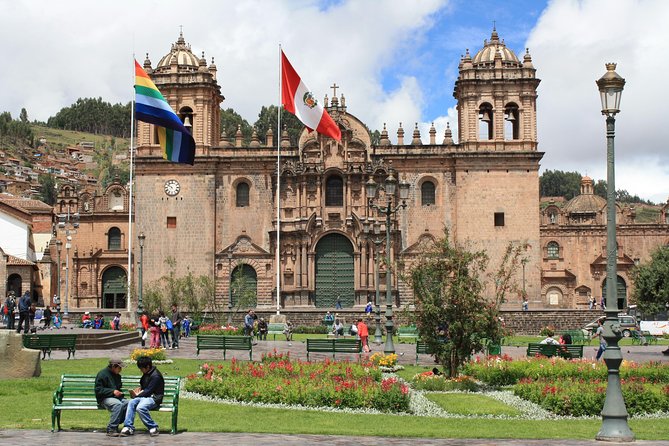
If you only have a day to orient yourself in Cusco, this tour is a solid way to do it. You start where most people start, Plaza de Armas, then move through a curated set of archaeological stops that let you connect names, places, and stories. You get a guided framework fast, which helps when you later explore on your own.
The value here is not just speed, it is translation and structure. A professional bilingual guide is included, plus an air-conditioned vehicle. That matters because Cusco can feel like a maze at first, and you do not want to lose time figuring out logistics between sites.
The biggest practical win is that the schedule is built to be realistic. Most stops are 30 to 45 minutes, so you can absorb what you came for without the fatigue of a full-day walking plan.
One thing to double-check before you book: your title mentions a Museum South American Camelid. The stop list provided for this experience focuses on archaeological sites and does not mention a camelid museum. If that museum is important to you, I suggest confirming directly with Chullos Travel Peru what is included for your specific departure.
Starting at Plaza de Armas, where Cusco tells you its story
Plaza de Armas is your orientation point, and the tour keeps it quick. You will do an external look at the main square for about 10 minutes, which is enough time to get the lay of the land.
This is a good way to begin because the square is the center of gravity in Cusco. Even if you never set foot in a museum that day, you will start recognizing landmarks and street patterns. Then when you return at the end, you can actually point to where everything is.
If you are arriving from the Sacred Valley or another place with different elevation, this first stop is also a gentle entry. It is not strenuous. It is just a quick reset point for your brain before you hop back into the vehicle.
Qorikancha and the templo del sol stop that people remember
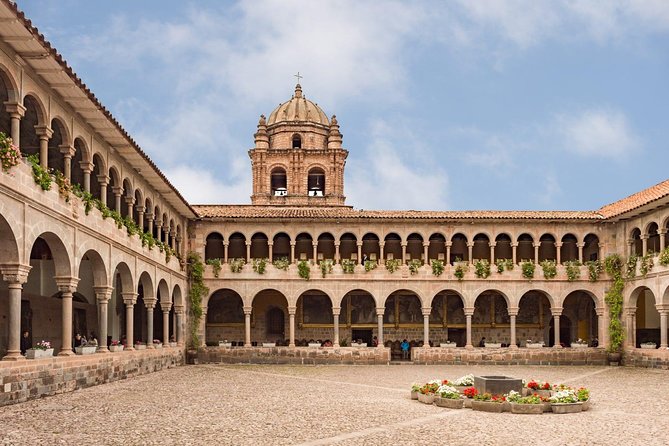
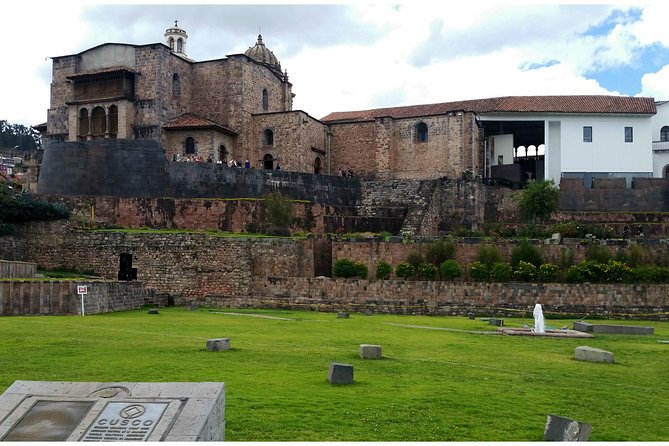
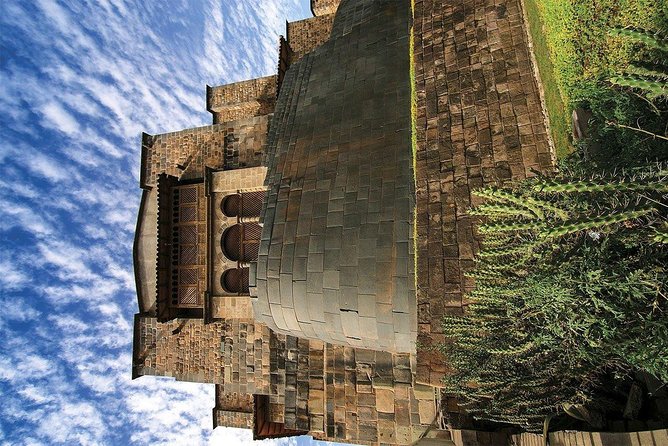
Next up is Qorikancha, which includes a museum and an archaeological site, plus time for the templo del sol area. You get about 45 minutes here, which is a fair chunk for both looking around and having the guide explain what you are seeing.
This stop is especially useful if you want the Inca and Spanish influence explained in context. Your tour is designed around that theme, and Qorikancha is the kind of place where layered meanings matter. A guide can help you connect why these sites are treated as both history and identity in modern Cusco.
Practical tip: museums in Peru can involve mixed lighting and uneven surfaces. Wear shoes that you can move in confidently. And if you have questions about how Inca building changed during Spanish rule, this is a great time to ask, because you are right in the middle of the tour’s main concept.
Past guests have highlighted guides like Luis (Lucho) and Regina for clear explanations at key stops. If you get a guide with that teaching style, this is one of the places where you will feel it most.
Sacsayhuaman: a major stop with enough time to absorb
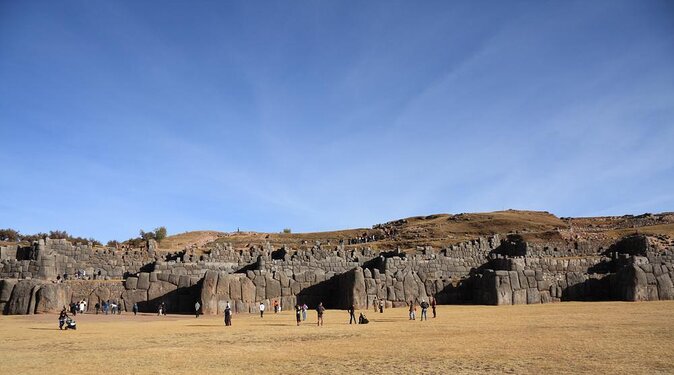
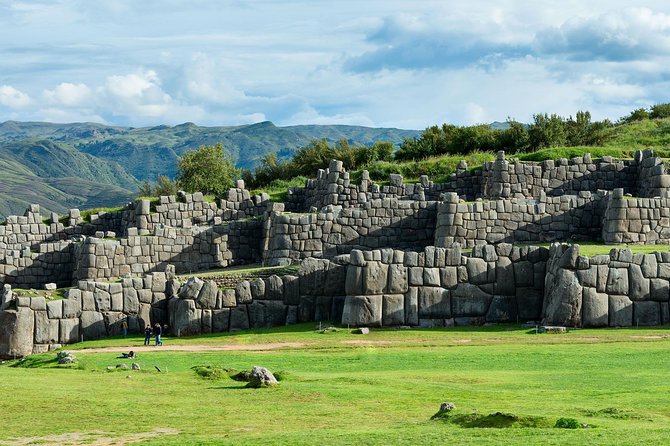
Sacsayhuaman is next, with about 45 minutes at the archaeological site. This is one of those stops where you do not need to rush, because the scale can do a lot of the work for you.
The tour’s structure helps here. You go from a museum-type site (Qorikancha) into a larger archaeological area, so your brain shifts gears from indoor explanations to outdoor observation. That balance is good on a half-day schedule.
A helpful way to get more out of the time is to pay attention to what the guide emphasizes. The tour focuses on the influence of the Inca and the Spanish on Cusco, so listen for how the guide frames purpose, layout, and what makes the place significant.
Also, plan for wind. Cusco sites can feel breezy depending on the day. A light layer helps, even in warmer months. You do not need to travel with a heavy jacket, just something you can throw on during stops.
Nearby in Cusco, these earned their own write-ups
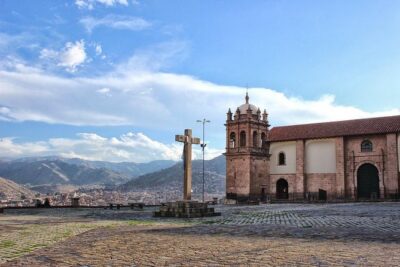
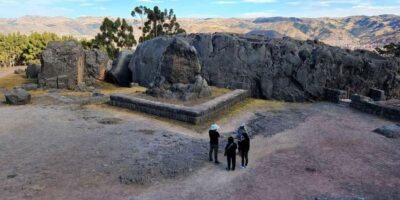
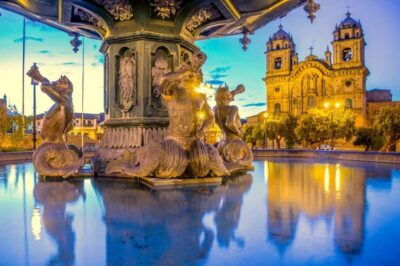
Q’enqo, Puka Pukara, and Tambomachay: the “more variety” payoff
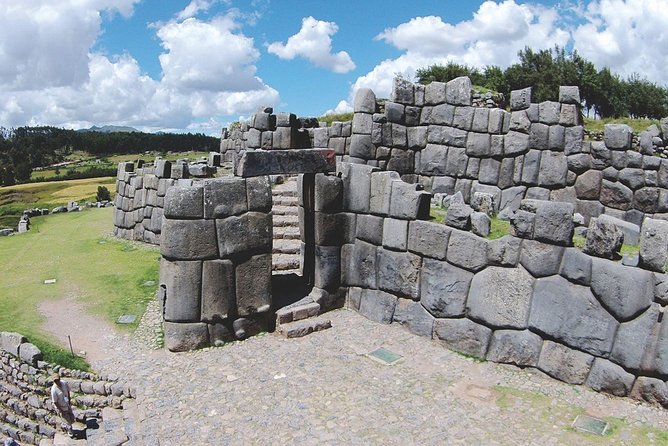
After Sacsayhuaman, the itinerary moves through three shorter archaeological stops, each giving you a different slice of Cusco’s ancient landscape.
Q’enqo (about 30 minutes)
Q’enqo is scheduled for about 30 minutes. That is usually enough time to take in the layout, understand the guide’s main points, and still have a moment to look around without feeling like you are being marched along.
This stop works well if you like a mix of styles. It breaks up the day after the bigger Sacsayhuaman stop, so you do not get “monument fatigue.”
Puka Pukara (about 30 minutes)
Puka Pukara is also about 30 minutes. The name shows up a lot in Cusco tours, and it is commonly visited as part of regional route planning. Here, you get time that is long enough for explanation, but short enough that you stay fresh.
If you are prone to getting bored on tours, these 30-minute stops are a good structure. You are not stuck for ages, and the guide can keep your focus on the significance without turning it into a lecture.
Tambomachay, the water temple (about 30 minutes)
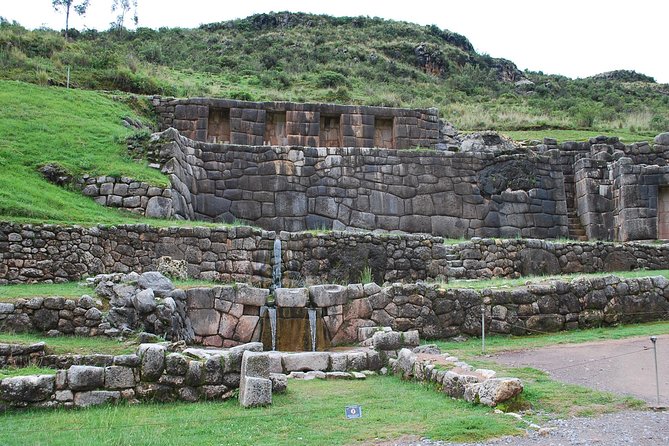
Tambomachay rounds out the route, described as the water temple. You get about 30 minutes here, which is a good slot for slowing down and watching what changes your perception of the site, like sound, moisture, or how the area feels compared to the drier viewpoints earlier in the day.
This stop often feels like the calm end of a half-day loop. And since the tour returns you to the starting point, you finish with energy left to explore nearby streets.
The bus-and-walk reality, and why it helps on altitude days
One honest way to describe the experience is this: you spend a lot of time on the vehicle, with short walks at sites. That makes it a practical tour format for Cusco, because the altitude can hit harder than you expect, even if you are fit.
You do not need to plan a high-effort day around this. Most stop times are 10 minutes to 45 minutes, and the route is paced to keep you moving but not exhausted. That also makes it a good “between heavier days” choice if you have other travel planned.
The vehicle is air-conditioned, which is a nice bonus in Peru when the sun hits. And with a maximum of 15 travelers, you are not dealing with a huge crowd funneling in and out of narrow spaces.
A small word of advice: group tours can still feel “clocky.” If you are the kind of traveler who hates waiting, bring patience. If you are flexible, you will like how much the guide packs into the time.
Price and what you should budget for entrances
The listed price is $11.70 per person for the tour itself. That covers the professional bilingual guide, the air-conditioned vehicle, and all the information.
Entrance tickets are not included. So even if the tour price looks low, your real cost includes site access. Plan on buying tickets on the day, and keep some cash ready.
Based on the kind of guidance that has been shared, many visitors look at a foreigners circuit around 70 soles for the set of sites covered on a Cusco loop. If you are planning a bigger day later, you may also see recommendations around a general ticket figure closer to 130 soles. The right one depends on what you will visit next, so decide based on your itinerary, not just the first day you arrive.
Meals are also not included. That means you should snack smart or eat before and after. With a half-day schedule, you do not want your energy to crash in the middle.
Guides, language, and how to get the most from bilingual tours
This is a bilingual tour in English and Spanish with a professional guide. In a perfect world, both languages would be equally strong every time. In real life, guides have different delivery styles.
What helps: the best guides do more than translate. They explain significance in a way that matches how you are physically moving through each place. Past groups have singled out guides such as Luis (Lucho), Edwin, Regina, and Pavel for being organized, knowledgeable in their own style, and good with pacing.
If you are relying heavily on English, I recommend arriving with a few anchor questions in mind, such as how the Inca and Spanish influence shows up at Qorikancha, or what connects the route from one site to the next. A good guide will love questions, and you will leave with a stronger mental map.
Also, ask questions when you are still at the stop, not after everyone piles into the bus. It is the simplest way to avoid losing the thread.
Timing and the little logistics that affect your day
The tour lasts about 4 to 5 hours. You can choose a morning or afternoon option, so you can pair it with other plans.
You start at Plaza de Armas de Cusco, with the meeting point listed at Del Medio 123, Cusco 08000. You finish back at the meeting point, so you can head out to dinner or keep exploring without trying to find a new drop-off zone.
On the ground, a group schedule can shift slightly depending on the day. If you are on a tight connection for another activity, give yourself buffer time. If you have freedom, this is much more relaxing.
Is it worth it for Machu Picchu planning?
For many people, this kind of Cusco route acts like a warm-up act. It helps you understand Inca and pre-Inca cultural threads that show up later around Machu Picchu and the broader region.
Even if Machu Picchu is your main goal, a guided Cusco overview can make the rest feel less random. You start recognizing terms, site names, and the larger theme of Inca foundations and later Spanish changes.
If your schedule has heavy travel days (long transfers or early departures), this half-day format is a sensible option. It keeps your feet moving, but it does not steal your entire day.
Should you book this Cusco city tour?
Book it if you want a guided orientation to Cusco in a half-day window, with a small group, a comfortable vehicle, and a route that hits the most common Cusco archaeological highlights. It is also a good fit if you want help understanding how Inca and Spanish influence show up across multiple sites.
Skip or reconsider if you are chasing a very hands-on, deep hiking experience. This tour is built for sightseeing pacing, not for long climbs. Also, if the Museum South American Camelid is a top priority, confirm inclusion before you go, because the provided route focus here is archaeological stops.
If you do book, show up with realistic expectations: bring money for entrance tickets, wear comfortable shoes, and take advantage of the guide while you are at each stop. This is the kind of tour that works best when you treat it as your Cusco map in human form, one site at a time.
FAQ
How long is the Cusco city tour?
The tour runs about 4 to 5 hours, depending on the timing of your departure and how the group moves between stops.
Where does the tour start and end?
It starts at Plaza de Armas de Cusco, meeting at Del Medio 123, Cusco 08000. It ends back at the same meeting point.
Is the tour available in the morning and afternoon?
Yes. You can choose a morning or afternoon tour based on your schedule.
What does the tour include in the price?
The price includes a professional bilingual guide, an air-conditioned vehicle, and all information provided during the tour.
Are entrance fees included?
No. Entrance tickets are not included in the tour price.
Are meals included?
No. Meals are not included.
How large is the group?
The tour has a maximum of 15 travelers.
What sites are visited during the tour?
The route includes Plaza de Armas, Qorikancha (templo del sol), Sacsayhuaman, Q’enqo, Puka Pukara, and Tambomachay (water temple).
Can I cancel for a full refund?
Yes. You can cancel up to 24 hours in advance for a full refund.
What if I need help with English or Spanish?
The guide is described as bilingual in English and Spanish, so you can expect both languages during the tour.
More Tours in Cusco
- Cusco: Humantay Lake Tour with Breakfast and Buffet Lunch
★ 4.9 · 2,976 reviews - From Cusco: Moray, Maras Salt Mines & Chinchero Weavers Tour
★ 4.8 · 1,925 reviews - From Cusco: Full-Day Group Tour of Machu Picchu
★ 4.7 · 1,767 reviews - Cusco: Half-Day City Tour with Sacsayhuaman and Q’enco
★ 4.6 · 1,129 reviews - Machu Picchu: Full-Day Tour from Cusco with Optional Lunch
★ 4.6 · 927 reviews
More Tour Reviews in Cusco
- Cusco: Humantay Lake Tour with Breakfast and Buffet Lunch
★ 4.9 · 2,976 reviews - From Cusco: Moray, Maras Salt Mines & Chinchero Weavers Tour
★ 4.8 · 1,925 reviews - From Cusco: Full-Day Group Tour of Machu Picchu
★ 4.7 · 1,767 reviews - Machu Picchu Day Trip from Cusco
★ 4.5 · 1,644 reviews - Cusco: Half-Day City Tour with Sacsayhuaman and Q’enco
★ 4.6 · 1,129 reviews
Wool, Dye and Loom
- From Cusco: Moray, Maras Salt Mines & Chinchero Weavers Tour
★ 4.8 · 1,925 reviews - Cusco: Alpaca and Llama Farm Tour w/ Transfer & Weaving Demo
★ 4.9 · 151 reviews - City Tour in Cusco & visit Museum South American Camelid Private.
★ 5.0 · 147 reviews - From Cusco: Moray, Maras Salt Mines & Chinchero Weavers Half-Day
★ 5.0 · 126 reviews - The Textile Workshop Experience in Cusco Region
★ 5.0 · 118 reviews
Freshly reviewed across Cusco
- Excursion Cusco – Puno – Titicaca Observatory Train★ 5.0 · 3 reviews
- Sacred Valley Vip Cusco★ 4.7 · 3 reviews
- Cusco | Humantay Lake 1-Day Tour with Breakfast and Lunch★ 5.0 · 3 reviews
- Full-Day Condor Viewpoint & Inca Sites Tour★ 5.0 · 3 reviews
- Best of Cusco: Private Walking Tour with a Local★ 3.6 · 3 reviews
- From Cusco: Full-Day Private Sacred Valley Tour★ 5.0 · 3 reviews
Alpaca Farms and Textile Workshops side by side.
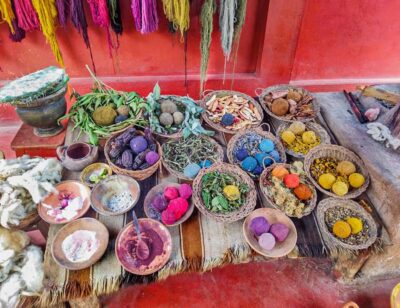 ★ 4.8From Cusco: Moray, Maras Salt Mines & Chinchero Weavers TourFrom $151,925 reviews
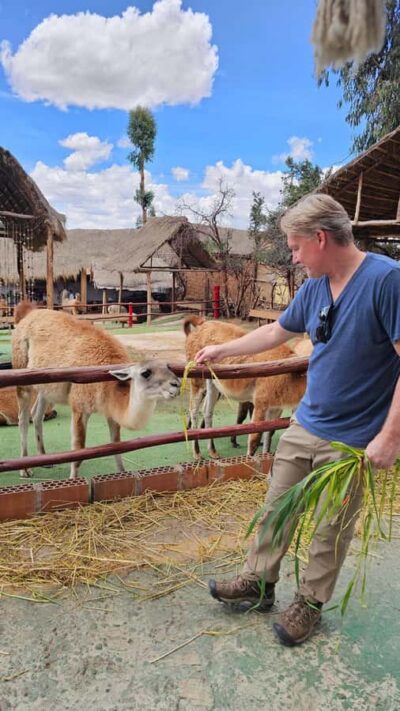 ★ 4.9Cusco: Alpaca and Llama Farm Tour w/ Transfer & Weaving DemoFrom $34151 reviews
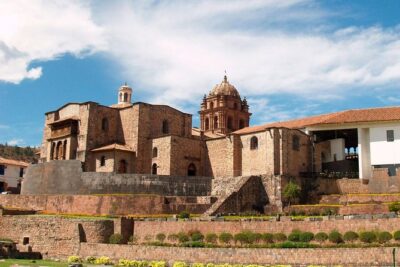 ★ 5.0City Tour in Cusco & visit Museum South American Camelid Private.From $49147 reviews
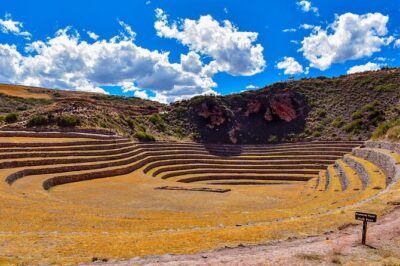 ★ 5.0From Cusco: Moray, Maras Salt Mines & Chinchero Weavers Half-DayFrom $15126 reviews
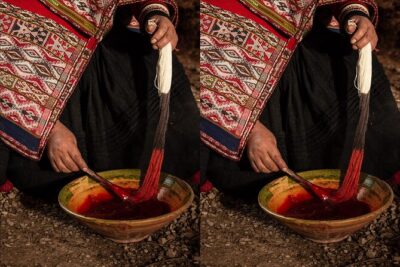 ★ 5.0The Textile Workshop Experience in Cusco RegionFrom $79118 reviews
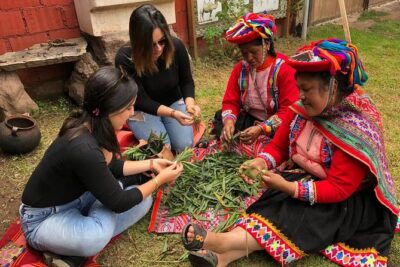 ★ 5.0Sacred Valley Textile Workshop – Dyeing & Weaving in CuscoFrom $42092 reviews
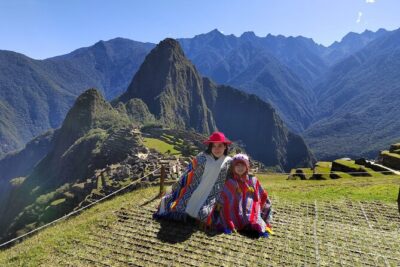 ★ 5.02-Day Sacred Valley Machu Picchu by Train with Llama ExperienceFrom $45755 reviews
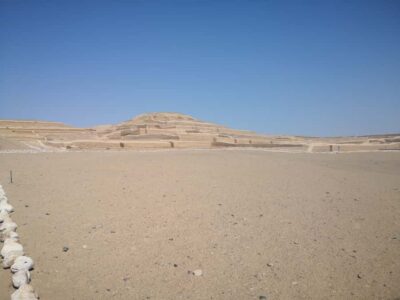 ★ 4.8From Nazca: Cahuachi Pyramids Tour and Textile WorkshopFrom $4521 reviews
Also on these Peru lists