
REVIEW · MACHU PICCHU
Cusco: 4-Day Lares Trek to Machu Picchu with Panoramic Train
Hot springs and Machu Picchu in four days. This route ties together Lares hot springs and high-mountain camping with small Andean stops, then lands you at Machu Picchu at sunrise.
I also love the human side of it, especially the chance to meet weaving communities and support women-run cooperatives along the way.
The main catch is the body part of the deal: altitude and cold nights. You’ll sleep high (around 3,900 m) and reach Condor Pass at 4,750 m, so plan for slower days and warmer layers than you think you need.
In This Review
- Key things I’d plan around on this Lares trek
- Why this 4-day Lares route feels more real than a straight sightseeing sprint
- Day 1: Cusco to Lares hot springs, Blue Lagoon camp, and textile culture
- Day 2: Condor Pass at 4,750 m, offering ceremony, and Canchacancha village life
- Day 3: Sacred Valley downhill, Maras salt mines, and Ollantaytambo to Aguas Calientes
- Day 4: Sunrise at Machu Picchu plus a guided walk and Vistadome comfort
- Price and logistics: why $690 can be good value if you like structure
- Altitude and cold nights: the real challenge, and how to handle it
- Gear checklist: what to bring so the cold and rain do not run your day
- Who should book this Lares trek, and who should pass
- Should you book this 4-day Lares trek with panoramic train?
- FAQ
- What meals are included on this trek?
- Where do you sleep during the trip?
- Are entrance fees included?
- Do I need to bring a sleeping bag or trekking poles?
- How is Machu Picchu visited on the final day?
- What train do you take after Machu Picchu?
- What are the guide language options?
- Is the booking refundable?
- Is pickup included from Cusco?
Key things I’d plan around on this Lares trek
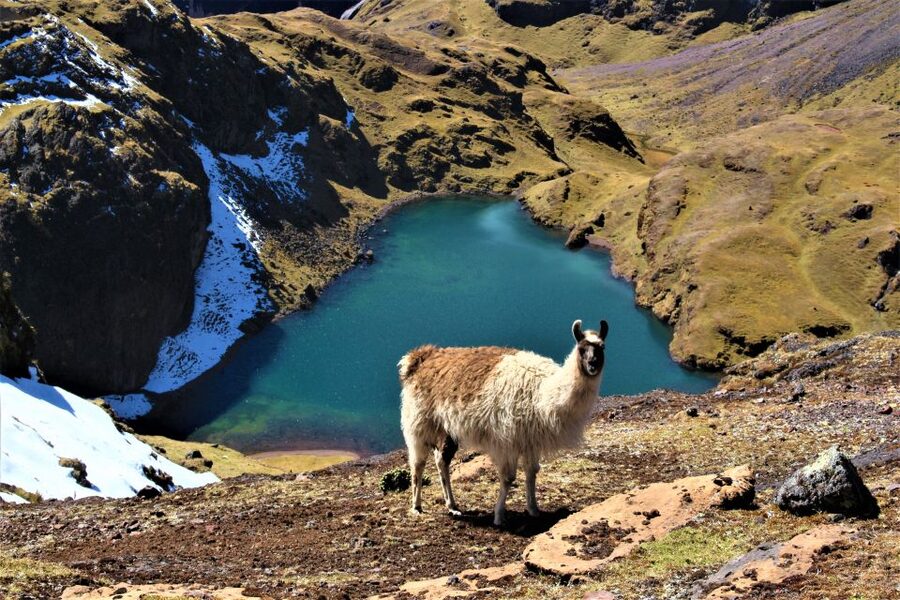
- Lares Hot Springs plus Blue Lagoon: mountain views, a proper unwind, and night skies at about 3,900 m.
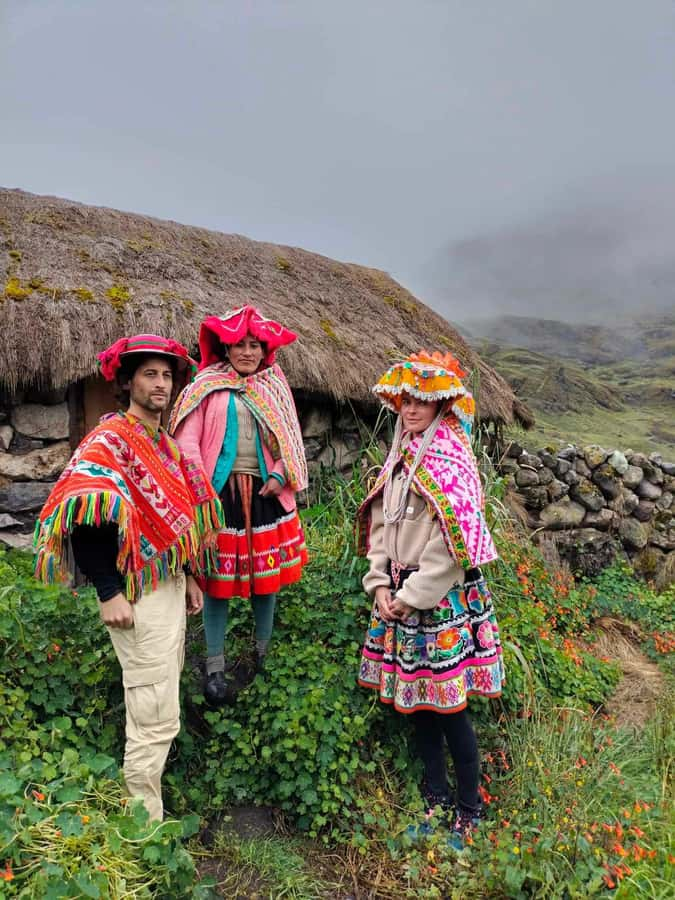
- Weaving communities: time with textile traditions, including cooperatives that put women in the center of the story.
- Condor Pass (4,750 m): steady climb, big views, and a traditional offering ceremony at the pass.
- Sacred Valley descent: a downhill trek through fields with changing crops, then a picnic lunch at about 2,700 m.
- Maras Salt Mines and Ollantaytambo: classic Inca-era sights with real local life before you go to Aguas Calientes.
Other citadel visits, ticket types and start times
- From Cusco: Full-Day Group Tour of Machu Picchu
★ 4.7 · 1,767 reviews - Machu Picchu Day Trip from Cusco
★ 4.5 · 1,644 reviews - Machu Picchu: Full-Day Tour from Cusco with Optional Lunch
★ 4.6 · 927 reviews - Cusco: 4-Day Inca Trail to Machu Picchu with Accommodation
★ 4.8 · 432 reviews
Why this 4-day Lares route feels more real than a straight sightseeing sprint
This is not a “bus to viewpoint, quick photo, repeat” kind of trip. It is built around walking days through the Andes, then balancing effort with comfort where it matters. You start early, move through villages and working farmland, and you get nights in camping that make you feel the altitude.
At the same time, the final act is pure highlight reel: a pre-sunrise Machu Picchu arrival, a guided walking tour through key landmarks, then the easy recovery of sitting back on the Vistadome train. The combo is smart because you earn the views on foot, then you get a smooth transition into Machu Picchu time.
One more thing I like: you are not just passing places. You stop to learn and talk, from Andean textiles to village life in Canchacancha, then on to salt harvesting in Maras.
Day 1: Cusco to Lares hot springs, Blue Lagoon camp, and textile culture
Your day begins with an early pickup from Cusco or the Sacred Valley. After you leave the city rhythm behind, you start with a market stop in Calca and a look at an ancient Inca site at Ancashmarca. It is a good way to set context before the hike asks you to focus on breathing and footing.
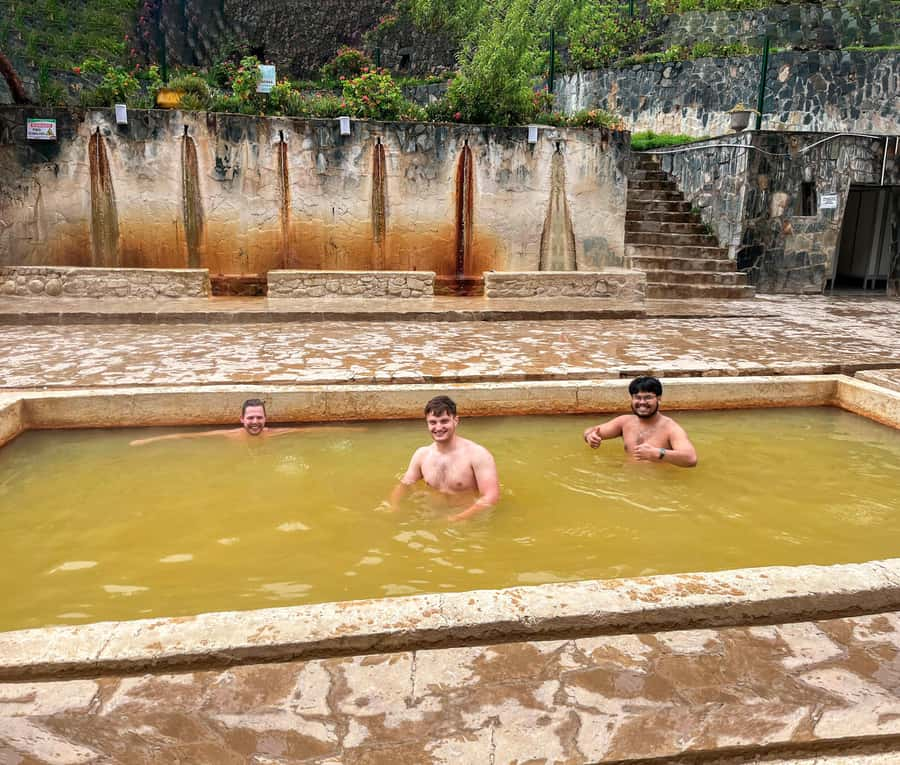
The route then climbs to a high plateau where you can see Puyas de Raimondi, which are a rare plant you do not see every day. After that, you shift gears toward comfort, with Lares Hot Springs and mountain views. Breakfast is included, and you’re already building an “earned relaxation” pattern.
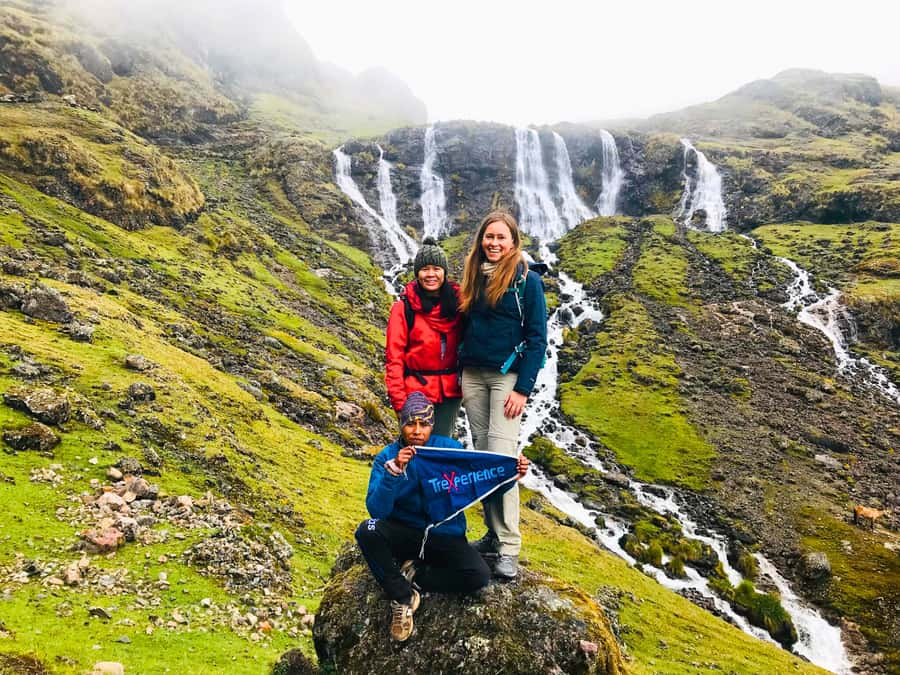
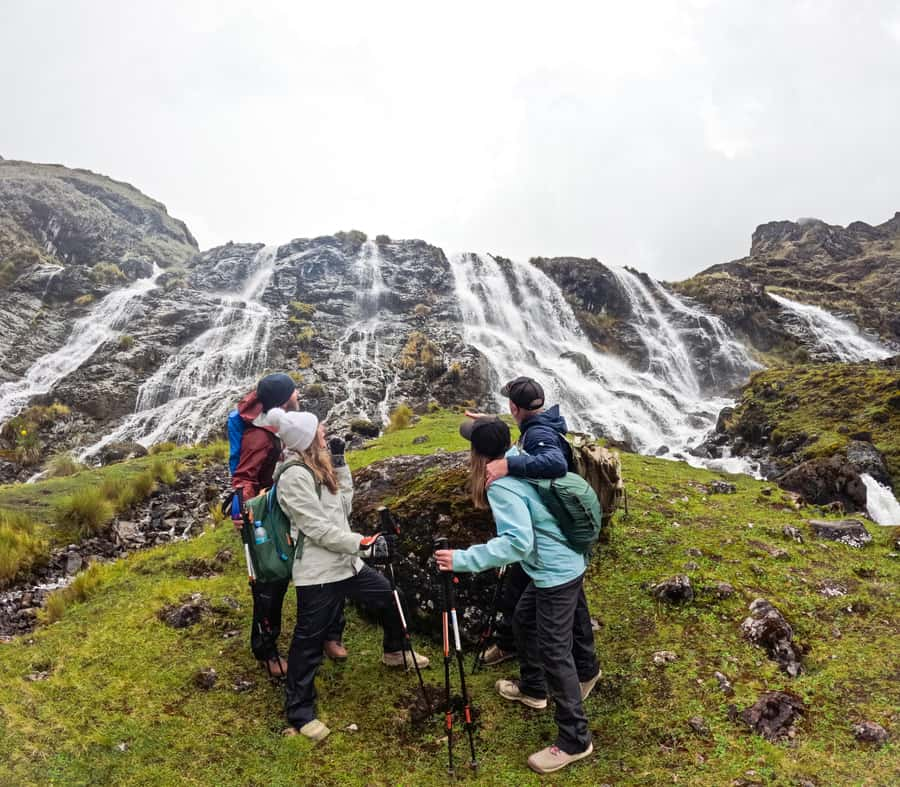
Then comes the cultural piece: a weaving cooperative visit, including support for women-run work and the textile traditions behind it. From there, the trek begins through alpaca-dotted valleys and potato fields. You stop at Kiswarani for lunch and follow along a waterfall toward your campsite at about 3,900 m, called the Blue Lagoon campsite.
By evening, you get coca tea, dinner, and stargazing. That stargazing is not a decorative extra. At altitude, the sky can feel close and clear, and it makes the cold night more tolerable because you understand why you came.
Day 2: Condor Pass at 4,750 m, offering ceremony, and Canchacancha village life
Day 2 starts low-key with coca tea or coffee at your tent and breakfast. Then the hiking becomes a steady, purposeful climb through valleys with lakes and Andean wildlife. This is where you want to keep expectations simple: pace matters more than speed.
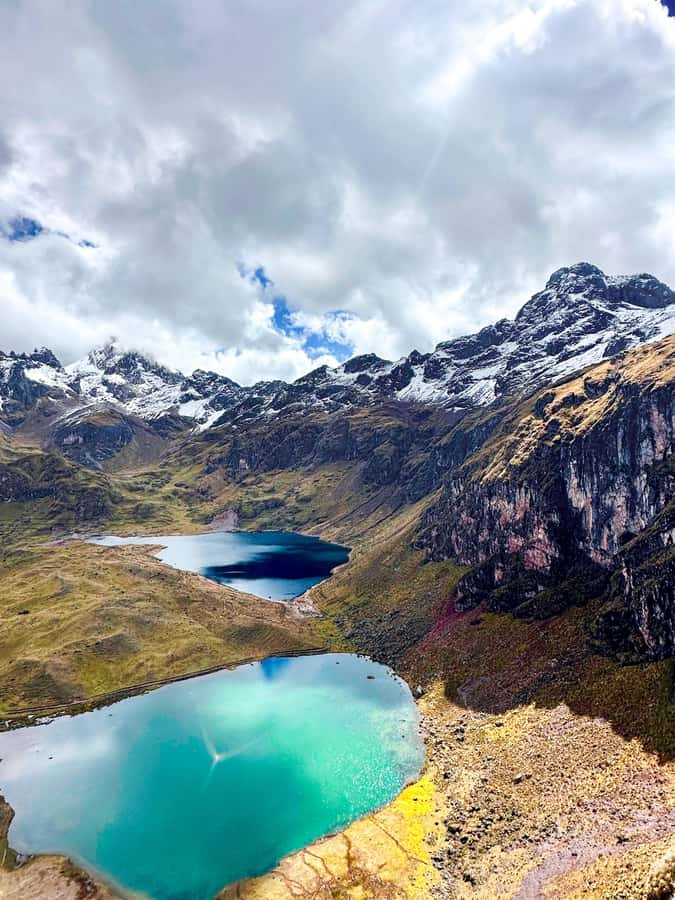
You reach Condor Pass at 4,750 m, which is the big altitude checkpoint of the trip. Here the views stretch out over snowy peaks and turquoise lagoons, and you get that classic “this is why people trek” feeling. It is also the point where the weather can shift fast, so plan for layers and keep moving even if you stop often for photos.
One of the most interesting moments on this day is a traditional offering ceremony at the pass. It is not a side show. It gives the day spiritual context, and it helps explain how people in these mountains relate to the land.
After the climb, you descend toward Acopata for hot lunch, then continue on hikes through scenic valleys with llamas and alpacas. You end at Canchacancha village around 3,750 m, where you meet local families and have a chance to practice a few Quechua phrases. Even a small language attempt can make these stops feel human instead of staged.
Dinner is included, and the mountain air is a reminder that you are still in a trekking rhythm, not a hotel vacation.
Day 3: Sacred Valley downhill, Maras salt mines, and Ollantaytambo to Aguas Calientes
This is the day that shifts your body from “camp trek mode” toward “historic sites and comfort.” You begin with breakfast and mountain views, then you explore Canchacancha village more deeply, including homes and a school. There’s even a chance to donate supplies, which is worth considering if you travel with small, practical items you are allowed to bring.
Next comes the biggest physical change: a scenic 4-hour downhill hike into the Sacred Valley. The terrain stays varied, and what you pass is part of the lesson. You go from potato fields to corn and avocado crops, so the valley feels alive and productive rather than just picturesque.
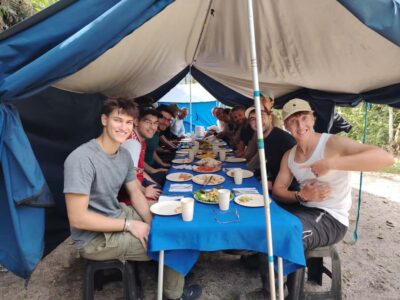
You stop in Huaran at about 2,700 m for a picnic lunch. This is also a good moment emotionally, because you say goodbye to your muleteers and chef. Those roles matter here. The fact that horses and muleteers handle food and equipment changes the hike from “you carry everything” into “you hike and enjoy.”
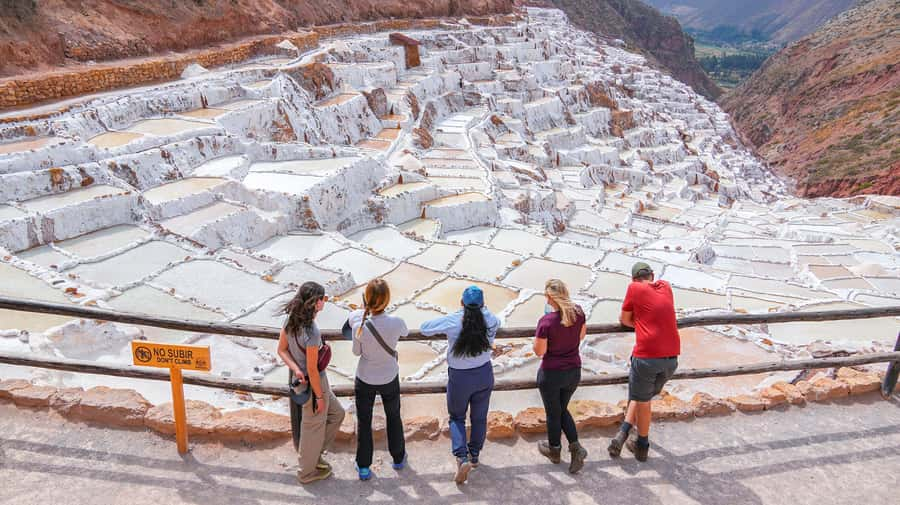
From there, you take a private van to Salineras Maras, where you learn about traditional salt harvesting. Then you head to Ollantaytambo, described as the last living Inca town. It’s a great bridge between your walking days and the Machu Picchu morning.
Evening includes dining and boarding the train to Aguas Calientes. You sleep in a comfortable 3-star hotel, which is a real kindness after two nights camping.
Lares, Choquequirao and quieter approaches
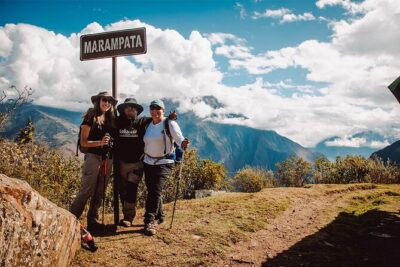
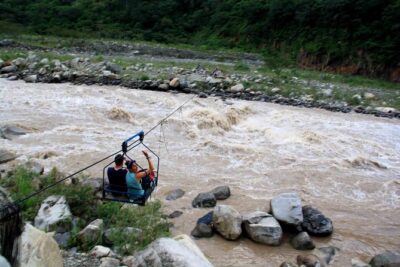
Day 4: Sunrise at Machu Picchu plus a guided walk and Vistadome comfort
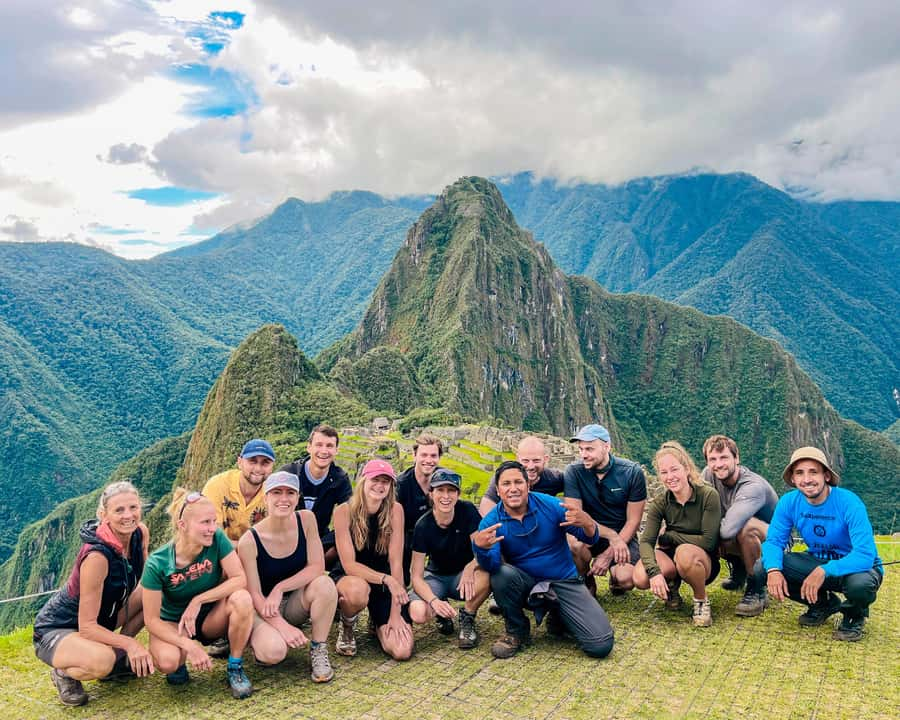
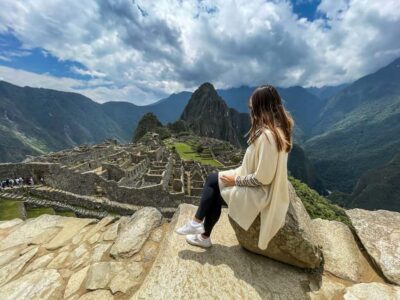
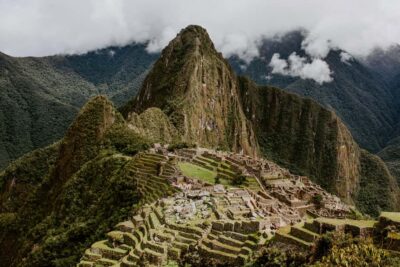
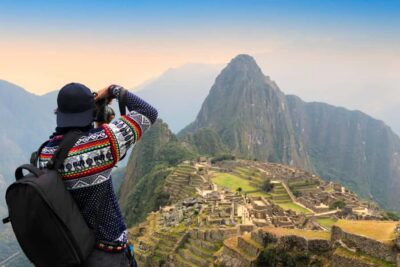
Day 4 starts early with breakfast at the hotel. Then you catch the bus to Machu Picchu and arrive around sunrise, which is exactly when you want to be there. Early light can make the ruins feel more dimensional, and it also helps you beat the busiest crowds.
You’ll have time at iconic viewpoints for panoramic photos before your guide takes you into the site for a 2 to 3 hour walking tour. This is where your visit turns from “look at stones” into “understand the place.” You learn about Inca engineering and how the site connected to daily life.
After your guided time, you return to Aguas Calientes for lunch and leisure. You’re done with stairs and steep climbs for the moment, so use the downtime to eat well, hydrate, and give your legs a rest.
Then comes the anticlimax, in the best way: the Vistadome train back to Ollantaytambo. The train ride is scenic, and it lets you end the trip with your body still in recovery mode instead of immediately starting a long transport day.
A private transfer brings you back to Cusco by evening.
Price and logistics: why $690 can be good value if you like structure
At $690 per person for a 4-day experience, the price only feels “cheap” if you compare the workload you get for the money. You’re paying for more than a guide and a ticket. You are getting guided hiking across multiple days, entrance fees for Machu Picchu, Maras Salt Mines, and Lares Hot Springs, plus transportation that would be a hassle to piece together on your own.
You also get:
- Two nights of scenic camping and one night in a 3-star hotel
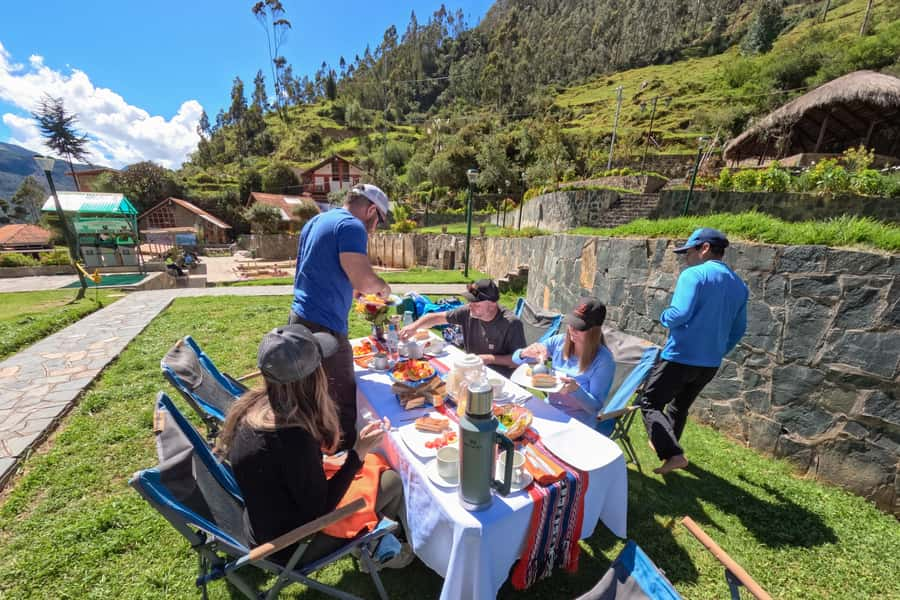
- Trekking chefs preparing 4 breakfasts, 3 lunches, and 3 dinners
- Horses and muleteers to move food and equipment
- A duffle bag up to 7 kg carried by muleteers for your camping gear
- Round-trip bus to Machu Picchu and return on the Vistadome train
That chef and muleteer setup is the difference between a guided trek you enjoy and a trek you survive. It keeps your personal carry manageable and makes the evenings about rest, not labor.
On top of that, the itinerary gives you “must do” sites you’d otherwise juggle: Machu Picchu with a sunrise arrival and a guided walking tour, Maras Salt Mines, and Ollantaytambo.
If you like an organized plan with real walking and real downtime, this price can feel like good value. If you prefer flexible, self-paced travel and you already know the altitude and camping logistics cold, you might find cheaper options. But the convenience here is real.
Altitude and cold nights: the real challenge, and how to handle it
I want to be straight with you. This trip is not just scenic walking. It is altitude plus exposure. You hike to a high pass and you camp around 3,900 m at night. That means you will likely feel thinner air and you will feel cold after sunset.
One practical sign: you should plan to dress warm for camp nights, not just for daytime hikes. You can rent a sleeping bag, plus you can ask for trekking poles and an air mattress, since those are not included. Even with rentals, you want to show up ready.
How fit do you need to be? The route is often described as affordable difficulty for people who are reasonably active, and your guide should match your pace with pauses as needed. Some groups also run with very small numbers on certain departures, which can make the day feel calmer.
Still, if you have back problems, heart problems, mobility impairments, or you are pregnant, this is listed as not suitable. If you have any medical concerns, it’s worth getting advice before you book.
If you do go, your best strategy is simple: slow down on the climb, drink enough water, and treat Condor Pass as a win when you reach it, not something you rush through.
Gear checklist: what to bring so the cold and rain do not run your day
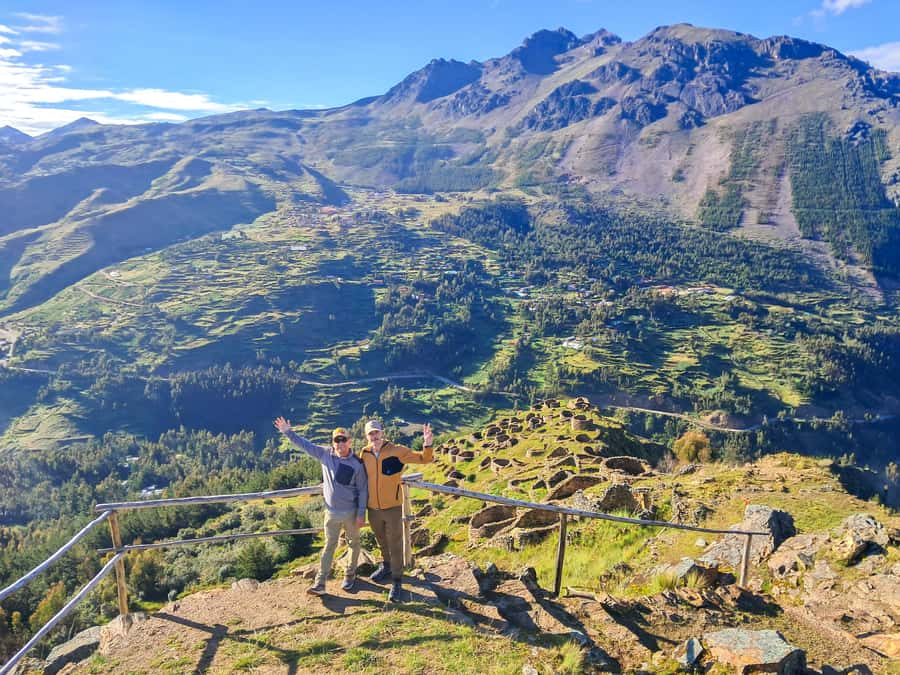
You’ll be hiking in changing weather, at altitude. Bring real hiking shoes and comfortable footwear you can trust. Sunglasses and a sun hat matter because the sun can be strong even when it is cold. Sunscreen is a must.
For conditions:
- Rain gear (you’ll want a way to stay dry on steep slopes)
- Insect repellent
- Sunscreen, sunglasses, and a sun hat
- A weather-appropriate clothing system for daytime and camp
For basics:
- Passport (details are required at booking, and you need it for entry)
- Camera
- Toiletries and hand sanitizer or tissues
- Cash
For sleep gear:
- Sleeping bag, air mattress, and trekking poles are not included, but you can request rentals.
And don’t try to improvise with comfort. If your shoes are new or stiff, your legs will tell you fast.
Who should book this Lares trek, and who should pass
This is a strong match if you want:
- A guided, structured experience with a certified tour guide
- Real Andean culture moments, like weaving cooperatives and village visits
- The big Machu Picchu morning, without having to manage the hardest parts alone
- A balance of effort (trekking days) and payoff (hot springs and sunrise ruins)
It’s also a good fit if you care about food quality. Trekking chefs handle meals daily, and dietary needs like vegan requests can be accommodated if you tell the operator when you book.
It may be a poor match if you:
- Have the medical limits listed by the operator (pregnancy, heart issues, mobility issues, back problems)
- Want fully self-guided flexibility
- Hate camping nights and cold without the option to rent proper sleep gear
One more small but useful note. Guides can vary by departure. Some have been led by people like Manolo or Filio, and they are praised for keeping the group moving at a pace that works.
Should you book this 4-day Lares trek with panoramic train?
I think you should book it if you want a complete Andes story, not just a Machu Picchu day. You get hot springs, trekking over passes, hands-on culture stops, Maras salt harvesting, and Ollantaytambo, then you finish with a guided Machu Picchu walk and a relaxing panoramic rail ride.
You should also book it if you like the value of having meals cooked and equipment handled by muleteers. That lets you focus on hiking and learning instead of managing everything.
But do not book on autopilot if altitude and cold are already worries. This trek puts you at real elevations and nights are cold. If that feels manageable for you with proper packing and a slower pace, you’ll likely have an unforgettable trip.
If it doesn’t feel manageable, consider a lower-altitude alternative or a different schedule. Your comfort and safety are part of the quality.
FAQ
What meals are included on this trek?
You get 4 breakfasts, 3 lunches, and 3 dinners during the 4 days, prepared by skilled trekking chefs.
Where do you sleep during the trip?
You sleep 2 nights in scenic camping and 1 night in a comfortable 3-star hotel.
Are entrance fees included?
Yes. Entrance fees are included for Machu Picchu, Maras Salt Mines, and Lares Hot Springs.
Do I need to bring a sleeping bag or trekking poles?
Sleeping bag, air mattress, and trekking poles are not included, but you can rent them upon request.
How is Machu Picchu visited on the final day?
You take an early bus from Aguas Calientes, arrive around sunrise, then enjoy viewpoints and a guided 2 to 3 hour walking tour of key landmarks.
What train do you take after Machu Picchu?
After Machu Picchu and time in Aguas Calientes, you board the Vistadome train and return to Ollantaytambo.
What are the guide language options?
The live tour guide is available in Spanish and English.
Is the booking refundable?
This activity is non-refundable.
Is pickup included from Cusco?
Yes, pickup is included from your accommodation in Cusco. You wait in the lobby about 10 minutes before pickup time.
Rail Into Aguas Calientes
- Cusco: Machu Picchu 2-Day Inca Trail with Panoramic Train
★ 4.9 · 260 reviews - The First Class Machu Picchu Train by Inca Rail
★ 4.0 · 182 reviews - Machu Picchu: 5-Day Salkantay Trek with Panoramic Train
★ 5.0 · 79 reviews - Excursion to the Sacred Valley and Machu Picchu by Panoramic Train
★ 5.0 · 45 reviews - Machu Picchu Tour by Vistadome Panoramic Train from Cusco
★ 5.0 · 43 reviews
Lares, Choquequirao and Beyond
- Choquequirao Trek 4 days and 3 nights
★ 5.0 · 81 reviews - Ancascocha Trek To Machu Picchu 4 Days And 3 Nights
★ 5.0 · 77 reviews - 4-Day Inca Jungle Adventure, Mountain Biking, Rafting and Zipline
★ 5.0 · 60 reviews - Classic Choquequirao Trek – 5 Days / 4 Nights
★ 5.0 · 52 reviews - 4 Days Inca Jungle to Machu Picchu Standard
★ 4.5 · 48 reviews
Reaching the Citadel, Other Options
- From Cusco: Full-Day Group Tour of Machu Picchu
★ 4.7 · 1,767 reviews - Machu Picchu Day Trip from Cusco
★ 4.5 · 1,644 reviews - Machu Picchu: Full-Day Tour from Cusco with Optional Lunch
★ 4.6 · 927 reviews - Cusco: 4-Day Inca Trail to Machu Picchu with Accommodation
★ 4.8 · 432 reviews - From Cusco: 2-Day Trip to the Sacred Valley and Machu Picchu
★ 4.6 · 265 reviews
Freshly reviewed across Cusco
- Excursion Cusco – Puno – Titicaca Observatory Train★ 5.0 · 3 reviews
- Sacred Valley Vip Cusco★ 4.7 · 3 reviews
- Cusco | Humantay Lake 1-Day Tour with Breakfast and Lunch★ 5.0 · 3 reviews
- Full-Day Condor Viewpoint & Inca Sites Tour★ 5.0 · 3 reviews
- Best of Cusco: Private Walking Tour with a Local★ 3.6 · 3 reviews
- From Cusco: Full-Day Private Sacred Valley Tour★ 5.0 · 3 reviews
Machu Picchu Tours side by side.
 ★ 4.7From Cusco: Full-Day Group Tour of Machu PicchuFrom $3211,767 reviews
 ★ 4.5Machu Picchu Day Trip from CuscoFrom $3361,644 reviews
 ★ 4.6Machu Picchu: Full-Day Tour from Cusco with Optional LunchFrom $283927 reviews
 ★ 4.8Cusco: 4-Day Inca Trail to Machu Picchu with AccommodationFrom $470432 reviews
 ★ 4.6From Cusco: 2-Day Trip to the Sacred Valley and Machu PicchuFrom $370265 reviews
 ★ 4.9Cusco: Machu Picchu 2-Day Inca Trail with Panoramic TrainFrom $582260 reviews
 ★ 4.2From Cusco: 2-Day Inca Trail to Machu PicchuFrom $290244 reviews
 ★ 4.9Machu Picchu: Inca Trail 2-Day Overnight Guided TourFrom $585203 reviews