
REVIEW · ALTERNATIVE TREKS TO MACHU PICCHU
Trek to Choquequirao 4 days
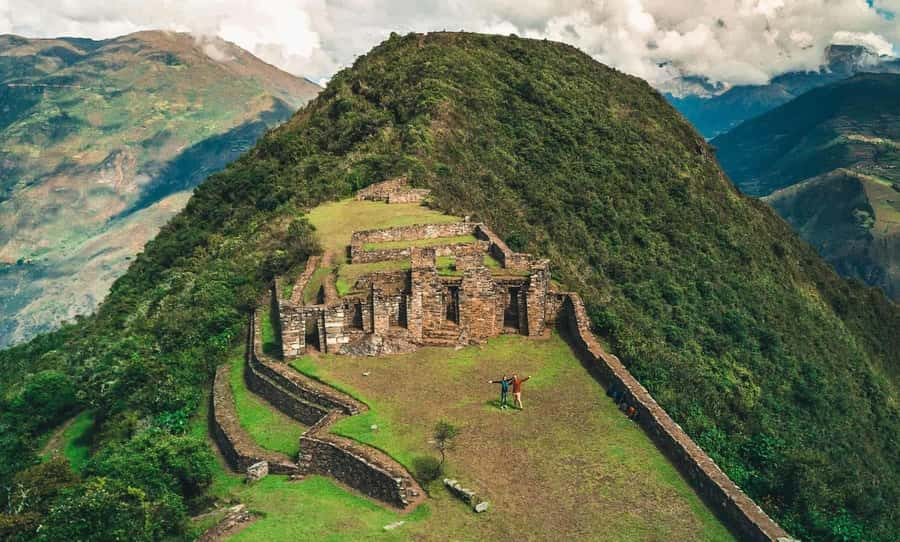
Choquequirao is a tough trek with big rewards. This Cusco-region hike aims at Choquequirao, often called the sister site to Machu Picchu, but you reach it the hard way, on steep descents and climbs through canyon country. I like that the route mixes rugged views with real archaeologic time, not just a quick photo stop.
Two things I really like: the small-group feel (limited to 15) and the way meals are handled by the cooks, so you get food waiting for you at camp and along the way. The other big plus is the guide-led exploration at Choquequirao, plus time to wander on your own. The main drawback is simple, this is one of the hardest treks around Cusco, with long hiking days, early starts, and lots of uphill.
In This Review
- Key points before you commit
- Why Choquequirao Feels Like Machu Picchu’s Harder Cousin
- Trek Profile: What Makes This One of Cusco’s Tougher Days
- Day 1: From Capuliyoc Viewpoint to Santa Rosa Camp
- Day 2: Maranpata, a Choquequirao Morning, and the Best Kind of Waiting
- Day 3: Apurímac River Canyon Descent to Chiquisca Evening
- Day 4: Capuliyoc at Sunrise Light, Then Back to Cusco
- Camps, Meals, Guides, and the Logistics That Earn Their Keep
- Price and Value: What $366 Covers, and What Costs Extra
- Who Should Book This Trek to Choquequirao
- Should You Book the Trek to Choquequirao?
- FAQ
- What time do you pick up from Cusco?
- How long is the Trek to Choquequirao?
- What is the maximum group size?
- What languages does the guide speak?
- Are meals included?
- Is the Choquequirao entrance ticket included?
- How is extra luggage handled?
- Are trekking poles or horseback riding included?
- Are hot showers, towels, and Wi-Fi included?
- What is the cancellation and payment option?
Key points before you commit
- Machu Picchu’s sister vibe, without the crowds, at an archaeological site that still feels mysterious
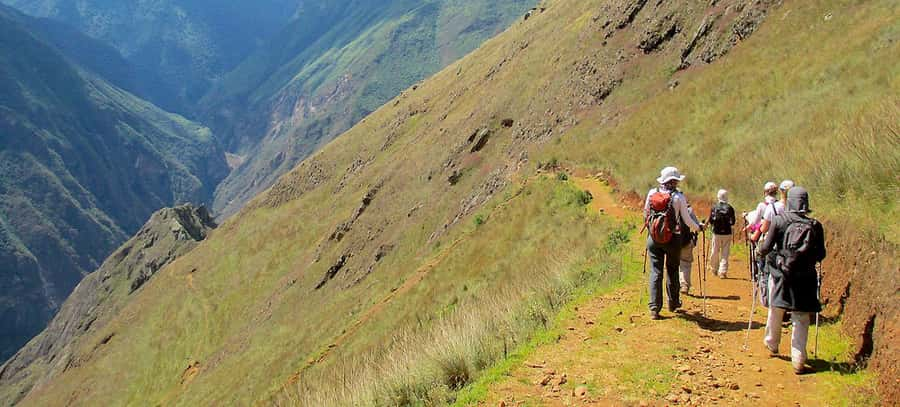
- Hard, steady hiking, with multiple long descents and climbs across four days
- Food is part of the system, with cooks and lunch logistics even when you hike into Choquequirao
- Morning routines matter, like hot coca tea on Day 2 to get you moving
- Small group size, capped at 15, keeps things controlled on narrow paths
- Extra luggage support, using a mule plus one 5 kg duffel bag, so you can hike lighter
Lares, Choquequirao and quieter approaches
- Choquequirao Trek 4 days and 3 nights
★ 5.0 · 81 reviews - Ancascocha Trek To Machu Picchu 4 Days And 3 Nights
★ 5.0 · 77 reviews - 4-Day Inca Jungle Adventure, Mountain Biking, Rafting and Zipline
★ 5.0 · 60 reviews - Classic Choquequirao Trek – 5 Days / 4 Nights
★ 5.0 · 52 reviews
Why Choquequirao Feels Like Machu Picchu’s Harder Cousin
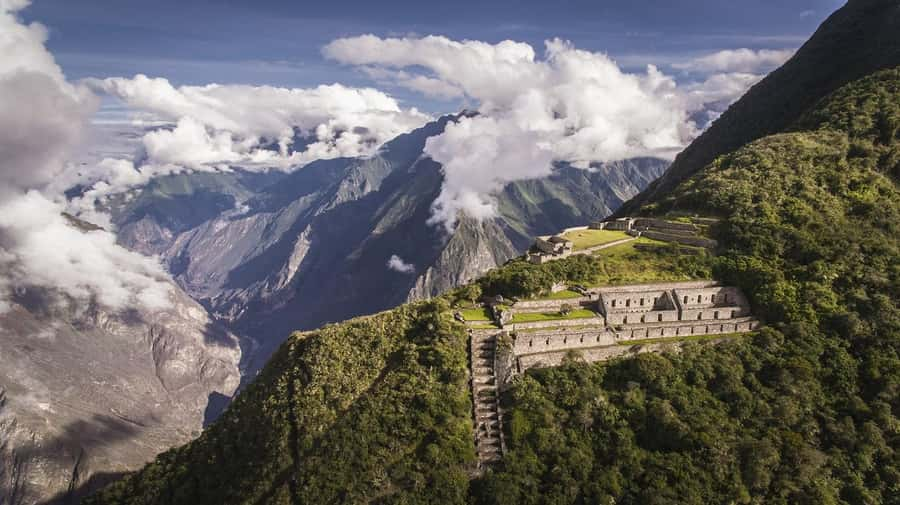
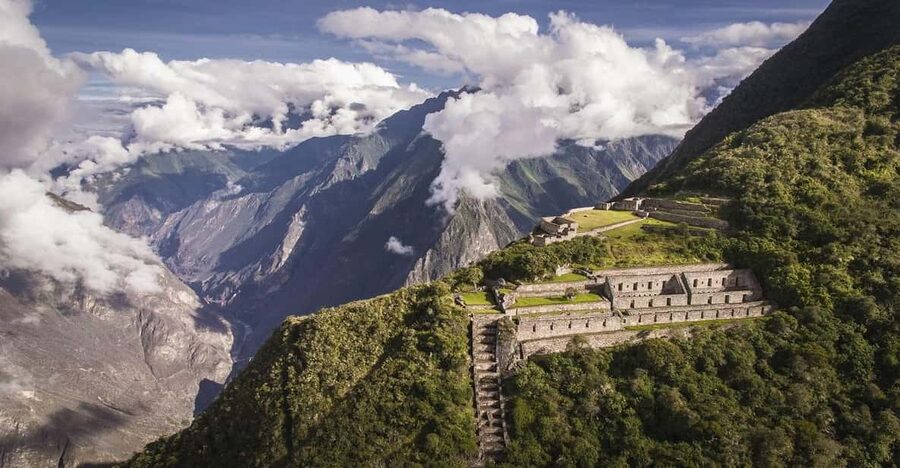
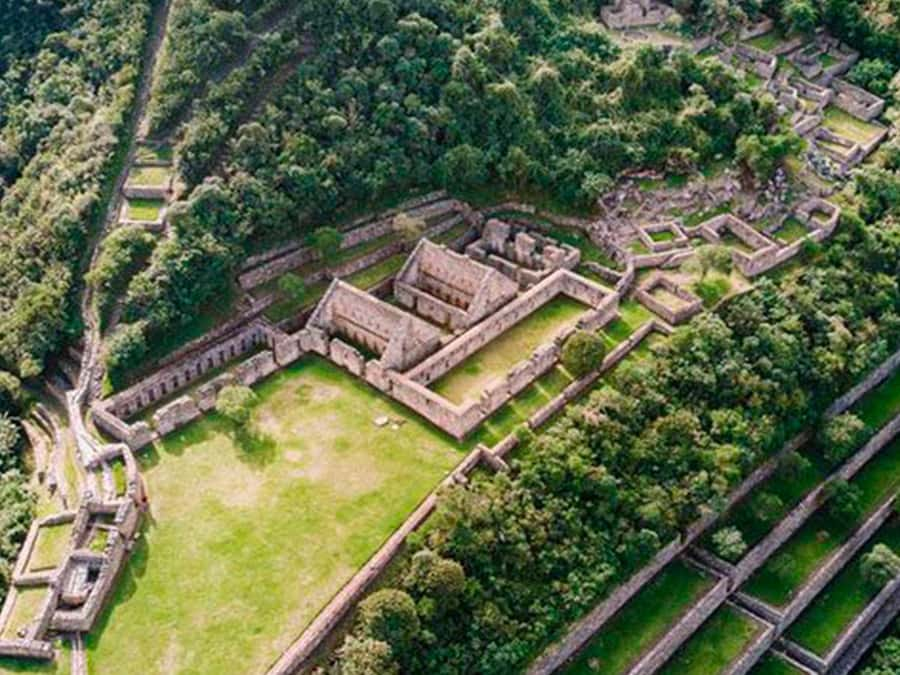
Choquequirao is famous for a reason, it is an archaeological site with history and mystery, and it’s often treated as the sister city to Machu Picchu. But here’s what you should expect in the real world: you are not getting a gentle walking tour. You’re earning your views, step by step, over several days in the Cusco area.
The biggest appeal for me is the combination of effort and payoff. First, the trail gives you a steady stream of canyon scenery and mountain angles. Second, when you finally reach Choquequirao, you are there long enough to actually understand what you’re looking at, because you get a guide explanation and then time to explore on your own. That blend is what turns a hike into a story you remember.
If you’re the type who likes more than Instagram angles, you’ll appreciate the mix of guided context and self-directed wandering. This trek also nudges you into a more local rhythm, from camp nights to evening time where you can try a traditional sugar cane drink in Chiquisca.
Trek Profile: What Makes This One of Cusco’s Tougher Days
The trek is described as one of the hardest treks in Cusco, and the schedule supports that claim. You are dealing with multi-hour climbs and descents most days, not just one big day of effort.
A quick way to think about the physical side:
- You spend long chunks walking downhill and uphill, which taxes knees and legs, not just lungs.
- You start early, including a very early last day, to avoid intense sun.
- You hike with the rhythm of camp logistics, meaning you’re moving at set times, not at your own pace every minute.
This is a good fit if you already hike regularly and you know your limits. It’s not ideal if you want a casual walk, or if you get nervous about long days outdoors.
Day 1: From Capuliyoc Viewpoint to Santa Rosa Camp
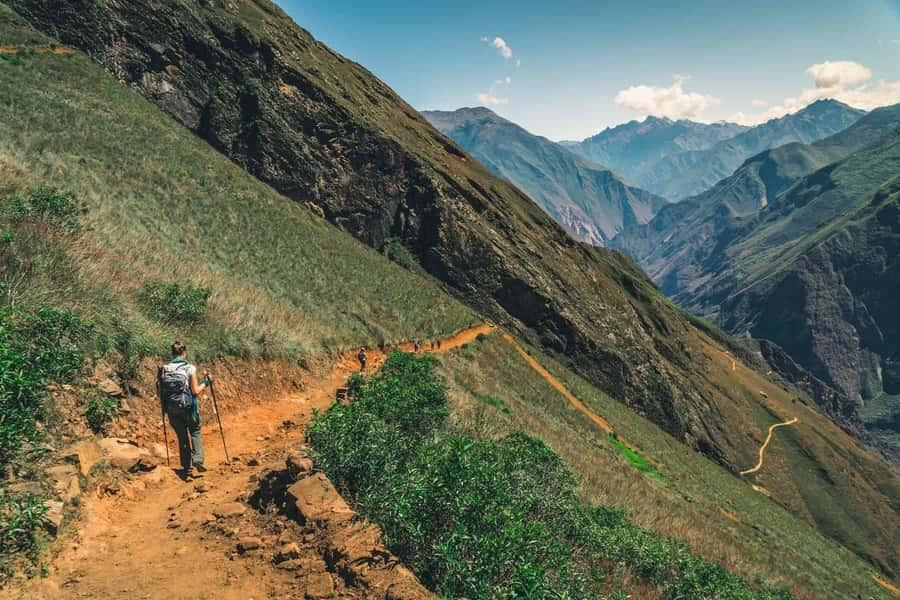
Day 1 is built around an early start and a long descent that sets the tone for the rest of the trek. You’re picked up from the meeting point at 5 am, then driven to Curawasi for about three hours. There’s a brief breakfast stop, and then you continue another hour to the Capuliyoc Viewpoint, where the real walking begins.
From there, the trail drops for around three hours to the lunch area at Chiquisca. You get lunch prepared for the group, which matters because it keeps your energy from crashing at the worst time. After eating, you continue descending to Playa Rosalinas for a rest break.
Then the day turns into a climb. You hike for about two hours up to Santa Rosa camp, where you set up the camp, eat dinner, and sleep there for the night.
What makes Day 1 feel important is the pacing. The early drive plus breakfast stop reduces time wasted on logistics. The day still gives you a clear training-like sequence, downhill first, then uphill to camp. That’s exactly the kind of pattern that helps you adjust your energy before you’re asked to do more technical terrain later.
Day 2: Maranpata, a Choquequirao Morning, and the Best Kind of Waiting
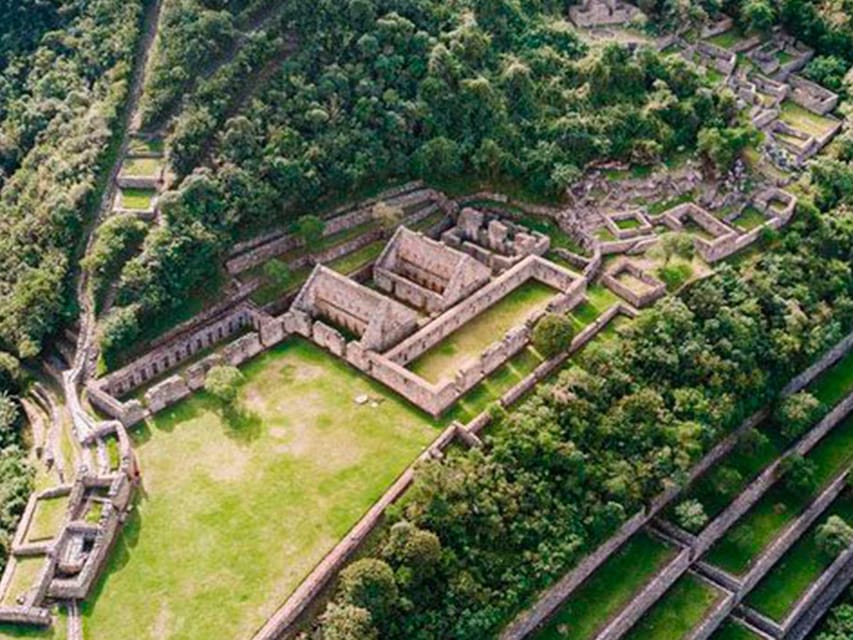
Day 2 starts gently for your body, but not your schedule. Around six in the morning, cooks wake you with hot coca tea, then you get breakfast and begin the hike.
The first walking push is about two hours uphill to Maranpata. This is where you get a taste of how the trek is organized behind the scenes. While you hike up, the cooks, muleteers, and horses stay in position to prepare lunch and carry it so it arrives when you’re ready.
You visit Choquequirao in the morning and you arrive around 9:30 am. This is when the guide explanation counts. You get help interpreting what you’re seeing, and then you have enough time to explore the complex on your own.
In the afternoon, you hike back to Maranpata for dinner and sleep at camp.
The value here is that you’re not rushing through the archaeological site just to beat daylight. You have time for both guided context and quiet wandering. And that mid-trek lunch logistics, with staff positioned ahead of you, is one of those details that makes a hard trek feel possible, even when the trail is steep.
Other Andean routes worth the acclimatisation
Day 3: Apurímac River Canyon Descent to Chiquisca Evening
If Day 2 is about reaching and understanding Choquequirao, Day 3 is about the dramatic terrain around the Apurímac river canyon.
You wake up around eight, eat breakfast, then start walking toward the canyon. The descent lasts about three hours. Once you reach the river, you get time to relax. Then lunch is prepared by the chefs for the group.
After lunch, the day asks you to climb again, about two hours up to the third camp in Chiquisca. Once there, you settle in and get a chance to interact with locals. You can also taste a typical drink made from sugar cane, which is one of those small moments that turns the day from just hiking into culture.
At night, you have dinner and sleep in camp.
This day matters because it’s the emotional swing of the trek. A long descent to a canyon feels like relief, but you don’t get to rest for long. You transition back into uphill effort shortly after. That’s why having structured breaks, lunch timing, and a camp ready for you is so important.
Day 4: Capuliyoc at Sunrise Light, Then Back to Cusco
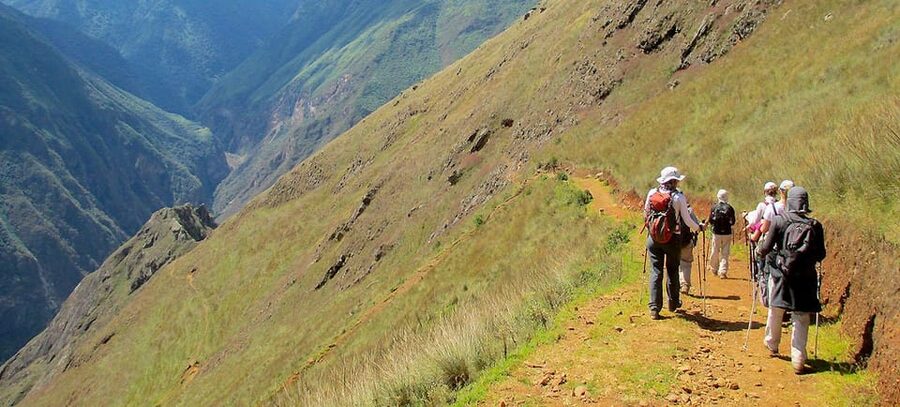
Day 4 starts very early, around five in the morning after breakfast. The last hiking segment is the return to Mirador Capuliyoc, and going so early is not random. It helps you avoid the intense sun that can hit the area.
You walk uphill for about four hours and then reach Mirador Capuliyoc. From there, you wait for lunch while you enjoy views over the mountains and the Apurímac canyon. After lunch, you head back by car to Cusco, arriving around 4:30 pm.
If you’re trying to decide whether you can handle the time commitment, this final day is the reason many people can finish. Yes, it’s hard uphill again, but the payoff is built in. You get a viewpoint and a clear finish line back in Cusco, rather than another night in camp.
Camps, Meals, Guides, and the Logistics That Earn Their Keep
This trek is one of those trips where the behind-the-scenes work is part of the experience. You’ll have a tour guide and a team that includes muleteers and mules for extra luggage. The trek also includes three nights in rural accommodation, plus meals.
You’re not expected to carry everything. The tour includes one duffel bag for extra luggage (up to 5 kg). That matters because on a steep multi-day route, the difference between carrying a heavy load and carrying a manageable day pack is huge.
Meal rhythm is also a real highlight. The schedule calls out cooks being ready at lunch areas and at camps. Day 2 includes hot coca tea at wake-up, which is a small detail but it sets the tone for the day and helps you get moving.
In the reviews tied to this experience, the pattern is consistent: people call out the challenge, the beautiful nature, and the delicious food, along with an amazing guide and a great group dynamic. Another review sums up the truth in a few words, very strenuous, but super guide and path. That lines up with what the itinerary asks of you.
If you care about comfort, the included items are solid, but not everything is included. Hot showers, towels, rehydration water, and Wi-Fi are listed as additional costs. That’s not a dealbreaker, it’s just something to plan so you’re not surprised later.
Price and Value: What $366 Covers, and What Costs Extra
The price for this four-day trek is $366 per person. For a multi-day hike with a guide, transport from Cusco to Cachora and back, three nights in rural accommodation, and meals, that can be reasonable value, especially since the group is capped at 15.
Here’s what you should expect is included:
- Transportation from Cusco to Cachora to Cusco
- Meals for the trek days (but not the first breakfast and last dinner)
- Three nights in rural accommodation
- Tour guide
- Muleteer and mule for extra luggage
- One duffel bag for extra luggage (5 kg)
And here’s what costs extra, which is where you should do your homework:
- Choquequirao entrance ticket: 60 soles for adults, 30 soles for students
- First breakfast and last dinner
- Rehydration water and water for canteens
- Hot shower and towels (40 soles per person)
- Wi-Fi (20 soles)
- Trekking poles (30 soles per pair)
- Horseback riding (200 soles)
The value question comes down to this: if you want someone else to handle meals, guide interpretation, and camp logistics, this price buys a lot of structure. If you already have trekking poles, are comfortable skipping the shower add-on, and know you’ll pay the entrance fee anyway, you can keep your total spend close to the base rate.
Who Should Book This Trek to Choquequirao
This is best for you if:
- You want a hard trek in the Cusco region and you’re ready for long walking days.
- You care about more than scenery, you want guided explanation at an archaeological site, plus time to explore.
- You prefer a small group setting and a supported hike, with cooks and staff managing meals and lunch timing.
It’s probably not the right match if:
- You want a gentle, low-effort hike.
- You’re not comfortable with early starts, long descents, and repeated uphill climbs.
- You’re expecting all-day creature comforts, because several comfort items (like hot showers) and water planning are listed as extra.
Should You Book the Trek to Choquequirao?
Book it if you want the real Choquequirao experience, the one where effort, guide-led understanding, and camp logistics all work together. The strong points are the small-group setup, the way meals and lunch are handled, and the chance to spend time at Choquequirao instead of rushing through it.
Skip it if you’re chasing an easy itinerary or you’re fragile with strenuous hikes. This is for hikers who show up ready to work, and who like that the payoff is earned, not handed to you.
FAQ
What time do you pick up from Cusco?
You are picked up from the meeting point at 5 am.
How long is the Trek to Choquequirao?
The trek duration is 4 days.
What is the maximum group size?
The group is limited to 15 participants.
What languages does the guide speak?
The guide is available in Spanish and English.
Are meals included?
Meals are included, but first breakfast and last dinner are not included.
Is the Choquequirao entrance ticket included?
No, the entrance ticket is not included. It costs 60 soles for adults and 30 soles for students.
How is extra luggage handled?
You get muleteer and mule support for extra luggage, and one duffel bag for extra luggage (5 kg) is included.
Are trekking poles or horseback riding included?
No, trekking poles are not included (30 soles per pair), and horseback riding is not included (200 soles).
Are hot showers, towels, and Wi-Fi included?
Hot shower and towels cost 40 soles per person, and Wi-Fi costs 20 soles.
What is the cancellation and payment option?
You can cancel up to 24 hours in advance for a full refund, and you can reserve now and pay later.
Andean Routes Worth the Climb
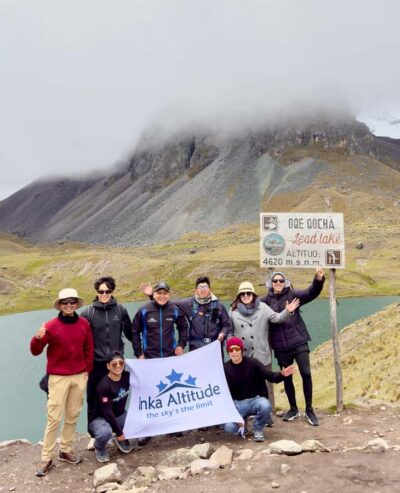
- From Cusco: 7 Lakes Ausangate Trek with Breakfast and Lunch
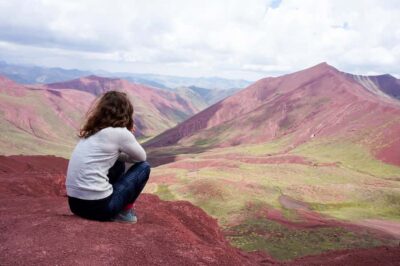
★ 4.8 · 360 reviews - Cusco: Rainbow Mountain Tour and Red Valley Hike (Optional)
★ 4.7 · 149 reviews - Cusco: Full-Day Rainbow Mountain & Red Valley Trekking Tour
★ 4.5 · 121 reviews - Salkantay Trek Challenge – 3 Days / 2 Nights
★ 5.0 · 101 reviews - From Cusco: Rainbow Mountain Trek
★ 4.5 · 98 reviews
More Tour Reviews in Cusco
- Cusco: Humantay Lake Tour with Breakfast and Buffet Lunch
★ 4.9 · 2,976 reviews - From Cusco: Moray, Maras Salt Mines & Chinchero Weavers Tour
★ 4.8 · 1,925 reviews - From Cusco: Full-Day Group Tour of Machu Picchu
★ 4.7 · 1,767 reviews - Machu Picchu Day Trip from Cusco
★ 4.5 · 1,644 reviews - Cusco: Half-Day City Tour with Sacsayhuaman and Q’enco
★ 4.6 · 1,129 reviews
Lares, Choquequirao and Beyond
- Choquequirao Trek 4 days and 3 nights
★ 5.0 · 81 reviews - Ancascocha Trek To Machu Picchu 4 Days And 3 Nights
★ 5.0 · 77 reviews - 4-Day Inca Jungle Adventure, Mountain Biking, Rafting and Zipline
★ 5.0 · 60 reviews - Classic Choquequirao Trek – 5 Days / 4 Nights
★ 5.0 · 52 reviews - 4 Days Inca Jungle to Machu Picchu Standard
★ 4.5 · 48 reviews
Freshly reviewed across Cusco
- Excursion Cusco – Puno – Titicaca Observatory Train★ 5.0 · 3 reviews
- Sacred Valley Vip Cusco★ 4.7 · 3 reviews
- Cusco | Humantay Lake 1-Day Tour with Breakfast and Lunch★ 5.0 · 3 reviews
- Full-Day Condor Viewpoint & Inca Sites Tour★ 5.0 · 3 reviews
- Best of Cusco: Private Walking Tour with a Local★ 3.6 · 3 reviews
- From Cusco: Full-Day Private Sacred Valley Tour★ 5.0 · 3 reviews
Alternative Treks to Machu Picchu side by side.
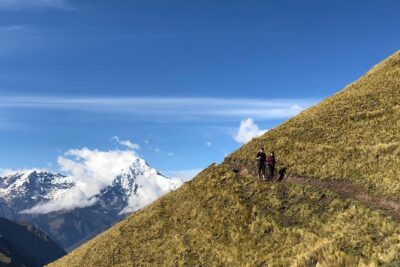 ★ 5.0Ancascocha Trek To Machu Picchu 4 Days And 3 NightsFrom $73077 reviews
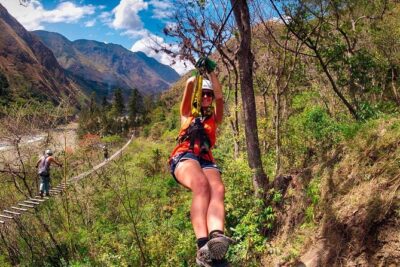 ★ 5.04-Day Inca Jungle Adventure, Mountain Biking, Rafting and ZiplineFrom $37860 reviews
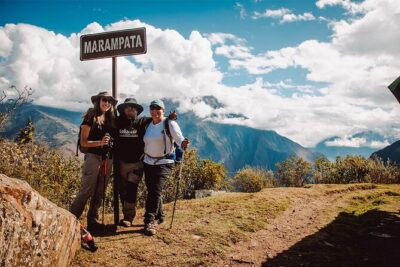 ★ 5.0Classic Choquequirao Trek – 5 Days / 4 NightsFrom $73552 reviews
 ★ 4.54 Days Inca Jungle to Machu Picchu StandardFrom $45548 reviews
 ★ 5.0Ultimate Lares Trek & Inca Trail 5 daysFrom $98047 reviews
 ★ 5.04-Day Lares Trek to Machu Picchu from CuscoFrom $84747 reviews
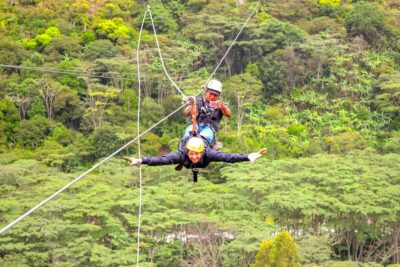 ★ 4.8From Cusco: 4-Day Inca Jungle Adventure to Machu PicchuFrom $51945 reviews
 ★ 5.0Inca Jungle Premium to Machu Picchu 4-Day and 3-NightsFrom $55040 reviews
Also on these Peru lists